7 Indian Cities Where Culture Is the Main Attraction
Introduction
Some cities are famous for beaches or mountains. But a few cities give you real traditions, food, and the everyday noise of life spilling onto the street. That's what Indian culture feels like. It's why people keep going back, trip after trip. Jaipur's pink lanes and spiritual ghats of Varanasi to the artistic neighbourhoods of Kolkata. These places are way more than a list of monuments to tick off. If you want to actually feel a place, not just take a photo and move on, these seven cities are a good place to start.
1. Jaipur, Rajasthan – Royal Heritage at Every Turn
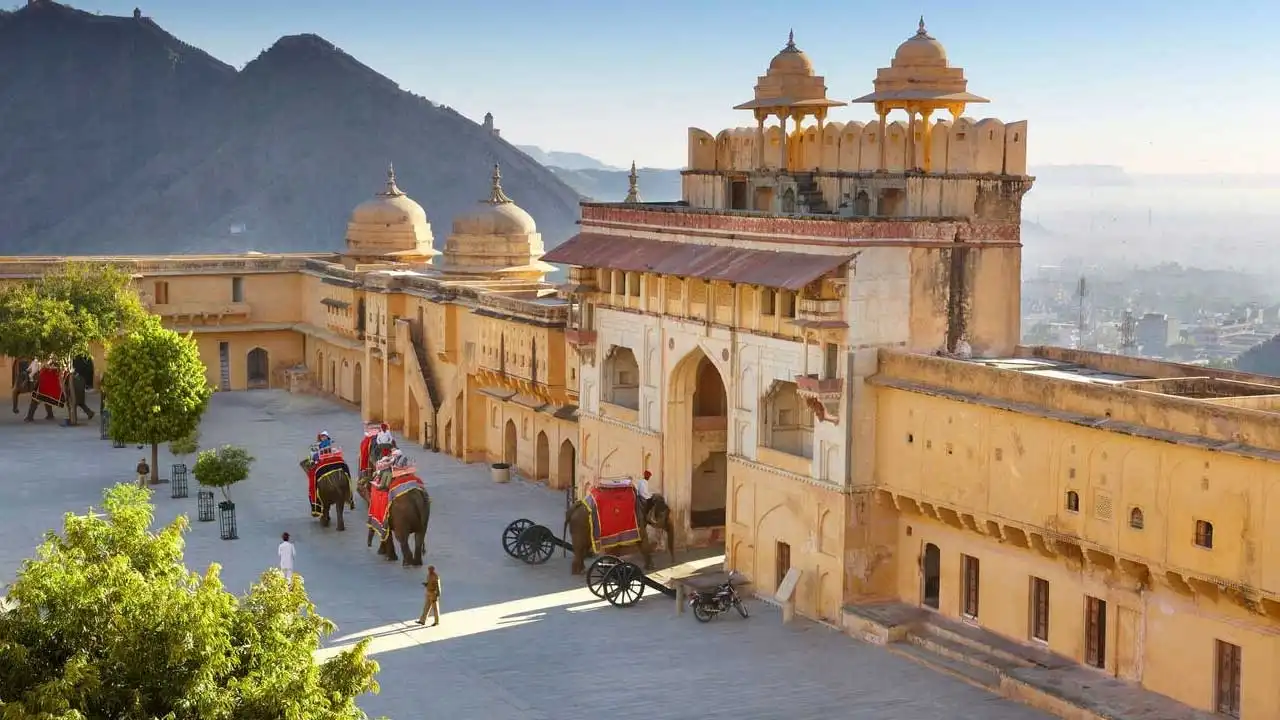
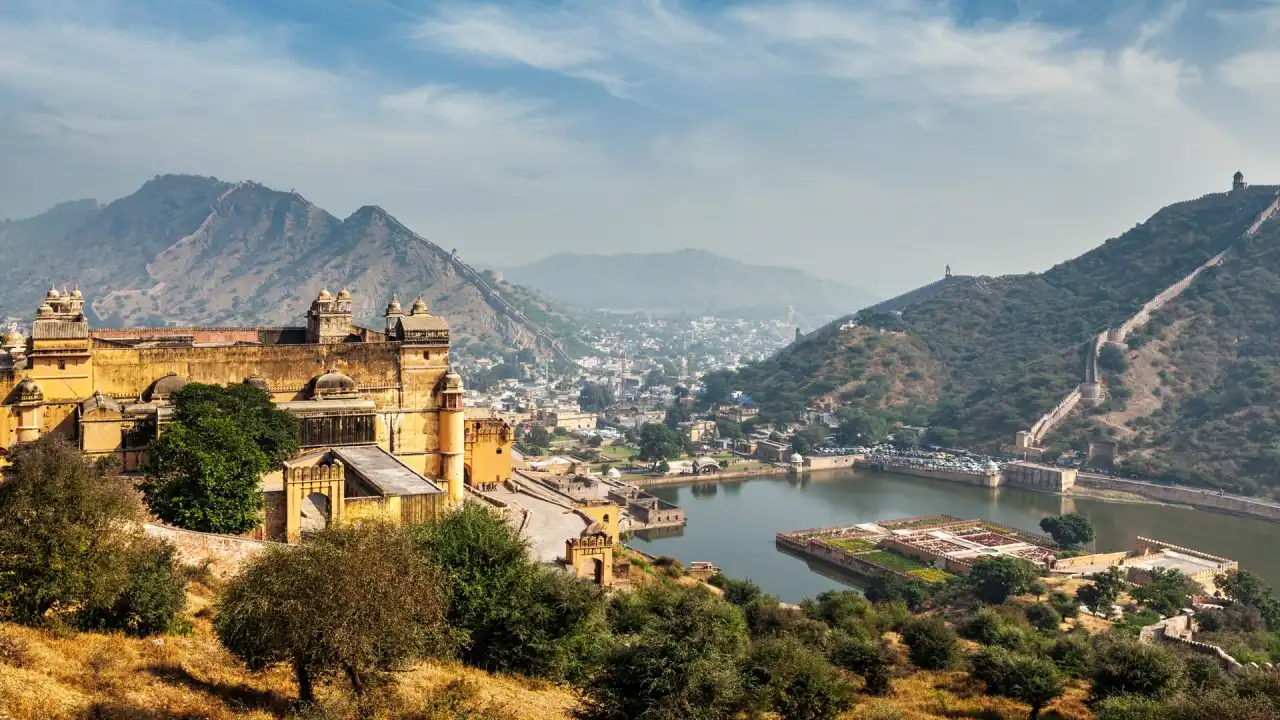
Hawa Mahal, Amber Fort, and City Palace, everyone's heard of these already. But walk a bit further and the real Jaipur sneaks up on you: streets packed with colourful bazaars, stalls piled with handicrafts, jewellery catching the sun, old buildings standing so close together they look like they're sharing a secret. And the food. Don't skip it, seriously, don't. Dal baati churma, pyaaz kachori, ghewar this is Rajasthan's traditional cuisine, right there for you to taste.
Don't miss:
- Amber Fort and City Palace
- Johari Bazaar and Bapu Bazaar
- Traditional Rajasthani food
- Blue pottery and block-printed textiles
- Folk performances
Pro tip: Go early. The old city markets get crowded fast and mornings are the only calm part.
A Rajasthan tour package can also make it easier to combine the city's heritage attractions with nearby destinations.
2. Varanasi, Uttar Pradesh – Tradition on the Ghats
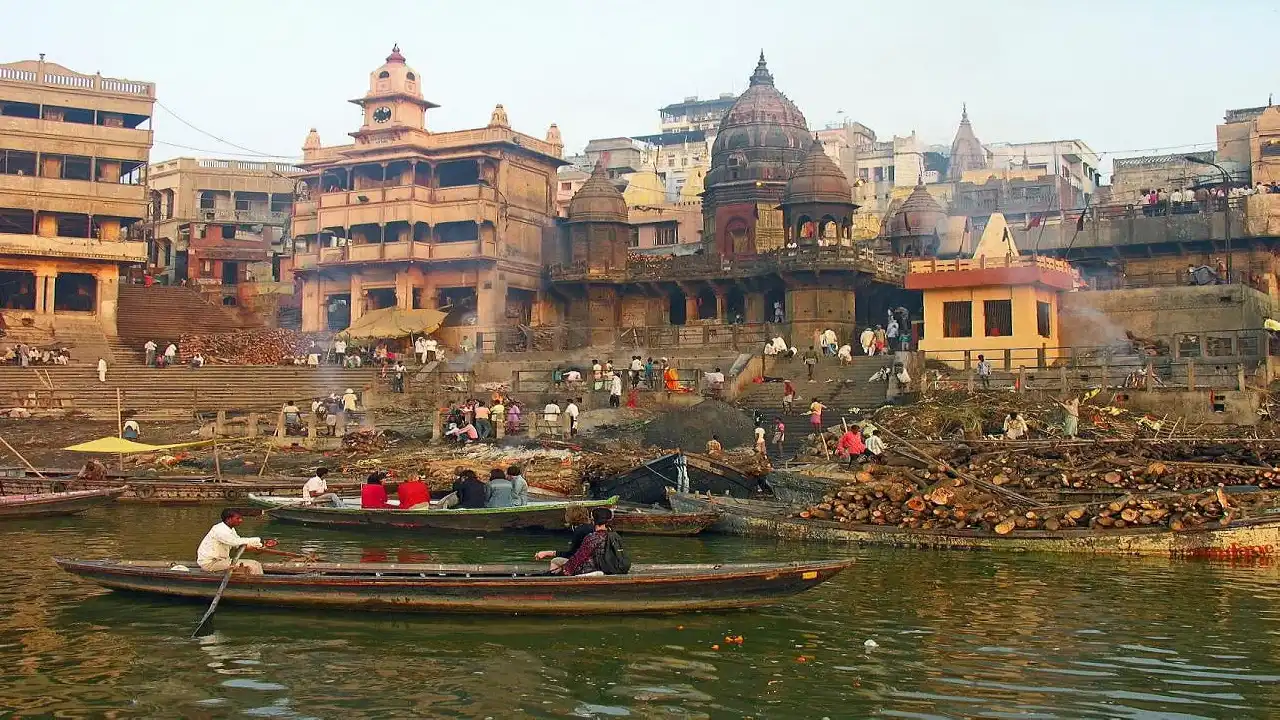
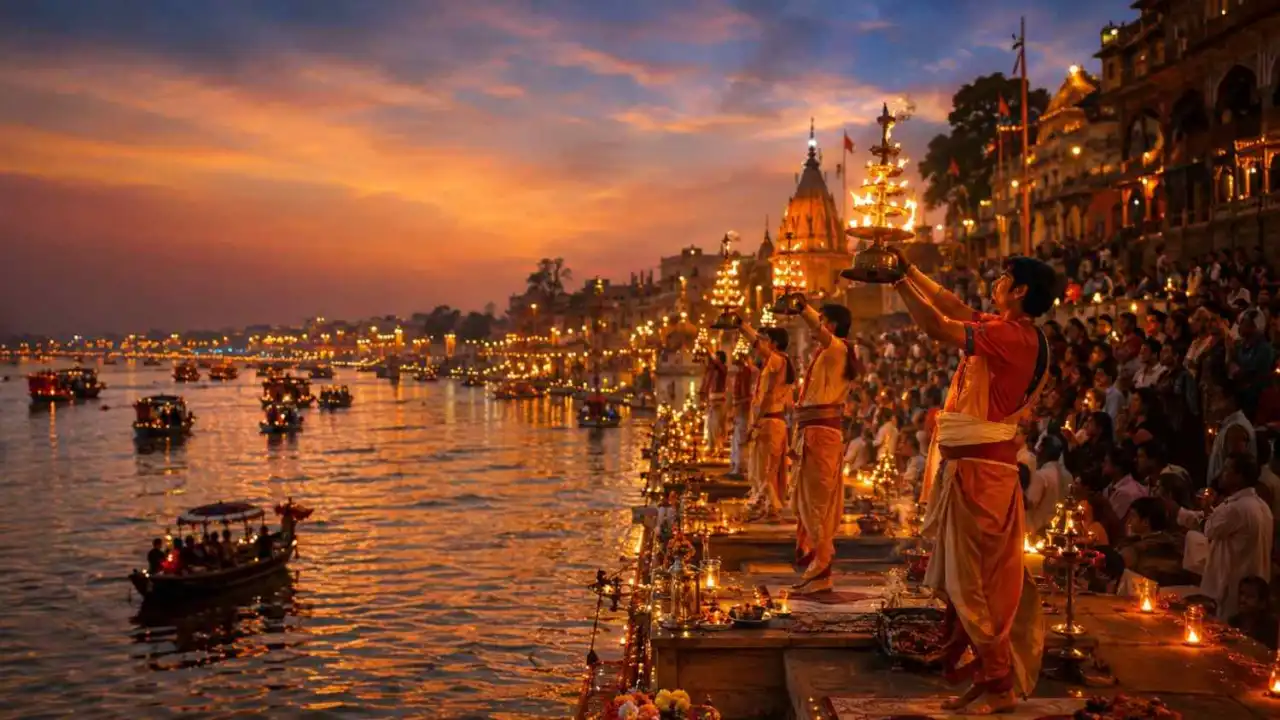
Varanasi is one of India's oldest and most culturally significant cities. Narrow lanes, ancient temples, and a rhythm on the ghats that hasn't really changed in generations. The Ganga Aarti at Dashashwamedh Ghat is a major experience, but go earlier. Catch a sunrise boat ride and you get a totally different city. Quiet. Almost gentle. Then there's Banarasi silk, traditional sweets and local food.
Must-experience:
- Sunrise boat ride
- Ganga Aarti
- Old city lanes
- Banarasi silk shopping
- Local sweets and street food
Pro tip: Wear comfortable shoes. You'll walk a lot, and the lanes aren't exactly clean.
3. Kolkata, West Bengal – Art, Food and Festivals
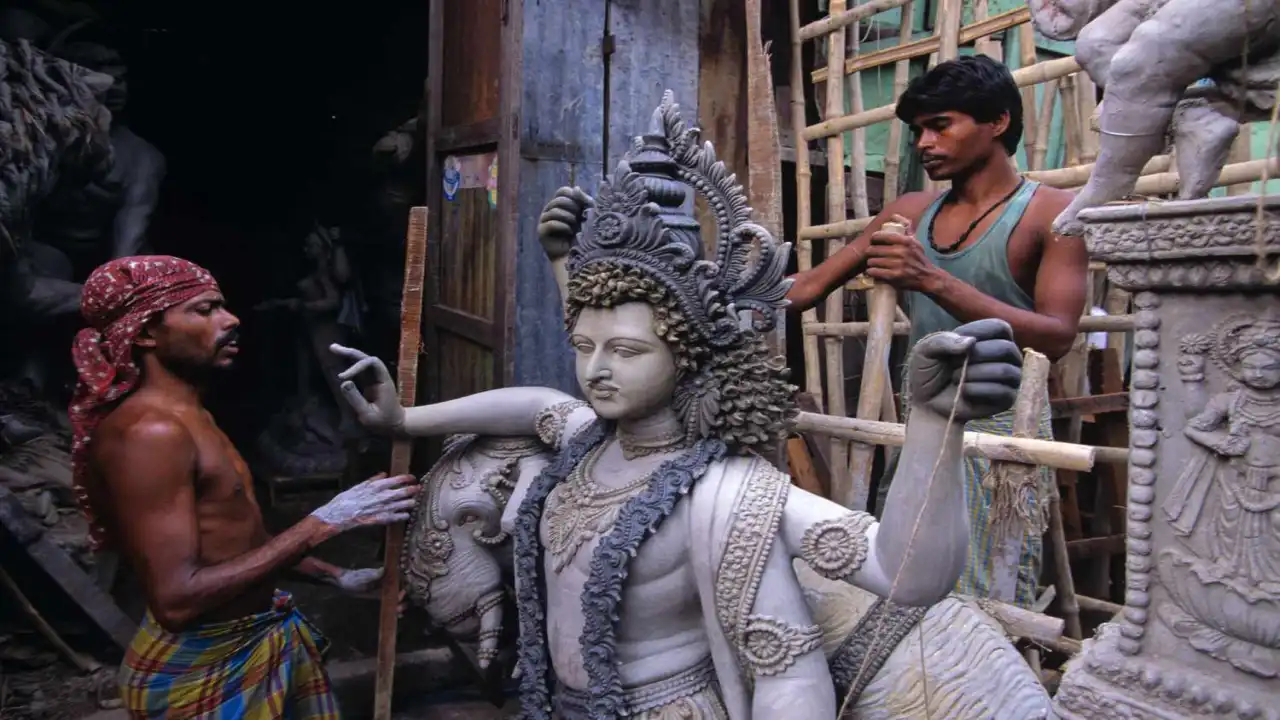
Kolkata has a strong connection with books, theatre, art, and food. Show up during Durga Puja and the city just flips. Pandals on every corner, lights strung across streets like it's someone's birthday. Kumartuli is where the idols are made from clay, straw, and paint. Worth a look if you're curious how it all comes together. College Street is different, all stacked secondhand books and that musty smell only old paper gets. And the food, obviously. Bengali sweets, fish curries, kathi rolls wrapped in paper, eaten standing on the pavement because who has time to sit down.
Cultural highlights:
- Kumartuli
- College Street
- Victoria Memorial
- Bengali cuisine
- Durga Puja
Kolkata is one of the most fascinating cultural cities in India for travellers who enjoy combining history with food and art.
4. Lucknow, Uttar Pradesh – The City of Tehzeeb
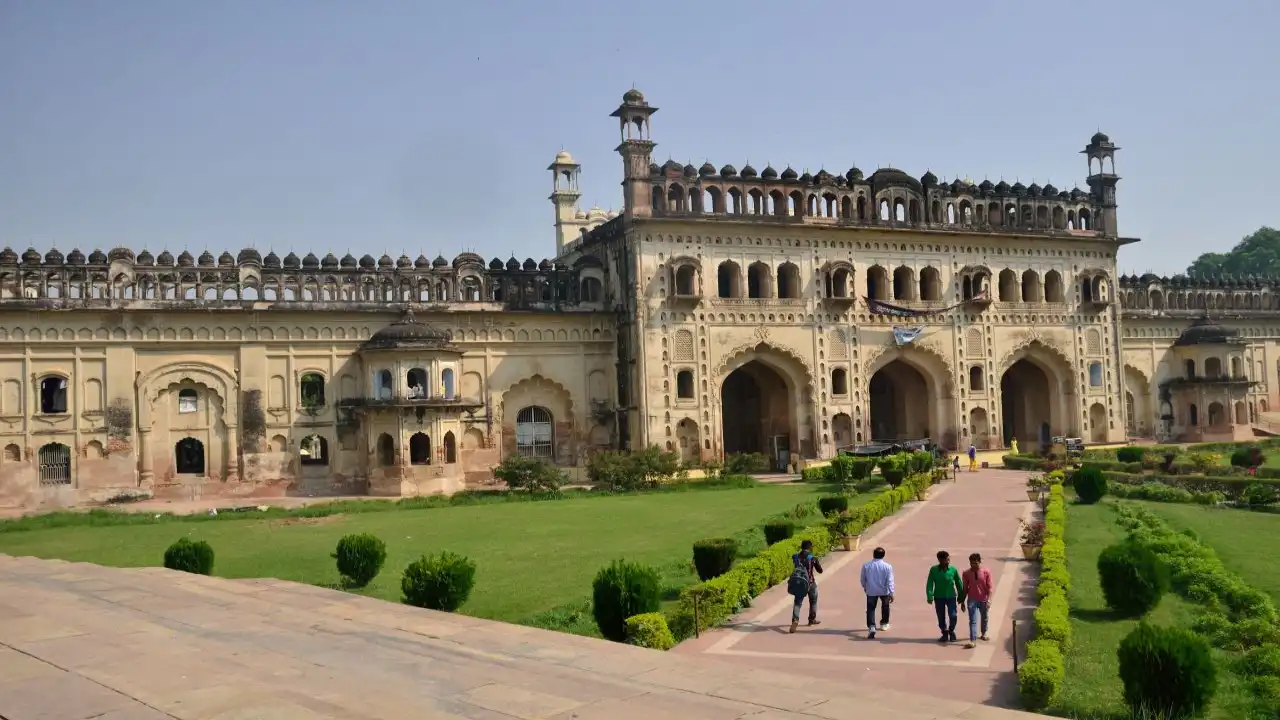
Lucknow is about manners: old-world politeness, grand buildings, and food people cross states just to eat. Bara Imambara and Chota Imambara- tick those off the list. But the real Lucknow shows up after dark, on its food streets. Do not leave without trying kebabs, biryani and other Awadhi specialities. Chikankari embroidery is another major part of the city's identity and makes for a meaningful souvenir.
Things to experience:
- Bara Imambara
- Chota Imambara
- Awadhi food
- Chikankari shopping
- Old Lucknow markets
Pro tip: Ask about the stitching before buying Chikankari to distinguish handmade pieces from mass-produced products.
5. Amritsar, Punjab – Heritage, Food and Community
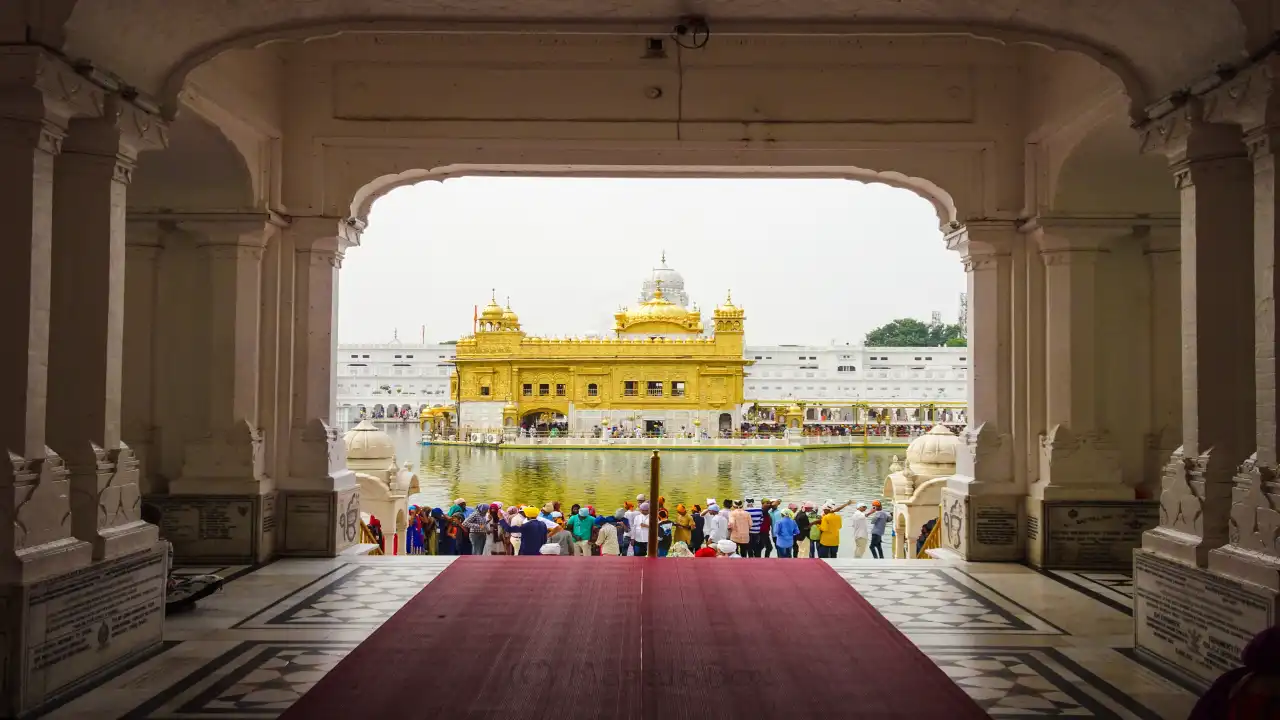
Amritsar circles around the Golden Temple, and that langar tradition, free meals for thousands, no questions asked, and it says a lot more about this city than any brochure could ever manage. Jallianwala Bagh is different: Heavier and Quieter. You feel it more than you see it, honestly. Nearby old markets offer important historical and cultural experiences. And the food's a big reason to come, especially Amritsari kulcha, chole, and a glass of lassi thick enough to slow you down for the rest of the afternoon.
Must-visit places:
- Golden Temple
- Jallianwala Bagh
- Old city markets
- Wagah-Attari Border
- Local food streets
Pro tip: Visit the Golden Temple early in the morning for a calmer experience.
6. Mysore, Karnataka – Royal Traditions and Local Crafts
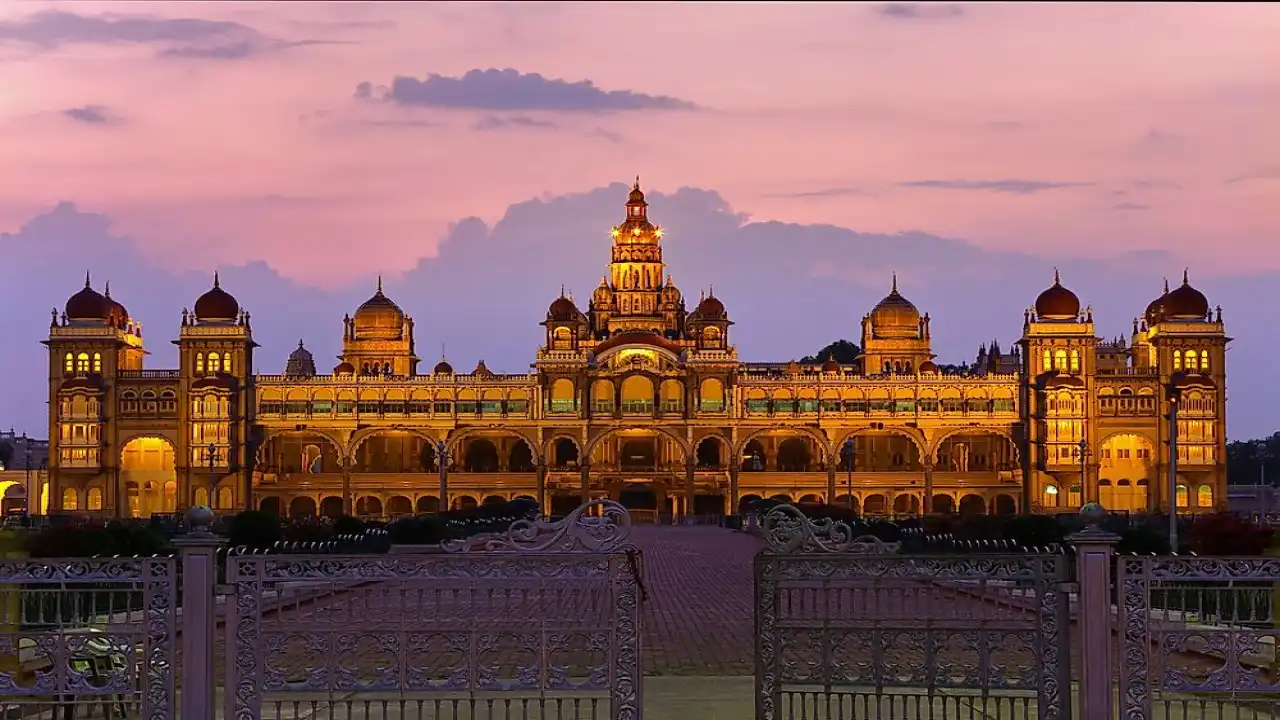
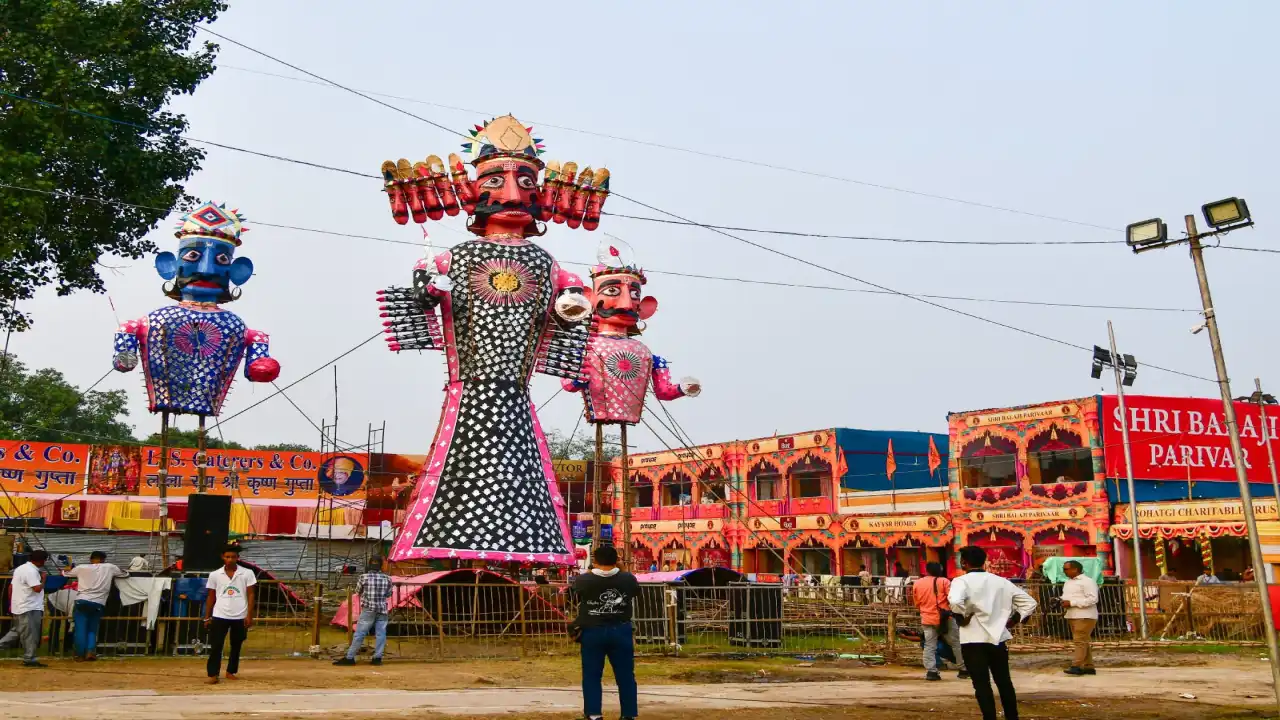
The palace and the royal history are the highlight for Mysore but the real culture lies in its smaller aspects: silk sarees, sandalwood carvings, centuries-old paintings and of course a mouthful of mellowing Mysore pak. Every day, Mysore actually happens at Devaraja Market: vendors screaming, spices piled high, garlands of flowers stacked like mini mountains. Dasara or Dussehra and the entire city dresses up with decorations and processions everywhere you look.
Explore:
- Mysore Palace
- Devaraja Market
- Mysore silk
- Local handicrafts
- Dasara celebrations
Pro tip: Accommodation can fill quickly during Dasara, so plan if travelling during the festival.
7. Kochi, Kerala – A Blend of Many Influences
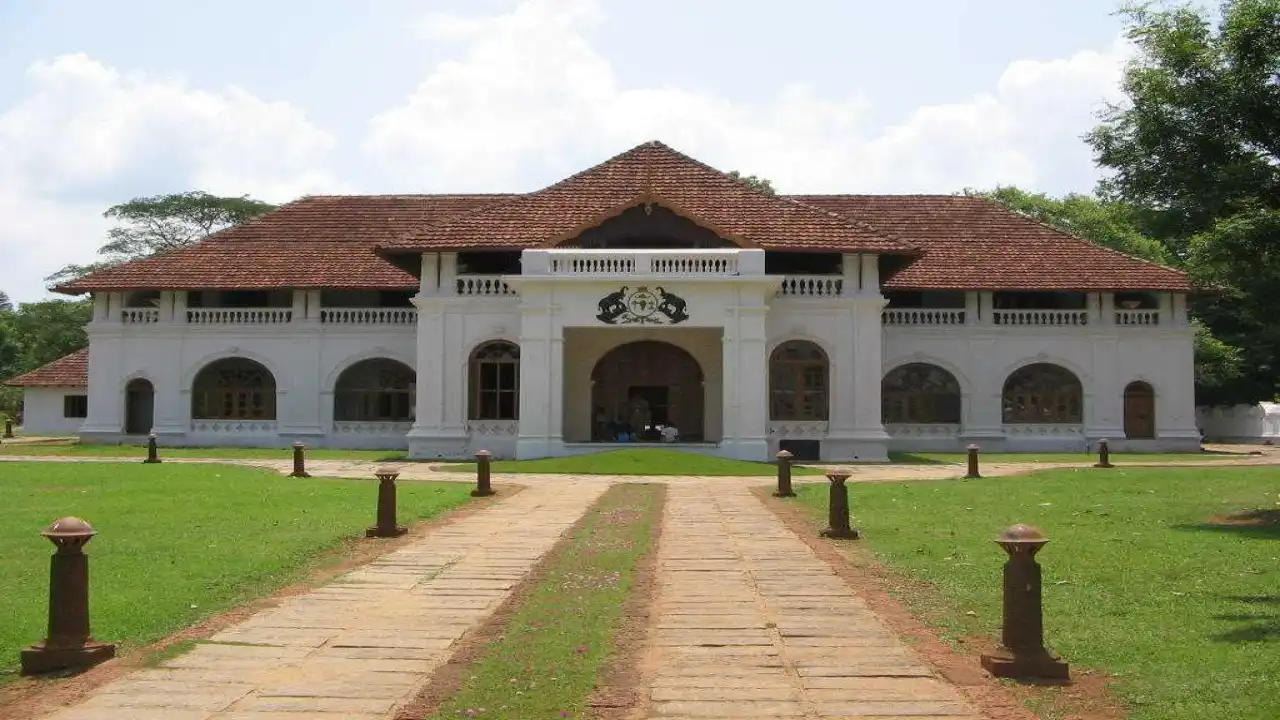
The history of Kochi's culture in this regard has been influenced by centuries of maritime trade and contact with various communities. Fort Kochi presents this very well: colonial buildings next to Chinese fishing nets, art spaces interspersed into old warehouses, Kerala traditions woven throughout. Availability of a Kathakali show, even if you can catch one; the makeup alone takes over three hours to put on! And have a Kerala meal on banana leaf, if only for the fun of eating with your hands.
Don't miss:
- Fort Kochi
- Chinese fishing nets
- Mattancherry
- Kathakali performance
- Traditional Kerala cuisine
Kochi is a great choice for India cultural tourism because history, art, architecture, and food come together naturally.
Conclusion
Culture isn't just monuments behind ropes and museum plaques. It's food stalls, markets, festivals, crafts, and ordinary life. Bargaining in Jaipur's bazaars, watching the evening rituals in Varanasi or sipping lassi in Amritsar. Each city hands you a different slice of India. Get the itinerary right, and a domestic trip package through one or more of these destinations can turn a regular holiday into a much more meaningful journey with Travel Junky.