Diwali vs Dev Deepawali: What’s the Difference?
Introduction
Diwali and Dev Deepawali. Two big Hindu festivals, and honestly, they feel nothing alike. Different meanings, different dates, different moods. Diwali is celebrated all over India, in almost every street. Dev Deepawali is the one Varanasi is famous for, when the ghats glow with thousands of little lamps.
Then there’s Ayodhya’s massive celebrations and Jaipur’s lit-up markets, and both are worth a look. A Domestic trip package from Travel Junky can sort the plan out for you, so you enjoy India’s festive side without the headache. Once you know the difference between Diwali and Dev Deepawali, the trip feels richer. You actually understand what’s in front of you.
What Is Diwali?
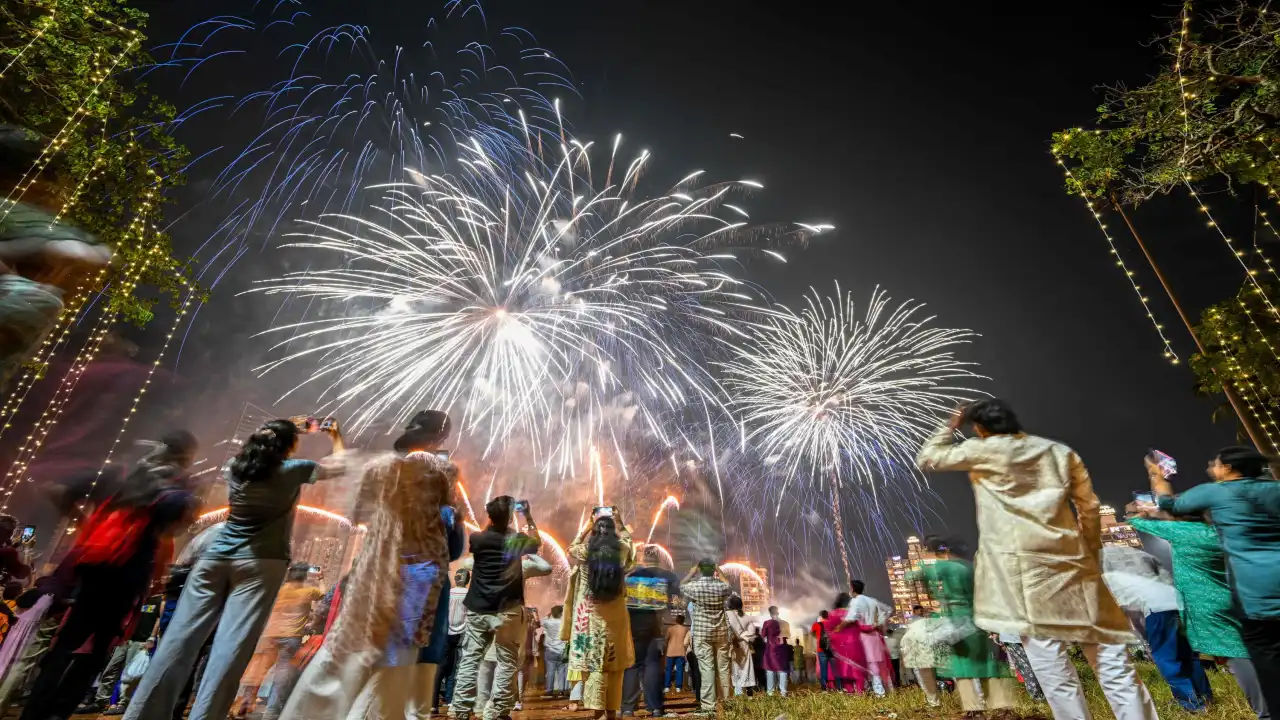
Diwali, also called Deepawali, is probably India’s most loved Hindu festival. The idea is simple. Good wins over evil; light wins over darkness. Most people connect it to Lord Rama coming back to Ayodhya after fourteen years in exile, and his victory over Ravana. In the Ramayana, the people of Ayodhya welcomed Rama, Sita and Lakshmana with open arms. Lamps everywhere, the whole city out on the streets.
Then there’s Goddess Lakshmi, the goddess of wealth and prosperity. Plenty of shop owners see Diwali as a lucky time to start something new, so you’ll see fresh account books and new openings around this time. Every community does it a little differently, so customs change from region to region. But it’s not just rituals. It’s that one time of year when families and neighbours actually sit together and talk.
What Is Dev Deepawali?
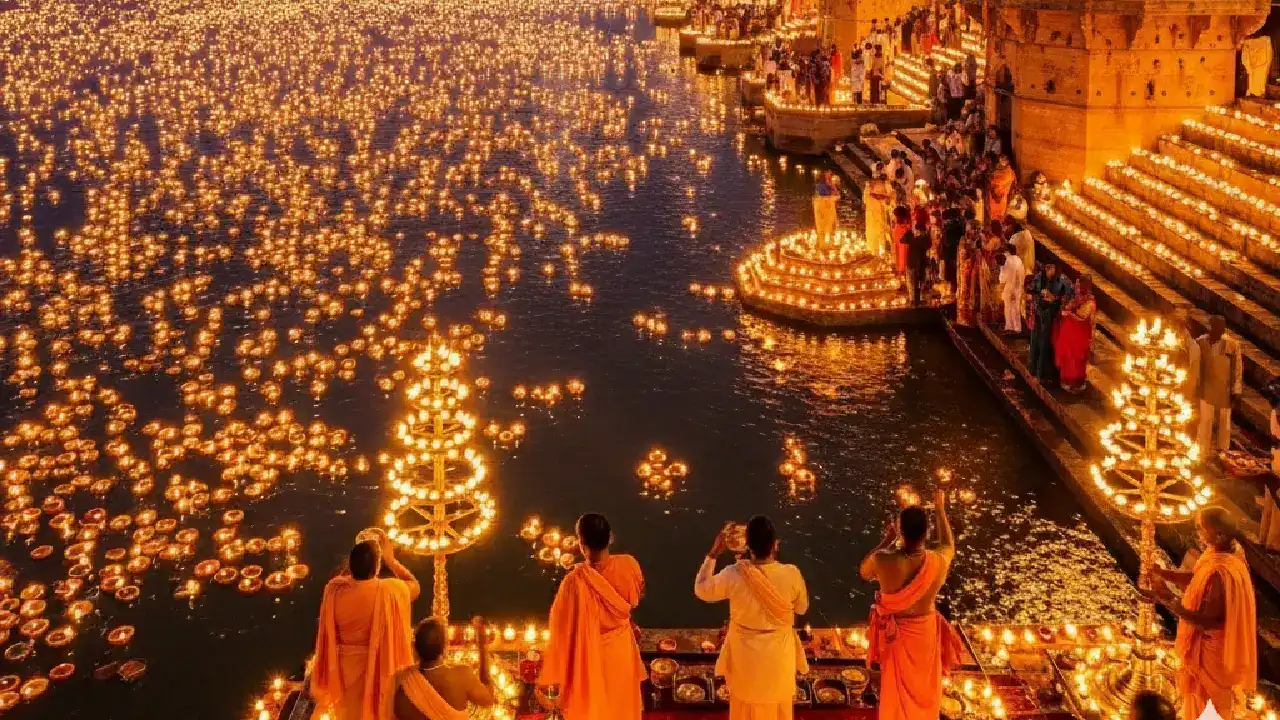
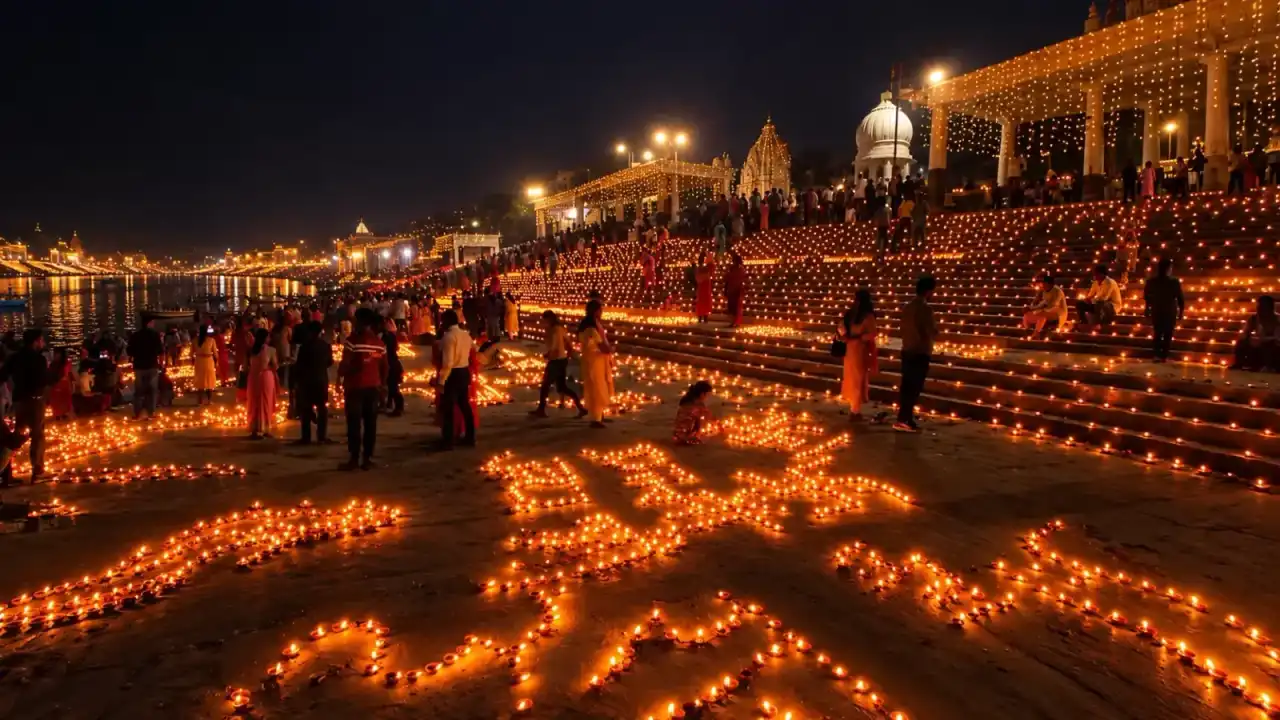
Dev Deepawali, or Dev Diwali, falls on Kartik Purnima, the full moon day of the Hindu month of Kartik. The story goes like this. It marks Lord Shiva’s win over the demon Tripurasura, and the gods lit lamps to celebrate. That’s where the name comes from. It literally means the Diwali of the Gods.
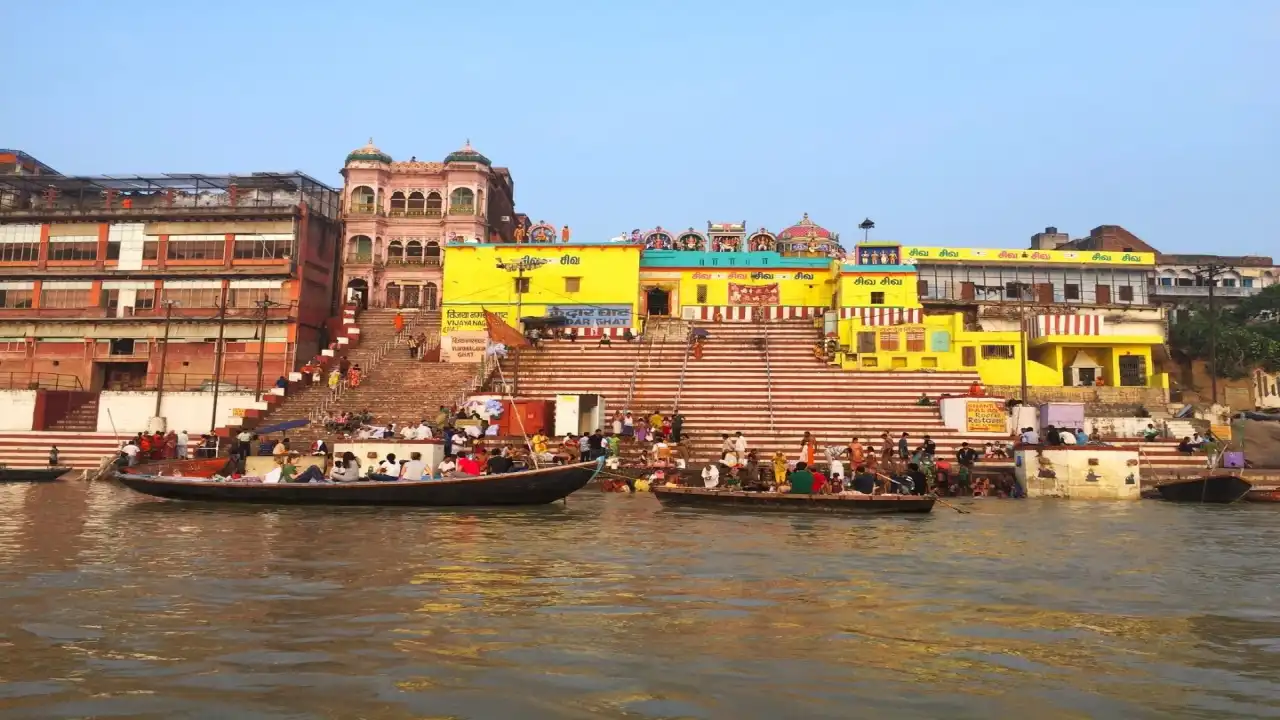
Varanasi is where it all comes alive. Makes sense, really, since the city is tied so closely to Lord Shiva and the holy Ganga. Diwali is spread across the country. Dev Deepawali is different; it’s all about the riverfront. The ghats become the centre of everything, and people travel from all over India just to stand there and watch.
Diwali vs Dev Deepawali: Dates and Differences
The main difference is where they sit in the Hindu lunar calendar. Diwali is on Amavasya, the new moon day, so the sky is dark. Dev Deepawali is on Purnima, the full moon day, so the sky is bright. In the Diwali vs Dev Deepawali date comparison, you’ll notice they usually fall about fifteen days apart.
When Is Dev Deepawali Celebrated?
In 2026, Diwali is on 8 November and Dev Deepawali is on 24 November. Local religious calendars can differ a little, so double-check before you plan anything.
Quick comparison:
Both follow the lunar calendar, so dates shift every year. Check them first, then book your stay and tickets. Not the other way round.
Pro Tip: Want to catch both in the same year? Look at the calendar properly and leave a decent gap between the two cities. Don’t rush it; you’ll just end up tired.
Diwali and Dev Deepawali Rituals and Traditions
Both have lamps and prayers. But how do people celebrate? Quite different.
Diwali Rituals and Traditions
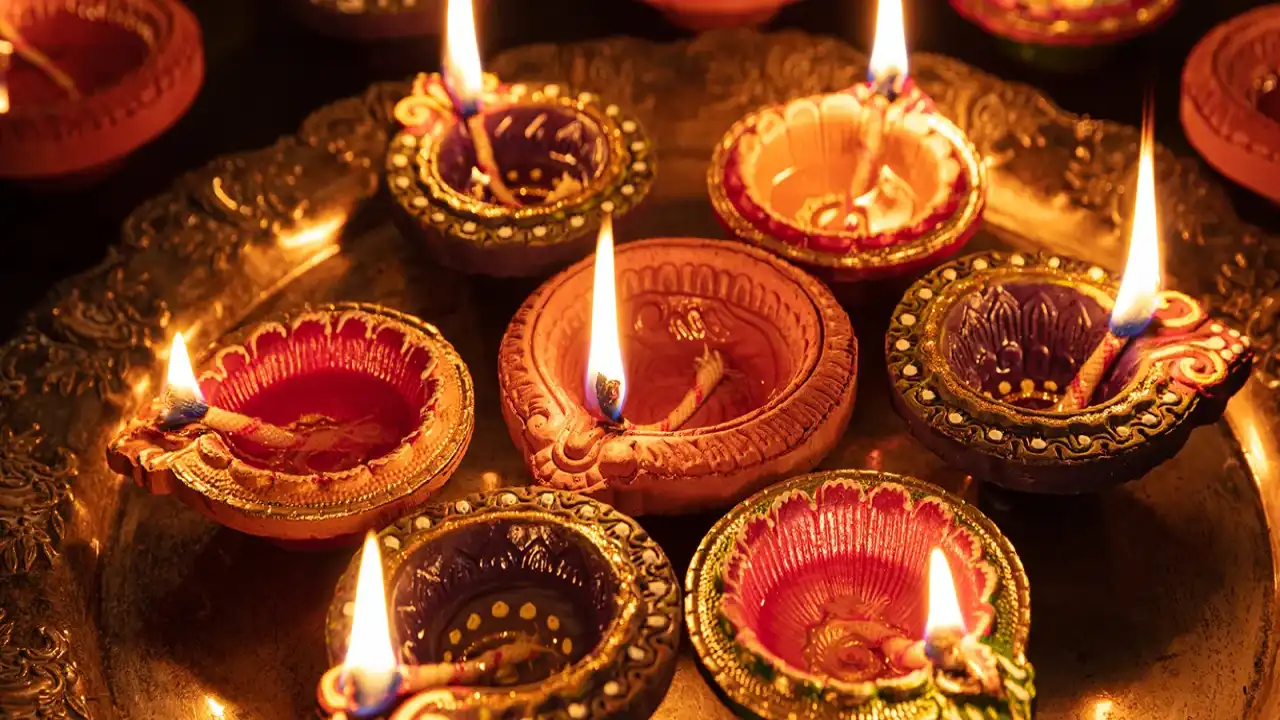
Diwali mostly happens at home, in temples and around the neighbourhood.
- Lakshmi Puja: Families pray to Goddess Lakshmi and Lord Ganesha for luck, happiness and prosperity.
- Lighting diyas: Clay lamps and fairy lights go up on homes, balconies and courtyards. You can smell the oil and ghee in the air.
- Rangoli: Colourful patterns near the door, made to welcome guests.
- Sharing sweets and gifts: Mithai boxes keep going back and forth between friends and neighbours.
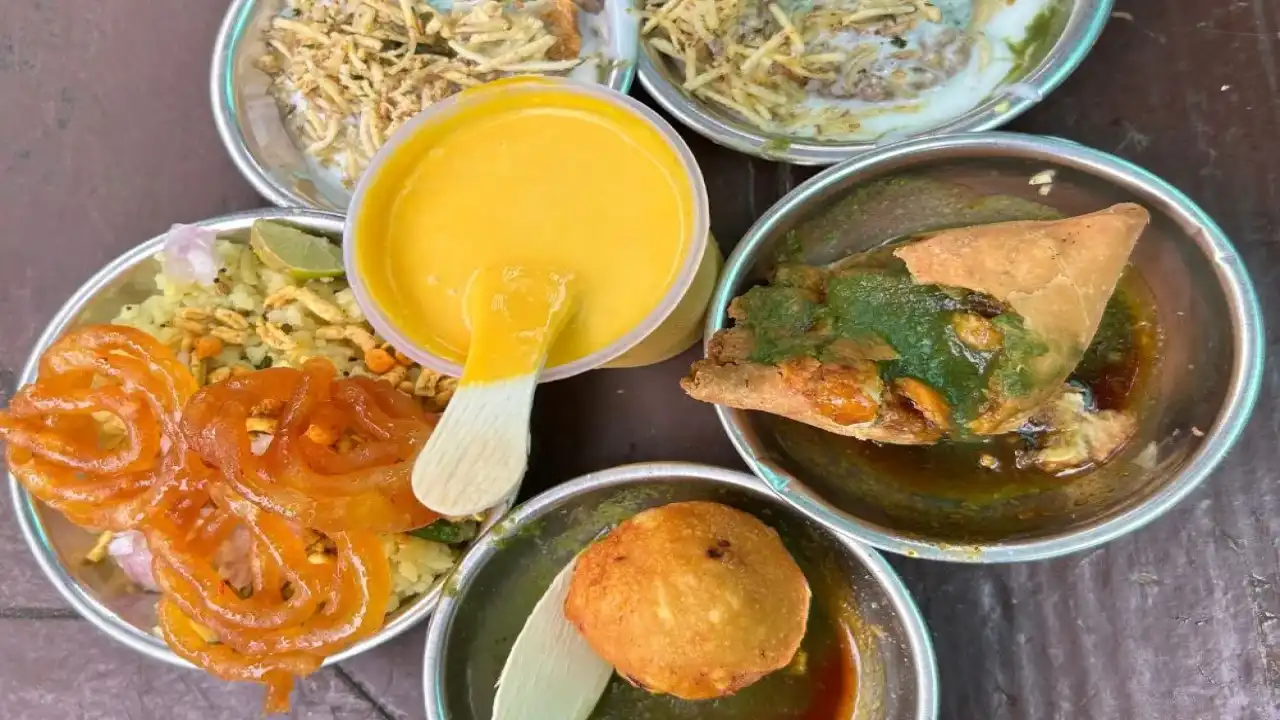
- Festive meals: Special food and a lot of time with people you love.
There’s a reason it’s called the Festival of Lights. Those small lamps stand for hope, and for light beating the dark.
Dev Deepawali Rituals and Traditions
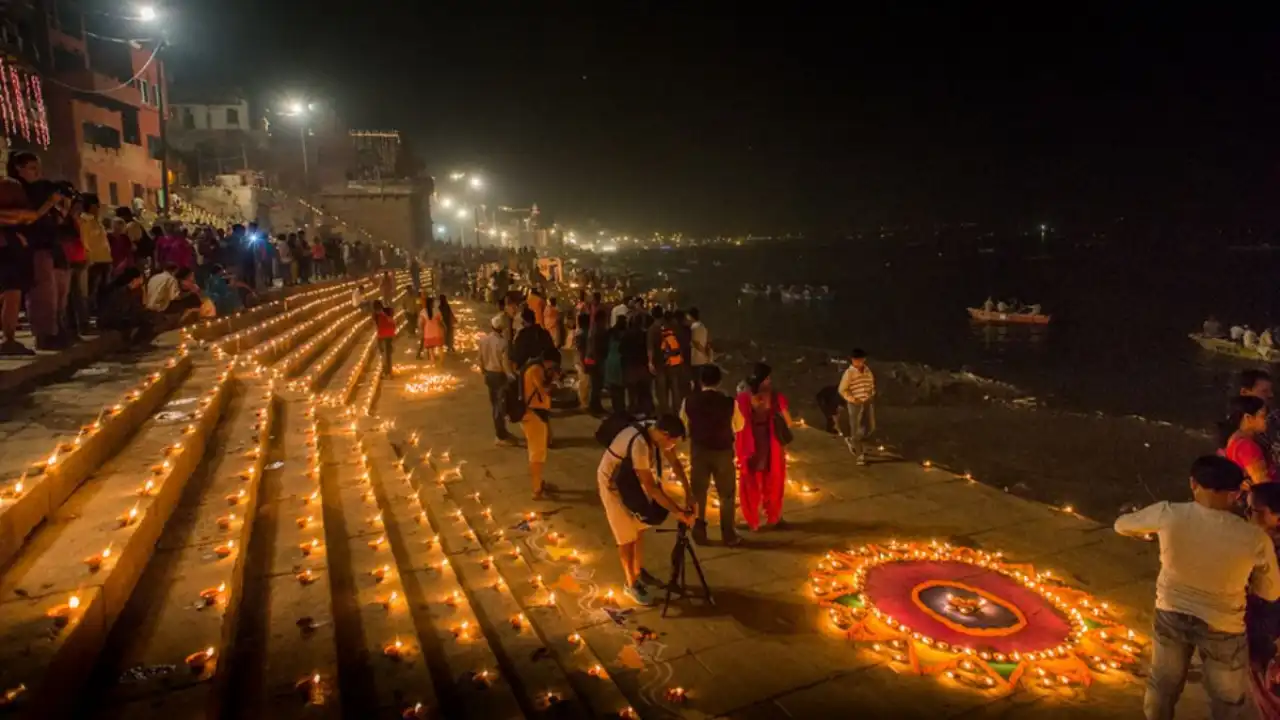
Dev Deepawali is more about prayers and the glowing riverfront of Varanasi.
- Deepdaan: Devotees light earthen lamps and offer them as a prayer.
- Ganga worship: People pray to the holy Ganga.
- Temple visits: Many head to temples to seek blessings.
- Lighting the ghats: Thousands of diyas line the steps by the river.
- Ganga Aarti during Dev Deepawali: Priests perform the evening aarti with lamps, bells, incense and chanting.
Dashashwamedh Ghat is one of the most popular spots for the aarti. Think incense smoke, bells ringing, flames flickering on the water. Hard to forget.
Pro Tip: Reach the evening aarti early, follow local instructions, and check boat restrictions if you want to watch from the river.
Best Places to Experience Diwali and Dev Deepawali
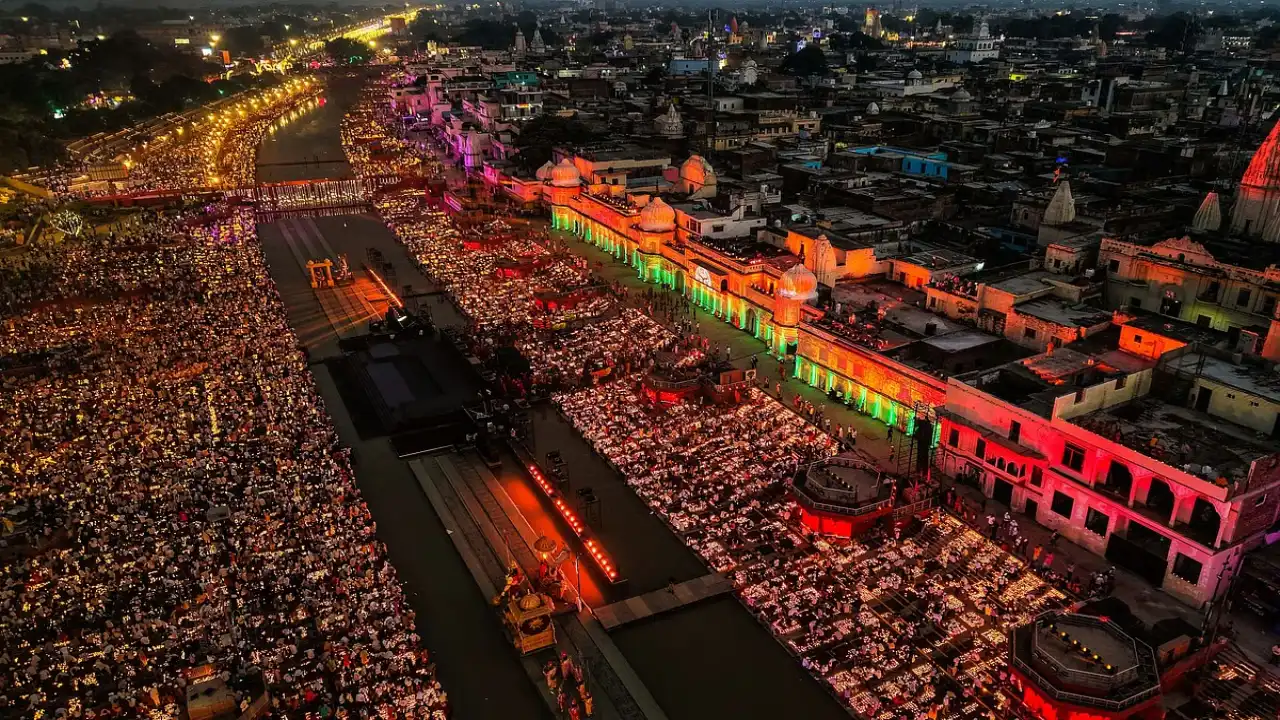
India has plenty of places to enjoy these festivals, and you get a good dose of local culture along the way.
1. Ayodhya, Uttar Pradesh
Ayodhya is closely tied to Lord Rama, so it’s a top pick for Diwali. Visit the temples, soak in the religious atmosphere and see the festive decorations.
2. Jaipur, Rajasthan
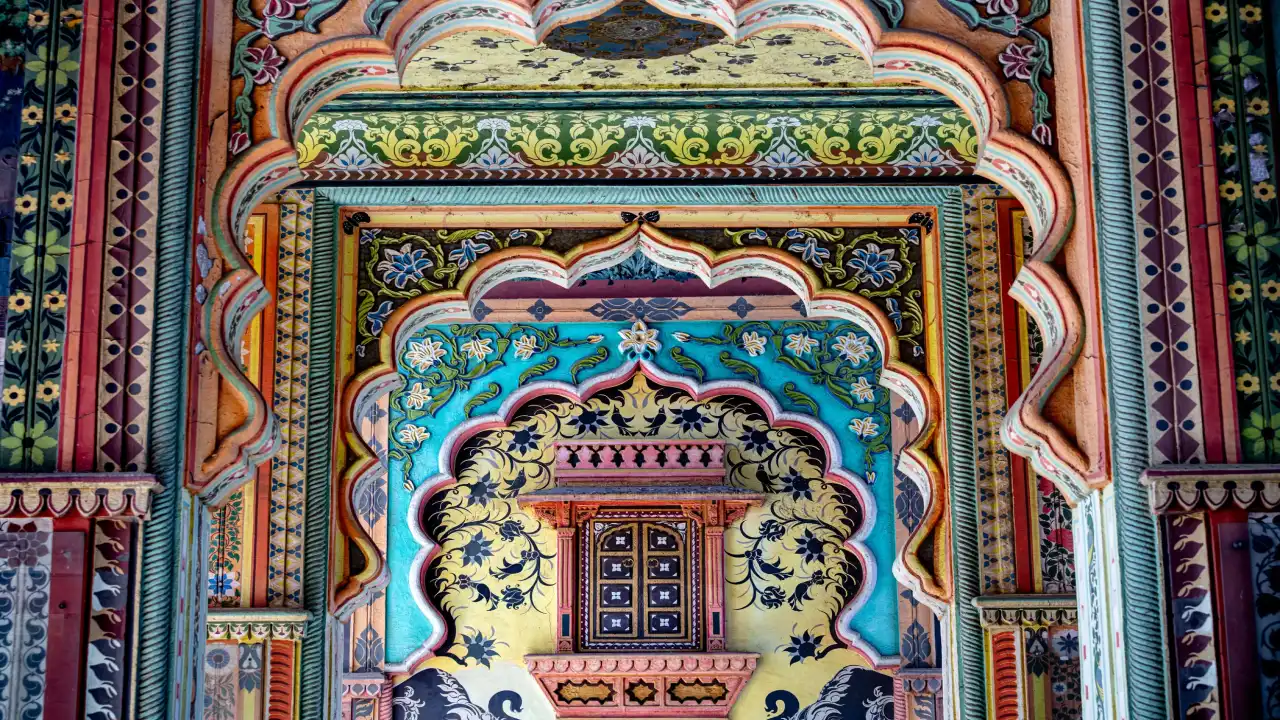
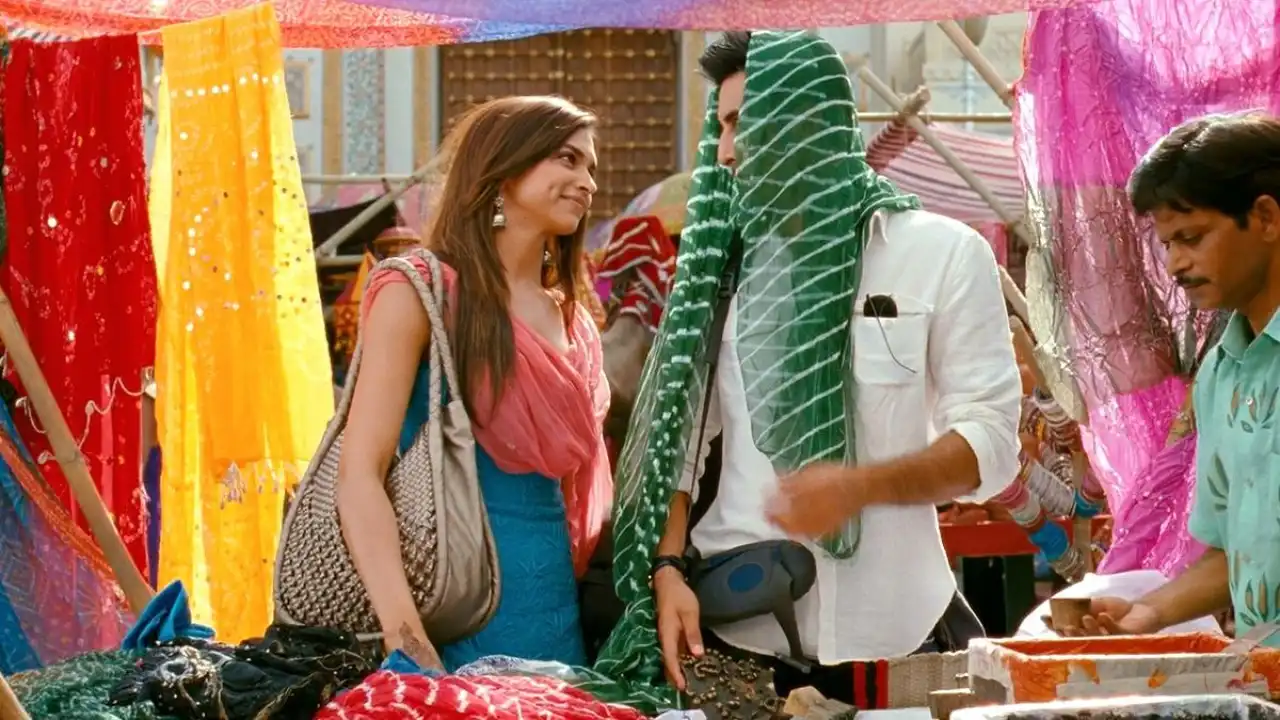
Jaipur is known for its lit-up markets and decorated streets. Great for festive shopping. Wander through the old bazaars, eat the local food and enjoy the noise and buzz.
3. Delhi
Delhi has a bit of everything, old and new. Markets are packed with sweets, gifts and decorations, and neighbourhoods glow with colourful lights.
4. Varanasi, Uttar Pradesh
Varanasi is the number one spot for Dev Deepawali. Thousands of lamps light up the ghats, and prayers carry on along the Ganga.
5. Haridwar, Uttarakhand
Haridwar feels calm and spiritual, and the Ganga Aarti at Har Ki Pauri is the big draw. Good pick if you like temples and religious traditions.
6. Ujjain, Madhya Pradesh
Ujjain is a major pilgrimage town, known for the Mahakaleshwar Jyotirlinga Temple. Explore its religious heritage and indulge in the spiritual mood.
Pro Tip: Pick Ayodhya or Jaipur for Diwali, and Varanasi for the riverfront magic of Dev Deepawali.
Do read: Diwali Family Getaways That Create Better Memories Than Another House Party
Conclusion
Diwali and Dev Deepawali both celebrate light, faith and good winning over evil. But they’re different in meaning, dates and the way people celebrate. Diwali is celebrated everywhere in India, with family time and festive decorations. Dev Deepawali is best known for Varanasi’s glowing ghats and prayers by the river. Pick either one, and you get a real view of India’s culture and spiritual side.
Travel Tips for Planning Your Festival Trip
Festival travel is fun, but it gets crowded fast. A little planning saves a lot of trouble.
- Book early: Sort your stay and transport well in advance.
- Check event timings: Confirm temple timings and local event plans.
- Plan local transport: Packed streets and road closures can slow you down.
- Wear comfortable footwear: You’ll be walking for hours through markets, temples and ghats.
- Carry essentials: ID, medicines and a charged phone.
- Respect local customs: Follow temple rules and keep public places clean.
Travelling with family? Have a look at packages from Travel Junky. It covers hotels, sightseeing and local transport, so you can just enjoy the trip.