Why Varanasi Is the City of Music: History, Places and Traditions
Introduction
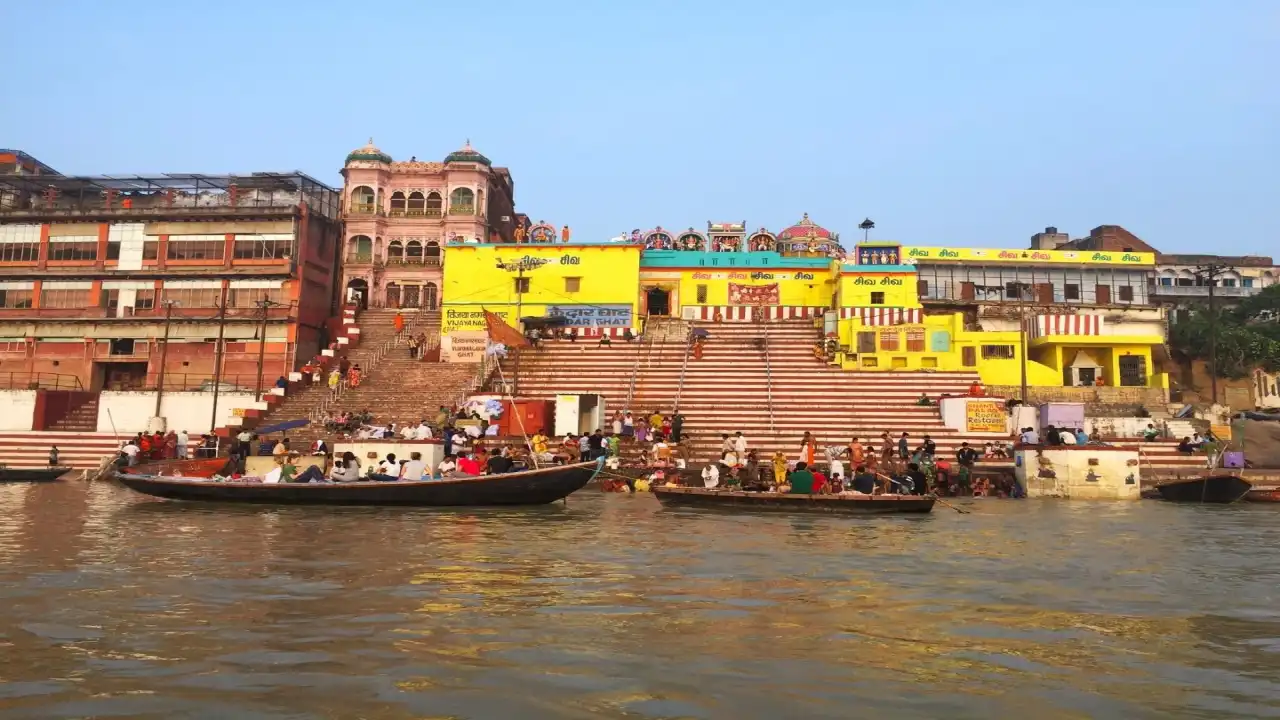
Ask anyone about Varanasi and they’ll say temples, ghats, the Ganga. It's true but there’s music here too, and it finds you before you go looking for it: a temple bell from somewhere. Chanting coming out of a lane you can’t even see. Maybe a student doing riyaaz behind a shut door, the same few notes again and again until they get it right. Kashi has had music in daily life for generations.
The Varanasi City of Music name didn’t come from one person or one era. It comes from a long chain of musicians, teachers and performers who kept India’s music going, year after year. Assi Ghat, Sankat Mochan Temple, Banaras Hindu University. Each one is a different way in. In 2015, UNESCO called Varanasi a Creative City of Music. So if ticking off sights gets boring for you, the festivals, institutions and religious traditions here take you a bit deeper into the city’s artistic side.
How Did Varanasi Become a City of Music?
It sure didn’t happen fast. This took centuries. Religion played a part, so did cultural gatherings, and so did an amount of daily hard work from artists who sat and practised when nobody was watching. Slowly, music got woven into temple ceremonies, festivals and normal community life.
Then there’s the Guru-Shishya Parampara. The student learns straight from the teacher. Practises every day. Gets corrected on the spot. No shortcuts here. Varanasi Classical Music belongs to the Hindustani tradition of North India. The city has given us singing, instrumental playing, and semi-classical forms like thumri.
A few names you should know:
- Ustad Bismillah Khan: The shehnai maestro. He’s the reason the instrument reached the classical concert stage.
- Girija Devi: A well-known vocalist. People mostly remember her for thumri and other semi-classical forms.
- Pandit Ravi Shankar: A sitar legend. He carried Indian classical music to listeners across the world, and he had real ties to Varanasi.
Then add all the local artists you’ll likely never hear of. Together, that’s how the city became a major centre for Indian music.
Famous Places to Experience the Musical Side of Varanasi
Sankat Mochan Temple
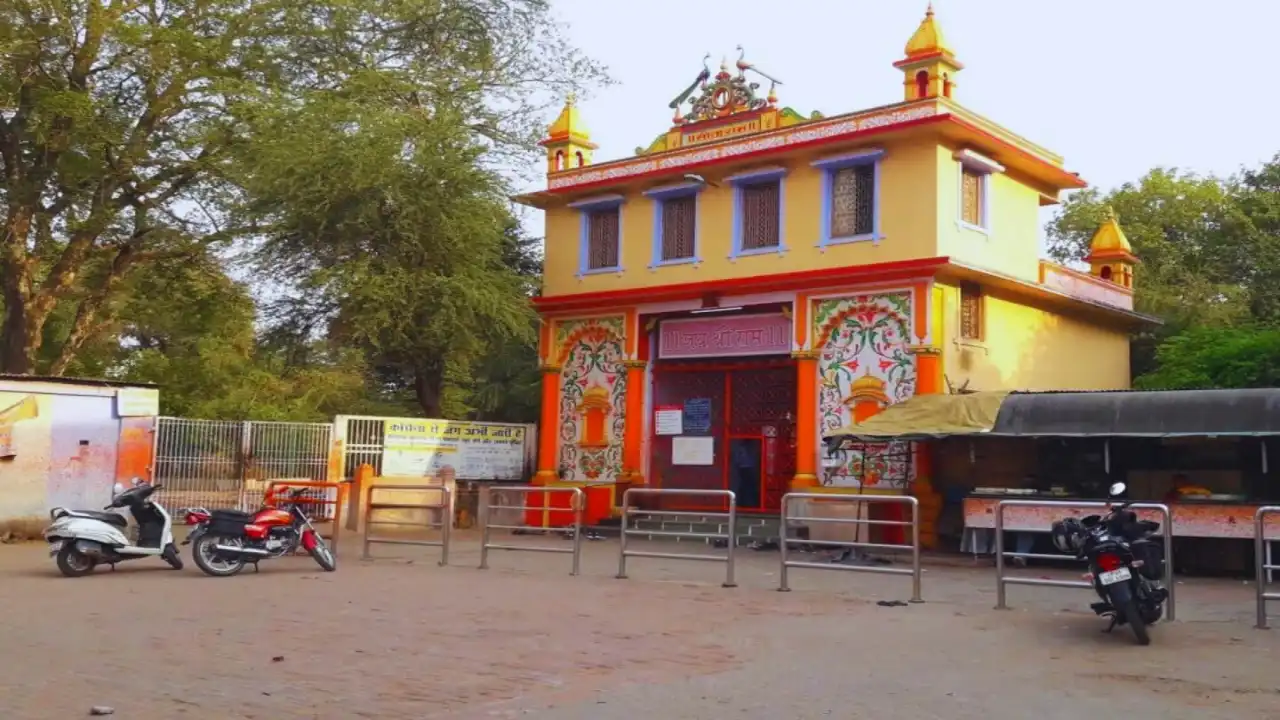
The temple is dedicated to Lord Hanuman, and most people show up for faith first. Then every year there’s the Sankat Mochan Sangeet Samaroh, where classical musicians and dancers perform in a devotional setting.
Highlights:
- Classical music and dance shows during the festival
- Take a slow walk around the temple and learn about its religious traditions
- Look up the yearly programme before you plan anything
Assi Ghat
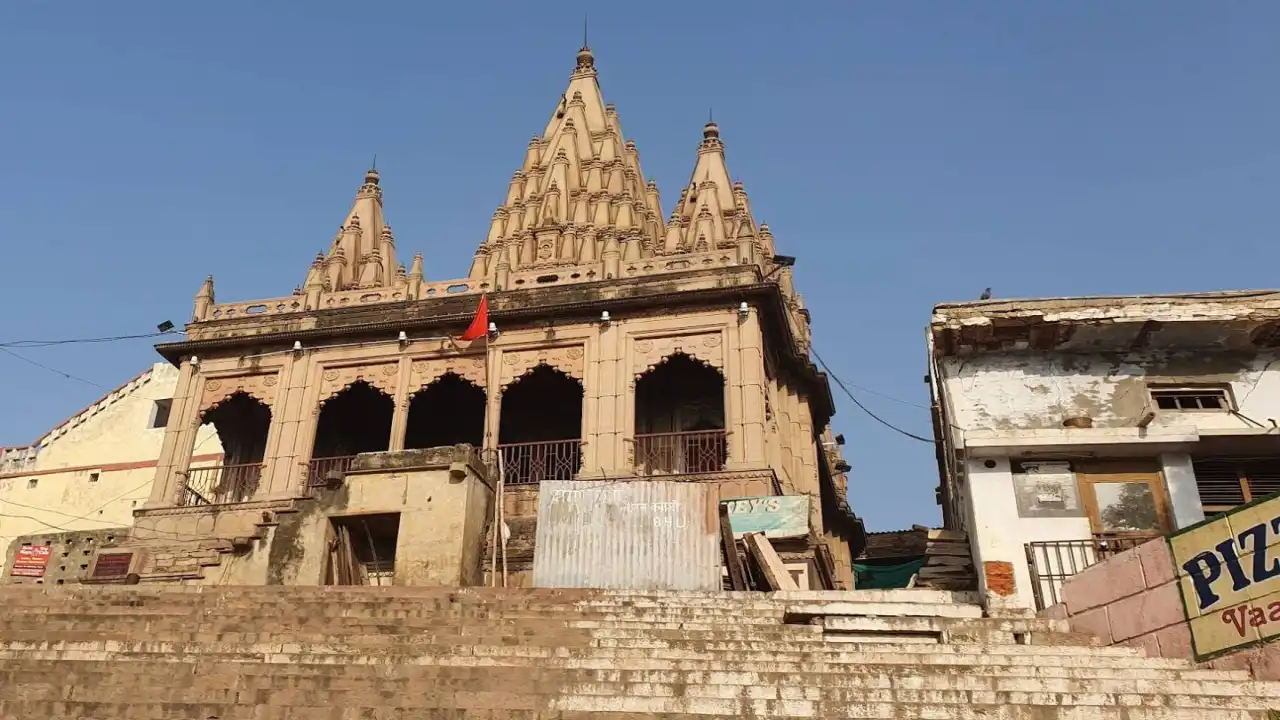
Assi Ghat is a favourite spot on the river. Mornings get busy fast, with people gathering, prayers going on, and cultural programmes here and there. The Subah-e-Banaras initiative has featured activities such as devotional music and yoga, depending on the schedule.
Highlights:
- The easy, slow morning feel beside the Ganga
- Cultural and music programmes, if they’re announced
- Nearby cafés and small streets, nice for wandering without a plan
Banaras Hindu University
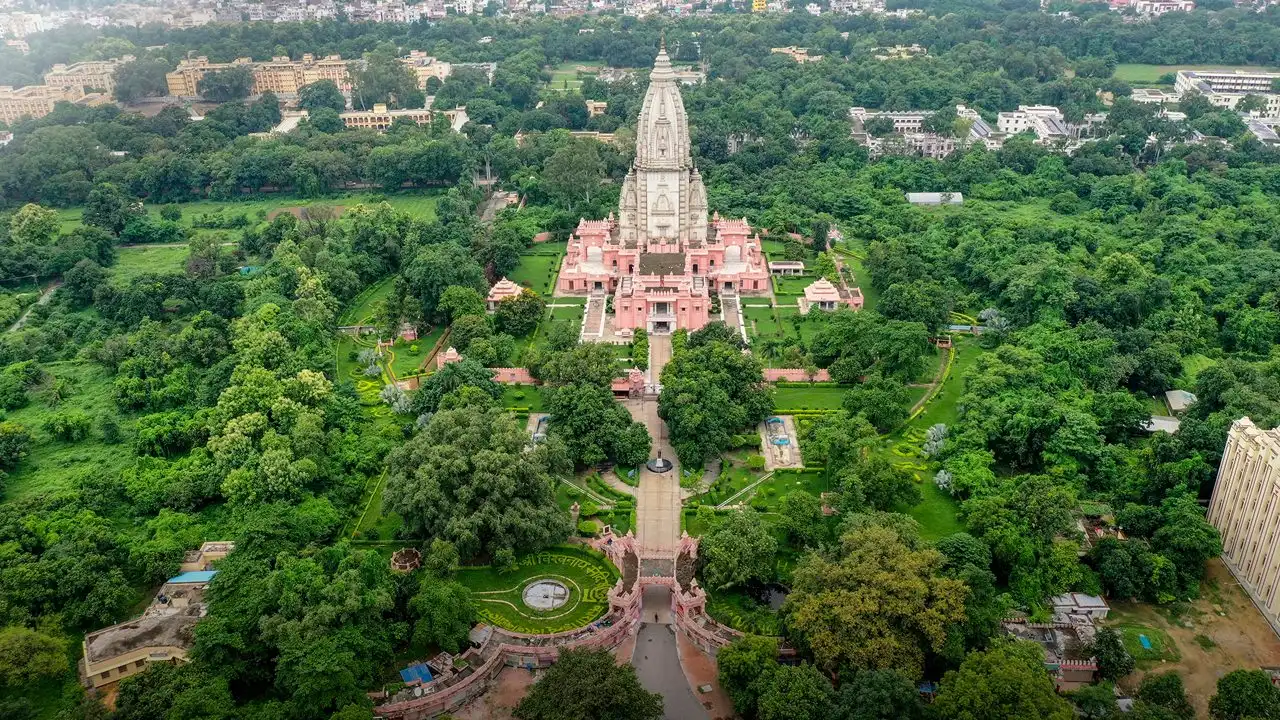
Banaras Hindu University (BHU) is part of the music story through its Faculty of Performing Arts and other cultural activities. You see how Indian music is taught, studied and passed down. Not only performed.
Highlights:
- Walk around the campus. It’s a big one
- Public music performances and cultural events, if any
- See how Indian performing arts are taught in a formal way
Confirm campus access and event details before you go. Just to be safe.
Dashashwamedh Ghat
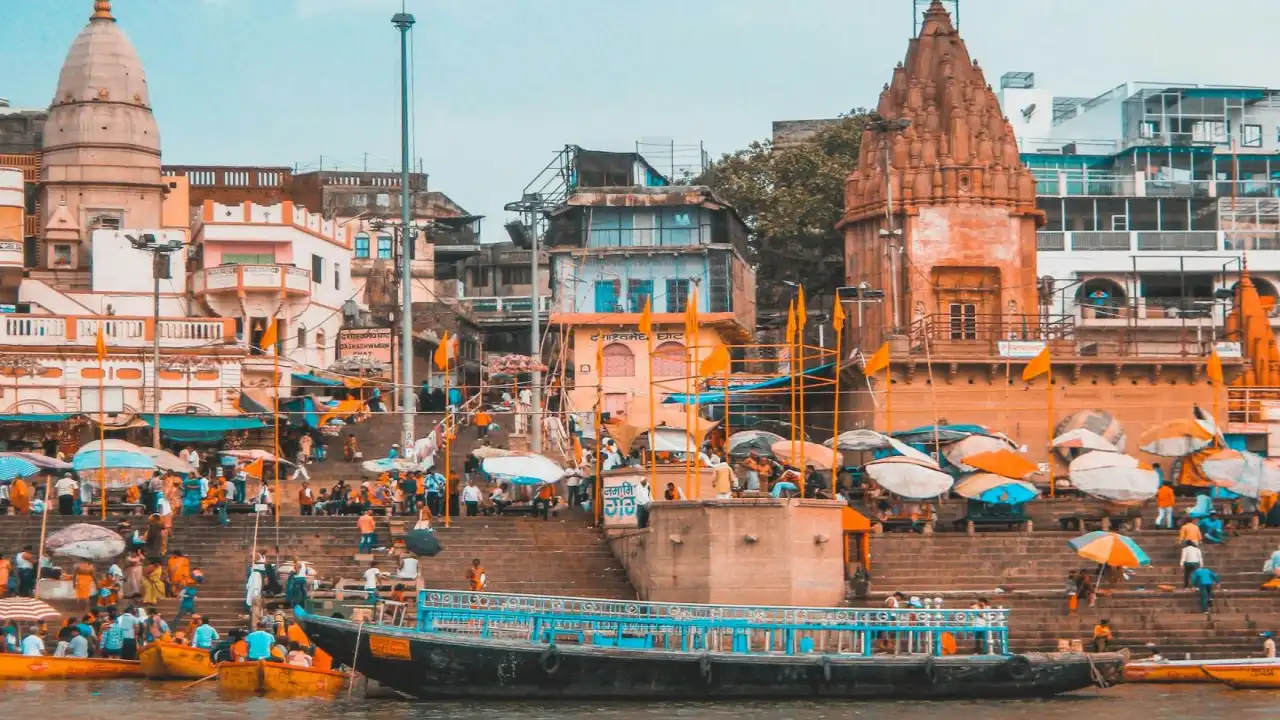
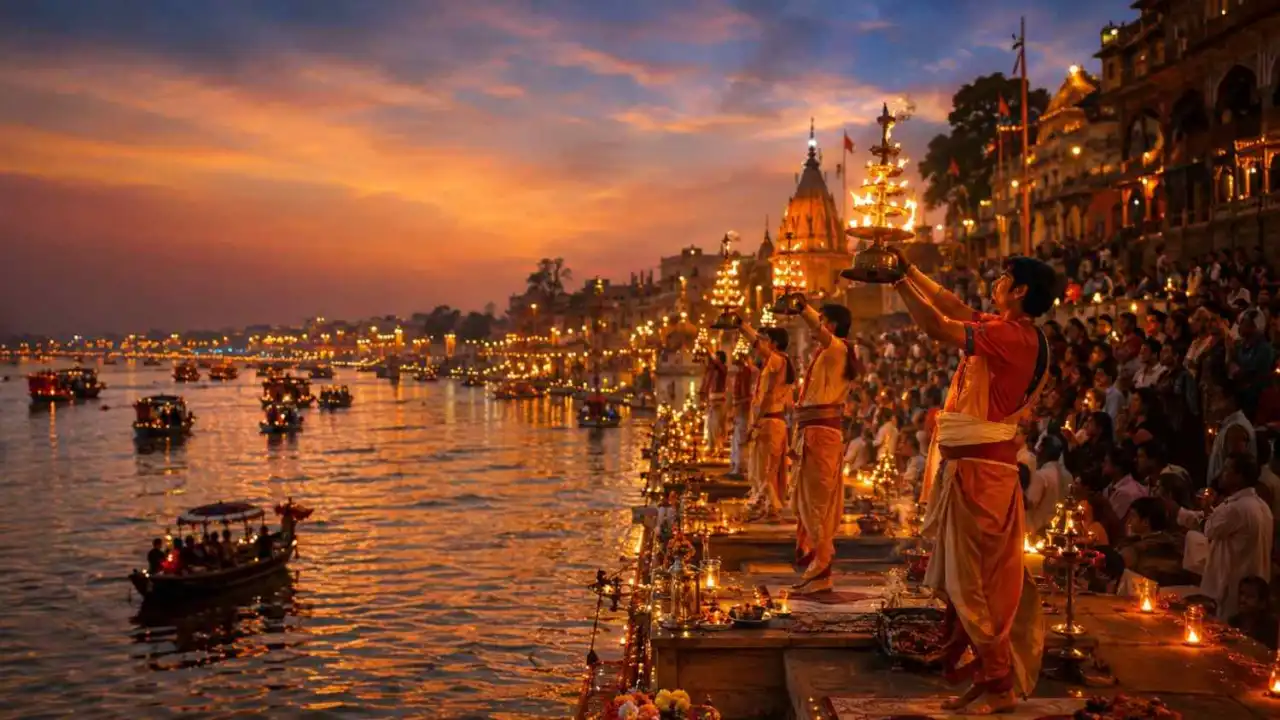
Known for the evening Ganga Aarti. Lamps, chants, bells, everything happening at the same time. Honestly, it shows you how much sound matters in religious life here.
Highlights:
- The evening Ganga Aarti
- That devotional feel along the river
- Reach early. Good viewing spots disappear quickly
Bharat Kala Bhavan
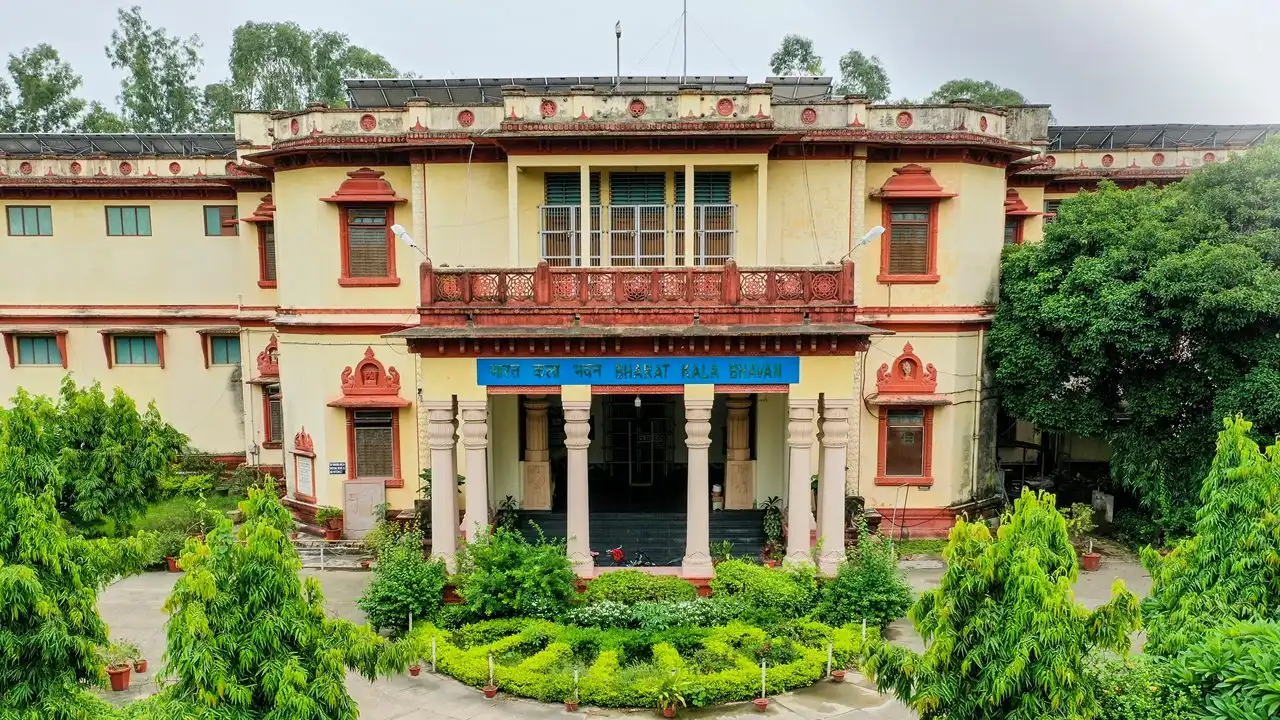
It’s inside BHU. A museum with Indian paintings, sculptures, textiles and old historical objects. It isn’t a music venue, so no concerts. But it gives you the wider picture of Varanasi’s art traditions, and the music makes more sense after.
Highlights:
- Collections of Indian art and historical objects
- The artistic history of the region
- Easy to add on with other places around BHU
- Check opening hours before heading over
Kashi Vishwanath Temple
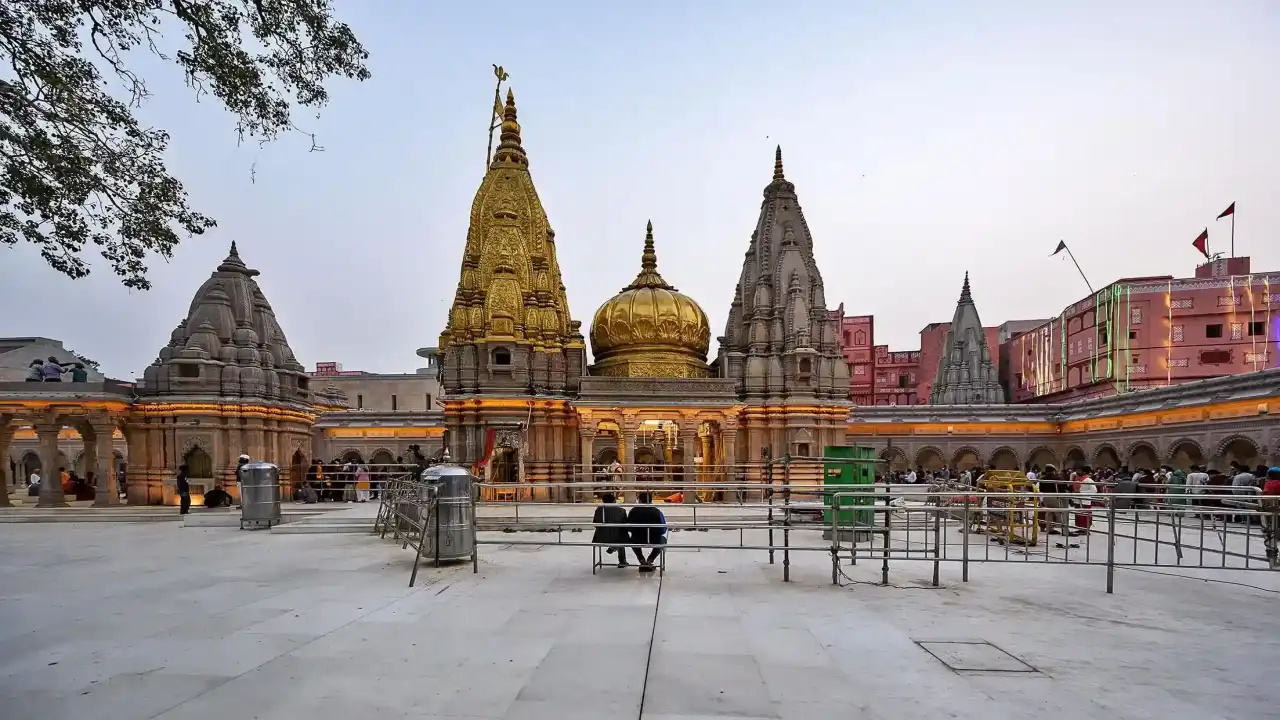
Dedicated to Lord Shiva. One of the most important religious landmarks in Varanasi. The chants and ritual sounds inside show how worship and music are mixed here, and honestly, you can’t separate them.
Highlights:
- One of Varanasi’s biggest spiritual landmarks
- The religious traditions around the temple
- The old-city lanes nearby. Narrow, loud, a bit chaotic, worth exploring
- Check current darshan timings, security rules and entry requirements before you arrive
Ganga River and Its Ghats
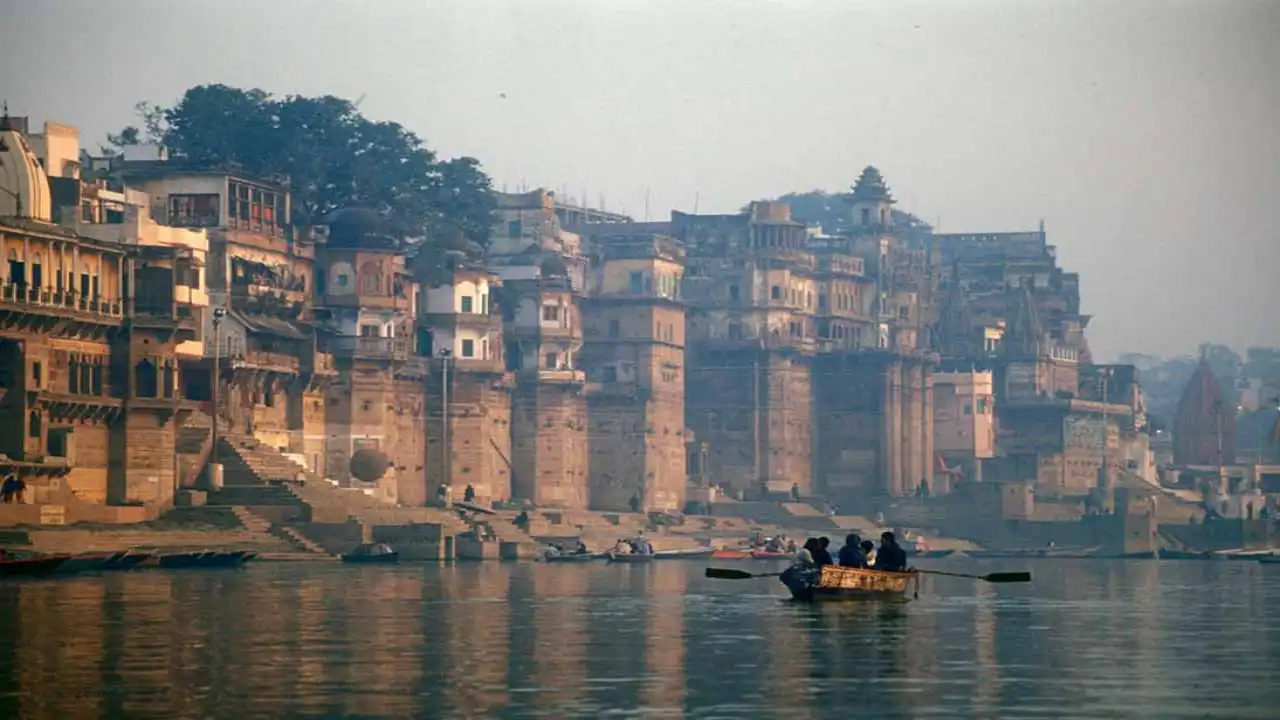
The riverfront shows more of Varanasi’s cultural life than any single temple. Take a morning boat ride and watch the ghats wake up slowly. Pilgrims, worshippers and locals start their day around you. Depending on where you are and the time, you may hear devotional singing or encounter cultural activities.
Highlights:
- A morning boat ride with a reputable operator
- Everyday life along the ghats
- Views of the historic riverfront
Live music isn’t guaranteed. Think of it as a cultural experience, not a scheduled concert.
Varanasi’s Cultural Heritage and Musical Festivals
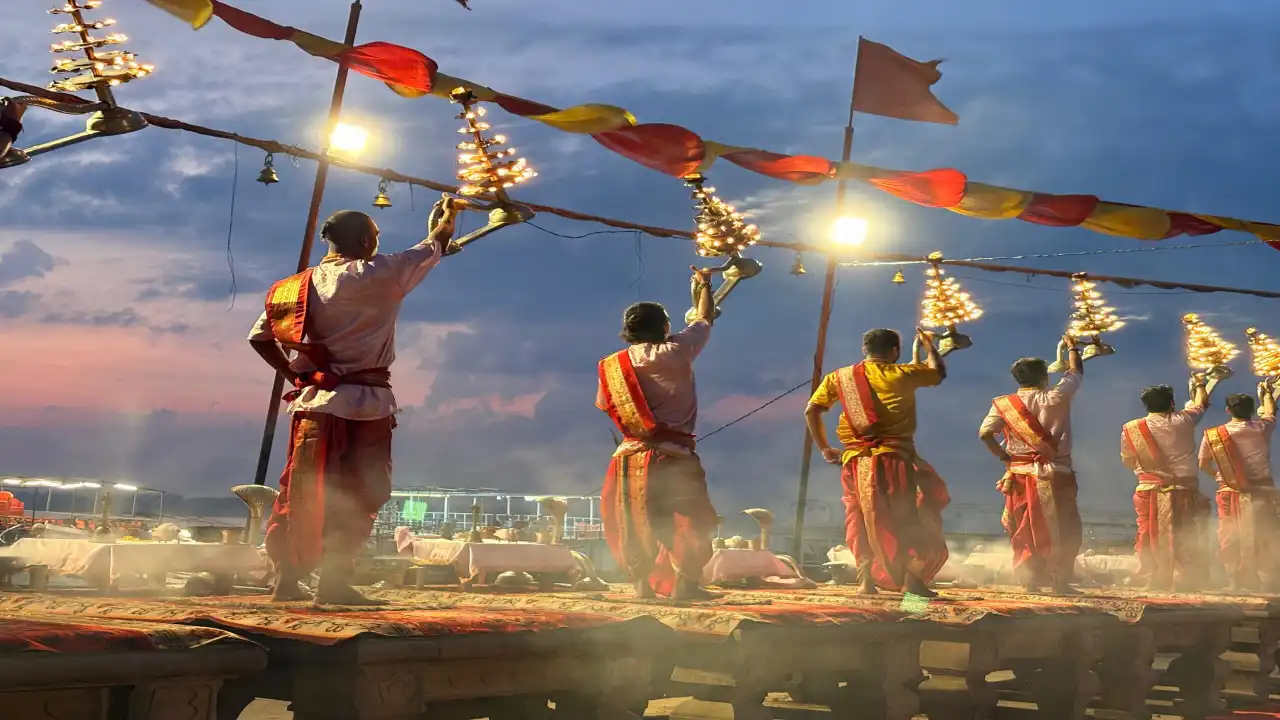
Varanasi Cultural Heritage is a mix of things: classical music, devotional singing, dance, traditional crafts and religious celebrations. It still matters because it connects one generation to the next, and keeps local art forms alive and in front of people.
A few events worth looking up:
- Sankat Mochan Sangeet Samaroh: A big gathering for classical music and dance.
- Subah-e-Banaras: A morning cultural initiative linked with Assi Ghat.
- Budwa Mangal: A traditional festival tied to the city’s cultural and performance history.
- Ramlila celebrations: Religious performances that bring acting, music and storytelling together.
UNESCO’s 2015 recognition of Varanasi as a Creative City of Music shows how much the city has given to music, and why these traditions need to be protected. Dates and programmes change every year, so check official announcements before you travel.
Best Time to Experience Music in Varanasi
Any time of year works. But the weather and the event calendar can change your trip more than you’d think.
- October to March: Comfortable weather. Good for sightseeing and walking the ghats.
- April: The Sankat Mochan Sangeet Samaroh may fall around Hanuman Jayanti, depending on that year’s schedule.
- Festival periods: Go then if you want cultural celebrations and special performances.
- Weekdays: Better for museums, temples and the university area, as long as they’re open.
Pro tip: If one music festival is the main reason for your trip, fix its dates first. Book your stay and transport after that.
Planning a Trip to Varanasi with Travel Junky
A Varanasi trip can mix music festivals, temple visits, riverfront time and local sightseeing. Travel Junky can help you check itinerary options that suit your interests, budget and travel dates. Want to see more of the region? Look at a Domestic trip package too, depending on how much time you have. And if the trip is mainly about music, keep some free time in your plan. You’ll be able to catch confirmed performances and see the city’s cultural spaces without rushing around.
Conclusion
Varanasi’s musical reputation comes from generations of musicians, traditional teaching methods, cultural festivals, and music being part of everyday life here. The UNESCO recognition shows why these traditions are worth protecting for the future. Classical performances at Sankat Mochan Temple. Cultural activities around Assi Ghat. Music education at Banaras Hindu University. The city gives you a lot of ways in. Plan carefully, get some help from Travel Junky, and you’ll see a side of Varanasi that goes past regular sightseeing. You’ll also get why music still matters so much to its culture.
Travel Tips for Exploring Varanasi’s Music Scene
- Check schedules: Dates, entry rules and venue details can change, so confirm before you go.
- Respect local customs: Follow temple rules. Don’t disturb people who are praying.
- Check recording rules: Ask first, then click photos or record.
- Wear comfortable shoes: You’ll walk a lot, and the ghats have plenty of steps.
- Keep your itinerary flexible: Leave space for cultural events and last-minute changes.