Why Does Dussehra Look Completely Different Across India?
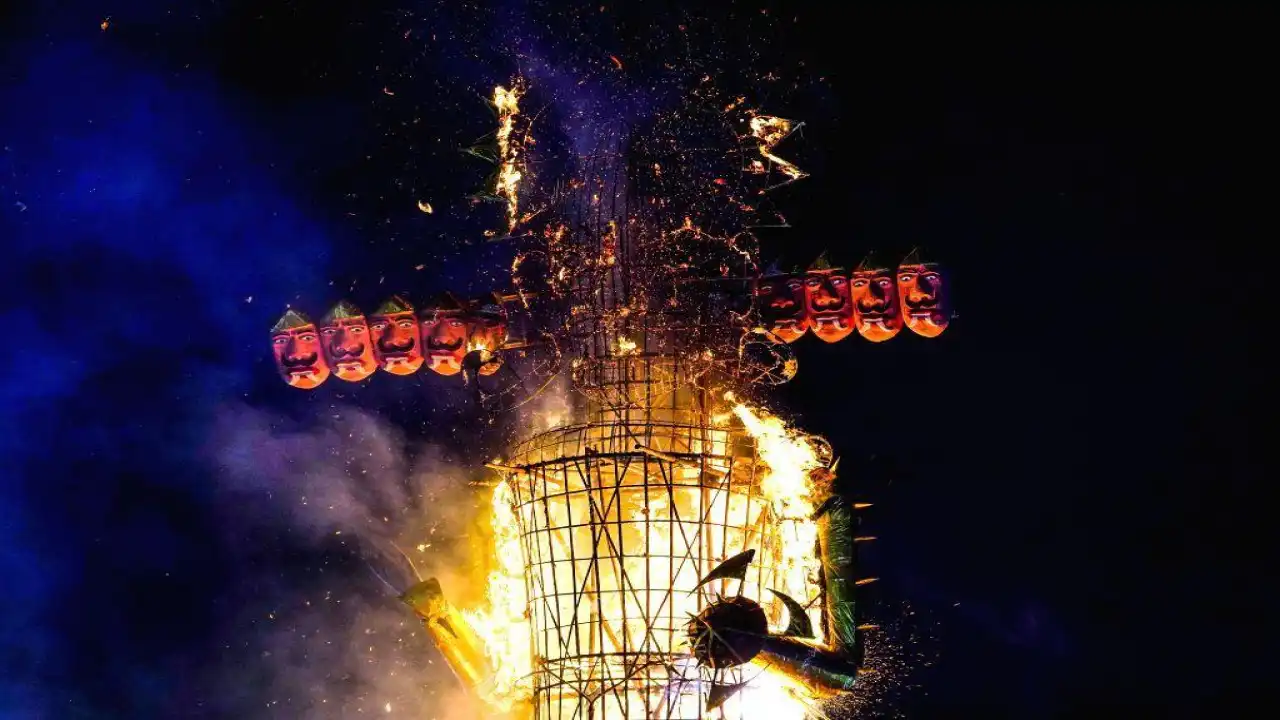
Here's the thing about Dussehra: it's not really "one" festival. If you are somewhere in India at this time, you will have a whole different experience. Delhi on a grand scale: Ravan Dahan. Mysuru does this whole royal Dasara thing. And in Kolkata? It is essentially a combination of both Durga Puja and Vijaya Dashami.
Dussehra in India is not one fixed celebration. The idea remains consistent: the good overcomes the evil. However, the way people actually celebrate it, the narratives they share, the rituals they practice are a whole other story that varies quite significantly from state to state.
Why Does Dussehra Change From Region To Region?
Honestly, it comes down to history. Every region in India has its own mythology, its own local customs, its own way of doing things. Up north, everyone's focused on Rama beating Ravana. But head east or south and suddenly Goddess Durga's victory over Mahishasura takes centre stage. Local history plays a huge part too. Mysuru's version is shaped by old royal traditions, while Bastar's celebrations come straight out of tribal customs that go back generations.
Delhi: Ravan Dahan And Ram Lila
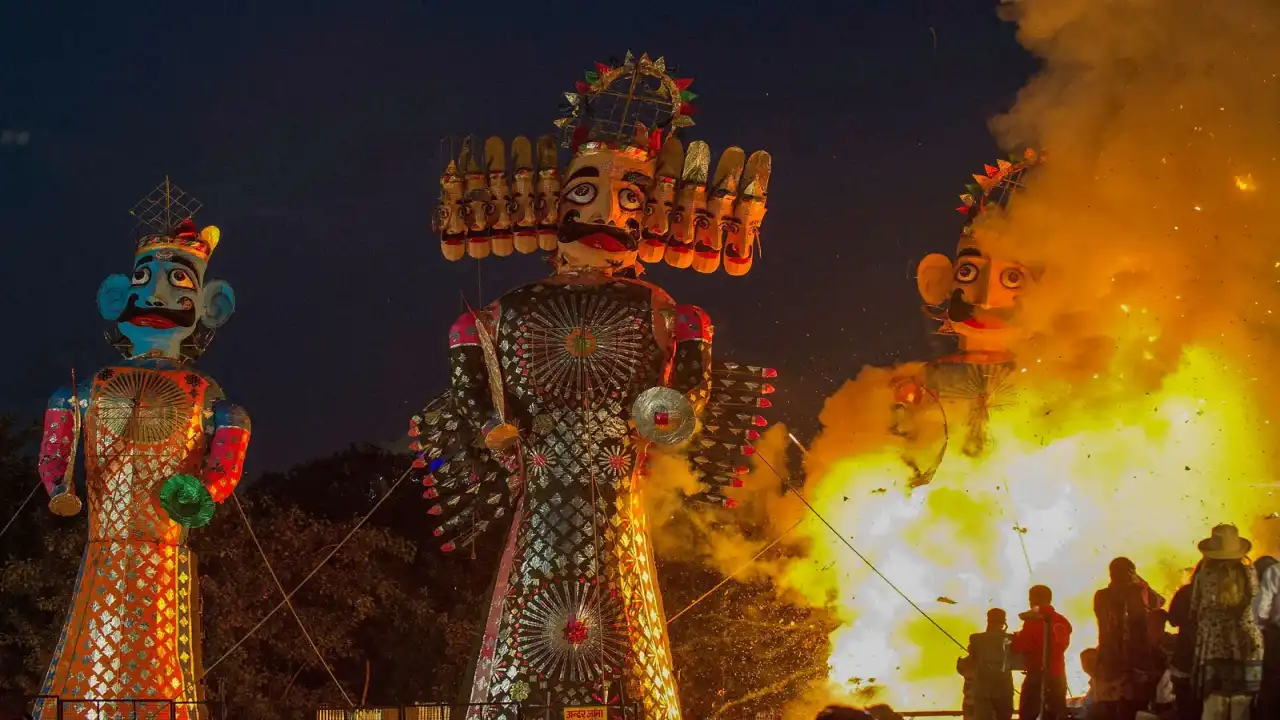
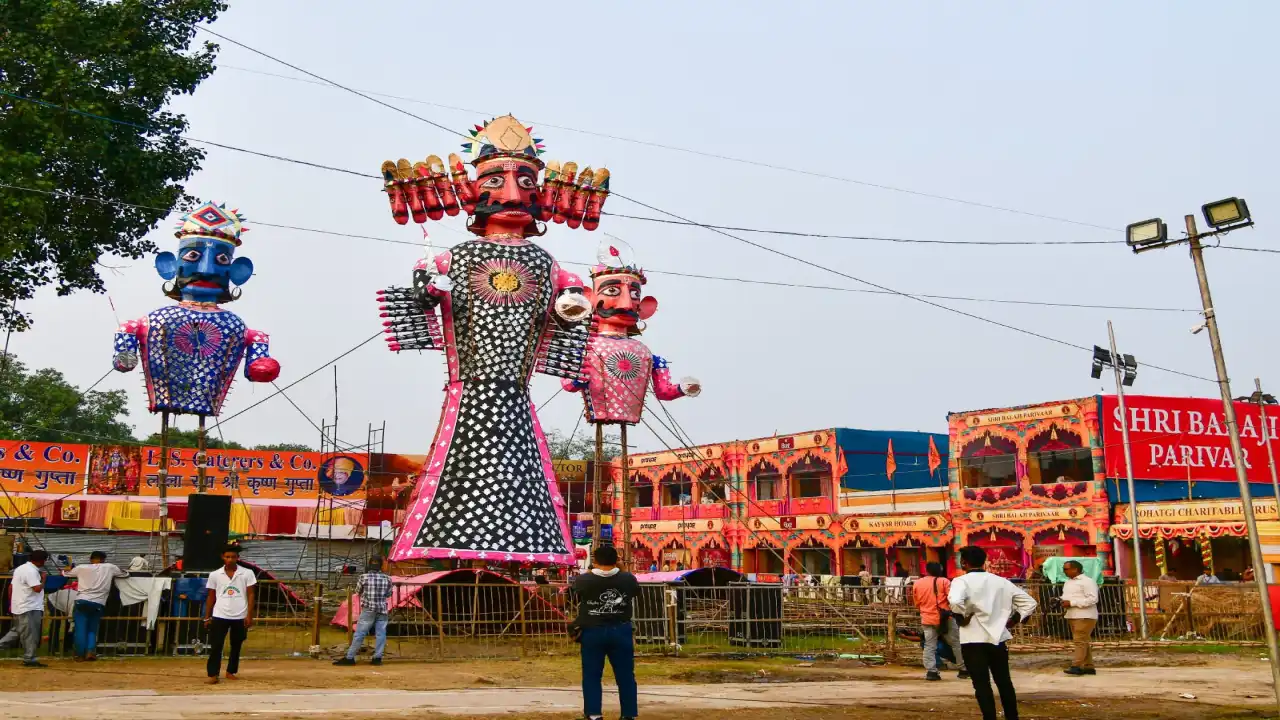
Delhi gives you the classic North Indian Dussehra experience. Ram Lila shows run for days: actors, costumes, the whole show, before massive effigies of Ravana, Meghnad, and Kumbhkaran go up in flames.
What To See
- Ram Lila performances
- Ravan Dahan
- Large festive grounds
- Food stalls and fairs
- Cultural programmes and fireworks
Theatrical storytelling is a major part of the experience, making the final evening a large community event.
Mysuru: A Royal Celebration
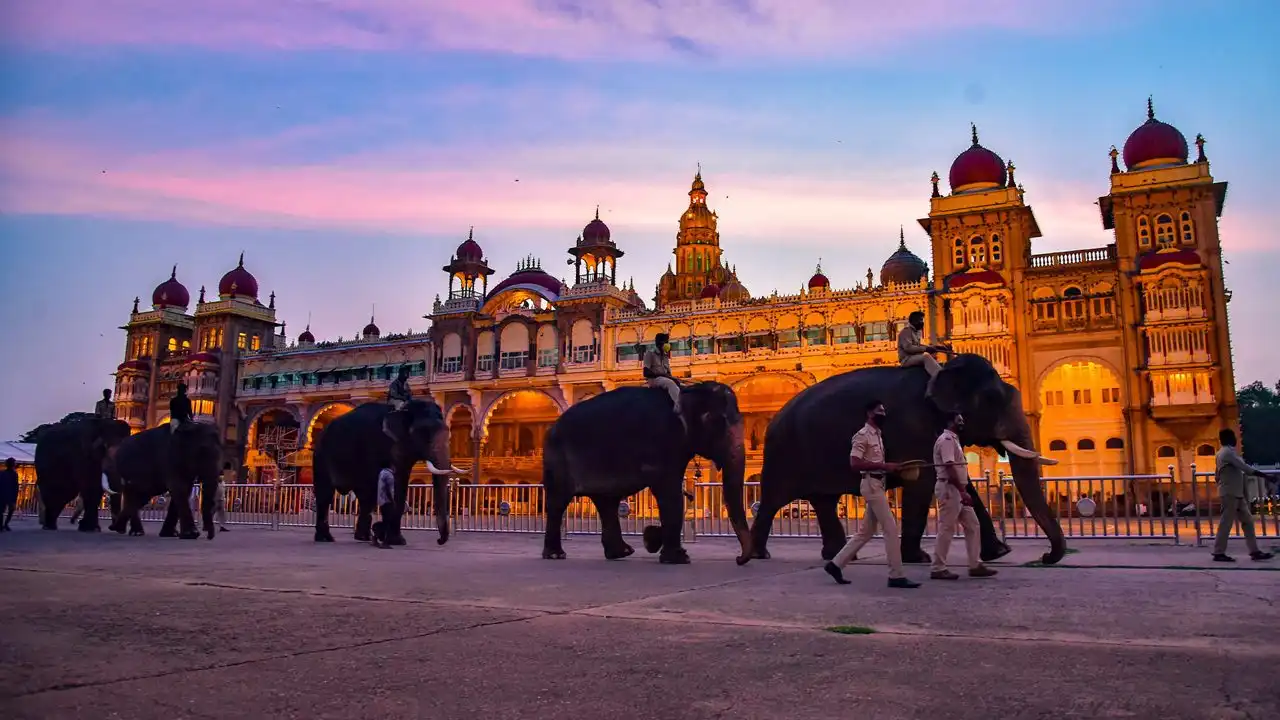
Mysuru Dasara is on a whole different level. It's tied to the city's royal past and to Goddess Chamundeshwari, and everything about it feels grand: the processions, the lights, the pageantry.
What To See
- Illuminated Mysuru Palace
- Jamboo Savari procession
- Decorated elephants
- Traditional music and performances
- Cultural exhibitions
It's nothing like the Ravan Dahan you'd catch in Delhi. It's a completely different vibe.
Kullu: A Gathering Of Local Deities
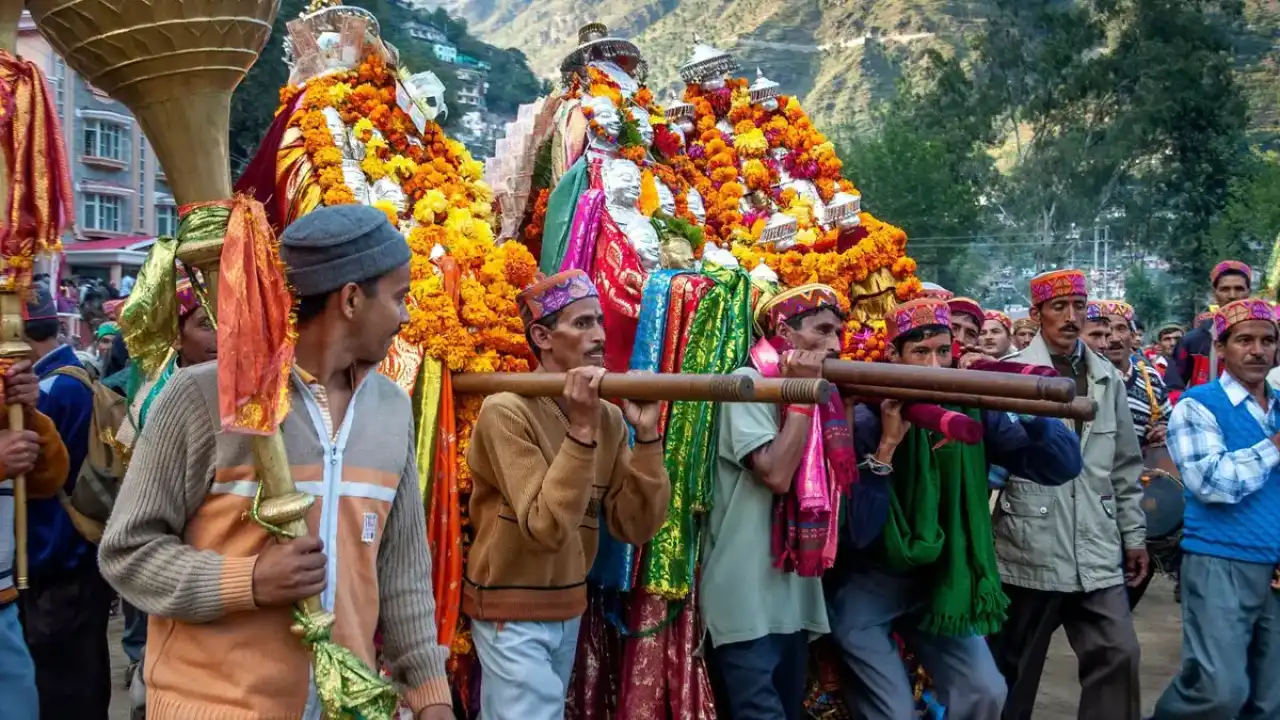
Kullu does its own thing entirely. Local deities from nearby villages are brought together, and the whole valley turns into one big religious gathering.
What To Experience
- Local deity processions
- Traditional music
- Religious gatherings
- Cultural performances
- Festive markets
While Dussehra celebrations in India wrap up elsewhere, Kullu just keeps going. The celebrations here continue even after the festival has technically ended in other parts of the country.
Pro Tip: Get to the main areas early. Once the big processions start, the crowds get thick fast.
Do read: Dussehra in Kullu: A Surreal Experience You Were Missing Out On
Kolkata: Vijaya Dashami And Durga Puja
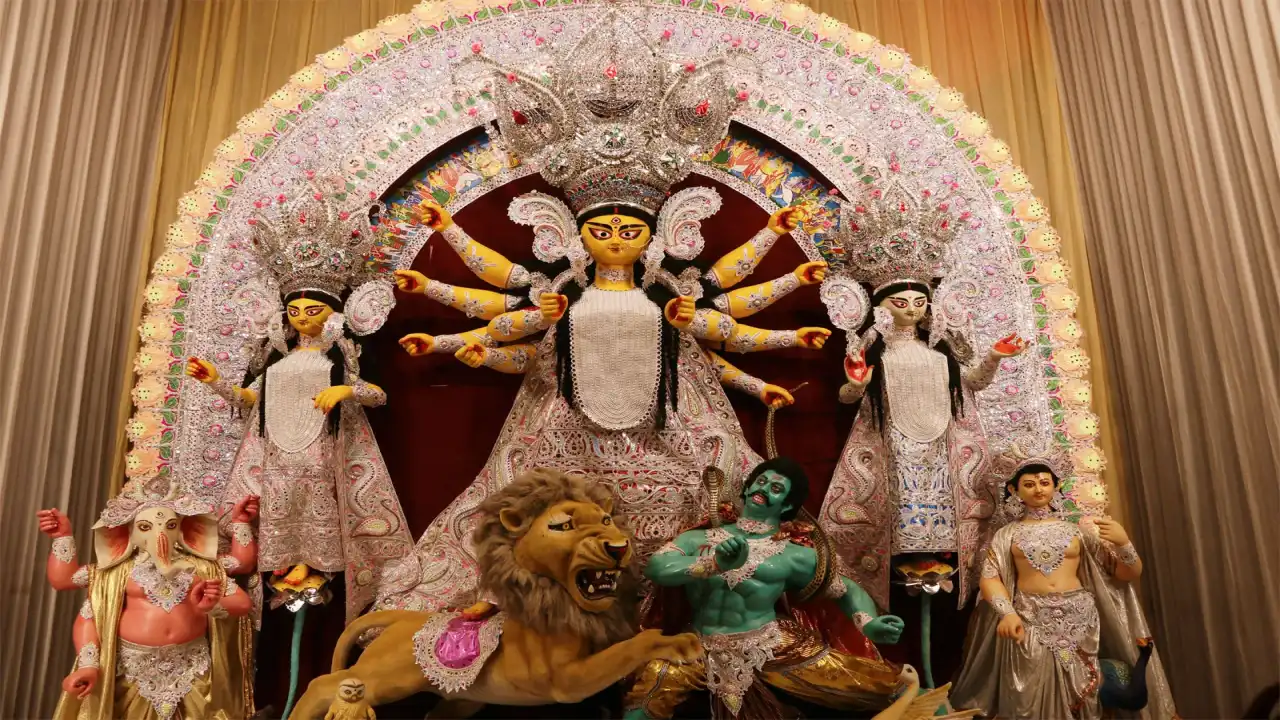
In Kolkata, the festive period is closely connected with Durga Puja. The focus is on Goddess Durga's victory over Mahishasura.
What To Experience
- Elaborate Durga idols
- Decorative pandals
- Vijaya Dashami processions
- Idol immersion
- Music and traditional celebrations
This makes Kolkata's festival atmosphere very different from Delhi's Ravan Dahan.
Bastar: Dussehra Without Ravana
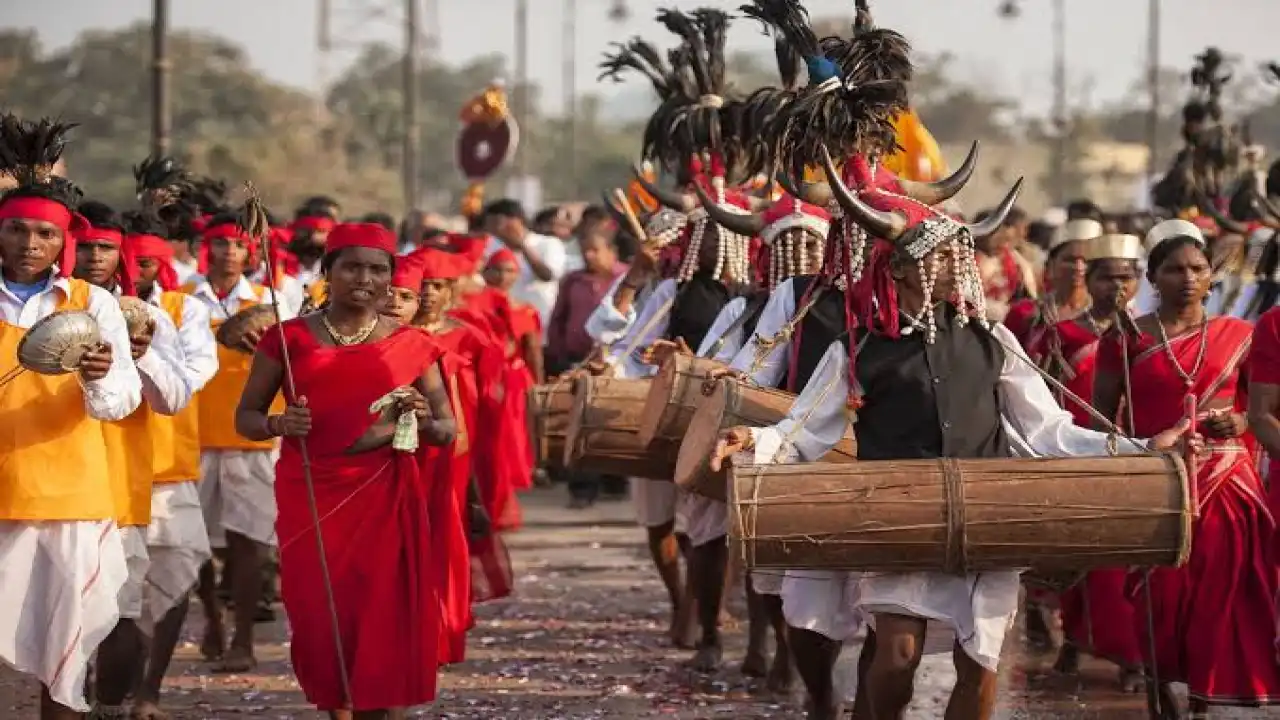
Bastar offers one of India's most unusual versions of the festival. Ravana burning is not the centre of the celebration. Instead, the festival is closely connected with Maa Danteshwari, local deities and tribal traditions.
What Makes It Different?
- No Ravana effigy burning
- Maa Danteshwari worship
- Traditional chariot rituals
- Local deity gatherings
- Tribal customs and ceremonies
The wider Bastar festival tradition lasts around 75 days, making it much longer than the usual Dussehra celebrations.
Vijayawada: A Goddess-Centred Festival
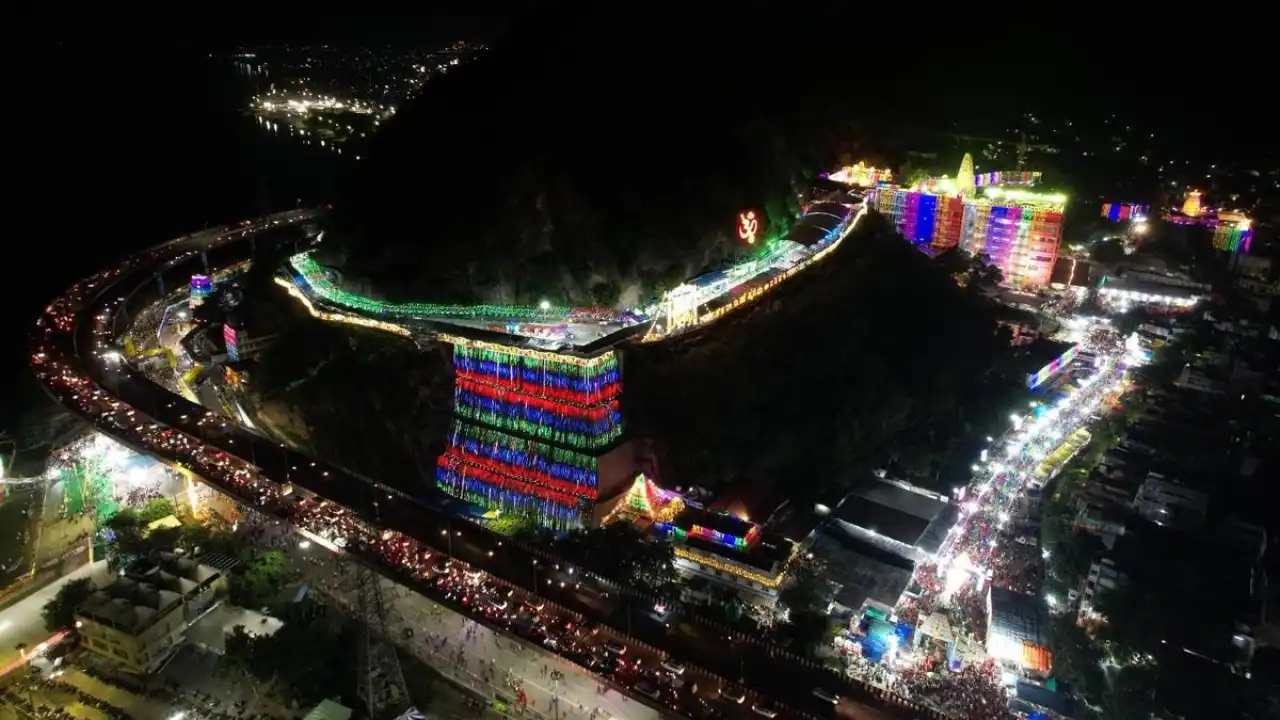
Vijayawada keeps things temple-focused. The Kanaka Durga Temple becomes the heart of everything, and Goddess Durga is worshipped in different forms during the festive period.
What To Experience
- Kanaka Durga Temple
- Different forms of Goddess Durga
- Vijayadashami rituals
- Religious processions
- Temple celebrations
It's quieter, more ritual-heavy, less spectacle, more devotion, if that makes sense.
Gujarat: The Navratri Connection
Gujarat brings a strong dance and community element to the festive season. Garba and dandiya are major attractions during the nine nights leading up to Vijayadashami.
What To Experience
- Garba nights
- Dandiya events
- Traditional clothing
- Live music
- Community celebrations
Forget burning effigies; here it's all about dancing, dressing up, and just being with people.
Dussehra Celebrations Across India At A Glance
These Dussehra traditions in India show how local history and culture can completely change the appearance of the same festival.
Why Does Dussehra Look So Different Across India?
There is no single version of Dussehra because different regions have developed their own traditions over centuries. Delhi's got Ravan Dahan. Mysuru's got its royal procession. Kullu brings the local deities together. Kolkata leans into Durga's story. And Bastar just does its own tribal thing entirely.
The idea underneath stays the same: good wins, evil loses. But how each place tells that story? Completely different every time, which honestly is what makes traveling through India during Dussehra so interesting. Travel Junky helps travellers explore India's cultural festivals while combining them with local sightseeing and regional experiences.
Tips For Planning A Dussehra Trip
- Book hotels and transport early; things fill up fast this time of year
- Check the local festival calendar before you go
- Get to major procession areas early
- Build in extra time for crowds and traffic
- Follow local temple rules and photography restrictions
- Wear comfortable shoes
- Leave some room in your itinerary for surprises
If you want to stretch the trip a bit further, a Domestic tour package pairs nicely with the festive season forts, markets and cultural sightseeing.