Dussehra in Kullu: A Surreal Experience You Were Missing Out On
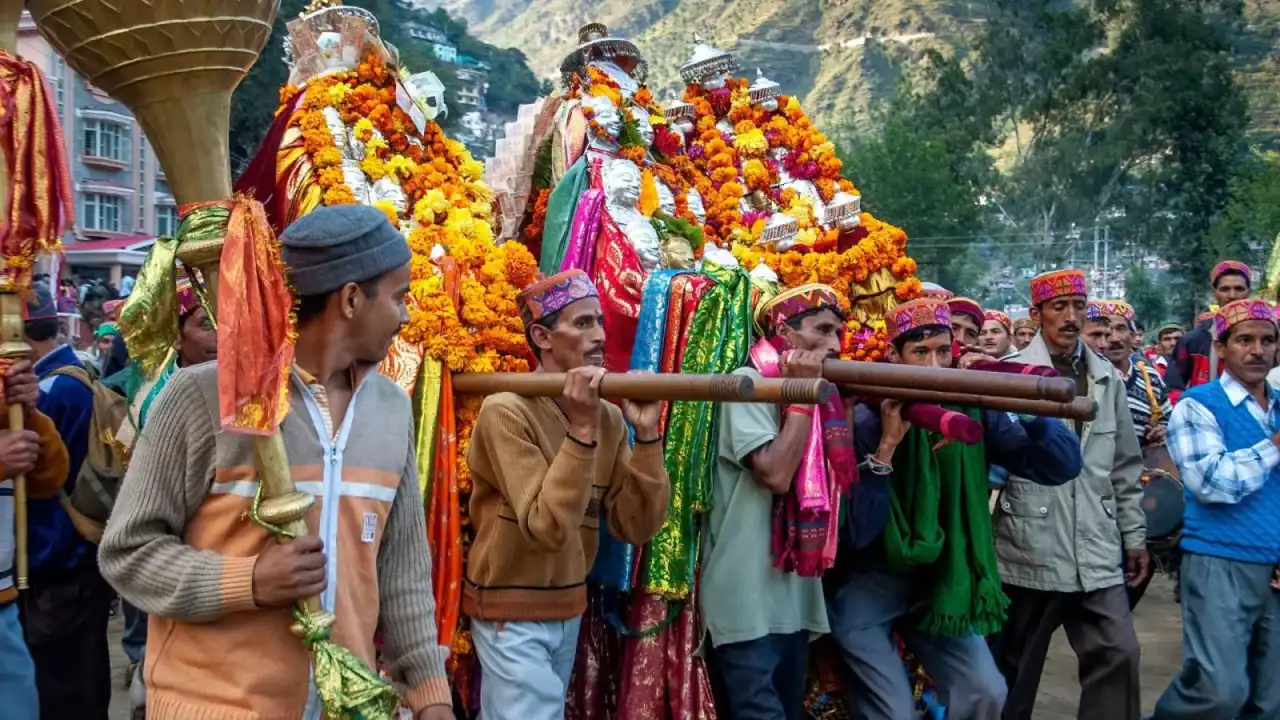
Everywhere else in India, Dussehra ends with a bonfire. Effigies of Ravana go up in flames, the crowd cheers, and by the next morning the festival is basically over. In Kullu, a small town wedged into a Himalayan valley in Himachal Pradesh, the sequence flips entirely. The day other regions are wrapping up, Kullu is just getting started, and the celebration runs for a full week after that. Nobody burns an effigy here. Instead, hundreds of local deities are carried down from villages scattered across the valley to pay respects to one particular god, and the whole thing turns into something closer to a divine convention than a festival. Anyone weighing a trip built around Dussehra in Kullu is essentially signing up for a version of the festival that exists nowhere else in the country.
This guide from Travel Junky covers where the tradition comes from, what actually happens across the seven days, how to get to the valley, and what to eat while there. Less brochure copy, more the stuff someone would want to know before booking a ticket.
What's the actual backstory behind all these gods showing up in one place?
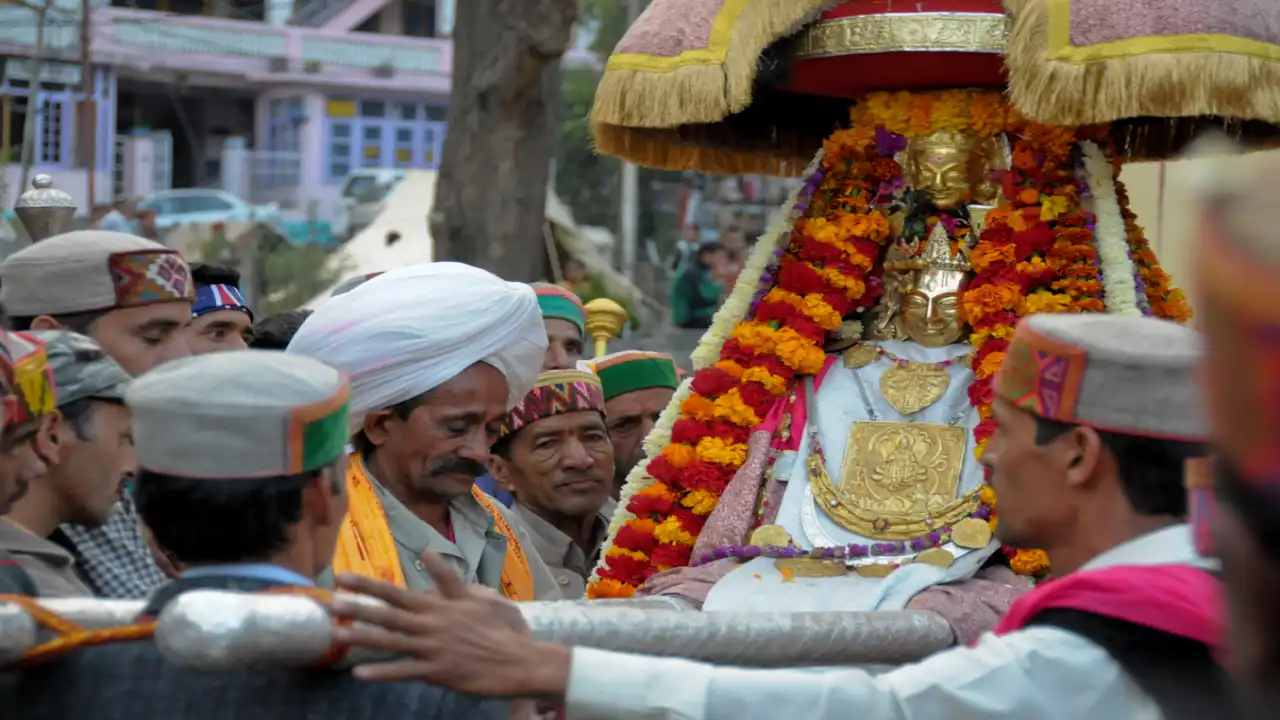
A king, a curse, a very unlucky peasant. Jagat Singh ruled Kullu from 1637 to 1662 and reportedly wronged a peasant badly enough to get cursed for it. The only fix, per the Brahmin he consulted, was oddly specific: only Lord Raghunath, an avatar of Rama, could undo it. So Jagat Singh sent someone all the way to Ayodhya to fetch the idol. What happened on the way back is the detail every local guide saves for last. The idol, they'll insist, grew heavier the further it traveled from Ayodhya and lighter the closer it got to Kullu, as if it had already decided where it belonged. Once it arrived, the curse lifted, Raghunath took over as the valley's ruling deity, and Jagat Singh handed out a standing invitation: every local deity, welcome to show up and pay respects once a year. Nobody's cancelled it since. Records put the start around 1606, making the Kullu Dussehra Festival older than most monuments people fly in to photograph.
There's a second story behind why the valley has so many gods to invite in the first place. The sage Jamdagni was hauling eighteen deity images home when a storm hit him at Chanderkhani Pass and scattered the lot across the valley. Different villages picked up different gods, and that's the patchwork Dhalpur pulls together every Dussehra: not one festival, but dozens of village traditions showing up to the same party.
Why does Kullu celebrate Dussehra so differently from the rest of the country?
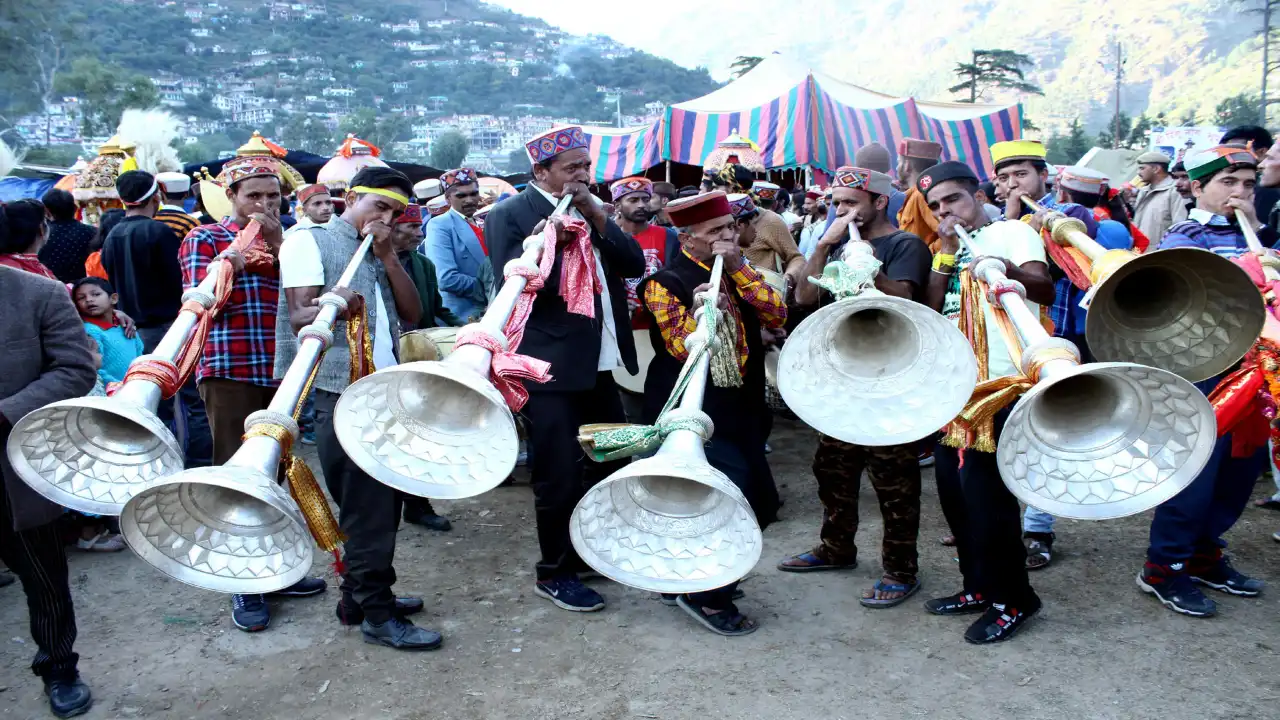
Most of India treats Dussehra as a single climactic day. Kullu treats it as the opening act. The festival here begins on Vijayadashami itself, the day the effigy-burning happens elsewhere, and continues for seven days after that. There's no Ravana effigy at all. The focus stays entirely on Raghunath and the assembly of roughly 200 to 365 local devtas (deities), depending on the year, who arrive from villages across the district, carried on palanquins by devotees.
- Duration: seven days, starting on Vijayadashami
- 2026 dates: the festival is expected to begin around October 15, though the exact date shifts each year slightly based on the lunar calendar, so confirming with the district administration closer to the date is worth doing
- Scale: officially declared an international festival in 1972, drawing an estimated four to five lakh visitors annually
- Centerpiece: the Rath Yatra, where Raghunath's idol is pulled through Dhalpur in a wooden chariot by hundreds of devotees competing for the honor of pulling the ropes
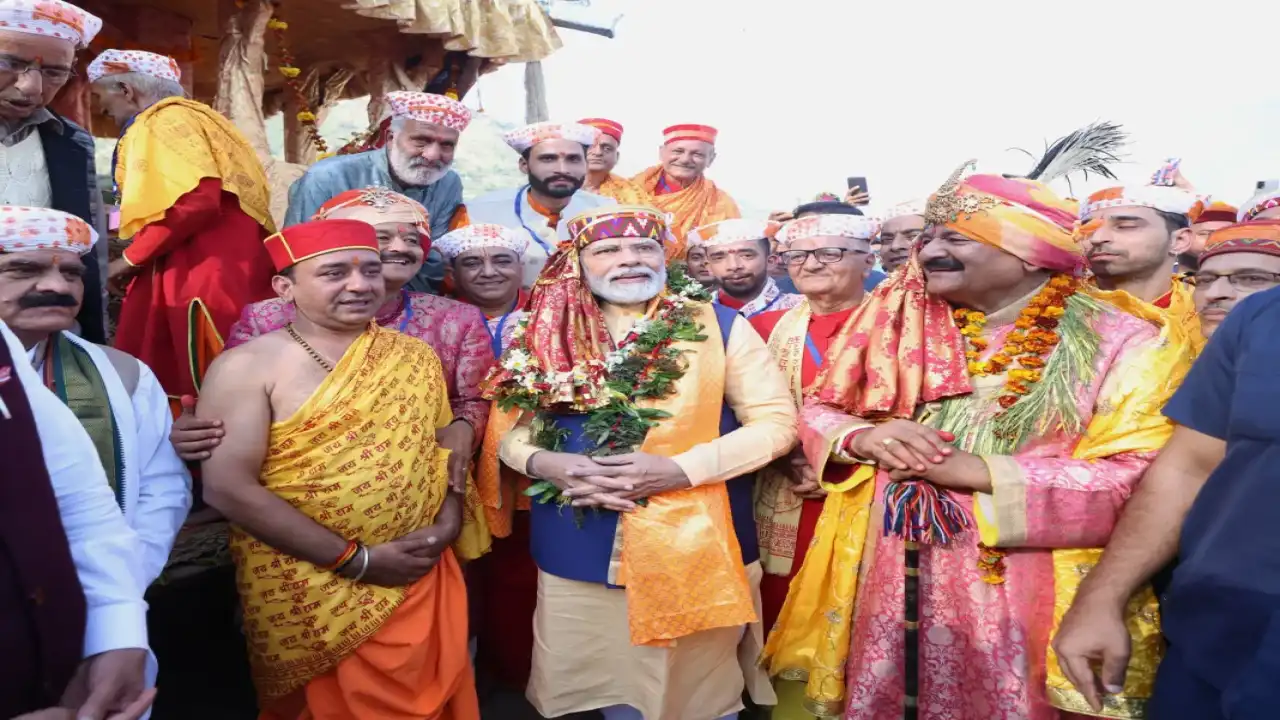
The Kullu Dussehra Celebration was also the setting for a notable modern moment in 2022, when the sitting Prime Minister attended the Rath Yatra procession, becoming the first to do so while in office. That visibility has pushed the festival further onto the national radar in the years since.
Suggested read: Festival Guide: Best Cultural Celebrations in Kerala
Where does all this actually happen?
The center of everything is Dhalpur Maidan, a large open ground in Kullu town that turns into the festival headquarters for the week. This is where Raghunath's temporary camp is set up after the opening procession, where the deity assembly takes place, and where most of the cultural programming happens after dark.
- Location: Dhalpur Maidan, Kullu town, Himachal Pradesh
- Opening ritual: Raghunath's idol is brought from its temple in Sultanpur to Dhalpur in a procession that typically starts around 4 pm on day one
- Evening programming: cultural performances happen nightly at the Lal Chand Prarthi Kala Kendra, an auditorium adjoining the maidan, featuring folk music and regional dance troupes
- Sixth day highlight: the full assembly of village devtas at Dhalpur is considered the most photogenic moment of the week, with palanquins arriving continuously through the day
Anyone staying in Kullu town can walk to the maidan. For visitors based in Manali, it's roughly a 40-kilometer drive south along the Beas River, usually taking just over an hour depending on festival traffic, which does get heavy on the opening and closing days.
How does a traveler actually get to Kullu for the festival?
- By air: Bhuntar Airport (also called Kullu-Manali Airport) is about 10 kilometers from Kullu town and is served primarily by Alliance Air, with regular flights connecting to Delhi and a few other cities
- By rail: there's no direct broad-gauge line into Kullu; the nearest practical railhead for most travelers is Chandigarh, roughly 270 kilometers away, followed by a road journey of about 8 to 9 hours
- By road: Kullu is connected via NH3 from Chandigarh (around 270 km), and from Delhi it's roughly 500 kilometers, typically a 12 to 14-hour drive; overnight Volvo buses run from Delhi and Chandigarh directly to Kullu and Manali
- Local travel: once in the valley, buses and shared taxis connect Bhuntar, Kullu, and Manali frequently, and this is usually the cheapest way to move around during the festival
Pro tip: Booking accommodation and transport well ahead of mid-October is important. Hotel rates in Kullu and nearby Manali climb noticeably during festival week, and rooms close to Dhalpur fill up first.
What should a first-time visitor make a point of seeing?
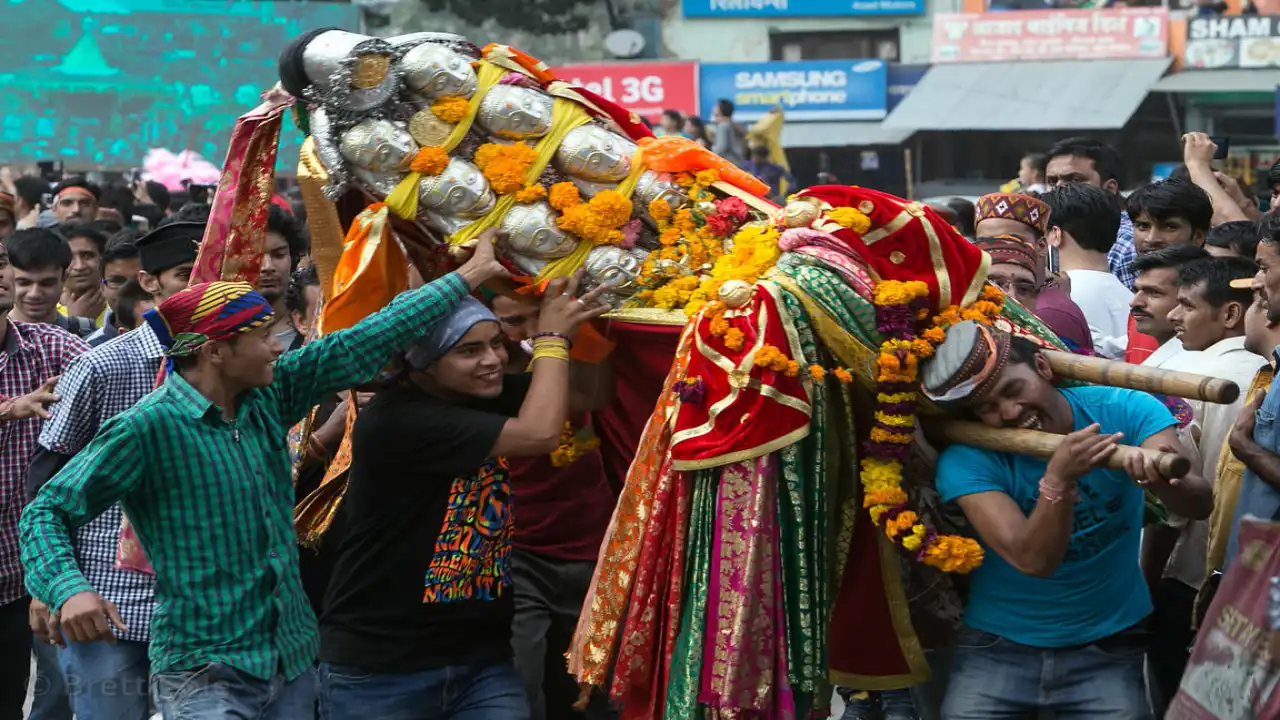
Beyond the opening Rath Yatra and the day-six deity assembly, a few other moments are worth building the itinerary around.
- The nightly Kala Kendra performances, which showcase Kullu's distinct folk music traditions, including Nati dance, rarely seen outside the region
- The handicraft and government exhibition stalls that line the maidan through the week, selling Kullu shawls, caps, and local woodwork
- The closing day rituals, when Raghunath's idol is taken back to its temple and the visiting devtas begin their return journeys, a quieter but still moving bookend to the week
- The Lanka Dahan ritual on the final evening, which, despite the region's general aversion to effigy-burning, is performed on a smaller symbolic scale near the riverbank
Pro tip: arrive on day one if possible. The opening procession and the crowd energy around the chariot pull are considered the most atmospheric part of the entire week, and hotel availability is usually a little better before the weekend crowds arrive.
What else is worth exploring around Kullu during the trip?
The valley itself offers visitors plenty to do beyond the festival grounds, making it particularly useful for anyone extending the trip by a few days.
- Naggar, about 20 to 30 kilometers from Bhuntar, home to a 16th-century wooden castle and the Nicholas Roerich Art Gallery, worth half a day
- Manikaran Sahib, a Sikh and Hindu pilgrimage town roughly 45 kilometers away, known for its hot springs and langar kitchens
- Kasol and the Parvati Valley, popular with backpackers, reachable via the same route as Manikaran
- Great Himalayan National Park, a UNESCO World Heritage Site near Sainj, good for a short nature walk even without committing to a full trek
- Manali, about 40 kilometers north, useful as a base for anyone combining the festival with mountain sightseeing at Solang Valley or Rohtang Pass
None of these need a full day trip carved out specifically; most fit comfortably into a half-day detour on either side of the main festival dates, which is worth keeping in mind when blocking out an itinerary.
What food should visitors actually try while they're there?
Kullu's food doesn't get as much attention as its festivals, which is a bit of an oversight, since the valley has a distinct culinary identity shaped by altitude and local produce.
- Siddu, a steamed wheat bread stuffed with poppy seed or walnut paste, usually served with ghee and dal, is one of the most distinctly local dishes in the region
- Babru, a Kullu take on kachori made with fermented black gram, often eaten with tamarind chutney
- Trout, freshly caught from the Beas and Sainj rivers, grilled or pan-fried at small riverside eateries
- Chana Madra, chickpeas cooked in a yogurt-based gravy, a staple across Himachali households and commonly served at festival food stalls
- Tudkiya Bhath, a spiced rice dish loaded with lentils and vegetables, filling and easy to find at roadside dhabas
- Auriya Kadu, a tangy pumpkin preparation flavored with mustard and fennel seeds, less commonly found outside home kitchens but worth asking for at local eateries
- Apples and dried fruit from valley orchards, sold fresh at roadside stalls through October, since the harvest season overlaps almost exactly with festival wee
Planning the trip
Kullu Dussehra runs on its own calendar and its own logic, which is exactly what makes it worth experiencing at least once. It rewards travelers who plan, book accommodation early, and build in a couple of extra days for the valley beyond the festival grounds. Travel Junky puts together Kullu Dussehra itineraries that handle the stay, local transport, and timing around the key rituals, so visitors can focus on the festival itself rather than the logistics around it.
Read Next: Why Tet Festival Is the Heartbeat of Vietnam
Frequently asked questions
When does Kullu Dussehra 2026 take place? The festival is expected to begin around October 15, 2026, and run for seven days, though the exact start date depends on the lunar calendar and is worth confirming closer to the date.
Is Kullu Dussehra the same as Dussehra celebrated elsewhere in India? No. Most of the country observes Dussehra with a single day of Ravana effigy-burning. Kullu's version starts on that same day and runs for a full week, centered on the deity Raghunath rather than the Ravana narrative.
How crowded does Kullu get during the festival? Very. Around four to five lakh visitors attend annually, so booking for both stay and transport is strongly recommended, particularly for the opening and closing days.
Is the festival suitable for families and older travelers? Yes, though the maidan does get crowded during the main processions. Early arrival for events and choosing accommodation within walking distance of Dhalpur helps manage the crowd factor.
What should first-time visitors wear or carry? Warm layers are essential since October evenings in the valley get cold quickly, and comfortable walking shoes matter given how much of the festival happens on foot around the maidan.