Sunburn Goa Travel Guide: Where to Stay, What to Do & How to Get There
"Where's the best beach to watch the sunset before Sunburn kicks off?" That's the question that lands in every Goa travel group chat by late November, and it rarely has one right answer. Sunburn draws a strange mix of crowds every year: college groups running on four hours of sleep, thirty-something couples treating it as a long weekend away from work, and a smaller contingent of serious electronic music fans who plan their whole December around it. This Sunburn Goa Travel Guide exists because most of what's floating around online is either outdated ticket pricing or vague festival hype with none of the logistics that actually matter. Flights fill up, hotels near the venue triple their rates, and the roads around Vagator turn into a slow crawl by evening. None of that is a secret to anyone who's done this before, but if it's your first time, it catches you off guard.
Sunburn Goa at a Glance: Dates, Venue, Tickets & Essentials

Venue: Has shifted over the years between Vagator, Candolim, and other spots along North Goa, depending on land availability and local permissions each season. Confirm the current location through the official Sunburn website or social channels closer to the event, since older articles online are unreliable on this.
Dates: Typically runs three to four days, usually in the last week of December to coincide with the New Year travel window.
Gate timings: Generally open in the afternoon, with the lineup building through evening into a late-night close, often past 1 AM.
Ticket types: General Admission and VIP tiers, available as single-day or full-festival passes.
Age restriction: 18+ in past editions, worth reconfirming each year.
Alcohol: Sold inside the venue under Goa's local licensing rules; not permitted to bring in from outside.
Entry checks: Bag checks and metal detectors are standard, so plan what you carry accordingly.
What Is Sunburn Goa Really Like?

What to expect
It's loud, crowded, and unapologetically commercial in parts, with sponsor booths and food stalls lining the venue almost as much as the stages themselves. The energy peaks fast once headliners come on, and the crowd density near the main stage can get genuinely uncomfortable if you're not used to festival crowds. Sound bleeds between stages if they're close together, which can be annoying for anyone trying to catch a specific set. On the other hand, the production quality, the lighting rigs, the pyrotechnics, tends to be a real step up from smaller Indian festivals.
Who should attend
If you like EDM, house, and commercial dance music and don't mind standing for hours in a packed crowd, this is built for you. It's less suited to people looking for a chilled, boutique festival experience, or those who prefer live bands and acoustic sets. Families with young kids should skip it entirely; this is not that kind of event.
Is Sunburn worth travelling to Goa for?
Honestly, it depends on what else you're building around it. Flying in purely for the festival and flying out the next morning is a rough way to do it, and expensive for what you get. Most people who come away happy treat it as one part of a longer Goa trip, using the extra days for beaches, food, and general downtime before or after the noise.
When Should You Start Planning Your Sunburn Goa Trip?

4-6 months before: Book flights. December fares to Goa spike hard closer to the date, sometimes doubling in the two weeks before New Year. This is also when you should lock hotel rooms in Vagator or Anjuna if you want anything close to the venue, since inventory disappears fast.
2-3 months before: Buy festival tickets once dates and lineup are officially confirmed. Early bird pricing usually closes by this point, and VIP passes sell out before GA does most years.
2-4 weeks before: Sort local transport, whether that's a rental scooter reservation, a pre-booked cab for airport transfers, or confirming shuttle options if the festival is running any that season. Check the weather forecast loosely, though December in Goa is fairly predictable.
24 hours before: Download your ticket QR codes offline, since venue wifi and mobile signal near a 50,000-person crowd can be patchy. Keep a photo of your ID and confirm your hotel's exact address for cab drivers who may not know the property by name.
How to Reach Sunburn Goa
By flight
Goa's main airport is Dabolim (GOI) in South Goa, though Manohar International Airport (Mopa) in North Goa, closer to the festival zone, has taken over a growing share of flights in recent years. Direct flights connect Goa to Delhi, Mumbai, Bengaluru, Hyderabad, Pune, and several other metros, with flight time from Mumbai around one hour and from Delhi roughly two and a half hours.
By train
The Konkan Railway line runs through Goa with stations at Madgaon (Margao) and Thivim, both serving long-distance trains from Mumbai, Bengaluru, and Kerala. Madgaon is the bigger, better-connected station; Thivim sits closer to North Goa if your hotel is near the festival venue.
From Goa airports
Mopa airport is roughly 30-40 minutes from Vagator and Anjuna by road, making it the more convenient option for festival-goers this year. Dabolim, in contrast, is closer to South Goa and can mean an hour or more in traffic to reach North Goa hotels, especially during the December rush.
From major cities
Delhi and Mumbai have the highest flight frequency to Goa, with multiple daily departures. Bengaluru and Hyderabad also run frequent direct routes. From smaller cities, connecting through Mumbai or Delhi is usually cheaper than hunting for a direct flight that may not exist or runs only a few times a week.
Where to Stay for Sunburn Goa

Vagator
The closest base if the festival venue lands here again. Vagator has a mix of boutique guesthouses and larger resorts, with cliffside cafes near Chapora Fort and Ozran (Little Vagator) beach offering a quieter counterpoint to the noise down the road. Prices climb hard during festival week, sometimes doubling from the rest of December, so book well ahead.
Anjuna
A short scooter ride from Vagator, Anjuna offers more budget and mid-range stays, plus its famous flea market (Wednesdays) and a livelier backpacker scene. Good middle ground between proximity and price.
Baga/Arpora
Slightly further out but well connected by road, this area has a dense cluster of hotels, nightclubs, and the Saturday Night Market in Arpora. Works well if Vagator and Anjuna are fully booked or overpriced.
Assagao/Siolim
Quieter, greener, and increasingly popular with travellers who want a break from the party strip at night. More boutique villas and homestays here, generally a 15-20 minute drive from the festival zone.
South Goa
Calmer beaches like Palolem and Agonda, but a genuinely long commute to North Goa festival venues, often over an hour each way. Only worth it if you're extending the trip and don't mind travelling for the festival days specifically.
Accommodation budget
Budget guesthouses in North Goa run roughly ₹1,500-2,500 a night outside festival season, climbing to ₹3,000-5,000 during Sunburn week. Mid-range hotels sit around ₹5,000-9,000, while premium beachfront resorts can cross ₹15,000 a night. Travel Junky's Goa tour packages bundle accommodation with transfers and can work out cheaper than booking everything separately, particularly for groups.
Sunburn Goa Tickets: Which Pass Should You Buy?

Day vs multi-day
Single-day passes make sense if you're only attending for one headliner or have limited time in Goa. Multi-day passes cost less per day overall and suit anyone treating the festival as the centrepiece of their trip.
GA vs VIP
General Admission gets you into the venue and most stages. VIP typically includes a separate viewing area closer to the main stage, dedicated bars, cleaner restrooms, and sometimes a lounge area away from the densest crowd. Whether that's worth the price difference depends heavily on how much crowd tolerance you have.
Ticket prices
Pricing has swung a fair bit year to year. Past editions have seen GA day passes land somewhere in the ₹2,500-4,000 range, with VIP running considerably higher, sometimes ₹8,000-15,000 depending on the day and lineup. Always check current pricing directly. Older figures floating around online go stale fast.
Where to buy
Buy only through the official Sunburn website or verified partner platforms. Resale tickets, especially near the event date, carry a real risk of being duplicated or fake, and there's no recourse if you're turned away at the gate.
Refund/transfer policies
Sunburn's refund policies tend to be restrictive, and tickets are often non-transferable without going through an official process, if one exists at all. Read the fine print before buying, particularly if there's any chance your plans might change.
How Much Does a Sunburn Goa Trip Cost?

Solo traveller
A no-frills solo trip, flights, a shared guesthouse room, GA tickets, basic food, can land somewhere around ₹20,000-30,000 for four days from a metro city. That's before nightlife spending, which for a lot of first-timers ends up being the real budget-buster.
Couple
Doubling up on a mid-range room brings the per-person cost down. Expect roughly ₹35,000-55,000 combined for a comfortable four-day trip with GA passes and decent food.
Group
Groups of four to six splitting a villa or larger apartment often get the best value per person, sometimes bringing individual costs down to ₹15,000-25,000 depending on how much is spent on tickets and nightlife beyond the festival itself.
Budget/mid-range/premium breakdown
Budget trips lean on shared dorms or basic guesthouses and GA tickets. Mid-range trips add private rooms, better food, and occasional VIP upgrades. Premium trips mean beachfront resorts, VIP passes throughout, private cabs instead of scooters, and considerably higher daily spending, easily ₹10,000+ per day per person.
Cost from Delhi/Mumbai/Bengaluru
Round-trip flights from Mumbai during December typically run ₹6,000-12,000 if booked early, rising sharply closer to the date. From Delhi, expect ₹8,000-15,000, and from Bengaluru somewhere similar, though routing and seasonal demand shift these numbers constantly.
What to Wear & Pack for Sunburn Goa

Festival clothing
Light, breathable fabrics work best given the heat and crowd density. Cotton or moisture-wicking tops, shorts or lightweight pants, and layers for the cooler night air are all sensible choices. Avoid anything you're precious about; it will get sweaty, possibly muddy, and occasionally have a drink spilled on it.
Footwear
Closed shoes or sturdy sandals beat flip-flops here. You'll be standing on uneven ground for hours, and flip-flops don't survive a packed crowd well.
Essentials
A small crossbody bag or waist pouch, portable phone charger, cash in small denominations, sunscreen if attending daytime sets, and earplugs if you're sensitive to prolonged loud sound.
What not to carry
Large bags, professional cameras (unless you have media accreditation), outside food and drink, and anything sharp will likely get confiscated at security. Leave expensive jewellery at your hotel.
Weather considerations
Late December in Goa is warm during the day, generally 28-32°C, and cools down noticeably at night, sometimes dropping into the high teens. A light jacket for the evening isn't a bad idea.
How to Get Around Goa During Sunburn
Scooter
The default choice for most visitors, scooters rent for roughly ₹300-500 a day and give the most flexibility (though finding one with working brakes and a horn is its own small negotiation). An international driving permit or valid Indian license is technically required, and helmets are mandatory, though not always enforced.
Taxi
Convenient but pricier, and Goa's app-based cab availability is inconsistent outside the main towns. Pre-booking through your hotel is often more reliable than trying to hail one on the spot.
Rental car
Worth it for groups or families, though parking near the festival venue during peak hours can be genuinely difficult to find.
Festival shuttle
Some editions of Sunburn have run shuttle services from nearby hotel clusters; check the official festival communications closer to the date since this isn't guaranteed every year.
Post-festival transport
This is where most people get caught out. Getting a cab immediately after the show ends, often past 1 AM, can mean long waits as thousands of people try to leave at once. Pre-arranging a pickup or having a scooter parked nearby saves real frustration.
Traffic and parking
Roads around the venue slow to a crawl in the hour before and after the event each day. Leaving slightly early or waiting out the initial post-show rush both help.
Things to Do in Goa Before and After Sunburn
Beaches
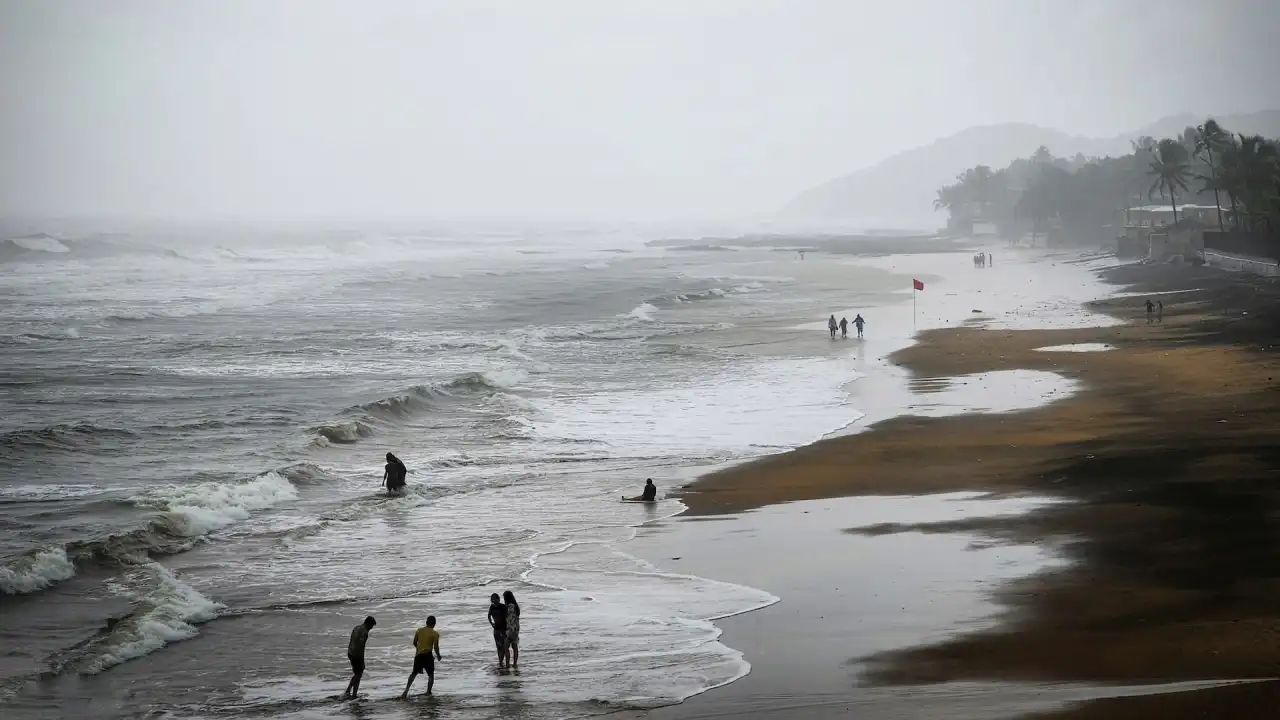
Beyond Vagator and Anjuna, consider Ashwem and Mandrem for a quieter beach day, or Baga if you want more of a scene. South Goa's Palolem is worth the drive if you have a full day to spare.
Food
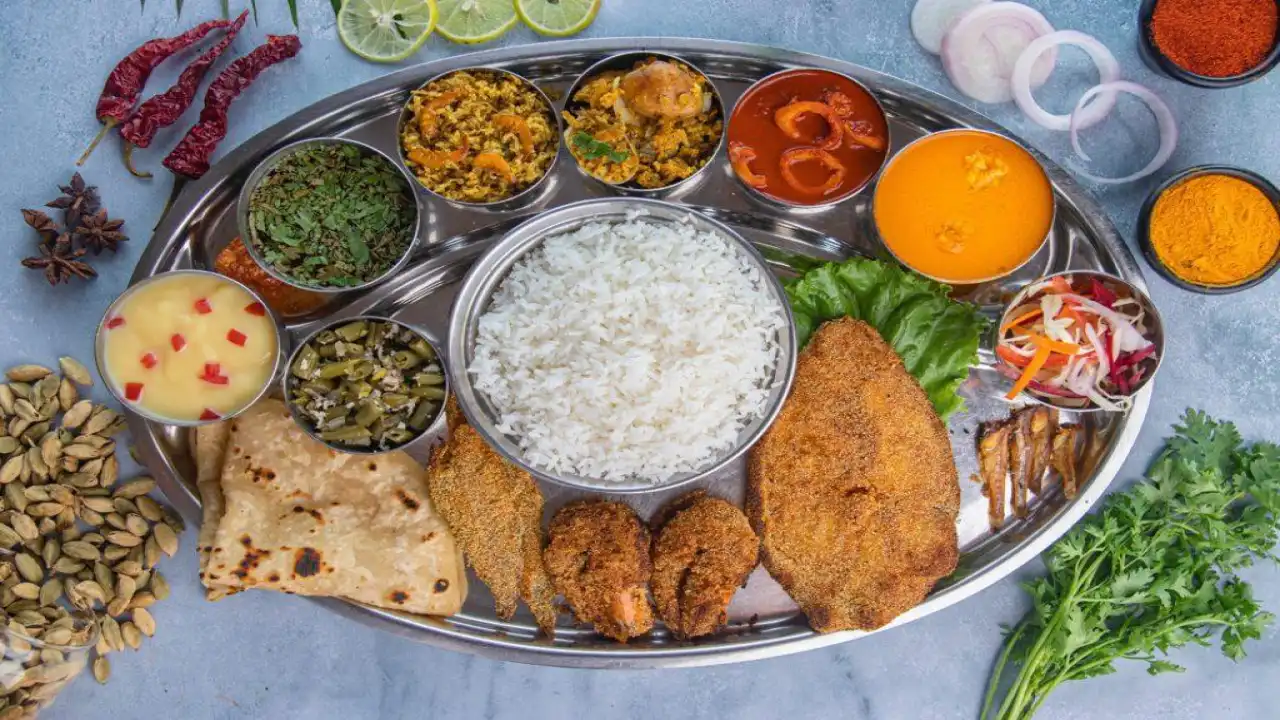
Goan seafood thalis, prawn curry rice, and beach shack classics like calamari and fish recheado are worth prioritising. Panjim's older quarters also have solid Portuguese-influenced cafes away from the beach crowds.
Suggested Read: Famous Goan Dishes: A Complete Guide to Goa's Food Culture
Nightlife

Beyond the festival itself, Anjuna and Vagator have long-running clubs and beach parties that run through December's peak season, plus smaller bonfire nights on quieter stretches of sand.
Sightseeing

Old Goa's churches, including the Basilica of Bom Jesus, and Fort Aguada near Candolim make for a reasonable half-day if you want a break from the beach circuit.
Day trips

Dudhsagar Falls, roughly a two to three hour drive inland, makes for a solid day trip if you have a spare day and don't mind an early start.
What to do between festival days
Recovery days matter more than people expect. Beach time, a spa session, or simply sleeping in tend to work better than trying to pack in more activity between back-to-back festival nights.
Your 3, 4 & 5-Day Sunburn Goa Itinerary
3-Day Itinerary Day 1: Arrive, check in, settle near Vagator or Anjuna, evening at a beach shack. Day 2: Sunburn festival day, recovery breakfast late morning, evening at the venue. Day 3: Second festival day or a beach morning followed by departure.
4-Day Itinerary: Day 1: Arrive, unpack, casual beach evening. Day 2: Sunburn day one. Day 3: Sunburn day two, with a slower start to recover. Day 4: Old Goa sightseeing or beach time before an evening flight out.
5-Day Itinerary: Day 1: Arrive, settle in, explore Anjuna market if it lands on a Wednesday. Day 2: Sunburn day one. Day 3: Sunburn day two. Day 4: Recovery day, Dudhsagar Falls or a spa afternoon. Day 5: Fort Aguada or Panjim's old quarter before departure.
Sunburn Goa First-Timer Guide: 15 Things to Know Before You Go
- Venue location changes year to year, so confirm before booking accommodation.
- GA crowds near the main stage get physically packed; know your tolerance.
- December is Goa's peak tourist season, so prices are inflated everywhere, not just near the festival.
- Scooter rental requires a valid license; enforcement has tightened in recent years.
- Cash still works better than cards at smaller shacks and stalls.
- Sunscreen matters even in December; the sun is stronger than it feels.
- Book return transport out of the venue in advance if possible.
- VIP isn't always worth it if you're mainly there for the music rather than comfort.
- A local SIM or an eSIM helps since roaming can be spotty in crowds.
- Wednesdays bring the Anjuna flea market, worth building into your schedule.
- Beach shacks close earlier than the festival, so plan dinner timing around that.
- Hotel prices near the venue can triple during festival week; book early.
- Bag policies are strict; check the official list before packing your festival bag.
- Not every day of Sunburn has the same headliner draw; check the lineup by day before buying single-day passes.
- A rest day between arrival and the first festival night helps with the time difference in sleep schedules for many travellers.
Sunburn Goa Planning Mistakes to Avoid
Booking flights and tickets separately without checking date alignment first. It happens more than you'd think; festival dates shift, and tickets have already gone on sale for the old schedule. Assuming any hotel "near Goa" is close to the venue, when North and South Goa can mean an hour or more of driving. Skipping travel insurance, which matters more at a large, high-density event than most people assume. Buying resale tickets from unofficial sources days before the event, always a gamble. Packing heavy bags that slow down security entry and risk confiscation at the gate. Not budgeting for the price surge on food, cabs, and hotels during the exact festival dates. And ignoring the value of one buffer day before or after, for delayed flights or just plain festival fatigue.
Final Checklist Before You Leave for Sunburn Goa
- Ticket downloaded and QR code saved offline
- Government ID ready and a photo backup saved on your phone
- Hotel booking confirmed with address saved for cab drivers
- Airport or train tickets confirmed both ways
- Local transport arranged, whether scooter, cab, or rental car
- Festival rules and bag policy checked against the official website
- Weather forecast checked for the specific dates
- Emergency contacts, including hotel and local police, saved in your phone
Planning the logistics around Sunburn Festival Goa takes more coordination than the festival itself, honestly. Most of the actual stress happens before day one, sorting flights, locking a hotel before prices double, figuring out how you're getting from the venue back to your room at 1 AM. Travel Junky's Goa holiday packages cover the accommodation and transfer at the end of that, so the only real decision left is which beach to collapse on the morning after. So, what are you waiting for? Book your package now!
Read Next: Best Beaches in Goa for a Perfect Vacation
Sunburn Goa FAQs
When is Sunburn Goa 2026? Exact dates are confirmed closer to the season by festival organisers, typically landing in late December. Check official channels before booking flights.
Is Sunburn Goa suitable for solo travellers? Yes, it's a common solo destination, though joining group accommodation or festival meetups helps with both cost and safety.
How far in advance should I book tickets? Ideally two to three months before the event, once dates and lineup are confirmed, to avoid early bird pricing cutoffs.
Is alcohol allowed inside the venue? Only what's purchased inside under local licensing; outside alcohol is not permitted through security.
What's the best area to stay for Sunburn Goa? Vagator or Anjuna, depending on the confirmed venue location and your budget, generally offer the shortest commute.