Famous Goan Dishes: A Complete Guide to Goa's Food Culture
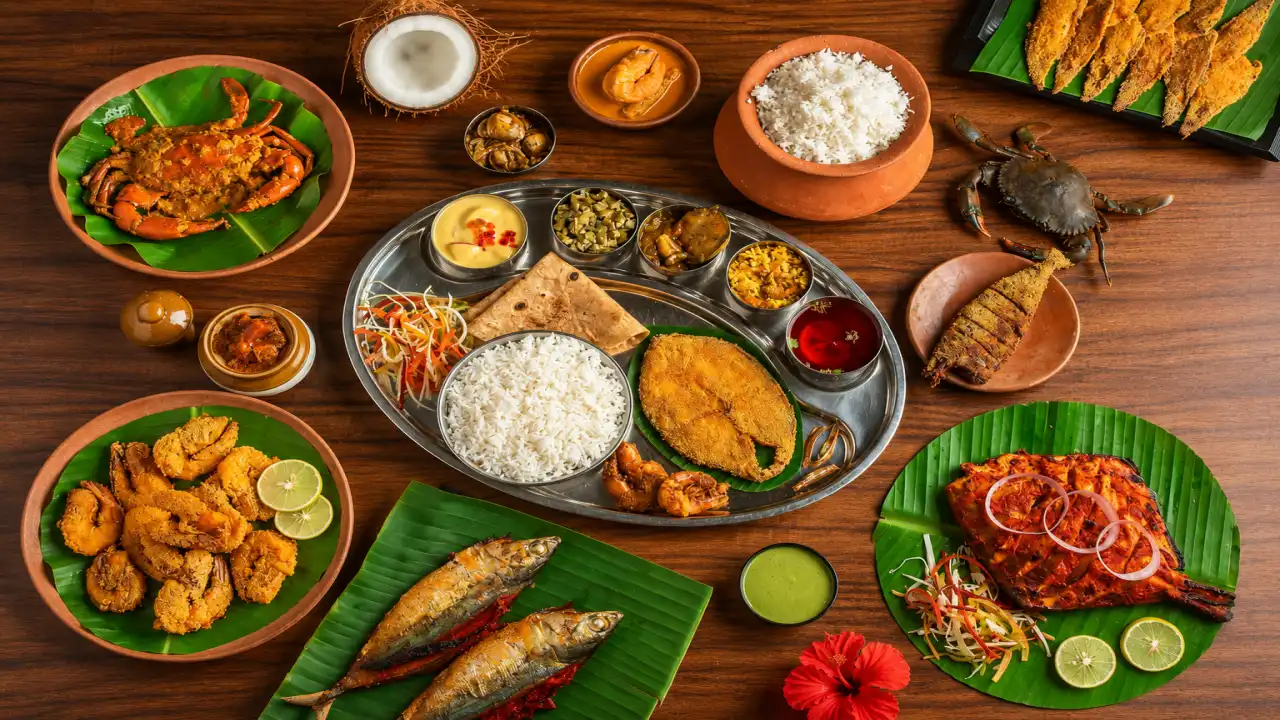
More than just beaches and sunset selfies in Goa. Just ask anyone who's ever spent any time there, and they will tell you the food does some of the talking on it. Deep-state kitchens, molded by Portuguese traders, the old fishing families and home cooks who never once wrote down a recipe (and still nailed it every time). The famous Goan Dishes are also an honest enough reasons visiting here in itself. Fiery curries, coconut-laden desserts, a bunch of tiny snacks no one ever heard of outside Goa there's something here for every type of eater. What to chase, and some pointers for making the effort worthwhile.
Fish Curry Rice: The Everyday Hero
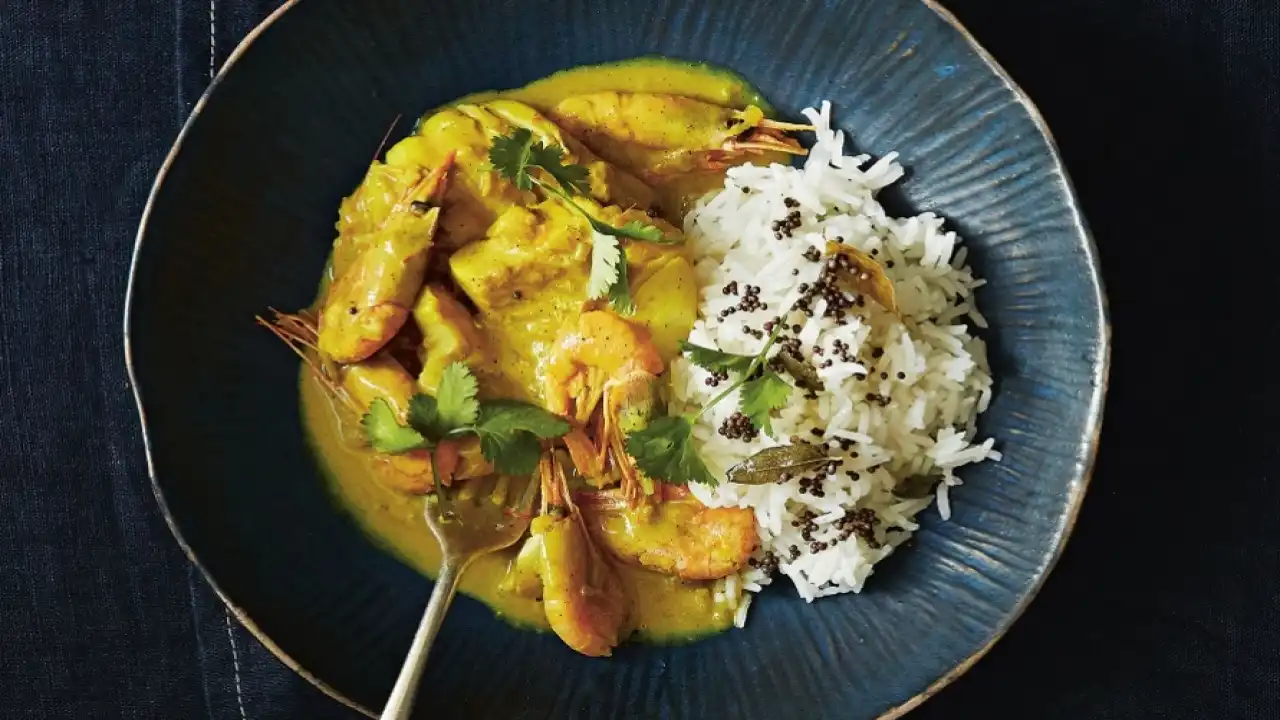
Ask a local what they're eating on a random Tuesday and nine times out of ten it's fish curry rice. Not a restaurant special. Just in dinner. Cooked in most Goan homes almost every single day.
What gives it that punch:
- Fresh coconut, ground down to a paste
- Kokum or tamarind for the tang
- Red chillies, sometimes more than you'd expect
- Fresh fish: pomfret, mackerel, kingfish, whatever came in that morning
The rice is usually the local red variety, nuttier and heavier than plain white rice. Nothing fancy about the dish. That's kind of the point.
Pro tip: Skip the beachfront place with the laminated menu. Find a small family-run "khanaval" instead: bigger plates, cheaper bill, and it actually tastes like what people eat at home.
Vindaloo and Xacuti: Goa's Spice Legacy
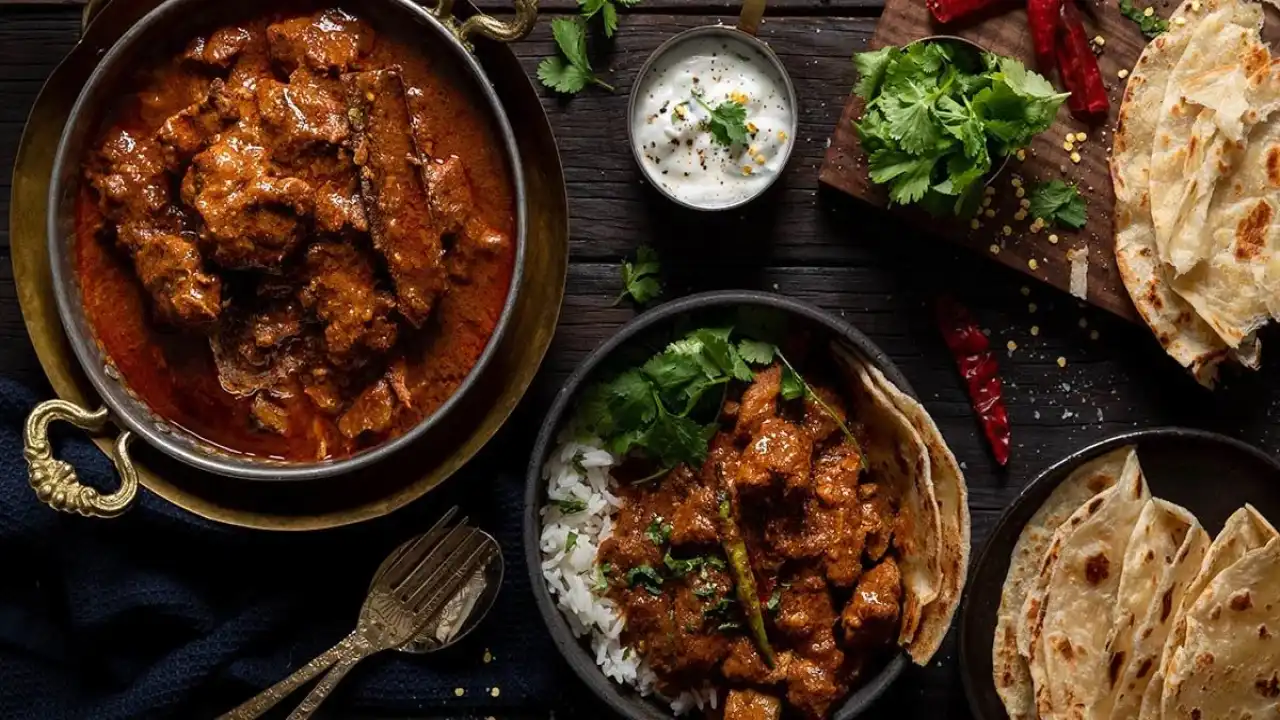
No real conversation about Goan food skips vindaloo. Most people outside Goa think of it as just "the spicy one," but it started as a Portuguese import and got reworked over centuries with local vinegar, garlic, and chillies. Pork vindaloo is the original, though chicken versions show up on most menus now for people who want something lighter. Then there's xacuti (say it "sha-KOO-tee"), which doesn't get talked about enough. Roasted coconut, a dozen-ish spices toasted and ground fresh; the flavour ends up deep, almost smoky, nothing like a typical curry. Chicken xacuti is common; mutton xacuti tends to show up at festive meals.
Quick cheat sheet for first-timers:
- Vindaloo – tangy, spicy, vinegar-forward
- Xacuti – roasted spice blend, coconut-heavy, slightly nutty
- Cafreal – green herb masala, smoky from the grill
Each one carries a different slice of Goa's past: some colonial trade route, some purely local farm kitchen.
Sorpotel and Other Meat Specialities
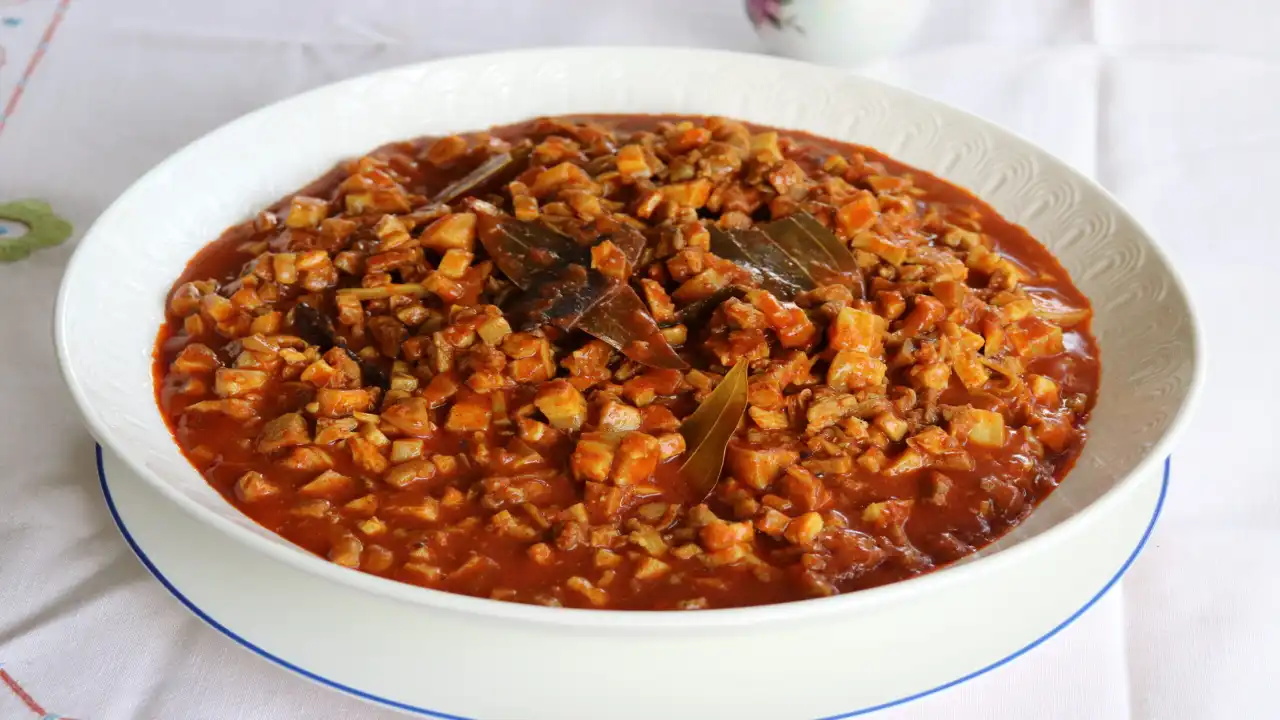
Sorpotel gets called the king of Goan Catholic feast food, and it earns the title. Rich, tangy pork dish made with both meat and offal, slow-cooked in vinegar and spice. It tastes better the next day, once everything's had time to sit and settle. That's why a lot of households cook it ahead of time on purpose.
Other meats worth hunting down:
- Goan chorizo (sausages), pan-fried with onions till the edges crisp up
- Chicken cafreal, marinated in a green herb paste, grilled or pan-fried
- Assado, roasted Portuguese-style, usually saved for celebrations
Not every dish shows up on every menu. Worth asking a local or a homestay host directly instead of scrolling reviews online.
Bebinca and Goan Sweets
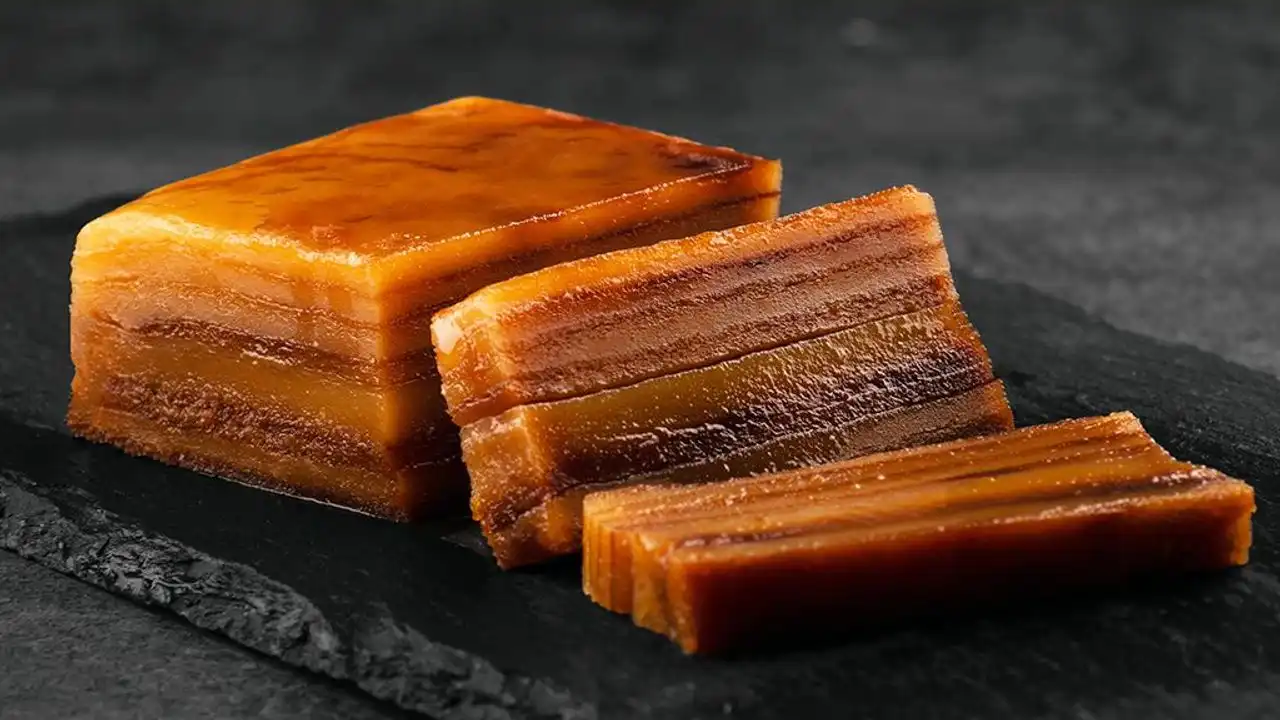
After all that heat, the desserts feel like a reset button. Bebinca leads the pack: a layered coconut pudding made with egg yolks, sugar, and ghee. Each layer gets baked separately, which can take hours, but the payoff is a dense, rich sweet usually served in thin slices. Worth the wait.
A few others to look out for:
- Dodol, sticky, jaggery-and-coconut, chewy in a good way
- Bolinhas, small coconut cookies
- Perad, guava sweet with Portuguese roots
These rarely get the spotlight the curries do, but they round the meal out and show a different side of Goan cooking entirely.
Vegetarian Goan Dishes Worth Trying
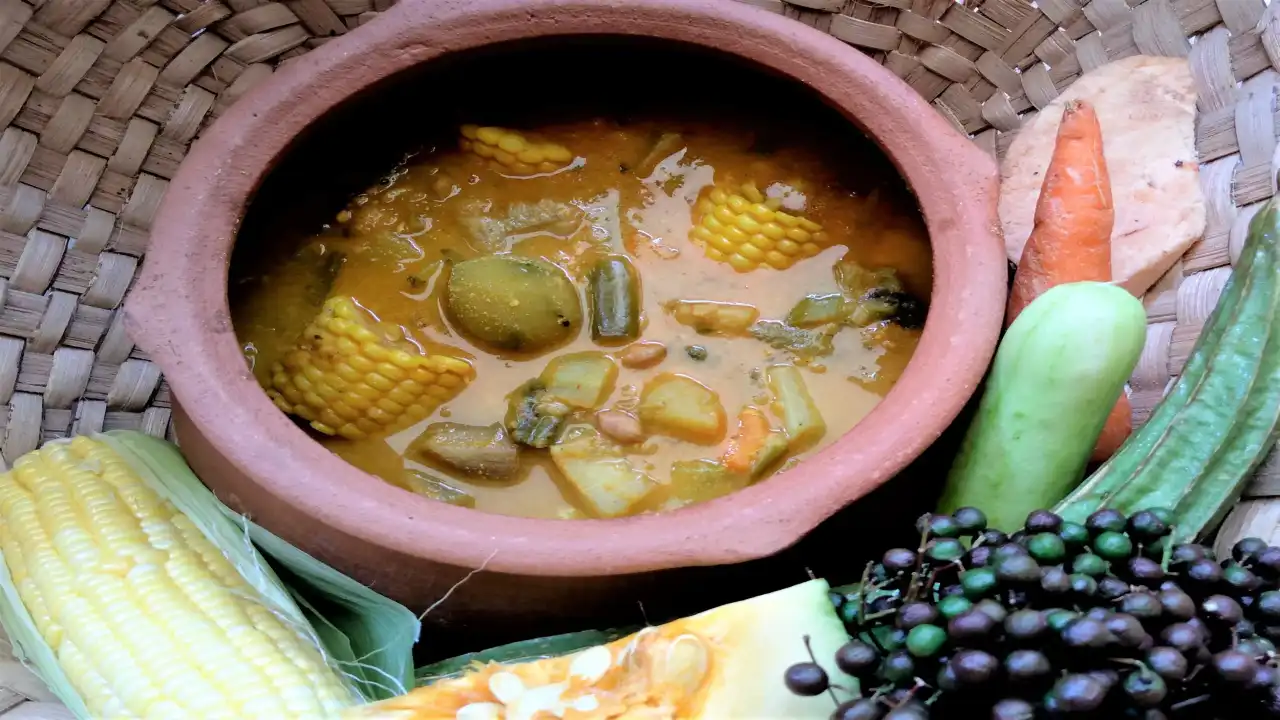
Goa gets typecast as a seafood-and-meat state, but the vegetarian side deserves just as much attention.
- Khatkhate – mixed vegetable stew, mild coconut base
- Tondak – simple vegetable curry, often beans or cluster beans
- Patoleo – rice dumplings steamed in turmeric leaves, filled with coconut and jaggery, usually made during monsoon
Rarely on tourist menus. Worth asking for directly at local spots.
Where to Find the Best Food in Goa
Finding decent food here doesn't need a reservation app or a long list of five-star reviews. Some of the Best Food in Goa turns up in the least Instagrammable places: roadside stalls, tiny shacks, family kitchens running the same recipe for thirty-plus years.
A few things that actually help:
- Local markets in Mapusa and Margao are a good starting point for fresh produce and quick bites
- Fishing villages usually have the freshest catch, cooked simply, not drowned in spice
- Interior villages, away from the tourist strip, tend to keep things more traditional
- Ask a taxi driver or homestay owner where they eat. Beats any app.
Pro tip: Restaurants with ten-page menus covering Chinese, Continental, and Indian food all at once? Usually a red flag. Places that stick to just Goan food tend to be more consistent.
Traditional Goan Cuisine and Its Roots
Understanding why the food tastes this way makes it more interesting to eat. Traditional Goan Cuisine sits right at the meeting point of Konkani coastal cooking and Portuguese colonial influence, hence all the vinegar, pork, and bread mixed in with classic South Indian staples like coconut, rice, and curry leaves.
Shows up everywhere once you notice it:
- Bread (poee and pao) served alongside curries, a habit picked up from Portuguese meal routines
- Vinegar-based marinades, rare in most other Indian regional food
- Coconut and kokum used generously, tying everything back to the coast
That mash-up of influences is exactly what makes Goan food stand apart from the rest of the country.
Planning the Food Trail
For the traveller whose plan is not eating at the same two joints all week, some planning will be key. Instead of racing between beach and dinner reservations, several people have started booking Goa tour packages to include food experiences in the local essence like cooking demos, market visits and sometimes village kitchen stops.
Some quick planning notes:
- Stay closer to local markets, not just beachfront resorts
- Set aside at least one evening for a home-style meal instead of a restaurant
- Keep a day free for inland villages; food tends to be more traditional there
- Ask locals for recommendations. Skip the travel apps for this part.
Conclusion
Goan cuisine rewards a bit of curiosity and a willingness to wander off-script. The list provided here is by no means exhaustive; if anything, some of the best meals in Lagos happen at random, unplanned spots rather than places booked in advance. At a small, low-key khanaval, you could line up for a plate of fish curry rice or at the end of your long, humid sticky day, there is some bebinca (the layered dessert) that will offer you the same warmth and intimate history as all around. When it comes to Goa, don't take the food trail lightly; be as particular about it as you would a beach list. That's typically where the true nature of the location reveals itself, and a well-planned Domestic Package by Travel Junky gives you the time to experience it properly.