Indravati Tiger Reserve Reopens After 40 Years: Everything Tourists Need to Know
Indravati Tiger Reserve in Bijapur district, Chhattisgarh, is set to open for organised wildlife tourism on November 1, 2026, after nearly four decades of restricted access. Only a short first-phase safari circuit will open, out of a reserve spread over 2,799 sq km. That makes it one of the few tiger reserves in India where you can still be among the first visitors in a generation.
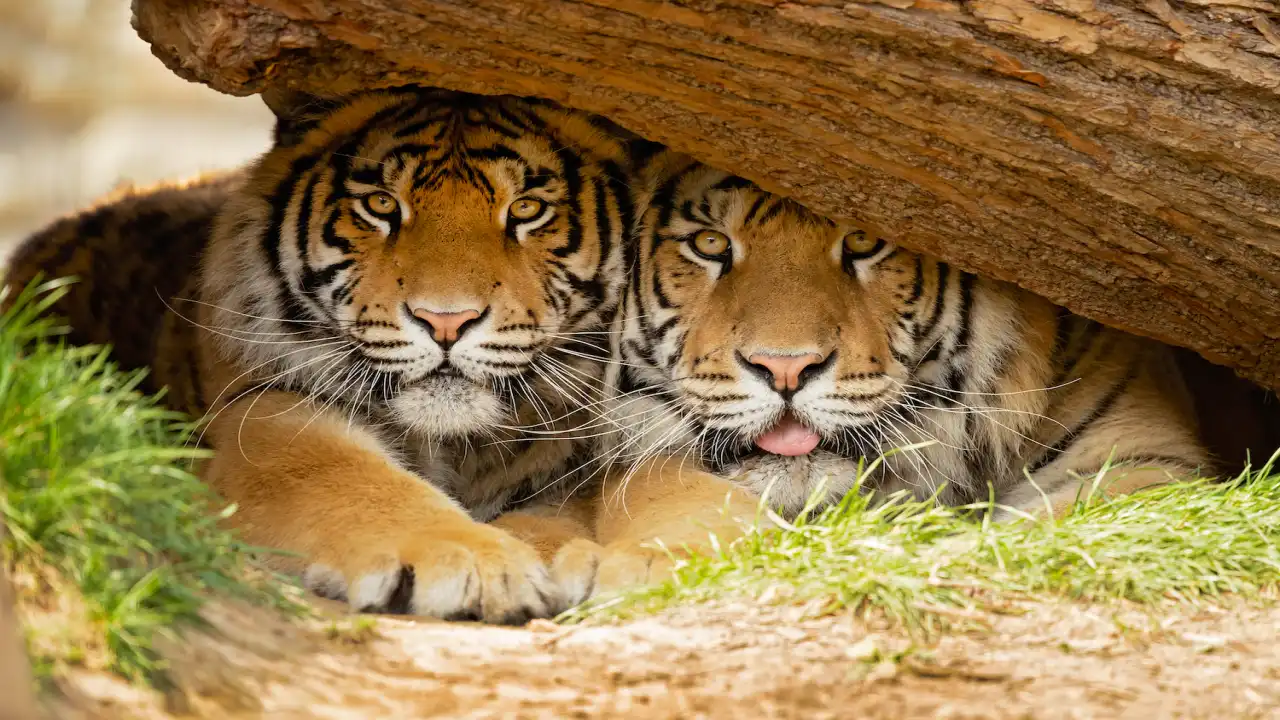
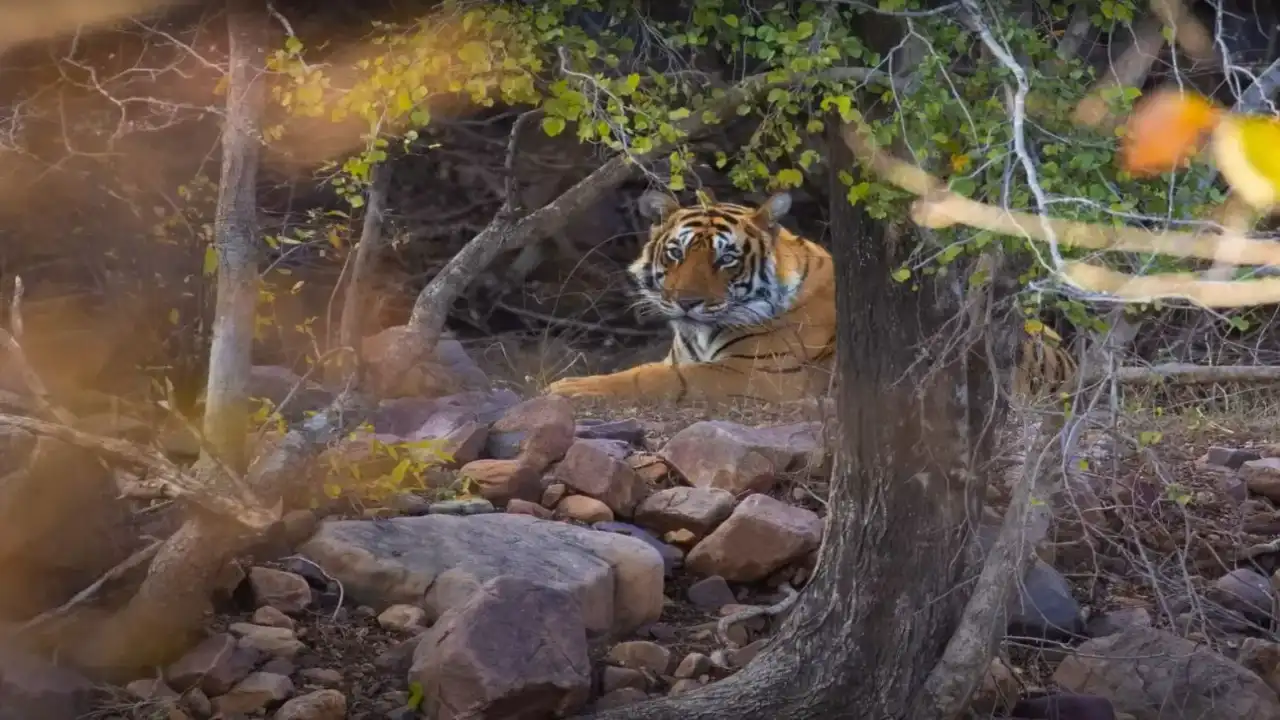
Expect red-dirt tracks through teak and bamboo, a river on the edge of the circuit, and one of India's last viable populations of wild Asian buffalo. Tigers live here, but sightings are unlikely. This guide to Indravati Tiger Reserve tourism covers what has been announced, how to get there, and what to plan around.
Last verified: 29 September 2026. Fees, safari timings, and booking channels have not been announced yet. We will update this page when the forest department publishes them.
When Does Indravati Tiger Reserve Reopen for Tourists?
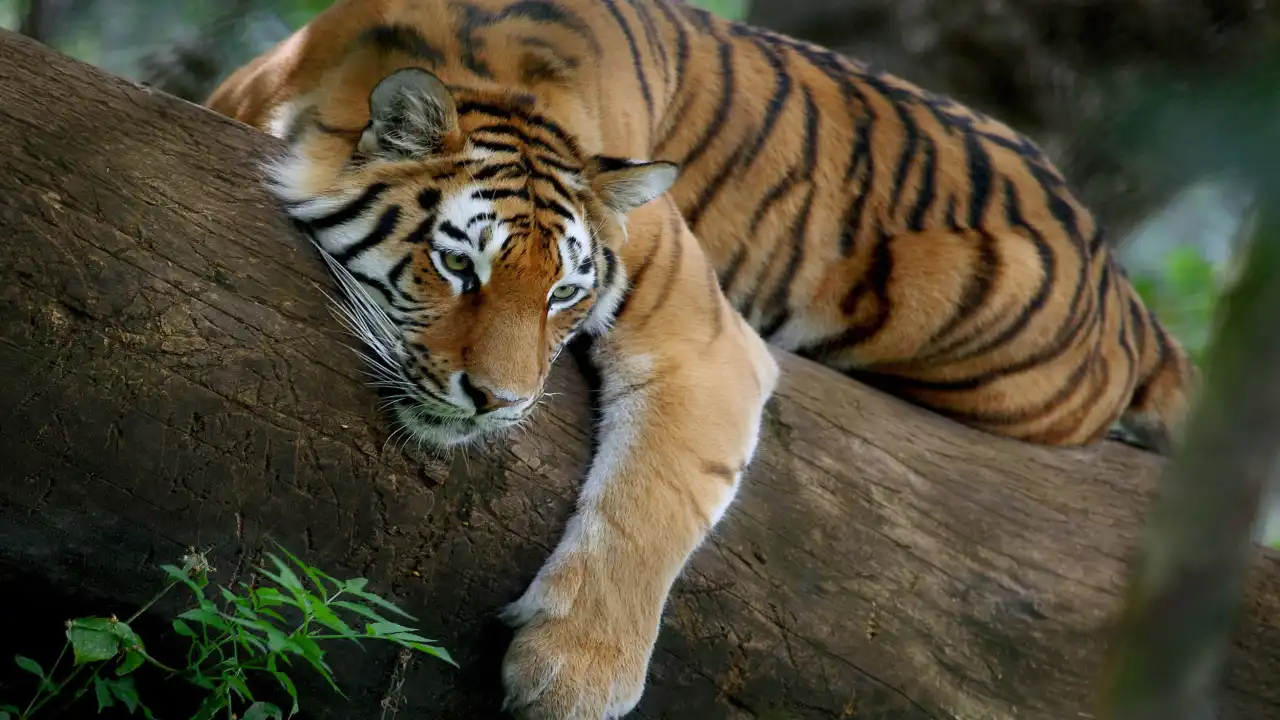
November 1, 2026 is the announced date. Chhattisgarh's principal chief conservator of forests has confirmed that the department is working toward it. Field-level officers have been more cautious and say the first phase depends on preparations and approvals, with a possible slip to around the end of the year or the New Year.
If you are following the Indravati Tiger Reserve reopens news and planning around a fixed date, keep your bookings flexible until the official notice is out.
Why Is Indravati Tiger Reserve Reopening After So Long?
Indravati came under Project Tiger in 1983, but tourism never took off. Prolonged left-wing extremism kept tourists and forest staff out of large parts of the reserve. The deputy director says it limited staff access to roughly 70 percent of the area.
The reopening follows an improvement in the regional security situation, which has allowed more patrolling and a steadier field presence. Officials now consider organised tourism on defined routes workable.
Where Is Indravati Tiger Reserve?
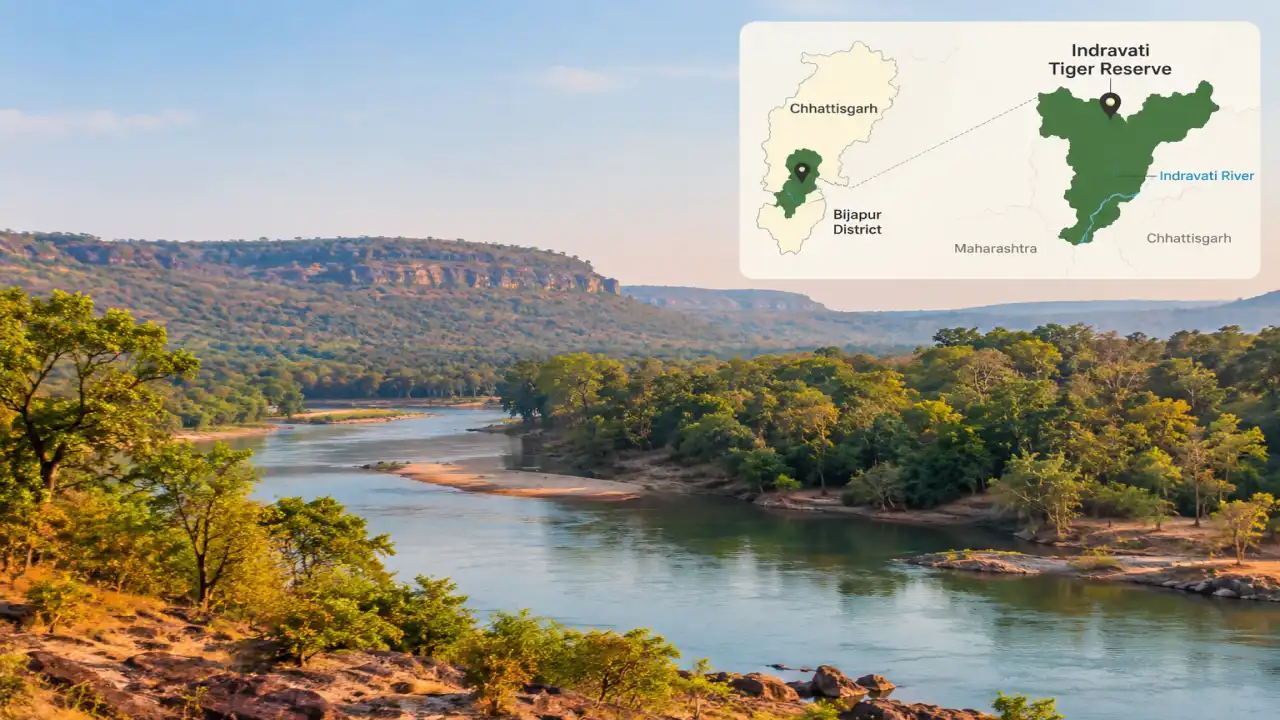
The reserve is in Bijapur district, in the Bastar region of Chhattisgarh, near the Maharashtra border. It covers 2,799.07 sq km, of which 1,258.37 sq km is critical tiger habitat and 1,540.70 sq km is buffer. The Indravati River, a tributary of the Godavari, gives the reserve its name. It adds riverine stretches to a landscape of dry and moist deciduous forest, plateaus and low hills.
How to Reach Indravati Tiger Reserve
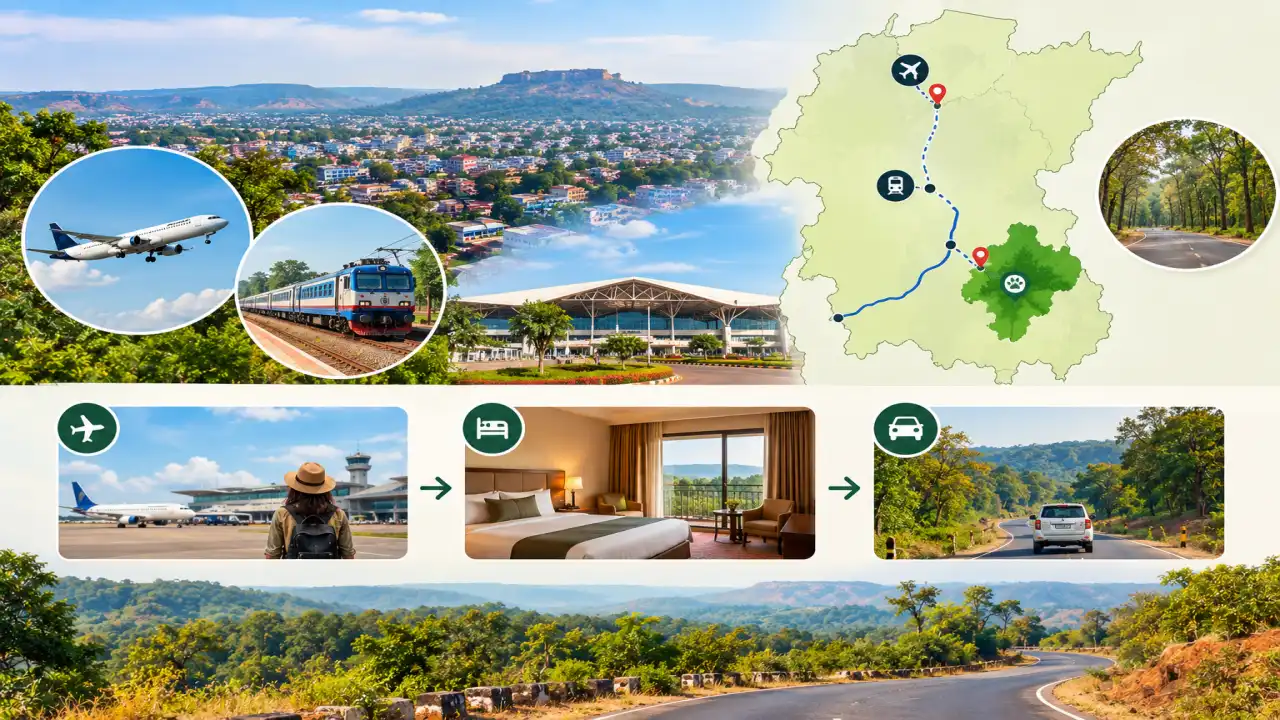
Jagdalpur is the practical base for most travellers. It has the nearest railway station and a small airport with limited flights. Raipur is the bigger air hub, but it means a long extra road journey, so check current flight options before choosing between the two.
From Jagdalpur, older park listings put the reserve at roughly 170 km by road. Allow a full half-day and confirm the current distance and road conditions with your operator.
A realistic route looks like this:
- Fly or take a train into Jagdalpur.
- Stay overnight in Jagdalpur.
- Drive towards Bijapur/Bhopalpatnam the next morning, in daylight.
Where Are the Safari Gates and Routes?
The first phase is small. The field director has described a 30-km safari route, with a possible gate at Ullur near Bhopalpatnam and a second gate near Mattimarika, close to the Indravati River. Eco-huts are part of the proposal, but no final decision has been taken. The initial circuit is expected to cover just two or three specific areas.
Officials are also preparing locker rooms where tourists will leave digital devices before entering the forest. Do not plan on carrying a phone or camera into the safari zone until the rules are published.
What Makes Indravati Tiger Reserve Different?
Indravati has never been part of the mainstream safari circuit the way Kanha or Bandhavgarh have. That means fewer crowds and no established tourism playbook.
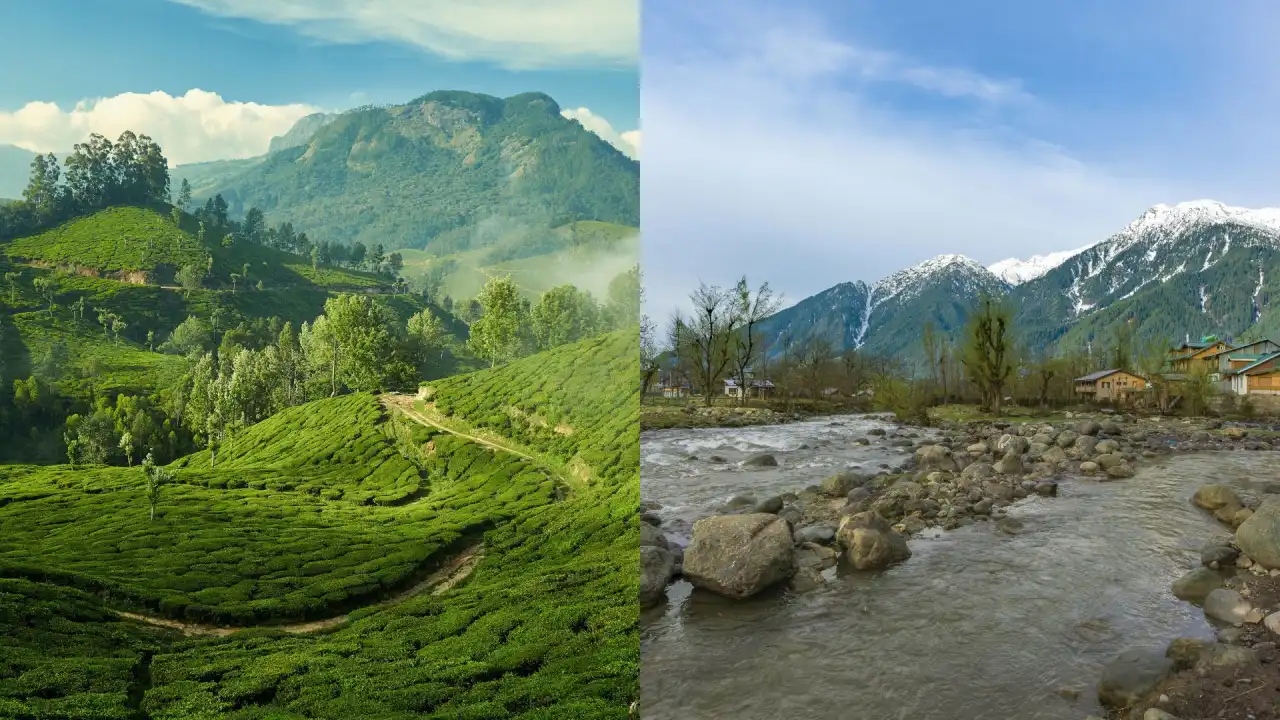
The terrain is varied. Deciduous forest gives way to bamboo stands, teak patches, open grassland, and low hills cut by seasonal streams. The communities around the reserve, including the Gond, Muria, and Maria, have their own craft traditions, food, and forest knowledge, and the trip is richer if you make time for them.
What Wildlife Can You See at Indravati Tiger Reserve?
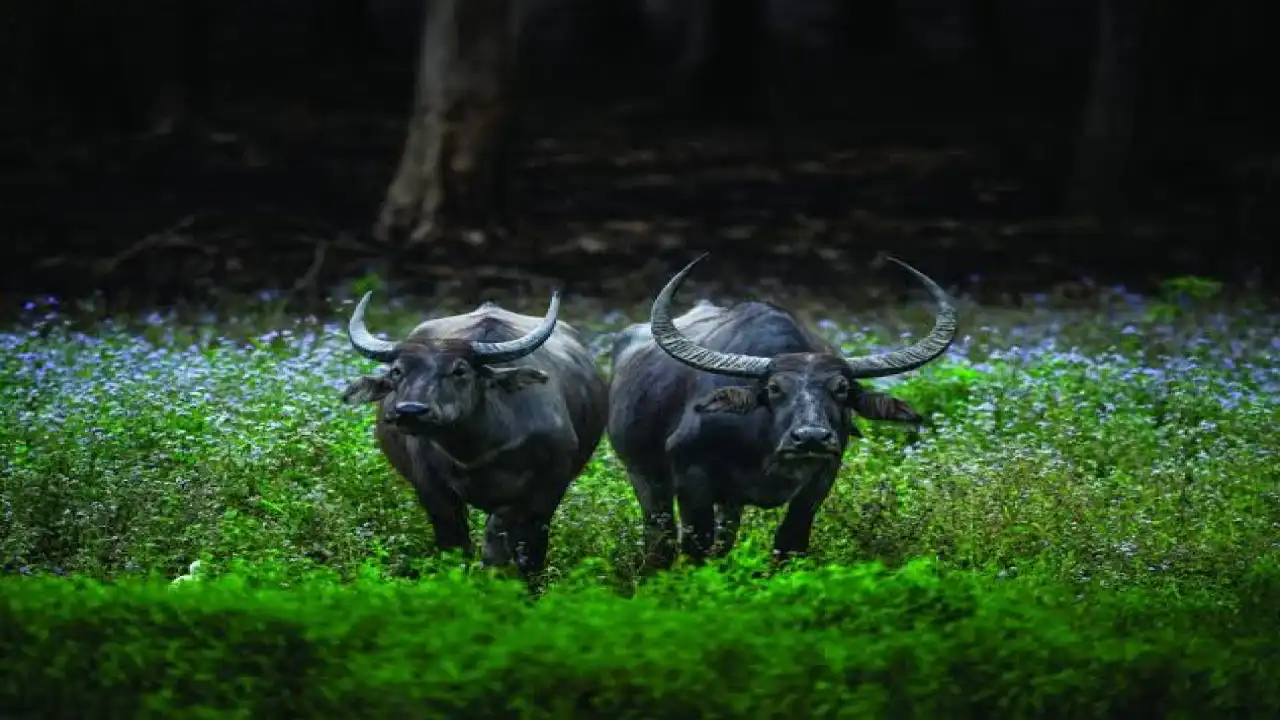
The reserve is home to tigers, Asiatic wild buffalo, leopards, gaur, sloth bears, dhole (Asiatic wild dog), and several deer species.
- Wild Asian buffalo: Indravati holds one of the last viable populations in India. For many wildlife travellers, this is the main reason to go.
- Tiger: Sightings are unlikely. The last census figure available, from 2018-19, counted three tigers, and that survey covered only part of the reserve. A wider survey covering about 400 sq km began in late 2023, but I could not find a confirmed updated count.
- Other species: leopard, gaur, dhole, sloth bear, sambar and other deer.
Suggested Read: What Wildlife Can You See in North East India?
What Will the Safari Experience Be Like?
Expect jeep safaris on a short, controlled circuit. Officials say vehicle numbers and visitor limits will follow NTCA and Supreme Court safari guidelines. Vehicle types, time slots and permit rules are not confirmed.
Most of the reserve will stay off-limits, including the remaining core areas. Treat the first trip as a short wildlife and landscape visit, not a full safari holiday.
Beyond the Safari Vehicle
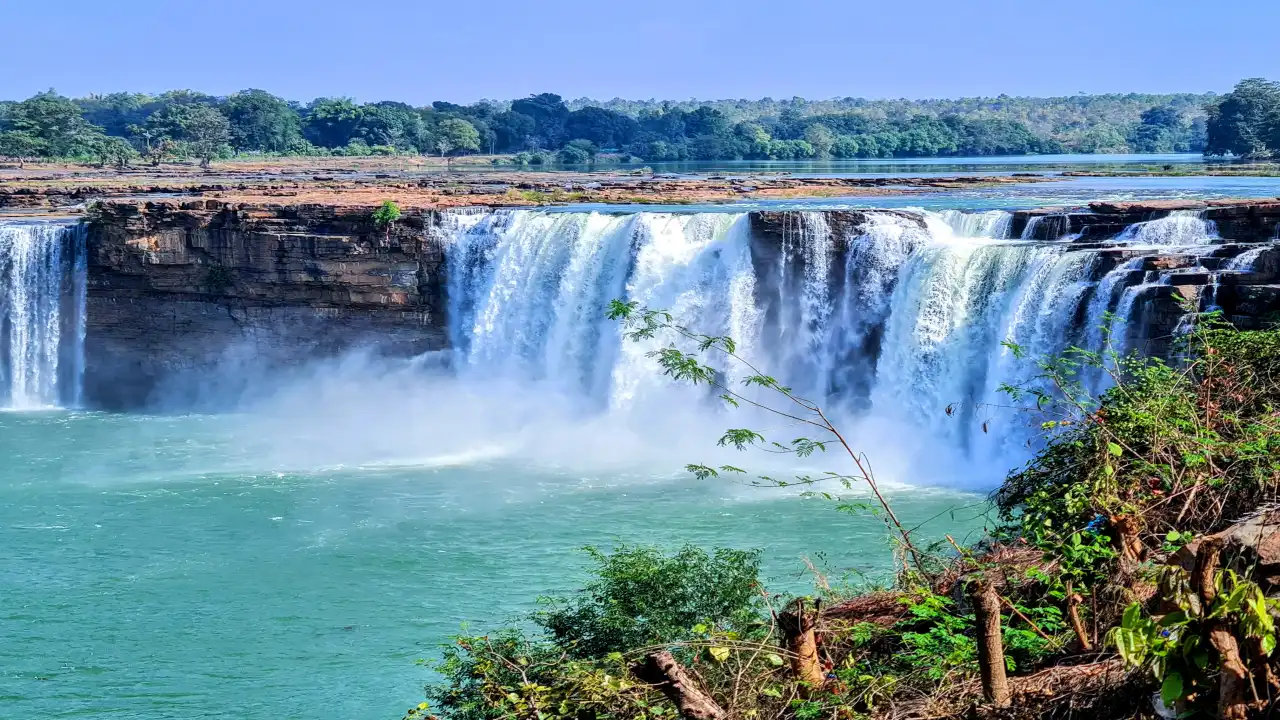
The forest itself is worth slowing down for. The Indravati River brings cooler air and different birdlife, a change from tracking in dry forest. Bastar offers plenty to pair with the reserve. Kanger Valley National Park and Chitrakote Waterfalls are both close to Jagdalpur, and local food and handicrafts make for good stops along the way.
Best Time to Visit Indravati Tiger Reserve
November to February is the most comfortable window, with cooler weather and the forest still green after the monsoon. March to May is hotter, but sightings around water sources can improve as the forest dries. The monsoon is likely to bring closures, pending an official calendar. Older listings suggest the best season runs from mid-December to mid-June.
How Many Days Should You Plan?
Two nights near the reserve are enough for the safari, with buffer days either side for the Jagdalpur journey. A four-day trip works well if you add Chitrakote and Kanger Valley. Book refundable options where possible until dates are official.
Indravati Tiger Reserve Trip Snapshot
Where to Stay Near Indravati Tiger Reserve
Stay options near the reserve are limited. Most existing lodging in Bijapur is geared towards government and business travel. Jagdalpur has the widest range of hotels, so most travellers will base themselves there for now. Eco-huts, homestays and community-run stays are being discussed but are not confirmed. Expect accommodation to lag behind safari access for the first season or two.
Is Indravati Tiger Reserve Safe for Tourists?
Tourism is opening only in areas the forest department has secured. The region's history of left-wing extremism is the reason access has been restricted for so long, and it is why the rules below matter.
- Travel in daylight only.
- Use authorised forest department guides only.
- Stay on designated routes and do not ask guides to deviate.
- Check the latest forest department and district advisories before you leave.
- Carry printed permits and ID, because network coverage in the forest belt is patchy.
Indravati Tiger Reserve vs Other Central India Tiger Reserves
Choose Kanha or Bandhavgarh for a tiger-focused trip. Choose Indravati if you want something new and are happy with a limited first-season experience.
Responsible Tourism Highlights
- Follow photography and device rules.
- Keep noise down and give animals space.
- Do not expect or demand a sighting.
- Book through local guides and operators where possible.
- Respect the customs of Bastar's communities.
What the Reopening Means for Bastar
Tourism is expected to create work for guides, drivers, and hospitality staff drawn from local communities, along with space for local products and community-run stays. Visitor fees are also meant to help fund the forest department. Officials say they are working within NTCA guidelines to keep visitor numbers compatible with the reserve's ecological sensitivity. The next few seasons will show how well that holds.
Final Takeaway
Indravati Tiger Reserve is opening as a small, first-season circuit, with routes and rules that will likely change as the forest department learns what works. Go for the wild buffalo, the landscape and Bastar, and treat any tiger sighting as a bonus. If your priority is a guaranteed tiger, Kanha or Bandhavgarh are safer bets this season.
Once official booking details are out, Travel Junky will share updates on Indravati and Bastar packages. Check back here or get in touch with the team to plan a Chhattisgarh wildlife trip.
Indravati Tiger Reserve FAQs
When does Indravati Tiger Reserve open for tourists?
November 1, 2026, has been announced. Some officials say the first phase may run to year-end or New Year, depending on preparations.
Where is Indravati Tiger Reserve located?
In Bijapur district, in the Bastar region of Chhattisgarh, near the Maharashtra border.
Why was Indravati Tiger Reserve closed to tourists for so long?
Left-wing extremism kept tourists and most forest staff out of large parts of the reserve after it became a tiger reserve in 1983.
How do I book a safari?
Booking channels have not been announced. Watch the Chhattisgarh Forest Department's official notices.
What will the safari cost?
Entry and safari fees have not been published.
Can I see a tiger?
It is unlikely. The last confirmed census count was three tigers, so the wild buffalo is the stronger draw.
What animals live in the reserve?
Tigers, wild Asian buffalo, leopards, gaur, dhole, sloth bears, and several deer species.
Can tourists explore the whole reserve?
No. Only the selected first-phase circuit will open, and the remaining core areas stay off-limits.
How do I reach Indravati Tiger Reserve?
Travel to Jagdalpur by train or air, then drive in daylight towards Bijapur/Bhopalpatnam. Raipur is the larger air hub.
Is it safe for tourists?
Safari access is only in areas cleared by the forest department. Travel in daylight, go with authorised guides, and check current advisories.
What is the best time to visit?
November to February is the most comfortable. March to May can be better for sightings around water. Access may be limited during the monsoon.