Day of the Dead in Mexico: A Cultural Festival Worth Travelling For
Every year, from October 31 to November 2, Mexico just changes. It's hard to explain until you're standing there and seeing marigolds everywhere, candles on every corner, and music playing out of houses. Day of the Dead in Mexico is about remembering the loved ones you've lost. Mexico City, Oaxaca, Pátzcuaro these three get most of the attention. Makes sense. But here's the thing nobody tells you: they're not the same festival wearing different outfits. A tiny island on Lake Pátzcuaro is something else completely. That difference is kind of the whole point.
What Is Day of the Dead?

Basically, it's about remembering people: Family, friends, whoever mattered. Families build ofrendas, or altars with photos, candles, flowers, food the person liked, sometimes just an old hat or a coffee mug that was theirs. Things that bring a person back into the room for a bit.
The roots go way back, Indigenous, long before Spanish colonization. Catholic traditions got folded in later. So you end up with this strange, kind of beautiful mix: old meets new, sacred meets festive. It's not just sad either. There's laughing. There's music. There's food everywhere. Somehow it all works together.
When Is It Celebrated?

Three days, mainly:
- October 31: Families make final preparations, decorate altars, and many destinations begin public events.
- November 1: Traditionally known as Día de los Angelitos or Day of the Little Angels, this day is associated with children who have passed away.
- November 2: Traditionally dedicated to deceased adults and known as Día de los Muertos.
Pro Tip: Try to get there by October 31. Watching people set everything up is honestly half the experience. Maybe more than half.
Best Places to Celebrate
1. Mexico City

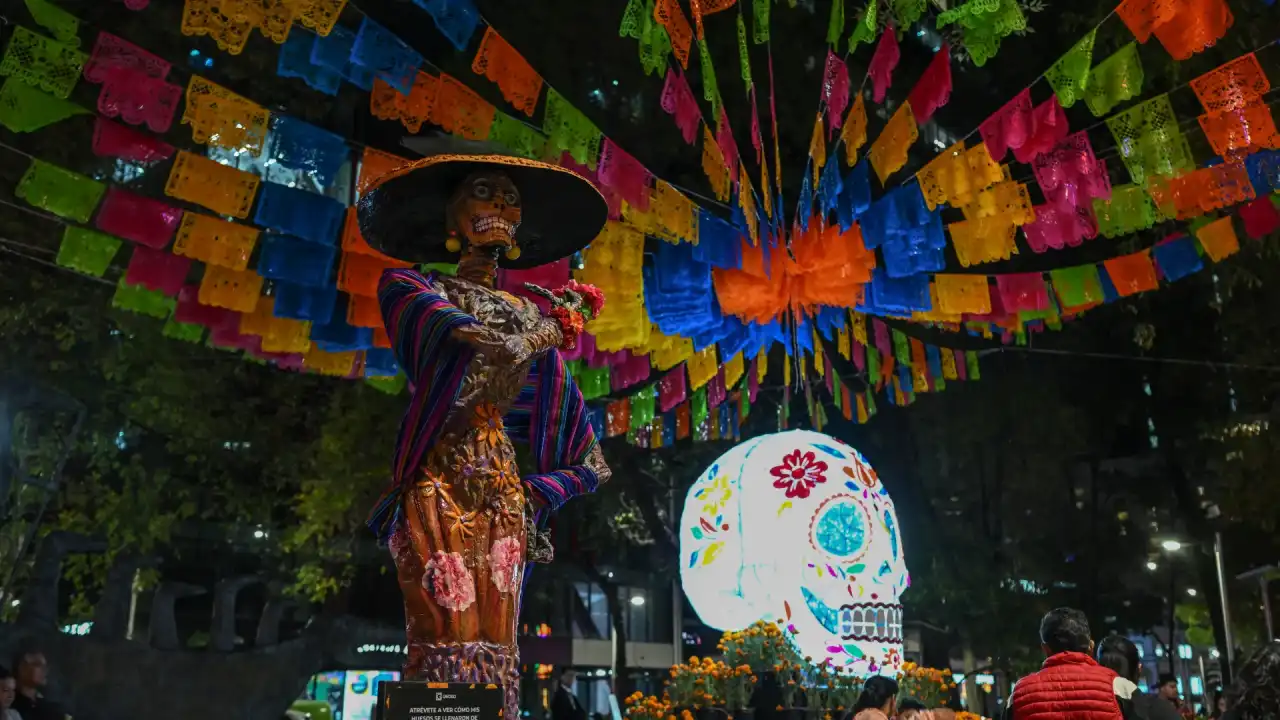
Big city, bigger celebration. Parades take over whole streets. Visitors can see colourful decorations, exhibitions, cultural performances, and the famous Day of the Dead parade.
Highlights
- Day of the Dead parade
- Historic centre
- Ofrenda exhibitions
- Xochimilco
- Local food and markets
Book a hotel early. Prices go up fast once the festival gets close.
2. Oaxaca

Want the traditional version people always talk about? Go to Oaxaca. Cemeteries turn into these glowing spaces: candles, flowers, colour everywhere you look. The Day of the Dead Mexico festival here comes with processions moving through the streets, markets full of sugar skulls and handmade things, and food good enough to justify the trip by itself.
Highlights
- Cemetery visits
- Traditional altars
- Street decorations
- Local markets
- Processions
- Oaxacan food
3. Pátzcuaro and Janitzio

Quieter and Heavier too, in a way. The Lake Pátzcuaro area still holds onto Purépecha Indigenous traditions, and Janitzio Island is where people go for the candlelit cemetery gatherings. Boats crossing dark water at night, nothing but candlelight pictures don't really do it justice.
Highlights
- Janitzio Island
- Cemetery traditions
- Purépecha culture
- Local food
- Handicrafts
Pro Tip: Book your boat transfer early. This place fills up, and boats run out fast.
4. Mérida

Down in the Yucatán, it's called Hanal Pixán, a Maya tradition, with a different feel than up north. Food matters a lot here. So do performances and the community altars set up around town.
Highlights
- Hanal Pixán traditions
- Yucatecan food
- Cultural performances
- Traditional altars
- Historic city centre
5. San Miguel de Allende

Pretty streets, old colonial buildings, festival things layered on top. Good combo. Public altars line the streets. Processions move through. Usually some kind of performance happening close by too.
Highlights
- Historic centre
- Public altars
- Processions
- Local food
- Art and markets
6. Mixquic

Just outside Mexico City. Sticks close to its cemetery traditions. Families sit by graves with candles burning, marigolds everywhere, the smell of flowers and candle wax mixing; you notice it right away.
Highlights
- Cemetery traditions
- Candlelit graves
- Marigold decorations
- Local food
- Traditional events
Visitors should be respectful when entering cemeteries and should always ask before photographing people or private family altars.
7. Guanajuato

Colourful streets, public altars scattered around town, museums running special exhibits. Guanajuato leans into the festival but keeps its historic feel intact.
Highlights
- Historic streets
- Public altars
- Cultural performances
- Museums
- Local cuisine
Food to Try

Can't talk about this festival without talking about food. Look out for:
- Pan de muerto: sweet bread, a bit citrusy, sold pretty much everywhere this time of year.
- Tamales: Corn-based dishes prepared with different fillings.
- Mole: A rich Mexican sauce served with various dishes.
- Sugar skulls: more for looking at (and gifting) than eating, but still part of the fun.
- Traditional hot chocolate: Often enjoyed with pan de muerto
- Regional dishes: ask locals what's specific to where you are.
Why Visit During Day of the Dead?
If you're after Mexico cultural festivals worth travelling for, this one goes past regular sightseeing. Family, food, art, history, everyday community life all mixed in a way you don't really find elsewhere. Mexico City brings scale and noise. Oaxaca leans traditional. Pátzcuaro feels quieter, more personal. Every place gives you a different angle on the same celebration.
Plan Your Mexico Holiday with Travel Junky
Travel Junky can put together a Mexico holiday built around the festival dates: accommodation, transfers, sightseeing, all of it. An International trip package can also be planned according to the preferred duration and destinations.
Conclusion
Day of the Dead is one of Mexico's most distinctive celebrations. There's really nothing else quite like it. Visiting between October 31 and November 2 means catching the traditions, the food, the decorations, and the sense of community up close while still leaving room to explore some of the country's most interesting corners along the way.
Travel Tips
- Book accommodation months ahead. Seriously, don't wait on this.
- Sort out flights and transport early too.
- Try to land before November 1.
- Check local schedules; timing shifts depending on the town.
- Carry cash for markets and food stalls.
- Wear shoes you can actually walk in. You'll need them.
- Expect crowds, especially at bigger events.
- Ask before photographing people or private altars.
- Treat cemeteries with respect. They're not tourist attractions.