Does Thailand Have Visa-Free Entry for Indians? Latest 2026 Rules Explained
If you have been refreshing travel forums lately, trying to figure out if your Bangkok trip's still on? You're not the only one. The past couple of months have been a genuine headache for anyone holding an Indian passport with a Thailand trip in mind. Rumors flew around, cabinet meetings happened, plans got shelved then un-shelved again. Is Thailand visa-free for Indians 2026? That’s exactly the kind of policy back-and-forth that makes you want to just call the embassy and ask someone directly instead of trusting a random forum thread. So, cutting through most of the noise. We want to guide you through the Thailand visa rules for Indian travellers in 2026.
Is Thailand Still Visa-Free for Indians?
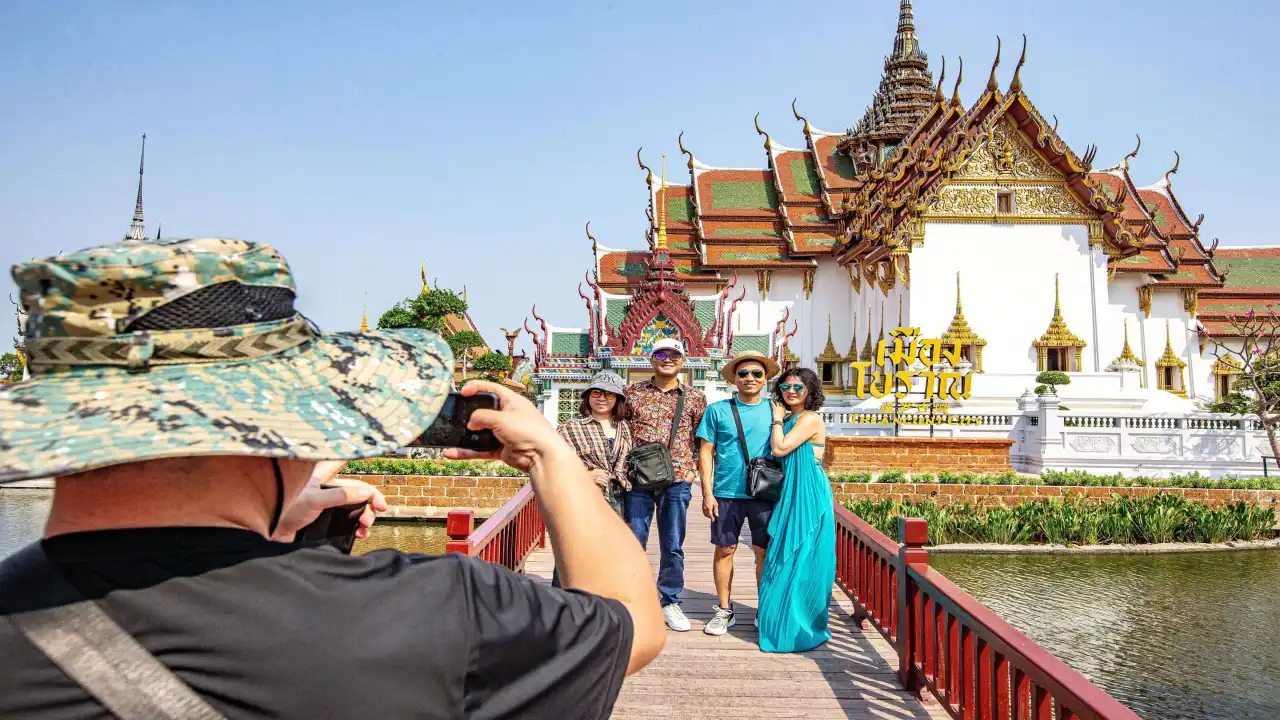
Yes, it is. On July 14, 2026, Thailand's cabinet decided India would keep its spot on the 30-day visa-free list, reversing an earlier plan that would've scrapped visa-free access for Indian travelers altogether. That said, and this bit matters, as of the most recent official update (July 16, 2026), the change still hasn't legally kicked in. It needs Royal Gazette publication first, then 15 more days after that. Until that happens, the older 60-day exemption technically remains the rule at the border. Confusing, sure. But that's genuinely where things sit right now.
Table of Contents
- Thailand Visa-Free Update at a Glance
- What Has Changed?
- Is Thailand Still Visa-Free for Indians?
- How Long Can Indians Stay Without a Visa?
- Entry Requirements for Indian Travellers
- Documents You Should Carry
- Do Indians Need the TDAC?
- Can You Extend Your Visa-Free Stay?
- Who Should Apply for an e-Visa Instead?
- Popular Trips in 30 Days
- Tips for Indian Travellers
- Final Thoughts
Thailand Visa-Free Update at a Glance
Quick Note: before anyone books tickets purely off this table: the five Ministry of Interior announcements covering this become law only 15 days after Royal Gazette publication. And as of mid-July 2026, that publication hadn't happened yet. So there's a real gap between "cabinet approved it" and "it's actually enforced at immigration." Keep that in mind.
What Has Changed in Thailand's Visa-Free Policy?
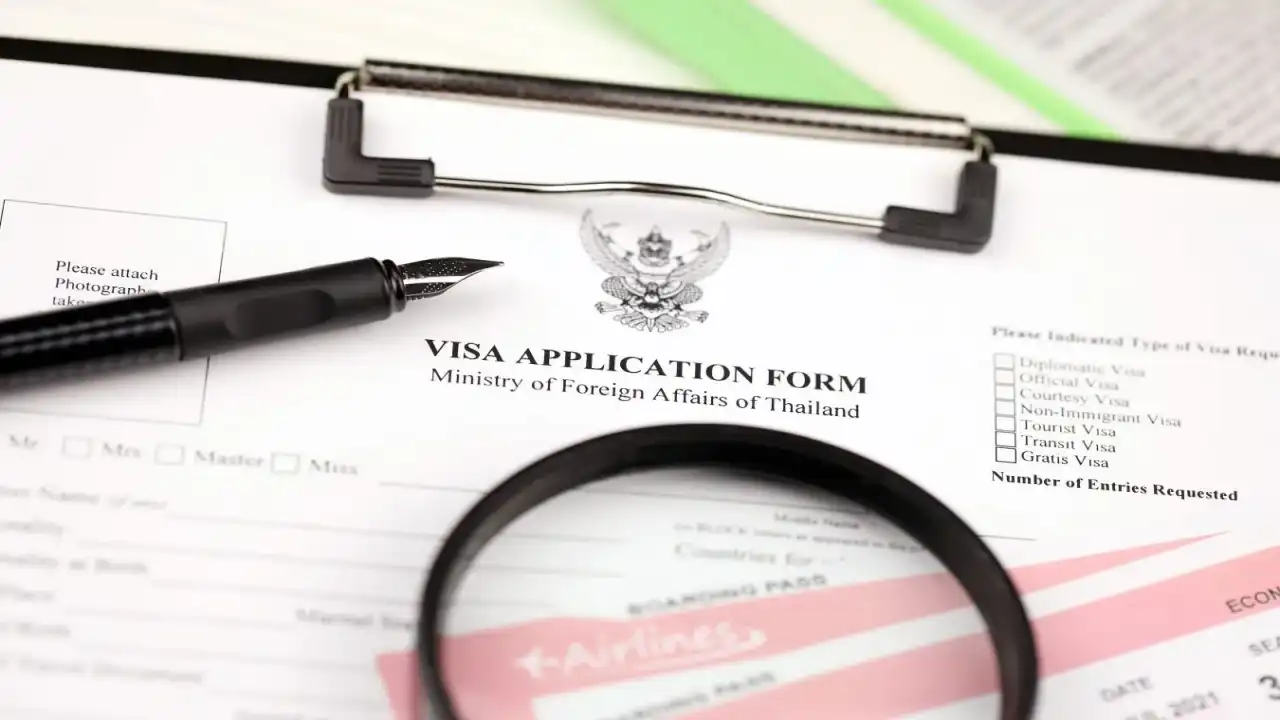
For a good while, Indian travelers had it easy, honestly. Walk up, get stamped, stay 60 days, no fuss. That scheme ran since mid-2024. Then things got messy, as these things tend to. Back in May 2026, Thailand's cabinet floated a plan to end the 60-day exemption across dozens of countries at once. The original draft would've pulled India off the visa-free list entirely, shifting Indian nationals onto a 15-day visa-on-arrival setup instead, alongside Azerbaijan, Belarus, and Serbia.
That plan did not land well, not even close. Bookings slowed down, confusion spread across travel forums and agent WhatsApp groups, and Thailand's tourism numbers from India, one of its bigger source markets, took a real hit. Officials noticed pretty quickly. Tourism Minister Surasak Phancharoenworakul later said the original proposal caused confusion among Indian travelers and led to a drop in arrivals from the country.
So they walked it back. By July 14, 2026, the cabinet reversed course, keeping India on the visa-free list, just trimming the stay window from 60 days down to 30. The minister explained the 30-day approval was meant to line up with how Indian tourists, a sizeable market for Thailand, actually travel, and added the policy could be revisited down the line if problems come up.
Why did Thailand reduce the visa-free stay?
Mostly security concerns, plus a broader shift Thailand's been working through since May 2026, across all 93 previously visa-exempt nationalities, moving away from a blanket 60-day window toward shorter, tiered stay limits instead. Officials tied the reasoning to security worries and a pivot from chasing raw visitor numbers toward what they're calling "quality tourism." India got pulled back from the harsher original proposal purely because of the tourism fallout, landing at 30 days rather than losing visa-free status entirely.
Who Can Enter Thailand Visa-Free?
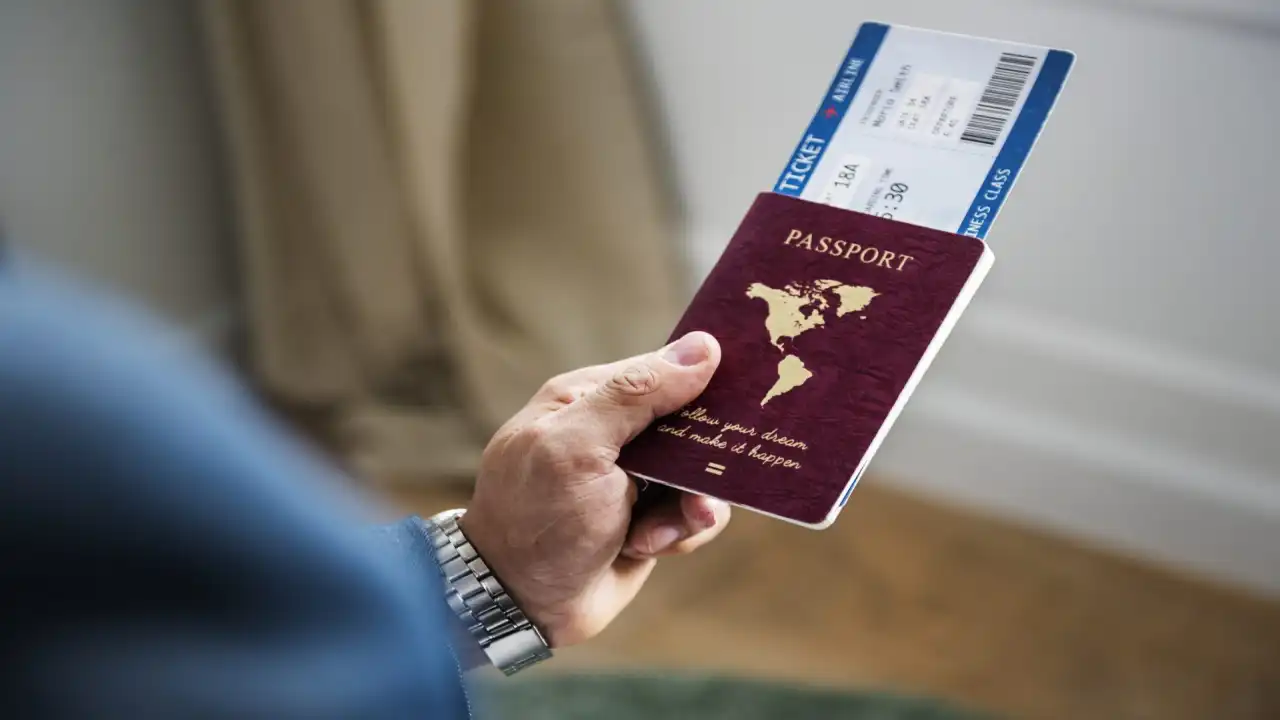
Entry applies to leisure travel, visiting family, casual sightseeing, that sort of thing. Not business assignments, not work. Business travelers popping in for short meetings or conferences generally still fall under the same exemption, but if you're actually planning to work in Thailand or stay long-term, you need a proper visa category, not the tourist exemption, full stop. This distinction trips people up more than you'd expect. Immigration officers at Suvarnabhumi or Don Mueang do ask about the purpose of visit sometimes, and a business laptop bag stuffed with meeting printouts can draw more questions at the counter than a plain tourist arrival would. Worth keeping documentation straight either way.
How Long Can Indians Stay in Thailand Without a Visa?
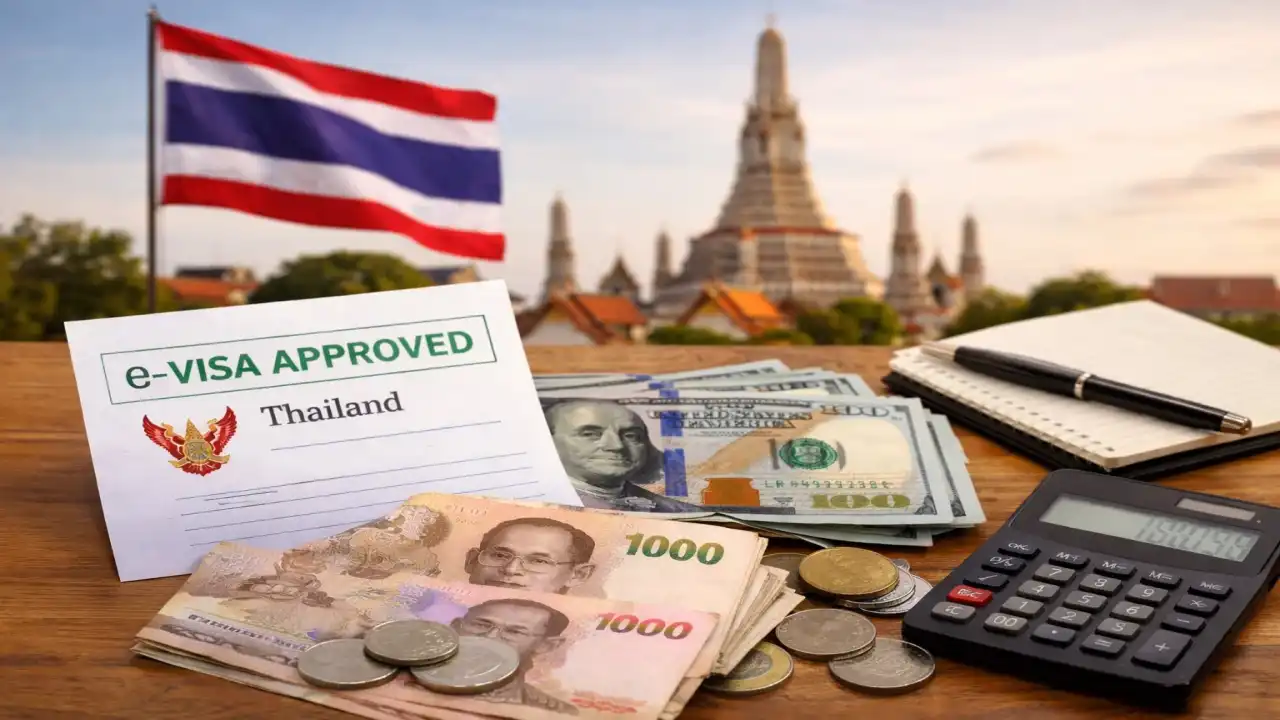
Thirty days per visit, once the new rule actually takes effect. Right now, technically, it's still 60, pending that Gazette publication. Either way, it applies per single entry, not added up across multiple trips in a year, though yes, immigration does sometimes raise an eyebrow at back-to-back visits regardless of exact day counts. Overstaying isn't something to shrug off here. Fines accumulate per day past your permitted stay, and longer or repeated overstays can get you blacklisted, sometimes for years, before Thailand lets you back in. Immigration officers also hold some discretion right at entry. Visa-exempt on paper doesn't guarantee automatic entry every single time; worth remembering that.
Quick Fact: Visa-free doesn't mean unrestricted entry. Thai immigration can, and does, ask for supporting documents at the border, and can deny entry even to eligible nationalities if something about the trip doesn't add up properly.
Entry Requirements for Indian Travellers
- Passport valid at least 6 months from date of entry
- Confirmed return or onward flight ticket
- Hotel booking confirmation covering your full stay
- Proof of sufficient funds (may get requested, rarely enforced strictly, but bring it anyway)
- Travel insurance (not mandatory right now, though genuinely worth having given rising hospital costs for foreign visitors)
- Standard immigration checks on arrival, sometimes including questions about purpose and length of visit
Do Indians Need the Thailand Digital Arrival Card (TDAC)?
Yes, no way around this one, regardless of your visa status. Since May 1, 2025, every foreign national entering Thailand, by air, land, or sea, needs to complete the Digital Arrival Card electronically before landing. That covers tourists, business travelers, long-term residents- everyone. It replaced the old paper TM6 card. Timing here actually matters. The window opens 72 hours before your scheduled arrival, counted from your landing time, not when you leave home. Try filing earlier, and it just won't process; the system doesn't accept it outside that window. No real benefit to submitting the second it opens either, and no penalty for doing it an hour before landing, so don't overthink the exact moment; just don't forget entirely. The form's free, takes maybe ten minutes if you're not fumbling with wifi, and covers passport info, travel dates, your accommodation address in Thailand, plus basic health declarations. Complete it at tdac.immigration.go.th. Every traveler needs their own, including kids and infants, though families can submit as a group.
Documents You Should Carry
- Valid passport (minimum 6 months left on it)
- Return or onward flight ticket, printed
- Hotel booking confirmation
- Rough travel itinerary, doesn't need to be detailed
- Proof of sufficient funds, bank statement or forex card usually does the job
- TDAC confirmation, printed or saved offline (airport wifi isn't always reliable, learned that the hard way)
- Emergency contacts, Indian and local Thai numbers both, if you've got a tour operator arranging things
Can Indians Extend Their Visa-Free Stay?
Extensions do exist, but don't build your trip around one as a backup plan. Thai immigration offices, the main one on Chaeng Watthana Road in Bangkok included, process extension applications for visa-exempt stays, usually adding up to 30 extra days. But it's not automatic; approval depends on the officer, your documentation, sometimes even your prior travel history in Thailand.
Applications involving previous overstays, unclear purpose of visit, or shaky funds documentation often get turned down outright. Safer bet, honestly, is just planning your trip within the 30-day window from the start rather than counting on an extension smoothing things over later.
When Should You Apply for a Thailand e-Visa Instead?
Skip the visa-exempt route and go for an e-Visa if any of these apply to your trip: staying past 30 days, formal employment or a long-term work assignment, academic study, structured business activity beyond quick meetings, multiple planned entries in a short span, or specialized travel like medical treatment needing extended recovery time. Thailand's e-Visa system has been expanding steadily, and for anyone with clearly defined longer-stay needs, it removes a lot of the guesswork that comes with leaning on tourist exemptions instead.
What Can You See in Thailand in 30 Days?
Thirty days is genuinely plenty for most leisure trips, more time than most Indian travelers actually use even under the old 60-day rule, given that the average visit runs closer to a week anyway.
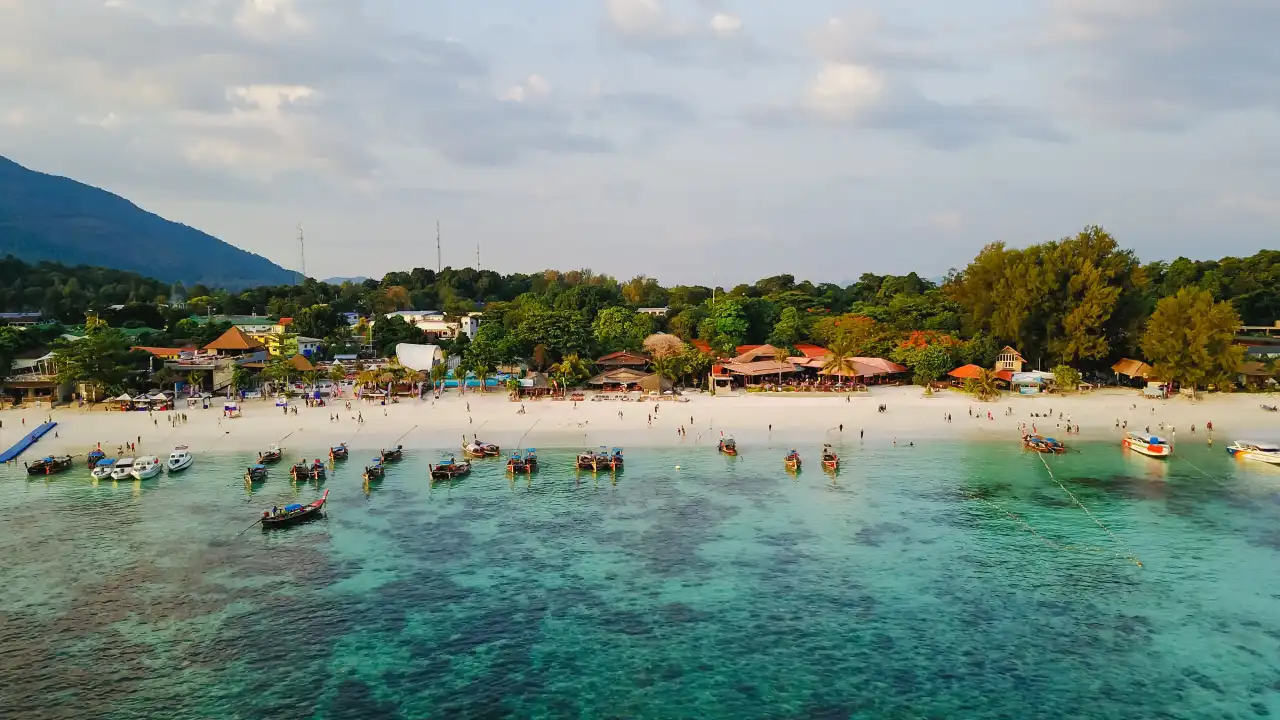
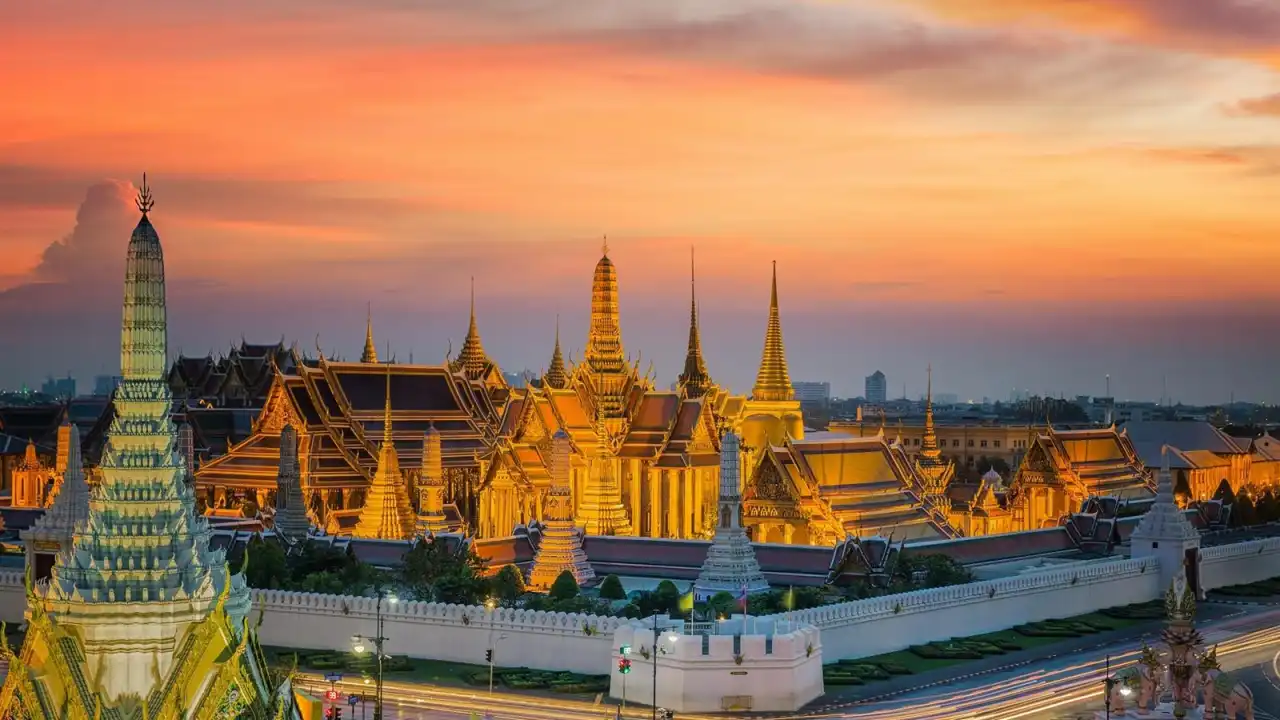
Bangkok covers temples, the street food scene around Chinatown, and river life along the Chao Phraya. Phuket and Krabi handle beach time and island hopping; Railay Beach and the Phi Phi islands both work as easy day trips from either base. Chiang Mai brings mountain air, old city temples, and the Sunday walking street market. Koh Samui's a quieter beach alternative if Phuket feels too crowded. Pattaya stays popular for shorter trips closer to Bangkok. Ayutthaya, just a couple of hours north, covers the old capital's ruins comfortably in a single day. Pair two or three of these regions together and a well-paced two-three week itinerary fits inside the 30-day window with room left over.
Tips for Indian Travellers After the New Visa Update
- Book return tickets before you fly out, not after arrival
- Complete TDAC within that 72-hour window before landing
- Carry printed hotel bookings, not just digital copies
- Keep passport validity above six months at time of travel
- Don't push right up against the 30-day limit if your plans have any flexibility at all
- Check official Thai immigration and embassy advisories close to your travel date, since the Gazette publication date for these new rules still wasn't confirmed as of mid-July 2026
Final Thoughts
Thailand remains one of the easier international destinations for Indian travelers to navigate, even with this stay-duration change working its way through. The visa-free scheme itself isn't going anywhere, and for most leisure trips, 30 days is more than enough runway once it's actually in force. What's really shifted is the planning margin: less room for loose, extend-as-you-go trips, more need to plan within the window from day one. And given that the exact enforcement date was still pending Royal Gazette publication as of mid-July 2026, it's worth checking official Thai immigration advisories close to your actual travel date rather than relying on any single article, this one included, however current it aims to be.
For anyone sorting out logistics around Thailand, it helps to share your travel window and rough interests upfront, so the itinerary gets built around whichever rule is actually in force by the time you fly, without last-minute scrambling over paperwork. So, why wait anymore? Go and check out Thailand tour packages by Travel Junky for a trip that doesn’t let you take the headache of logistics.
Frequently Asked Questions
Is Thailand still visa-free for Indians in 2026?
Yes. Following the July 14, 2026 cabinet decision, India stays on the visa-free list, though the stay duration moves to 30 days from the earlier 60, once the change formally takes effect.
How many days can Indians stay in Thailand without a visa?
Up to 30 days per visit once the new rule kicks in. Right now, technically, the older 60-day rule still applies pending Royal Gazette publication.
Has Thailand ended visa-free entry for Indians?
No. An earlier proposal considered exactly that, but it got reversed after Indian tourist arrivals dropped noticeably.
Do Indians need TDAC?
Yes, mandatory for all foreign nationals regardless of visa status, completed online within 72 hours of arrival.
Can I extend my 30-day stay?
Possibly, through a Thai immigration office, but it's not guaranteed and depends on individual circumstances at the time.
Is travel insurance mandatory?
Not currently required for Indian tourists, but genuinely worth having anyway.
What happens if I overstay?
Daily fines apply, and repeated or extended overstays can lead to entry bans down the line.
Can I work while visiting visa-free?
No. Tourist visa-exempt entry doesn't allow any kind of employment.