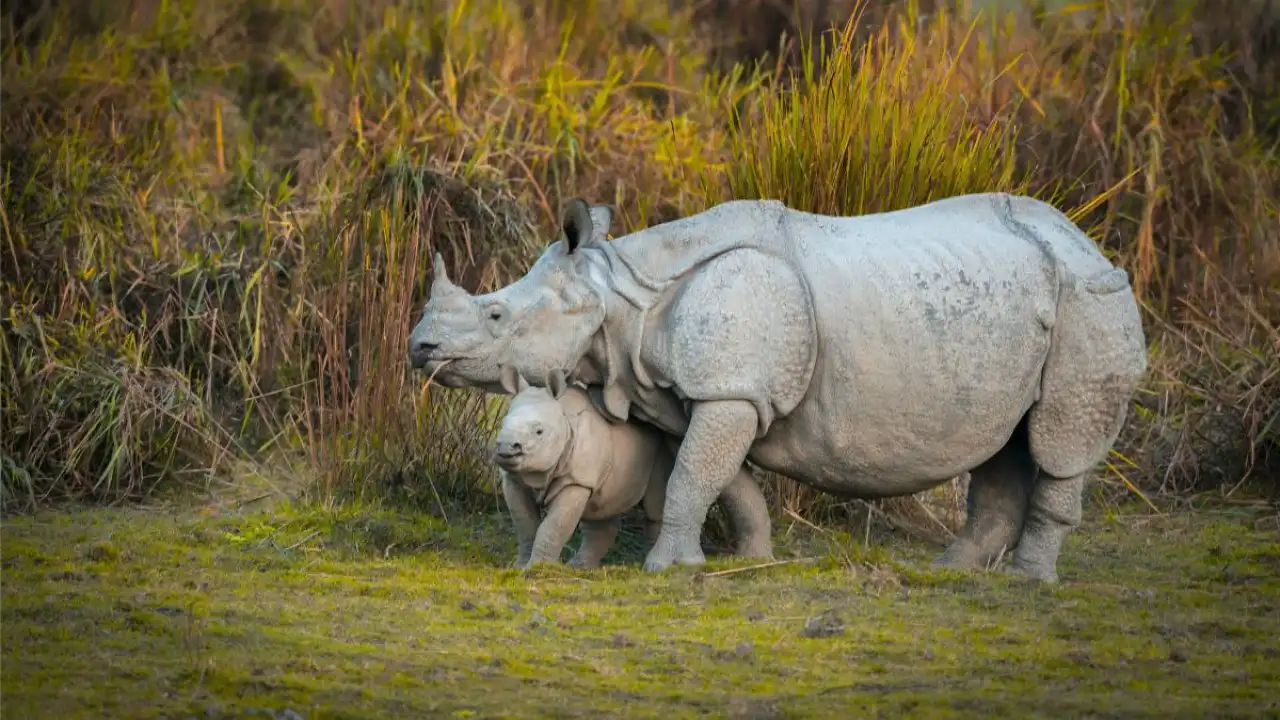
Kaziranga National Park: Where the Wild Still Rules
There is an Assamese song that says “Kaziranga bor dhunia, eku rei nai tulona” which means the beauty of Kaziranga is such that it's incomparable to anything in this world. And it's true in every sense, but since beauty lies in the eyes of the beholder, you should catch a glimpse of Kaziranga yourself and let your eyes decide the rest.
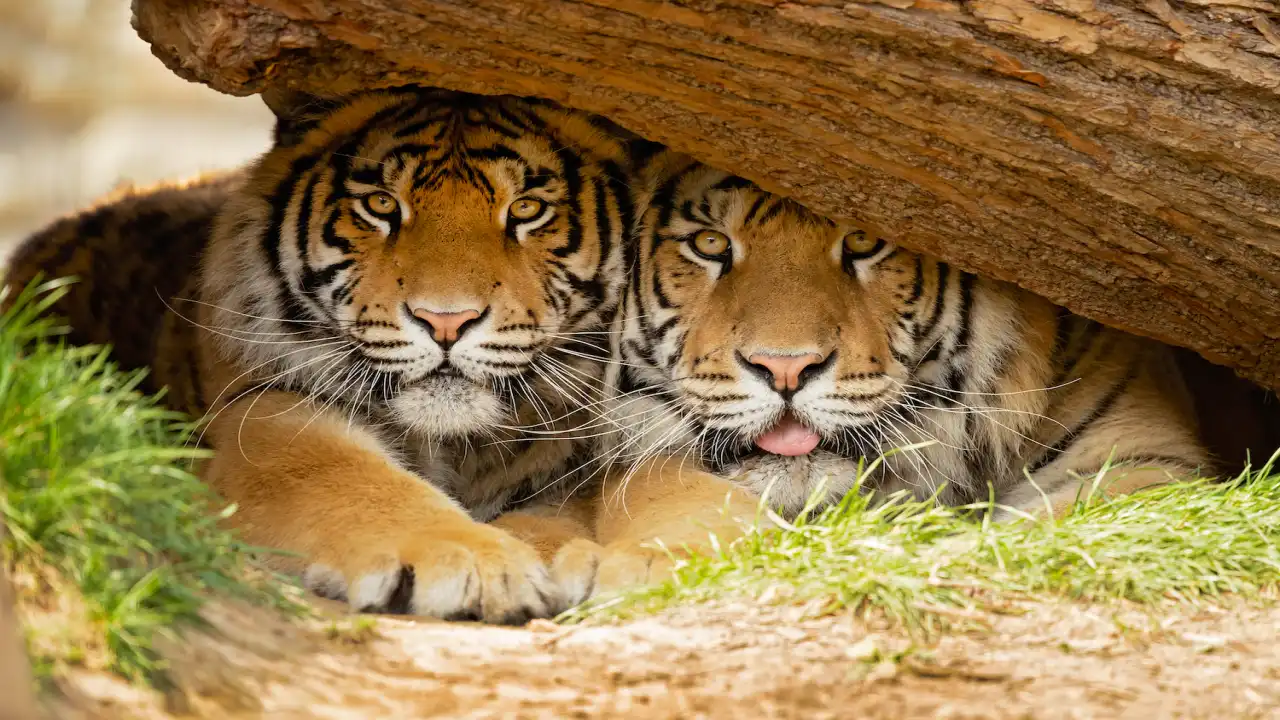
Kaziranga National Park is home to the world's largest population of one-horned rhinoceroses, as well as many mammals, including tigers, elephants, panthers and bears, and thousands of birds. The reason is that most of the tourists show up in Assam. Ask around any group planning a wildlife trip through Northeast India, and this name comes up first, and for all the right reasons. Travel Junky has been watching traveler interest across Assam's parks for a while, and Kaziranga National Park stays at the top, mostly because it's rare and reachable at the same time, which honestly doesn't happen that often.
Kaziranga at a Glance
- Best season: November through April
- Nearest airport: Jorhat, about 90 minutes out by road
- Main safari zones: Kohora (Central), Bagori (Western), Agaratoli (Eastern), Burapahar
- Entry point: Kohora, on NH715 between Guwahati and Jorhat
- Known for: the biggest population of one-horned rhinoceros anywhere
What Makes Kaziranga Worth the Trip?
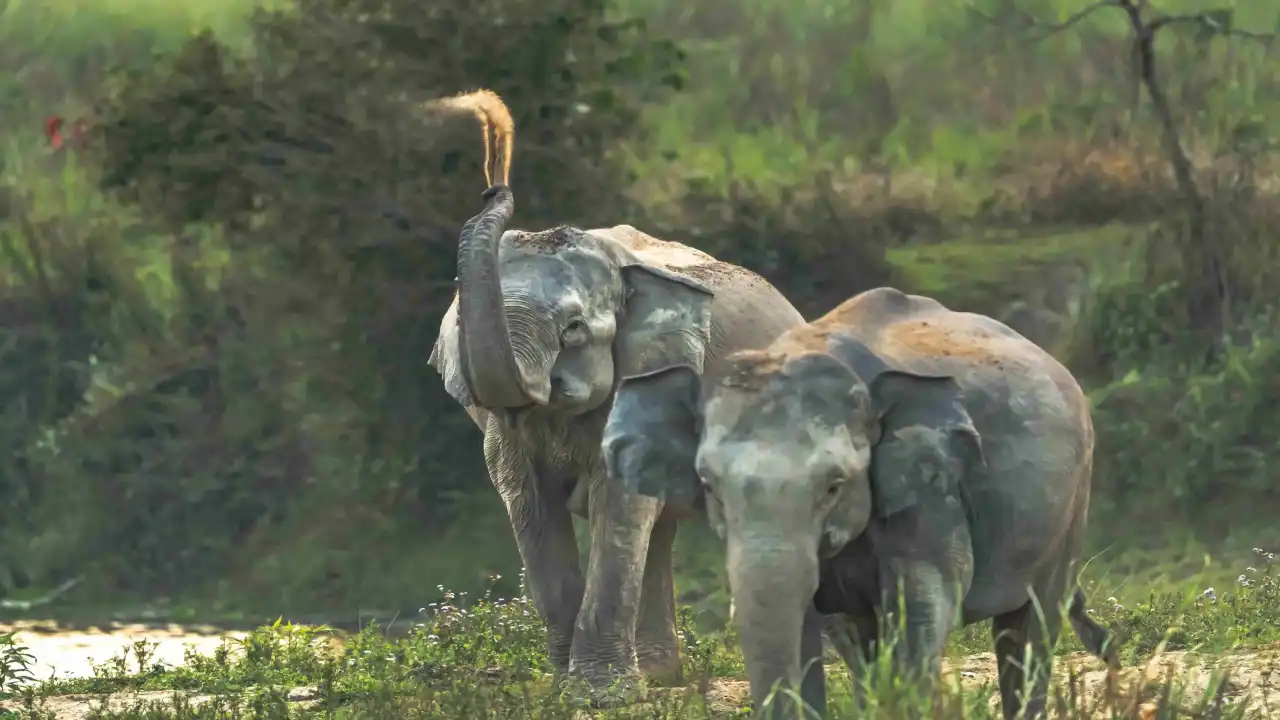
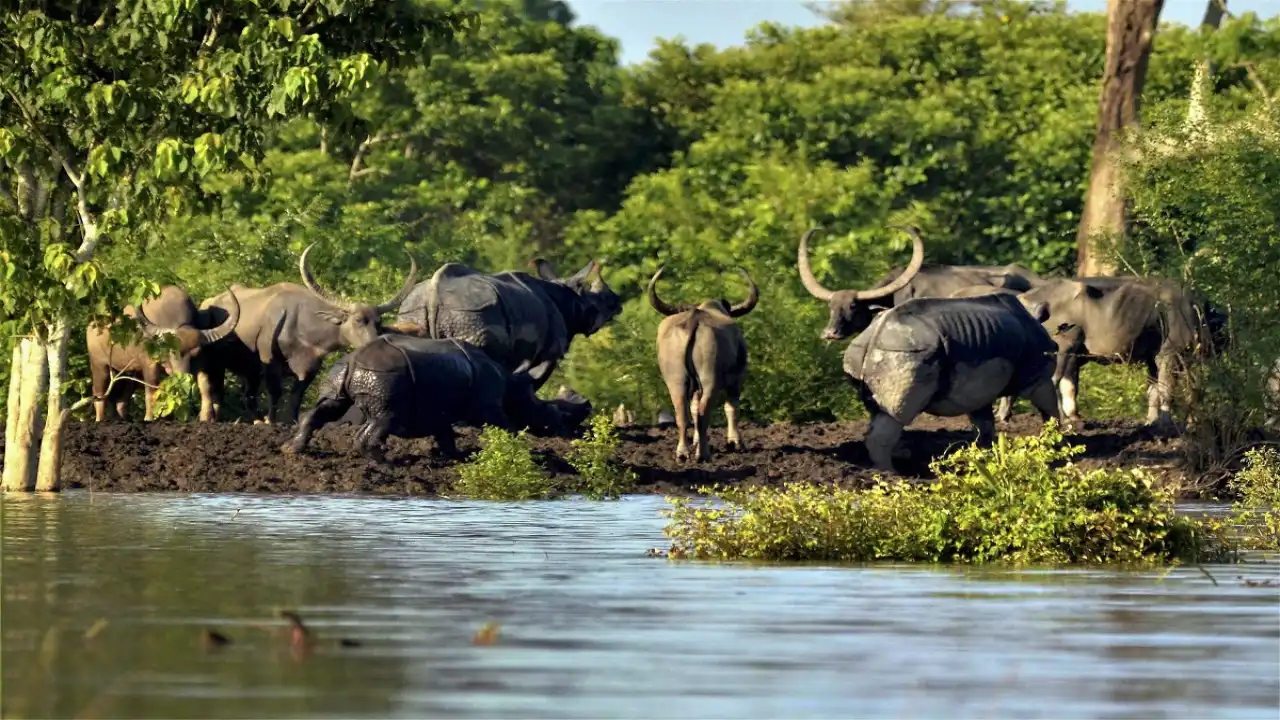
Talk about Kaziranga wildlife and the conversation almost always starts and ends with the rhino. Fair enough. This park holds the largest population of the greater one-horned rhinoceros on earth, and that's not a small claim when the species barely survives outside a couple of protected patches in India and Nepal. But narrowing the whole park down to one animal misses a lot. Tiger numbers here are high enough that Kaziranga carries Tiger Reserve status too, and there's wild elephant, swamp deer, wild water buffalo, plus a bird list that gets genuinely long once winter migrants roll in.
Here's the part that doesn't come up as often as it should. This park almost lost its rhinos entirely a few decades back. Poaching and shrinking habitat had pushed numbers down to something scary. What turned it around was years of unglamorous work, patrols walking the same stretches over and over, tighter anti-poaching enforcement, careful handling of the floodplain itself. Slow work. It paid off, and Kaziranga now gets pointed to fairly often as one of the country's actual conservation wins, not just a place with pretty animals in it. Knowing that changes how the park feels once you're standing at the edge of it. It's not scenery. It's proof that protection works when people stick with it for decades instead of a season.
There's also the UNESCO World Heritage tag, handed to Kaziranga specifically for its grasslands, wetlands, and forest patches sitting inside the wider Brahmaputra floodplain system.
What Can You Actually Do Inside the Park?
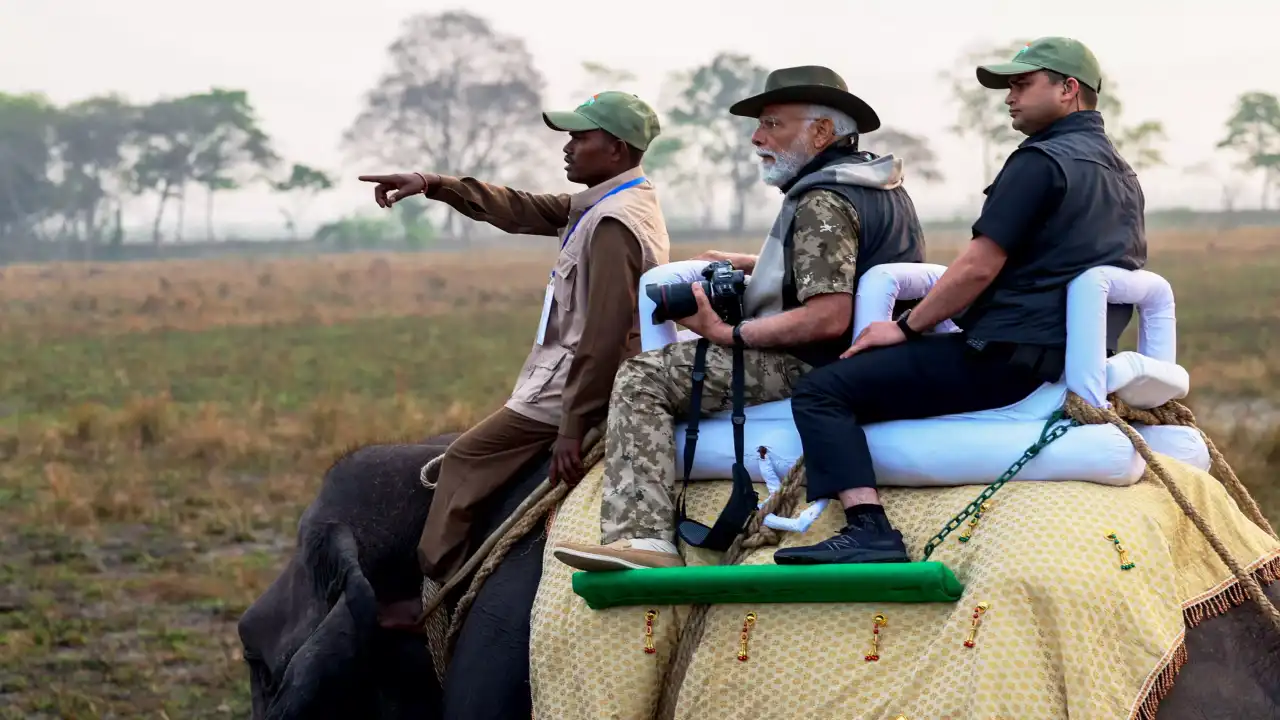
A Kaziranga National Park safari runs across four separate zones, and which one you end up in changes the day more than most first-timers expect going in.
Kohora, the Central Range, sits closest to the main gate and gets booked the most. Rhino sightings there are usually solid, particularly out on the open grass. Bagori, the Western Range, tends to be what guides push first-timers toward if a close rhino sighting is the whole point of the trip, and it mostly delivers on that. Agaratoli, further east, leans toward birds and wetland scenery, better suited to travelers who'd rather sit quietly and watch than chase a big sighting. Burapahar, the newer stretch on the western side, gets far fewer vehicles and feels wilder for it, though what you'll actually see there is less predictable.
Highlights of a Kaziranga safari:
- Early morning jeep rides usually bring the best light and the most movement
- Bagori is generally the strongest bet if rhinos are the priority
- Elephant safaris, when they're running, get you into grass too tall for any jeep, though this depends on the season and needs checking beforehand
- Winter pulls migratory birds into the wetlands, which adds a whole different layer beyond the big mammals
- Watchtowers dotted around the zones let you scan wide without disturbing anything below
Jeep safaris are still the main way most people experience the park, running morning and afternoon slots that stretch two to three hours depending on which zone you're in.
How Many Days Do You Need, and Where Should You Stay?
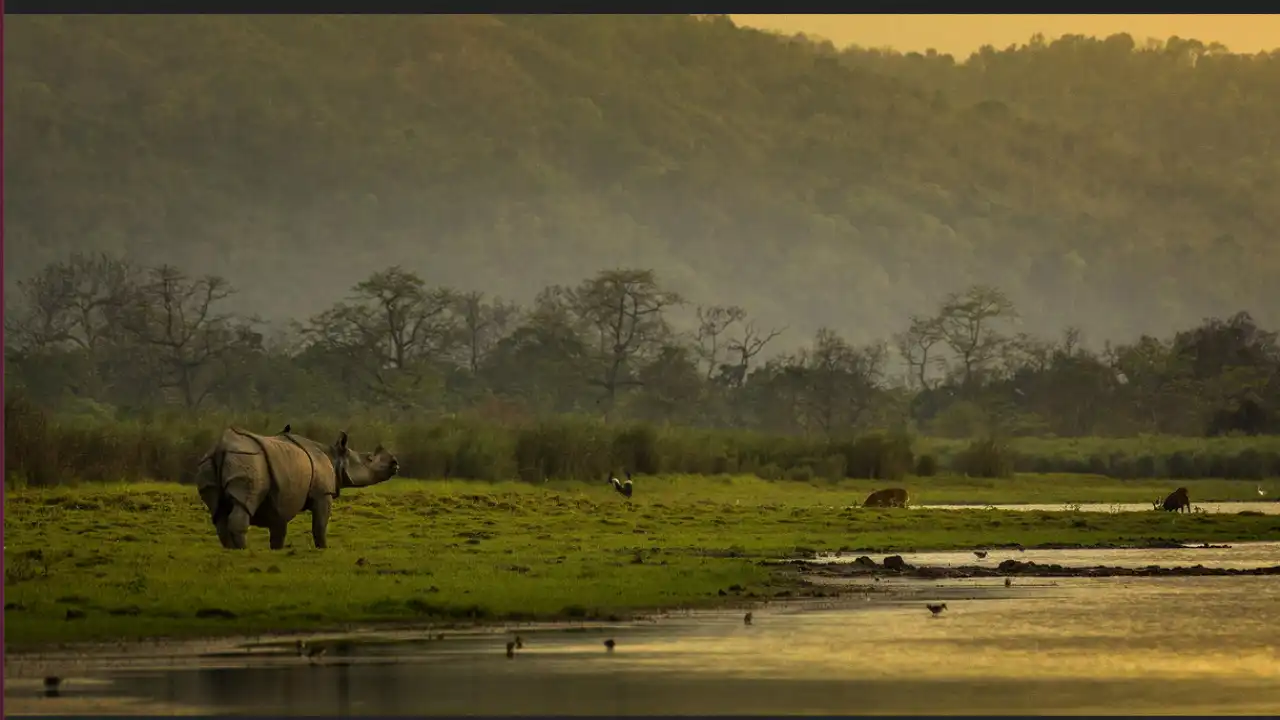
Two nights cover it reasonably well. That's enough time for at least two safaris in different zones, and Bagori versus Kohora really do feel like different places once you've done both. One night still works if that's all the time available, most likely spent in Kohora or Bagori given how close they sit to the gate, but you'll miss the contrast that comes from seeing more than one range.
Places to stay cluster mostly around Kohora and along the road toward Bagori. Options run from forest lodges to mid-range resorts to a smaller handful of higher-end stays running their own curated safari packages. Budget travelers will find guesthouses right along the highway. Anyone wanting something quieter usually moves a bit off the main road toward the smaller boutique places. Rates shift a fair amount by season, so it's worth checking current pricing directly rather than trusting anything written down months ago, since peak winter can push things up considerably compared to the quieter months.
When Should You Visit Kaziranga?
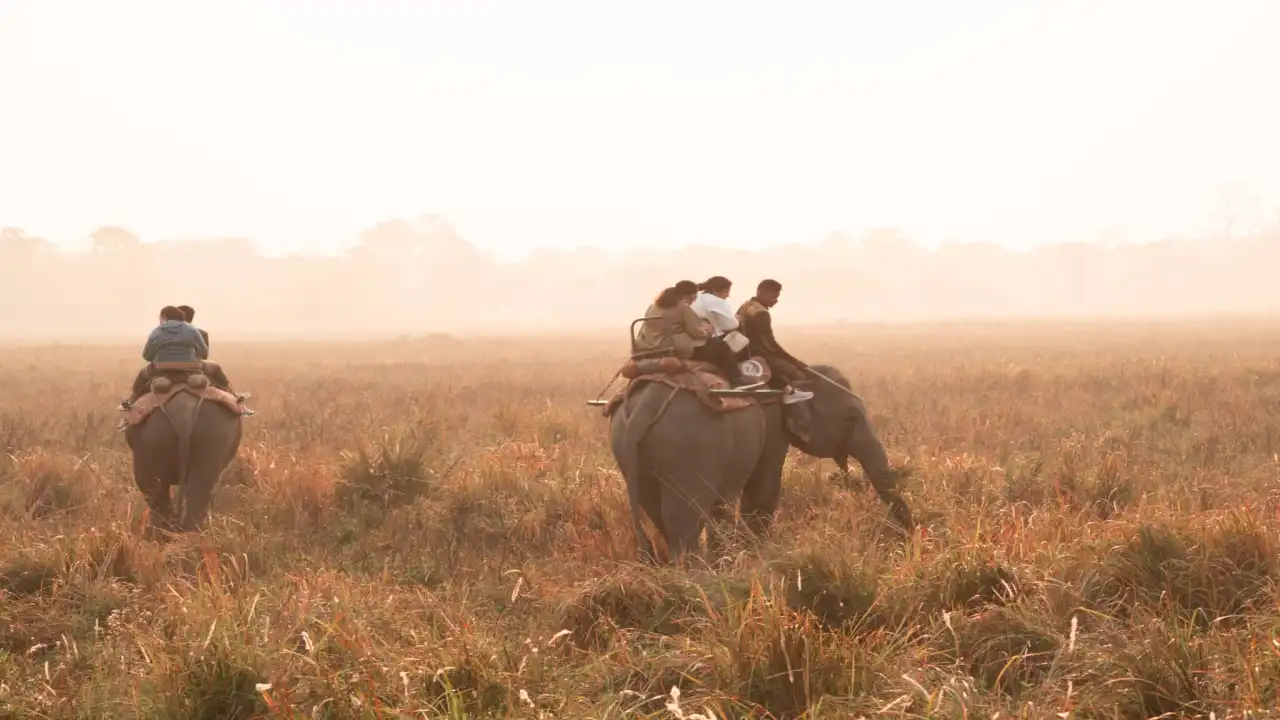
The park runs on a set schedule, opening in November and staying open through April before monsoon flooding shuts it down, usually from May through October. That closure isn't red tape. The same water that floods the park each year is what keeps the grasslands fertile, so the break is really part of how the ecosystem resets itself rather than an inconvenience someone dreamed up.
Within the open stretch, November through February tends to bring cooler air, clear skies, and the best visibility across the grass, which is why most people gravitate toward this window. March and April get warmer and drier, and oddly enough, that can actually help sightings in some zones since animals cluster tighter around whatever water's left, even if the heat makes the safari itself a tougher site.
How Do You Reach Kaziranga?
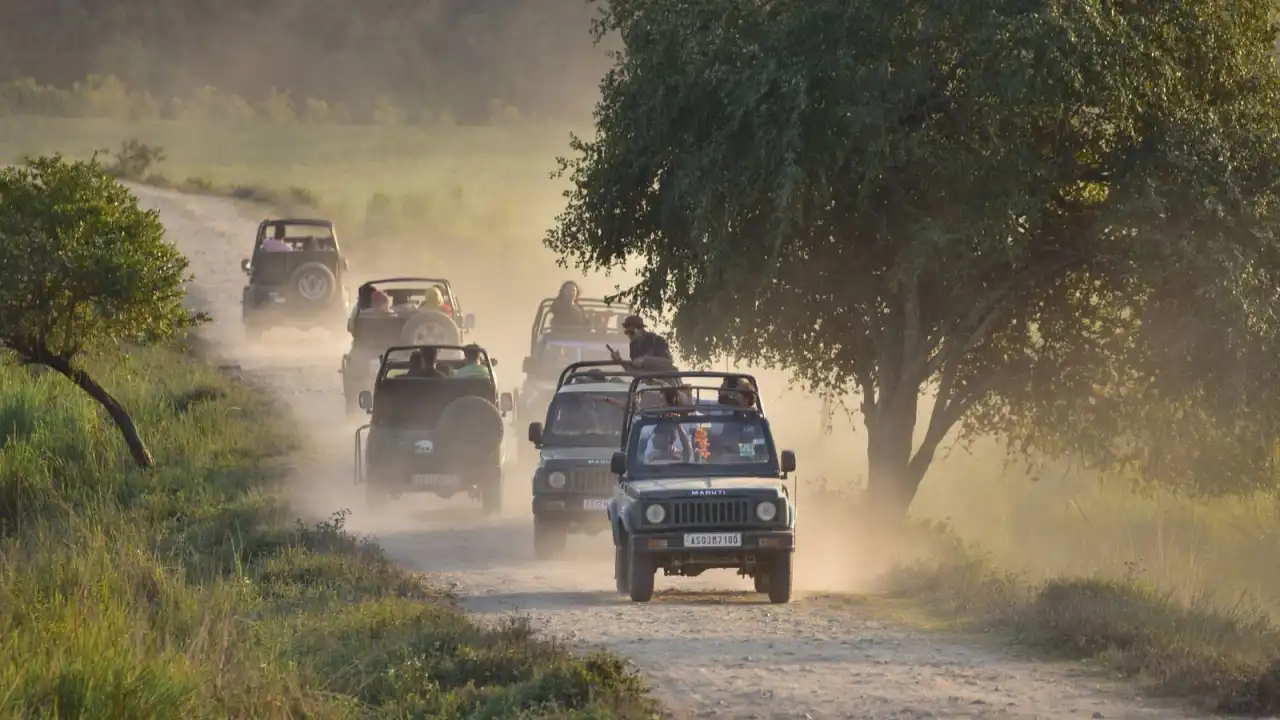
Jorhat Airport sits closest, roughly 90 minutes out by road, with regular domestic flights through Guwahati and Kolkata. Guwahati's airport is farther, four to five hours by road, but has far more flight options, so for a lot of travelers coming from outside the region it ends up being the more sensible way in.
By train, Furkating Junction is the nearest major station, about two hours from the park by road. By road, Kaziranga sits right along NH715, making it a fairly direct drive from Guwahati that usually runs four to five hours depending on traffic. Plenty of people break that drive up with stops along the highway instead of pushing straight through in one go.
What Do You Need to Know Before You Go?
Getting into the park means grabbing permits at the gate, which cover entry along with separate charges for jeep or elephant safaris, camera fees, and guides. These get paid at counters near the main entry points. Booking on the spot is technically possible, but safari slots go fast on peak winter weekends, so locking something in a day or two ahead through a resort or local operator is the safer bet.
A few things worth knowing. Winter mornings run cold, sharply so, even when afternoons warm up considerably, so layers work better than one heavy jacket that you'll end up carrying around by 10 am. Dust on the safari tracks is more or less constant, worse in the drier months, and a scarf or light mask helps more than people expect. If photography matters, bring a zoom lens somewhere around 300mm or beyond. Sightings can be far from the track, and jeeps don't wait around for anyone fumbling with a lens change.
Where Else Can You Go From Kaziranga?
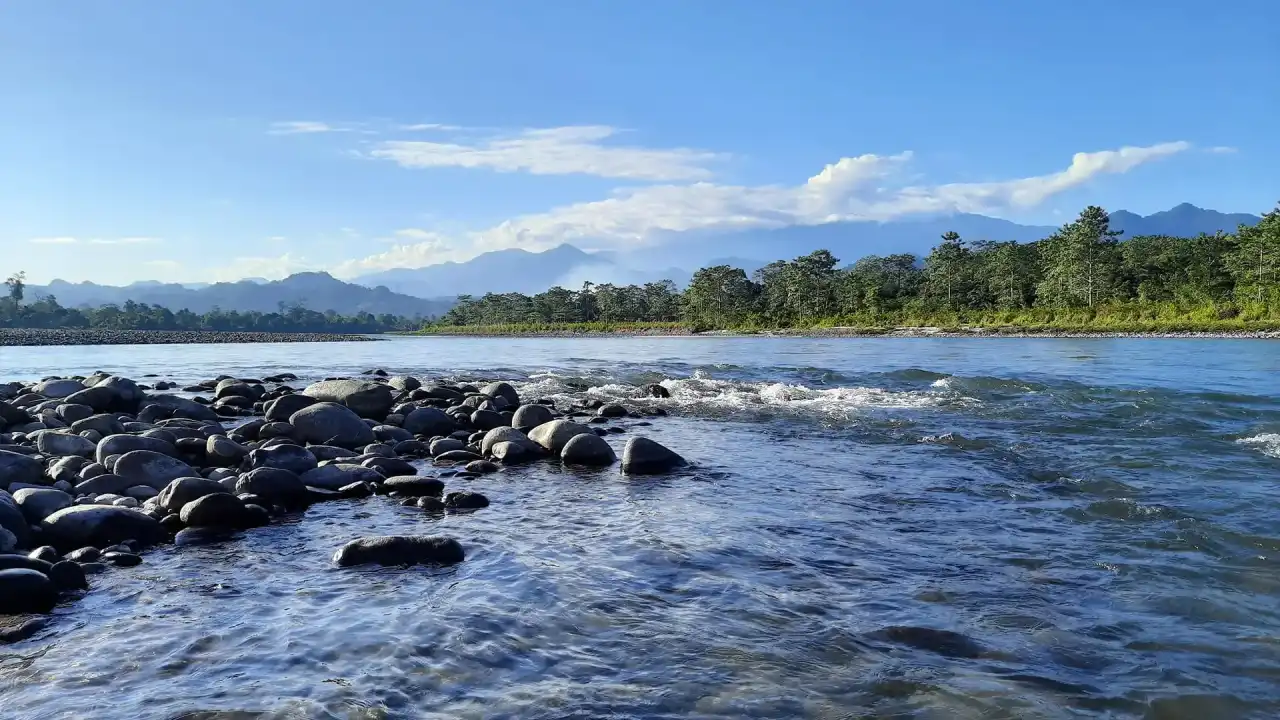
People stretching this into a longer Assam trip often pair Kaziranga with Majuli, the river island known for its Vaishnavite monasteries and a pace nowhere near as fast as a safari day. Assam's tea estates around Jorhat make for an easy add-on too, several of them open for stays and guided walks through the gardens. Nameri National Park, a bit further west, works well as a quieter second stop, leaning more toward birding and river rafting than big sightings.
Pro Tip
Grab the first morning safari slot, not a later one. Animal activity tends to peak right after the gates open, before the heat sets in and before the day's vehicle traffic starts crowding the tracks.
What's the Debate Around Kaziranga's Buffer Zone, and Why Should Travelers Know?

Most protected parks in India have something called an Eco-Sensitive Zone around them, a buffer meant to keep heavy construction and development from pressing right up against wildlife habitat. Kaziranga has never actually had this zone formally finalized, so a default 10-kilometre buffer has been applied in the meantime. In August 2026, the Assam government proposed cutting that down to just 1 kilometre, arguing the wider buffer was blocking infrastructure and development in nearby towns like Bokakhat. The plan, as it stands, is to formally take this proposal to the central government within two months. Conservationists aren't happy about it. They argue that this buffer land isn't just space; it functions as an extension of the grasslands and corridors that the park's animals, rhinos very much included, depend on outside the official boundary, especially when monsoon floods push wildlife out of the core zone entirely. The land around Kaziranga is part of what keeps those wildlife corridors working, and however this buffer gets settled will shape what that landscape looks like for anyone visiting years from now.
Conclusion
Kaziranga tends to reward people who give it more than a single rushed stop. Between the safari zones, the surrounding countryside, and the ongoing back-and-forth over how that land is managed, there's enough here to earn a proper place on any Assam itinerary. For anyone sorting out the logistics, Travel Junky puts together North East tour packages centered on a Kaziranga safari, which can extend into the surrounding region as needed. The park's future is still being worked out on paper, but on the ground it remains one of the few places in the country where you can watch a rhino graze from thirty feet away. Worth seeing while that's still true.
Frequently Asked Questions
Is Kaziranga safe to visit? Yes. Safaris run through set jeep and elephant routes with trained guides and forest staff around, and the park is generally considered safe for tourists.
How many days are enough for Kaziranga? Two nights usually do the job, enough to cover two safari zones and get a real sense of the place.
Which safari zone is best for rhino sightings? Bagori tends to be the most consistent, though Kohora holds up well too given how close it sits to the main gate.
What's the best time to visit Kaziranga? November through February brings the most reliable weather and visibility. March and April run warmer and drier, which can actually concentrate wildlife around whatever water's left.