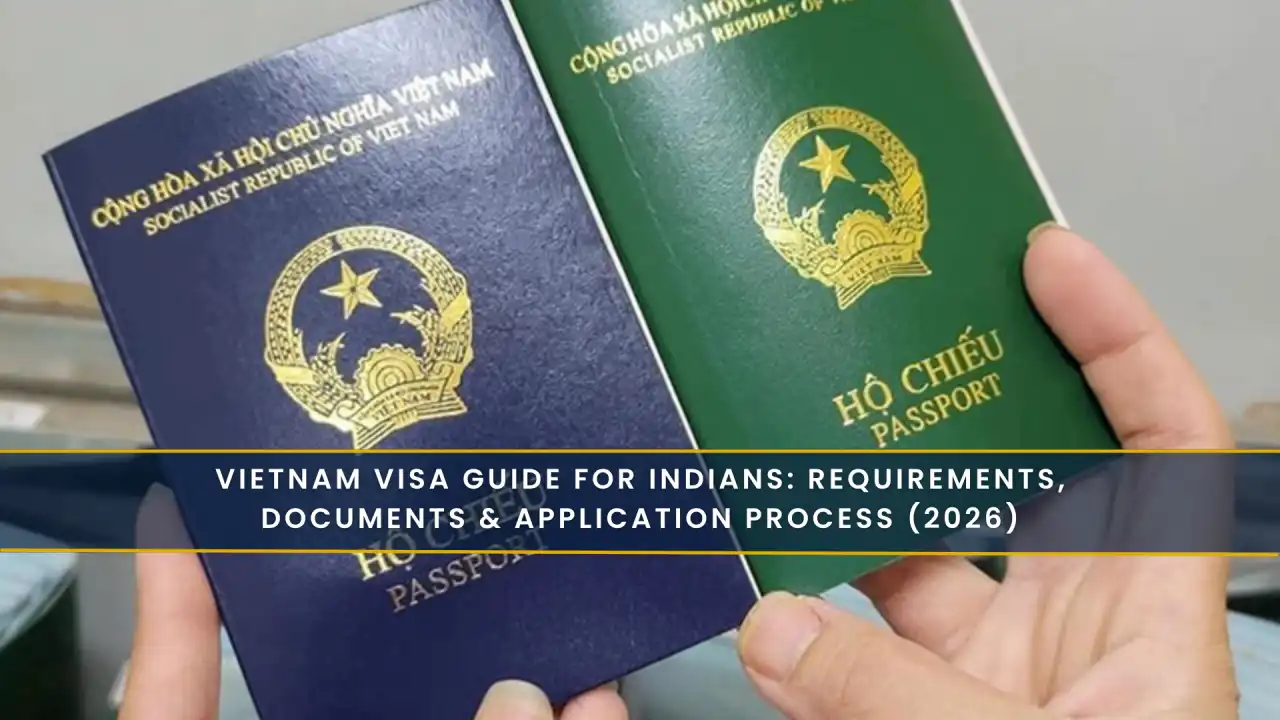
Vietnam Visa Guide for Indians: Requirements, Documents & Application Process (2026)
If you've started planning a trip to Halong Bay or Hoi An. But before the packing list, there's the visa question, and honestly, this is where most people get stuck scrolling through ten different blogs that all say slightly different things some outdated, some just wrong. Quick answer first, because nobody wants to read five paragraphs before finding out the basics: Indians do need a visa for Vietnam. Full stop. No visa-free entry to the mainland, no matter what some random forum comment claims. Two routes actually work: the e-Visa, good for up to 90 days, and Visa on Arrival, which needs a pre-approval letter and gets you a stay of up to 30 days. Anyone searching for a clear Vietnam visa for Indians 2026 guide before booking flights, this basically covers documents, timelines, the whole mess sorted out in one place.
Vietnam Visa Requirements for Indians
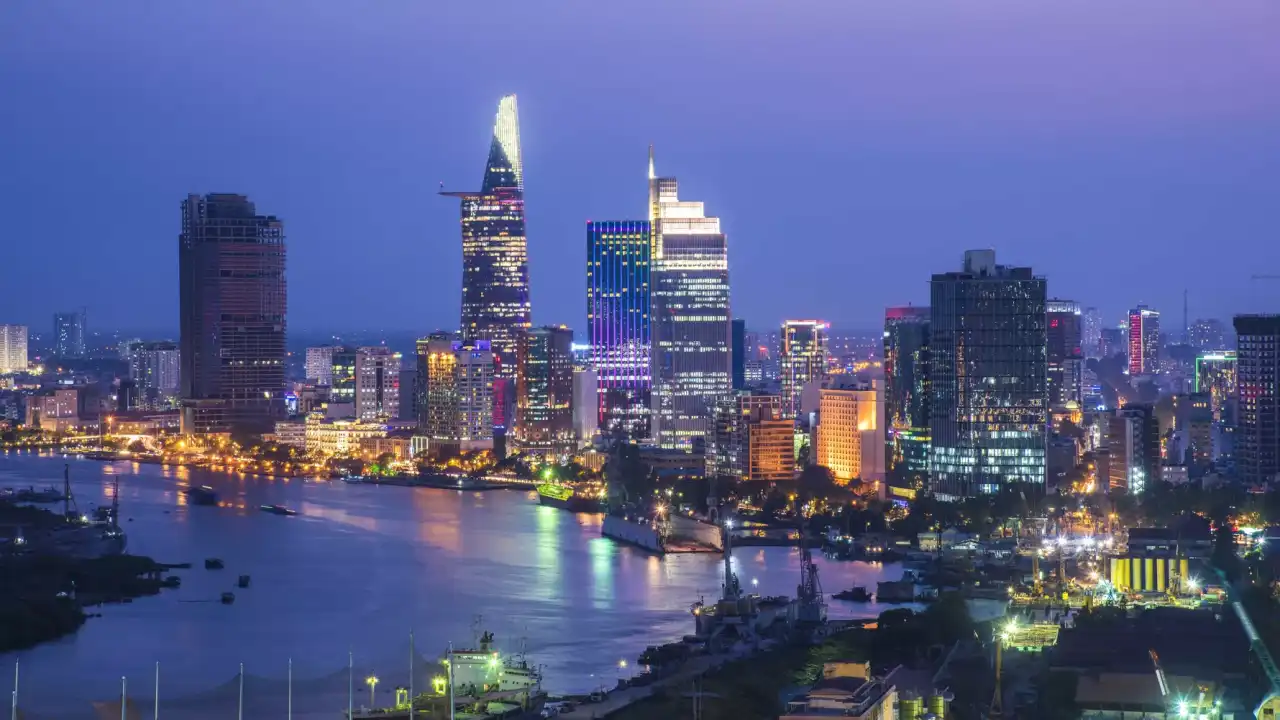
Get the basics out of the way first. India isn't on Vietnam's exemption list and hasn't been for a while now, so a visa is mandatory. Doesn't matter if it's a five-day beach trip or a work conference; the rule applies across the board.
The Vietnam visa requirements for Indian citizens come down to a few non-negotiables:
- Visa required no matter the trip length or purpose
- Passport needs at least 6 months' validity left, counted from the entry date
- At least 2 blank visa pages not stamped, not used, blank
- Return or onward travel proof gets checked more often than people expect
Pro tip: if the passport's cutting it close on validity, sort the renewal before touching the visa application, not after. Visas get tied to the passport number, so a fresh passport basically means starting over from zero.
Who Can Visit Vietnam Without a Visa?
This is the part that confuses almost everyone, because half the internet talks about Vietnam's visa-free countries like it's some universal thing. It doesn't apply to Indian passports at all. Still worth knowing how the system works though, mostly so the wrong information stops spreading in group chats.
Vietnam does hand out visa-free entry to a specific list of nationalities, and the terms shift depending on the country:
- Most exempted nationalities get a 45-day visa-free window; several European countries, Japan, and South Korea fall in here
- A few ASEAN and nearby countries get shorter stretches, somewhere around 14 to 30 days
- Kazakhstan runs its own separate arrangement, a 30-day multiple-entry deal under a bilateral agreement
- UAE passport holders are a common point of confusion; despite what some forums claim, UAE citizens are not on the exemption list and must apply for a visa just like Indian travellers
India sits outside this entire group. Long weekend or a month-long trip, doesn't matter; a valid visa is needed before boarding.
Types of Vietnam Visas
Vietnam splits its visas into a few categories, depending on why you're travelling and how long you plan to stay.
For most leisure travellers from India, the e-Visa wins on convenience alone: no embassy visit, fastest turnaround. Business travellers with a local sponsor sometimes still go the traditional embassy route, especially for longer stays or repeat visits where an e-Visa doesn't quite cut it.
Documents Required for a Vietnam Visa
Keep this list somewhere handy before sitting down to apply; a missing document is, hands down, the most common reason applications stall.
- Valid passport (6 months' validity minimum, 2 blank pages)
- Filled-out visa application form
- Passport-size photo, 4x6 cm, plain white background
- Confirmed return flight ticket
- Hotel booking proof or an itinerary
- Bank statement covering the last 3 months
- Approval letter (only needed for Business Visa applicants and VOA)
Pro tip: keep digital copies and printed ones both. Airlines sometimes ask to see the visa or approval letter before letting anyone board, and a printed backup saves a lot of panic at the check-in counter when the phone battery decides to die at the worst possible moment.
How to Apply for a Vietnam Visa
Not complicated once the order of steps is clear. Here's how to apply for a Vietnam e-visa for Indians, start to finish:
- Pick the right visa type — tourist, business, e-Visa, or VOA, based on why the trip's happening and how long it runs
- Fill the application form carefully, matching passport details exactly: name order, date of birth, all of it
- Submit the documents, usually clear scans if it's an online application
- Pay the visa fee, typically through an international debit or credit card for the e-Visa
- Track the application using the reference number handed out after submission
- Get the visa — a downloadable PDF for e-Visa applicants, or a stamped passport for the embassy route
One warning worth repeating: stick to the official government portal or a genuinely verified agent. There's no shortage of third-party sites charging inflated "service fees," some of them mishandling paperwork entirely. Anything that looks a little too flashy, with countdown timers and urgent red banners screaming "APPLY NOW," is worth a second look at the actual URL before typing in card details.
Vietnam Visa on Arrival (VOA)
VOA works differently from the e-Visa, and it trips up a lot of first-timers, so here's the breakdown without the jargon.
What is an Approval Letter?
An approval letter is basically a pre-clearance note from Vietnam's Immigration Department confirming the visa can be collected at the airport. It's not the visa itself — more like a permission slip that skips the line instead of applying cold on arrival.
How Does VOA Work?
The Vietnam visa on arrival for Indians process runs roughly like this:
- Apply online through an authorised visa service before the trip
- Get the approval letter by email — sometimes within hours, sometimes up to two business days
- Fly to Vietnam with a printed copy of the letter, passport, and photos in hand
- Get the visa stamped at the airport immigration counter on landing
Airports Where VOA Is Available
VOA only works at select international airports, not land borders, not seaports. For Indian travellers, the main ones are:
- Hanoi (Noi Bai International Airport)
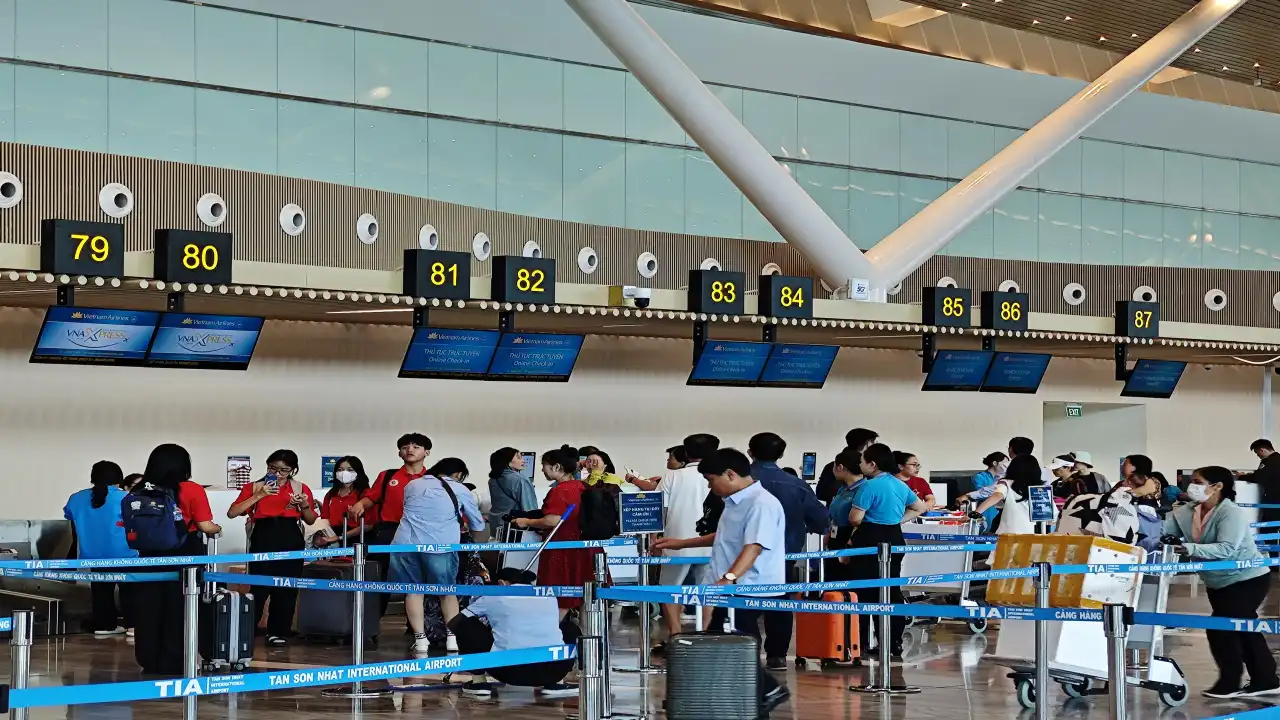
- Ho Chi Minh City (Tan Son Nhat International Airport)
- Da Nang International Airport
Anyone crossing by road from a neighbouring country, VOA simply won't apply; an e-Visa arranged ahead of time is the only real option there.
How to Track Your Vietnam Visa Application
After hitting submit, there's no need to just sit around refreshing your inbox every ten minutes. A few actual ways to check status are:
- Email updates, sent automatically as the application moves through review
- SMS notifications, depending on which channel was used to apply
- Reference number tracking through the Vietnam Visa Application Centre's official site; the code from submission works here anytime
If the status hasn't budged in several days and the travel date's comning closer, contacting the visa centre directly beats resubmitting a whole new application. Duplicate submissions can actually cause both to get flagged for review, which just adds more delay.
Vietnam Visa Processing Time
Processing speed shifts depending on the visa type chosen.
Pro tip: applying the week before a flight and hoping for the best is a gamble not worth taking. Give embassy visas a buffer of two to three weeks at least. Even the quicker e-Visa or VOA routes deserve a few spare days, just in case something needs resubmitting.
Vietnam Visa Extension vs Renewal
Trip running longer than planned? Happens more than people admit: one extra week turns into two, and suddenly there's a visa question nobody planned for. Here's the difference between extending and renewing.
When to Choose an Extension
- The stay needs to run longer and the current visa type allows it
- The existing visa meets the conditions required for an extension
When to Choose Renewal
- Entry happened under a visa exemption and proper documentation is now needed
- The current visa simply can't be extended under its terms
- Switching from single entry to multiple entry is the goal
Extensions tend to be cheaper and simpler since they build on what's already there. Renewals mean a fresh application and a brand-new stamp, more paperwork, more cost, but sometimes it's the only option.
Conclusion
Getting the visa sorted is really just the boring groundwork that lets the actual holiday happen without last-minute stress. For most Indian travellers, the e-Visa handles tourism and business trips just fine, while VOA suits shorter, more spontaneous plans through the major airports. Either way, documents ready, apply with a buffer, and double-check passport validity before anything else gets booked.
Visa rules shift now and then, so it's worth checking the latest updates closer to the travel date instead of trusting whatever a friend mentioned last year over chai. Once the paperwork's out of the way, the fun part starts: actually planning the trip. For anyone who'd rather skip the DIY itinerary route, a ready-made Vietnam tour package takes care of flights, stays, and sightseeing, leaving you free to simply enjoy the journey. And if Vietnam is just the beginning of your travel plans, Travel Junky also offers destination guides and travel inspiration to help you discover where to head next. Apply for your Vietnam e-Visa online through the official Vietnam National Electronic Visa System: https://evisa.gov.vn/
Frequently Asked Questions
Do Indians need a visa for Vietnam?
Yes. Every visit to mainland Vietnam requires a visa for Indian passport holders; the length or purpose of the trip doesn't change that.
What is a Vietnam e-Visa?
An online visa allowing up to 90 days, single or multiple entry, applied for entirely through the official portal. No embassy visit needed.
Can Indians get a Visa on Arrival?
Yes, but only with an approval letter arranged beforehand, and only through select international airports. Land crossings don't qualify.
What is a visa approval letter?
A pre-clearance document from Vietnam's Immigration Department, letting travellers collect their stamped visa at the airport instead of applying cold on landing.
What documents are required for a Vietnam visa?
Valid passport, application form, passport photo, return ticket, accommodation proof, bank statement, plus an approval letter for Business Visa or VOA applicants.
How long does processing take?
Embassy visas usually run 10–12 working days. VOA approval letters can land anywhere from a few hours to two business days.
Can I extend my Vietnam visa?
Yes, as long as the current visa type qualifies and the application goes in before it expires.
What is the difference between extension and renewal?
Extension lengthens the existing visa without leaving the country. Renewal issues a fresh visa and stamp, often used when switching entry type or duration.
What should I do if my passport is about to expire?
Renew it before touching the visa application. Vietnam wants 6 months of validity left from the entry date; anything less and the application gets rejected outright, no exceptions.
How long can I stay in Vietnam?
Up to 90 days on an e-Visa, or up to 30 days with Visa on Arrival, depending on what gets approved.