Seen It in K-Dramas, Want to Eat It in Korea? 10 Korean Foods You Must Try
"Wait, what is that they're eating?" It's a question that often comes up while watching a K-drama, especially when the dinner table is filled with tempting Korean dishes. The ramen during a late-night chat. The barbecue sizzling away while friends argue over the last piece. Honestly, the food gets more screen time than some of the side characters.
After a while, the questions pile up. What does tteokbokki taste like? Is Korean fried chicken as crunchy as it looks on screen? The best way to find out is to explore Korea and try these dishes firsthand. If you're planning a South Korea tour package, use this Korean food bucket list for travelers to discover local favourites, explore traditional eateries, and experience everyday life through food.
What Makes Korean Food Worth Exploring?
One of the first things to notice is how many dishes are served together on the table. Rice, a hot soup, kimchi, and a bunch of tiny side dishes called banchan. Even a normal lunch felt like a little feast. And the flavours really vary. Some dishes are gentle and cosy. Others will make your eyes water. Gochujang, doenjang and kimchi do most of the work, and they keep every meal from tasting the same.
Here's what people enjoyed most about eating there:
- Something for every craving: Noodle soups, rice bowls, grilled meat, sweet pancakes. You can find all of it within a short walk.
- A mix of textures: Chewy rice cakes, crunchy fried chicken, soft tofu, sharp pickled veg.
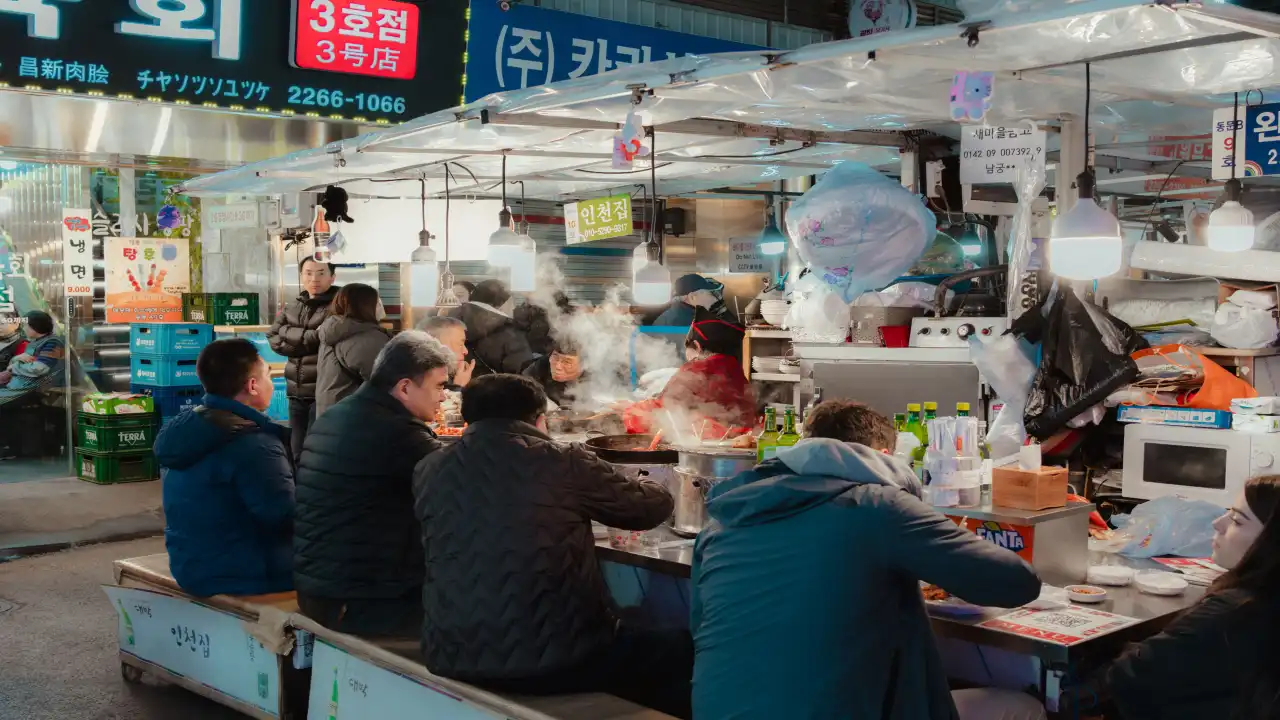
- Food beyond restaurants: From bustling night markets serving Korean street food to small neighbourhood eateries and old-style restaurants, every place offers a different experience.
- Meals made for sharing: Barbecue and big bubbling stews get everyone around the table, talking.
Whether planning a food-focused holiday or a wider trip, international tour packages can help organise your experiences, from quick market snacks to memorable Korean barbecue meals.
10 Korean Foods You Must Try in South Korea
For a first food trip to Korea, these ten dishes are worth adding to the must-try list. A few are everyday regulars, and a few you'll probably spot from your favourite dramas.
1. Kimchi: The Side Dish You Will Find Everywhere
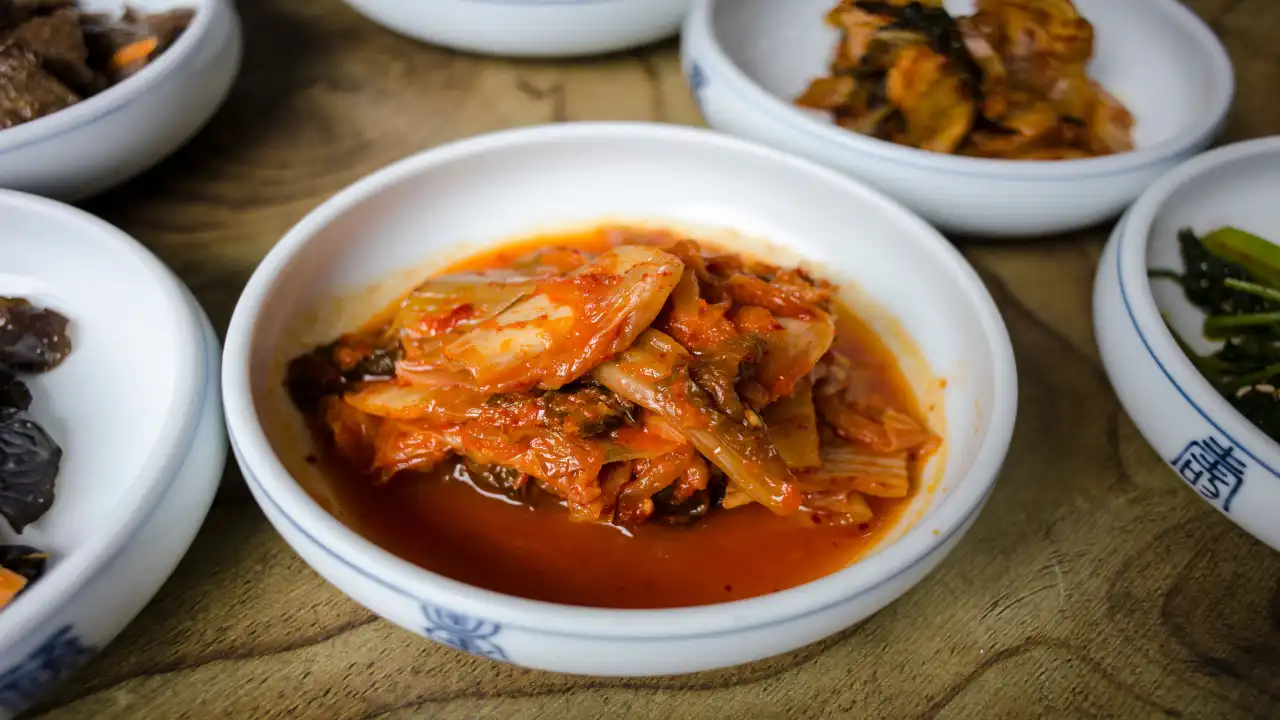
Kimchi is fermented napa cabbage or radish with seasonings, and you'll find it with almost every meal. It has a tangy, salty, and often spicy flavour that pairs well with everything from steamed rice to Korean barbecue.
- Worth Knowing: Try kimchi fried rice or kimchi jjigae (kimchi stew) if you want a different side of it.
- Where to Try It: Try it as a side dish at traditional Korean restaurants or Korean barbecue restaurants across Seoul, where it is commonly served with meals.
2. Bibimbap: A Colourful Rice Bowl
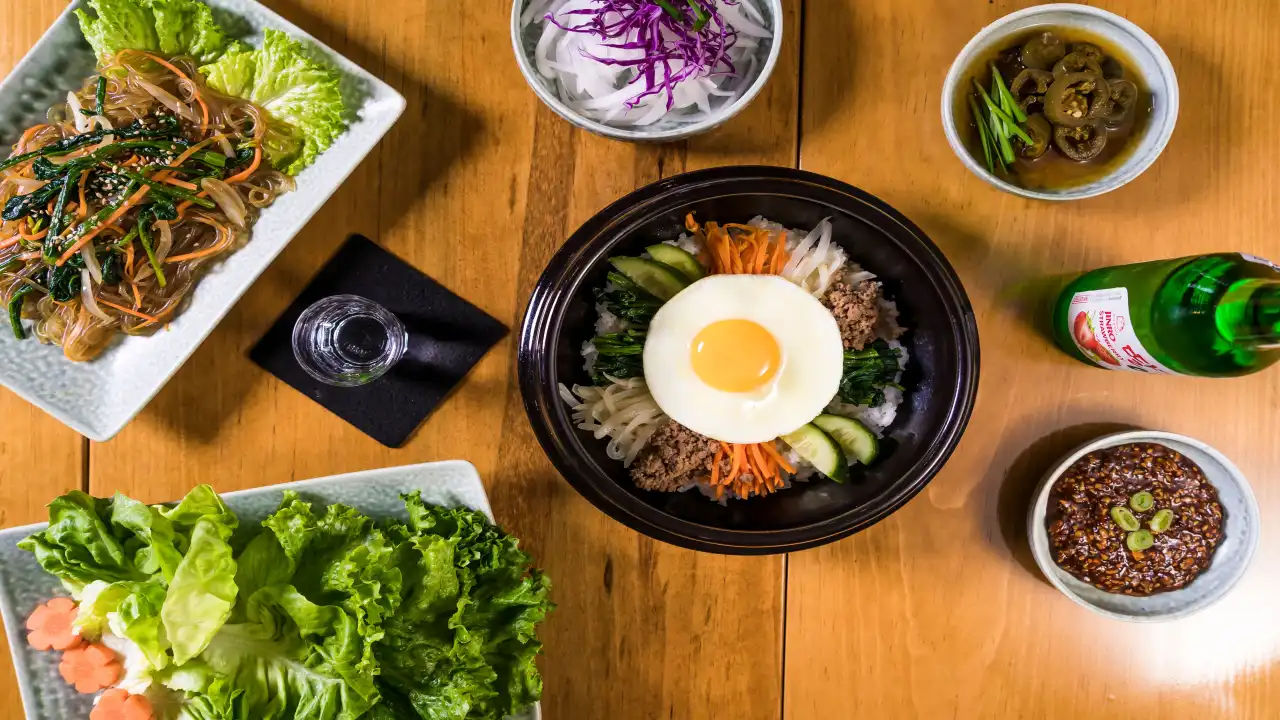
Bibimbap is rice topped with vegetables, egg, chilli paste, and sometimes beef. It looks so neat that you almost feel bad ruining it. Do it anyway. Mix it all up, because that's where the flavour comes from.
- Worth Knowing: Order dolsot bibimbap, the one in a hot stone bowl. The rice at the bottom turns crispy and golden, and that's the best bit. People always scraped the bowl clean.
- Where to Try It: Head to Jeonju Hanok Village, known for its traditional Jeonju-style bibimbap and restaurants serving this local speciality.
3. Tteokbokki: The Famous Spicy Rice Cakes
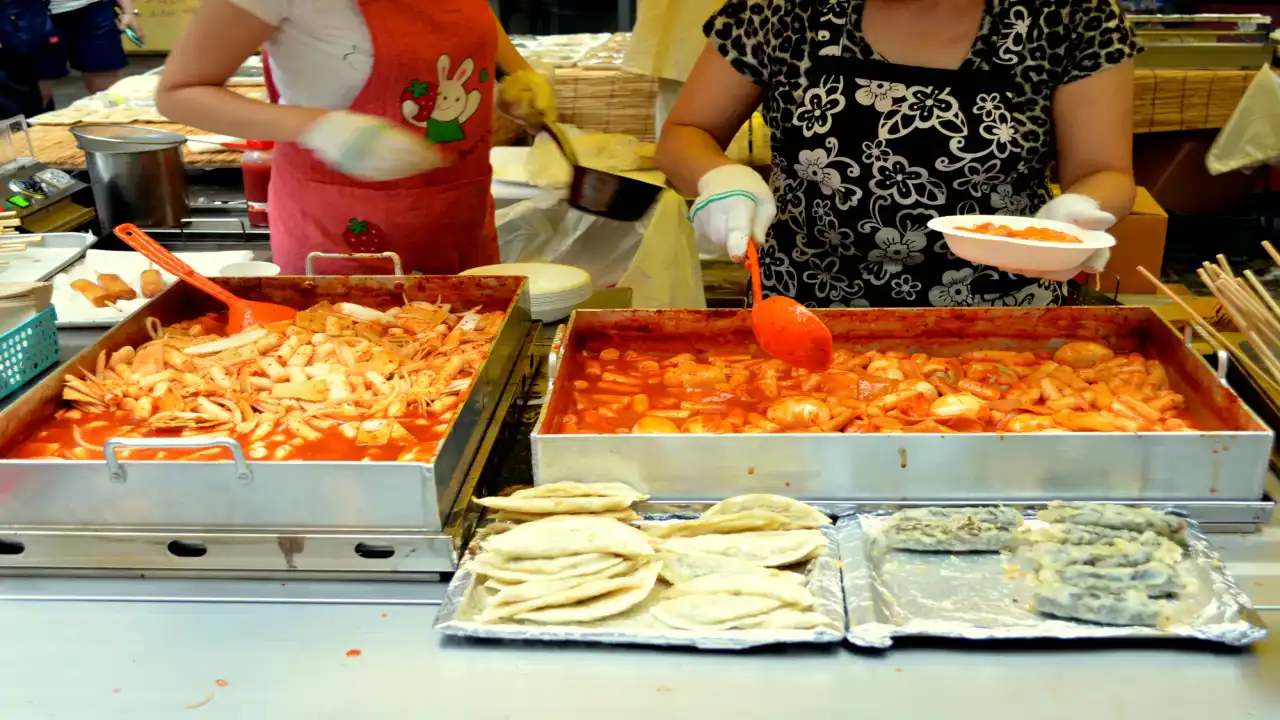
Chewy rice cakes in a thick, sweet and spicy gochujang sauce, usually with fish cakes and spring onions mixed in. You'll find it at street stalls and markets. The texture took people a minute to get used to, then they couldn't stop.
- Worth Knowing: Ask how spicy it is before you order. Some stalls make it much hotter than it looks.
- Where to Try It: Visit Sindang-dong Tteokbokki Town in Seoul, famous for its speciality tteokbokki restaurants and different versions of this popular dish.
4. Korean Fried Chicken: Crispy, Saucy and Made for Sharing
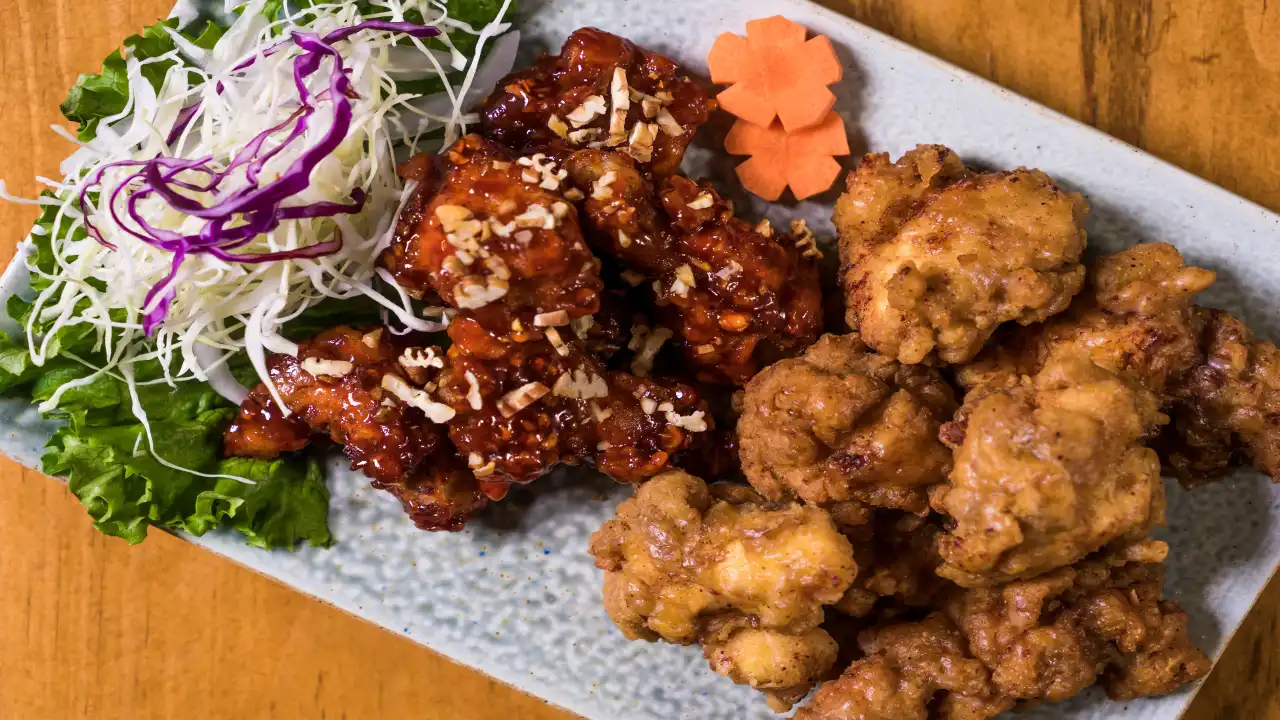
The chicken is often fried twice, so the coating gets really crunchy while the inside stays juicy. Yangnyeom is coated in a sticky, sweet, and spicy glaze. Soy garlic is salty-savoury with a little sweetness. Stopping at one piece isn't really an option.
- Worth Knowing: Get a half-and-half platter so you can try two flavours. Eat it with the pickled radish on the side to cut through all that richness.
- Where to Try It: Look for a local chimaek (chicken and beer) restaurant in Seoul, particularly around lively neighbourhoods like Hongdae, where you can enjoy this popular combination.
5. Bulgogi: Korean-Style Marinated Beef
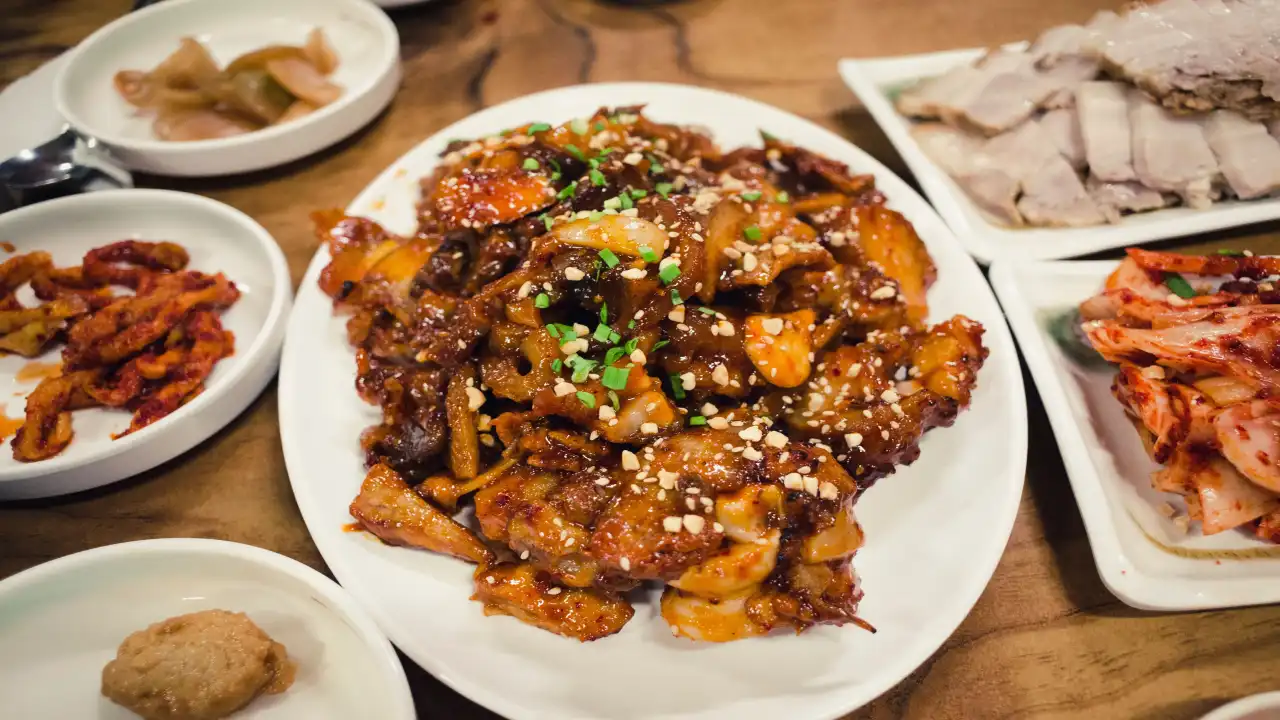
Thin slices of beef marinated in soy sauce, garlic, sugar, and sesame oil, then grilled or stir-fried with veg. It's tender, savoury, and slightly sweet. If you're nervous about spice, start here.
- Worth Knowing: Have it with rice, or wrap a piece in a lettuce leaf with garlic and sauce. The wrap is the most famous way to eat it.
- Where to Try It: Visit Yeokjeon Hoegwan in Mapo, Seoul, a long-established restaurant known for its charcoal-grilled crispy bulgogi.
6. Japchae: Stir-Fried Glass Noodles
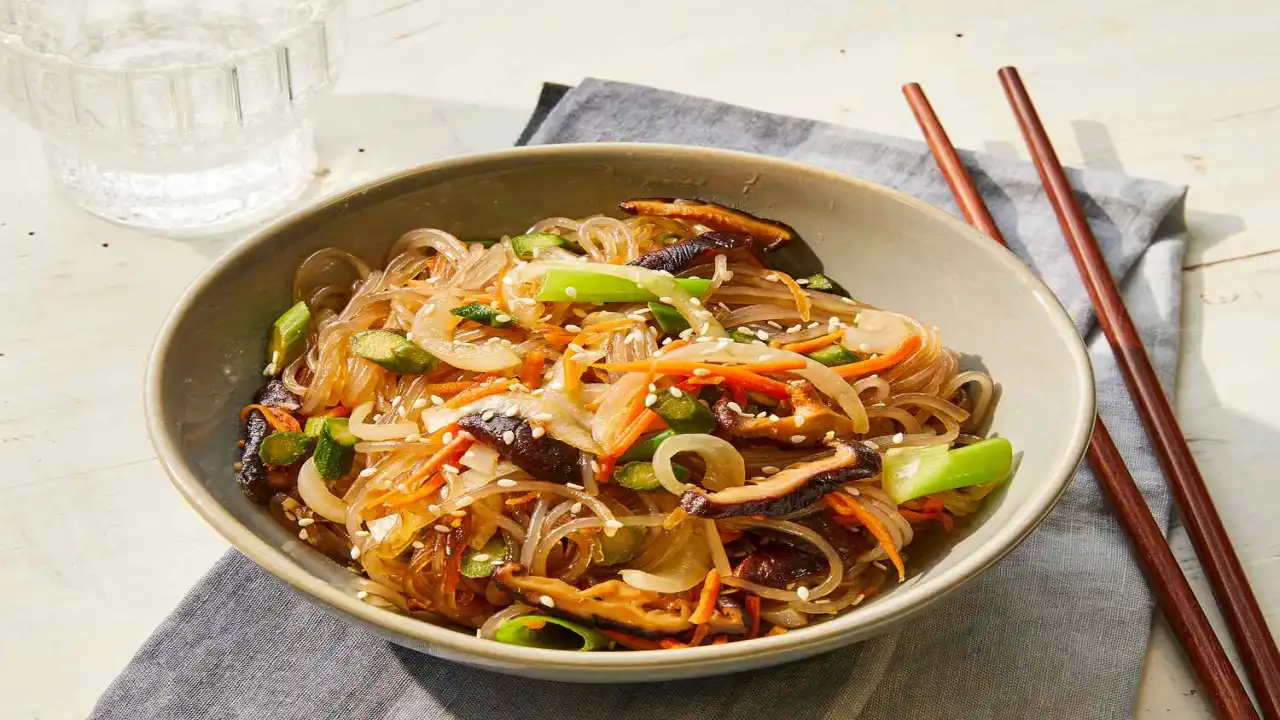
Japchae uses springy, see-through noodles made from sweet potato, stir-fried with vegetables, soy sauce, and sesame oil. It's mild and savoury, and you can get it with or without beef.
- Worth Knowing: It's a staple at celebrations and family get-togethers, but lots of ordinary local restaurants serve it too.
- Where to Try It: Look for it at traditional Korean restaurants in Seoul, where japchae is often included in set meals and celebratory food spreads.
7. Kimbap: The Convenient Korean Rice Rolls
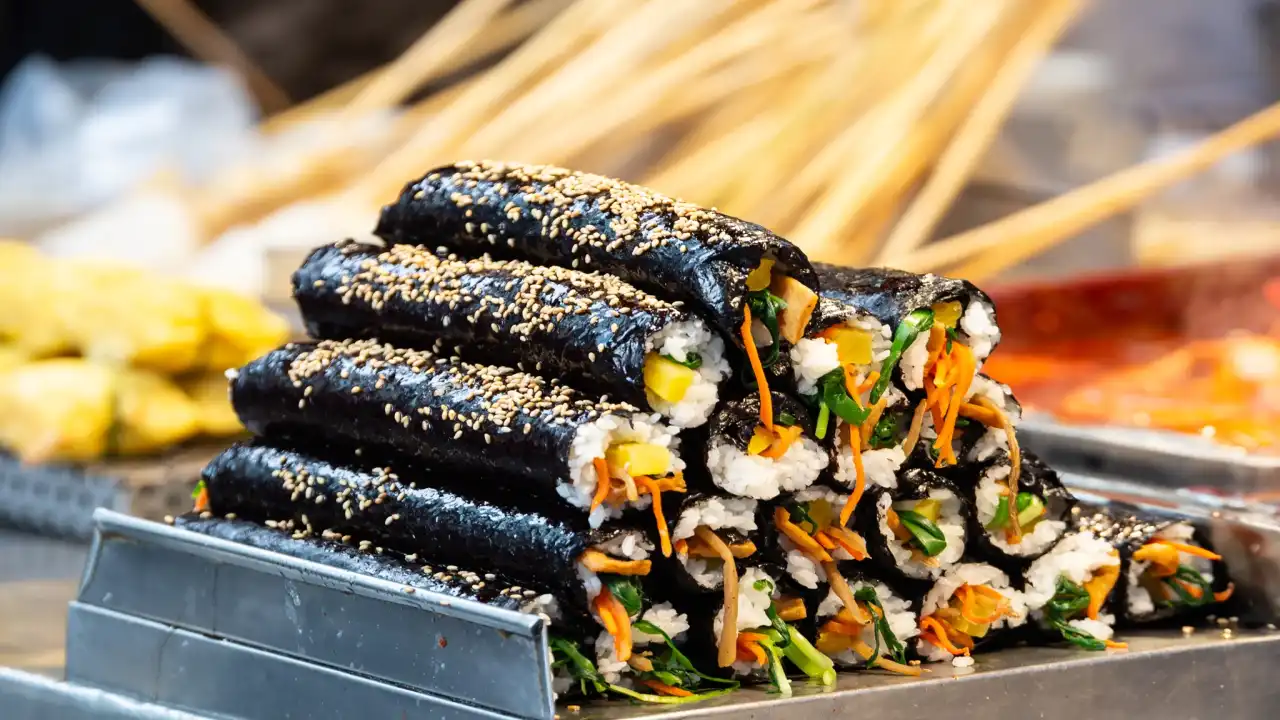
Kimbap is a seaweed roll stuffed with carrot, cucumber, egg, pickled radish, and sometimes meat or fish. People call it Korean sushi, but the rice is seasoned with sesame oil, so it tastes quite different.
- Worth Knowing: It's easy to carry and fills you up, so it's brilliant for picnics, quick lunches and train rides.
- Where to Try It: Gwangjang Market in Seoul is a great place to sample mayak gimbap, the market's popular bite-sized rice rolls.
8. Mandu: Korean Dumplings
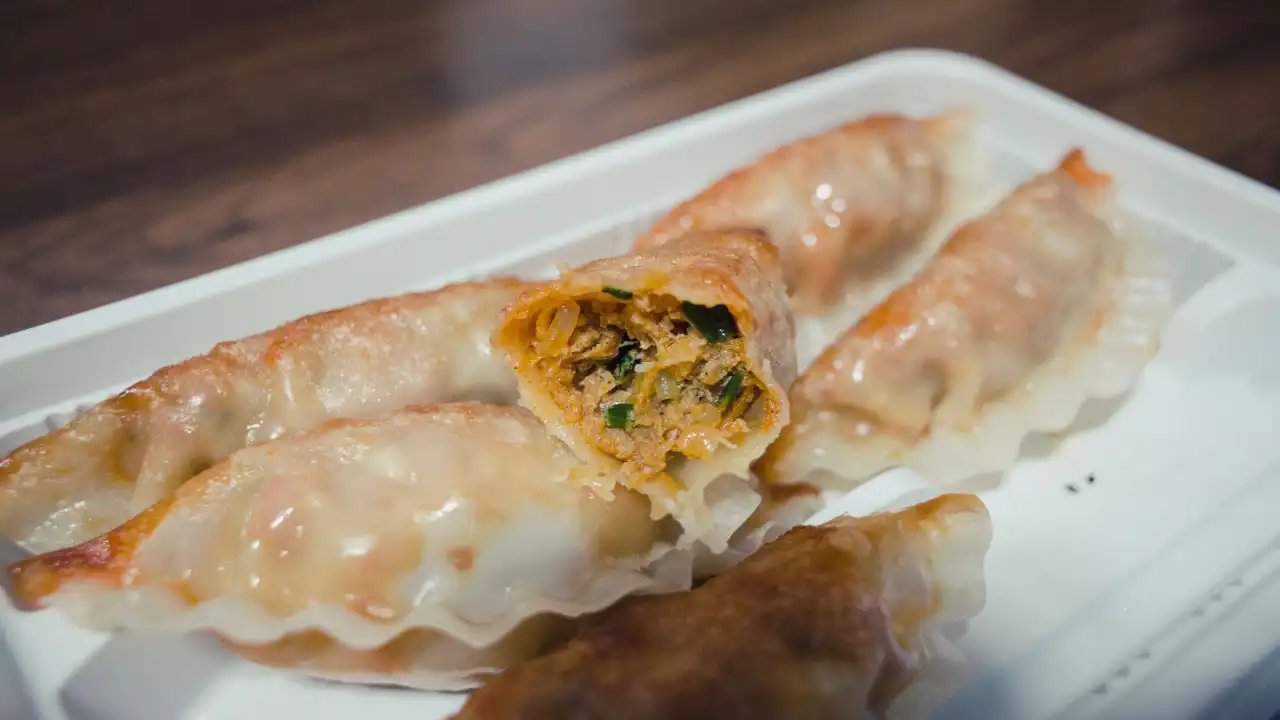
Dumplings stuffed with pork, beef, tofu, veg or kimchi. They can be steamed, boiled, pan-fried or deep-fried, so one day it's a small snack and the next it's your whole meal.
- Worth Knowing: Try gun-mandu if you like crispy, pan-fried edges, or mul-mandu for soft boiled ones. Both come with a soy dipping sauce.
- Where to Try It: Try traditional dumplings at Gaeseong Mandu Koong in Insadong, Seoul, a well-known restaurant specialising in Gaeseong-style mandu.
9. Hotteok: A Sweet Street-Side Treat
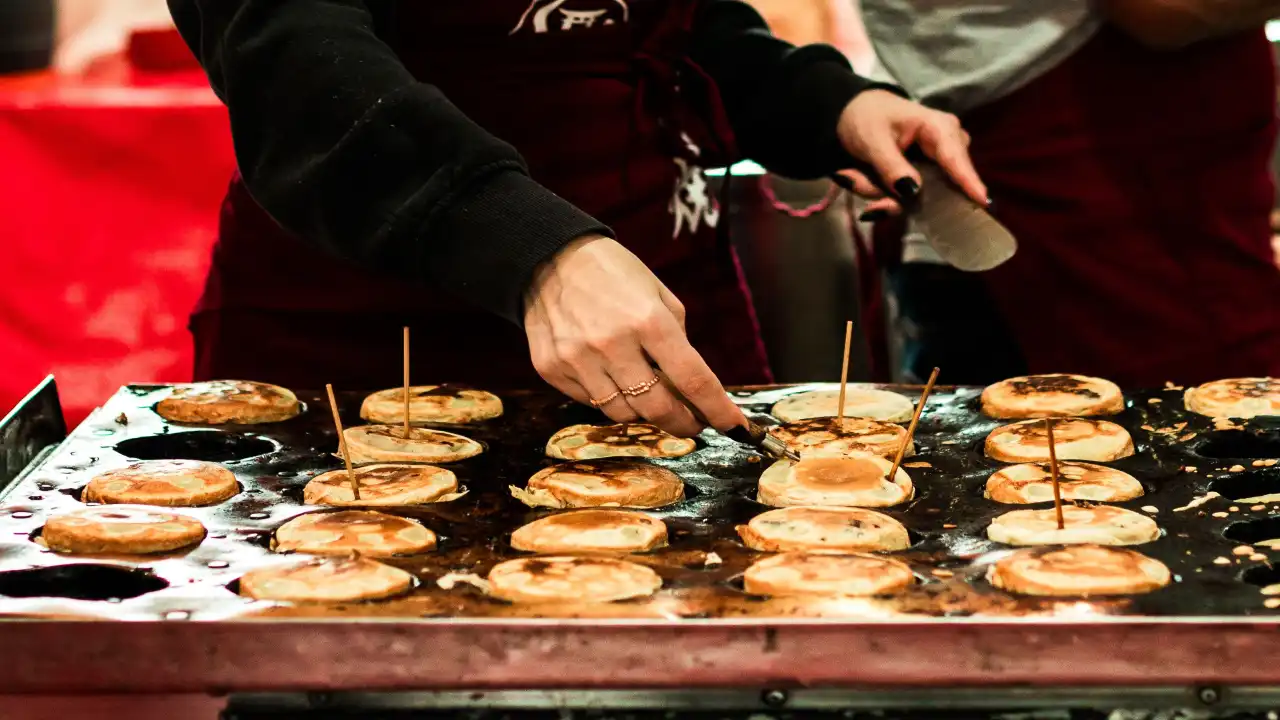
A sweet pancake filled with brown sugar, cinnamon, and chopped nuts, cooked on a hot griddle. The outside gets golden and a bit crisp, and the middle goes soft and gooey. On a cold evening, it's about the best thing you can hold in your hands.
- Worth Knowing: Look for it at traditional markets, especially in winter. Wait a minute before biting, because the filling is molten.
- Where to Try It: Head to Myeongdong's street food stalls for sweet hotteok, especially during the colder months when this warm snack is popular.
10. Bingsu: A Dessert Worth Saving Room For
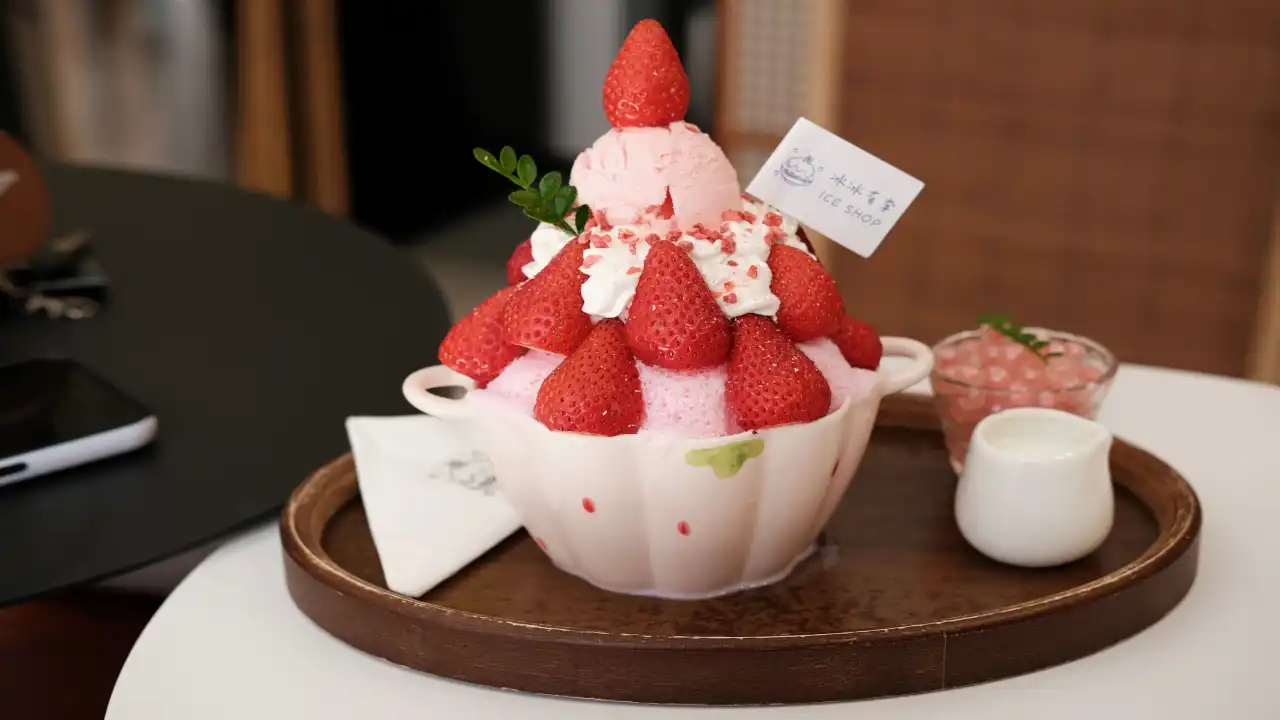
Bingsu is shaved ice, traditionally with sweet red beans on top. These days you'll also see mango, strawberry, matcha, and chocolate. The ice is shaved so fine that it feels like fresh snow.
- Worth Knowing: The bowls are huge, so share one. It's lovely after a long, warm day of walking around Seoul.
- Where to Try It: Visit a Sulbing dessert café or a local Korean dessert café in Seoul to try different versions of this shaved-ice treat.
Can Vegetarians Enjoy Korean Food?
Yes, but read the ingredients before you order. While there's plenty of vegetarian Korean food to explore, some dishes that look like they're made entirely with vegetables, tofu, and rice may still contain hidden animal-based ingredients.
Kimchi, for example, can include fish sauce or salted shrimp. Soups and stews are often made with meat or seafood stock.
If you're vegetarian, these are worth looking for:
- Vegetable kimbap, after checking the filling and seasoning.
- Vegetable japchae, if it's made without meat or animal-based stock.
- Bibimbap without meat, with the sauce and toppings checked separately.
- Yachaejeon, a Korean vegetable pancake.
- Tofu dishes made without seafood or meat broth.
Learn how to say "chaesikjuuija-imnida" (I am vegetarian), and still double-check what's in your food. Finding suitable restaurants before you travel makes life a lot easier too.
Ready to Explore Korea Beyond Your Favourite K-Dramas?
Watching a character slurp late-night ramen or share barbecue is one thing. Eating it in Korea is another. From Seoul's busy food markets to Busan's seafood counters and Jeonju's traditional restaurants, there's so much to taste. Add this Korean food bucket list to your itinerary, stay open-minded, and make room for dishes you've never tried. Let Travel Junky help you plan your Korean getaway and find the food, neighbourhoods, and local experiences that make the trip memorable.
Pro Tips Before You Start Eating
- Start small: Don't order too much at a single stall, especially in traditional markets.
- Try a little of everything: Pick one or two snacks at a time so you can taste more.
- Share your food: With friends or family, split portions so everyone gets a different flavour.
- Save room for dessert: Keep some space for hotteok and bingsu later in your food trail.
Frequently Asked Questions
Bibimbap is a good starting point, since it has rice, veg, egg, and plenty of flavour in one bowl. If you like spicy food, go for tteokbokki.
Not everything. Bulgogi, japchae and kimbap are mostly mild, while tteokbokki and some stews can be properly hot.
A traditional breakfast is rice, soup, kimchi, and side dishes. Toast, porridge, and convenience-store snacks are common too.
Usually it's a cheap way to try local dishes. Prices change with the place, the stall, and the portion, and busy tourist areas can cost a little more.