Hungry in Seoul After Dark? Explore These Korean Night Markets and Food Streets
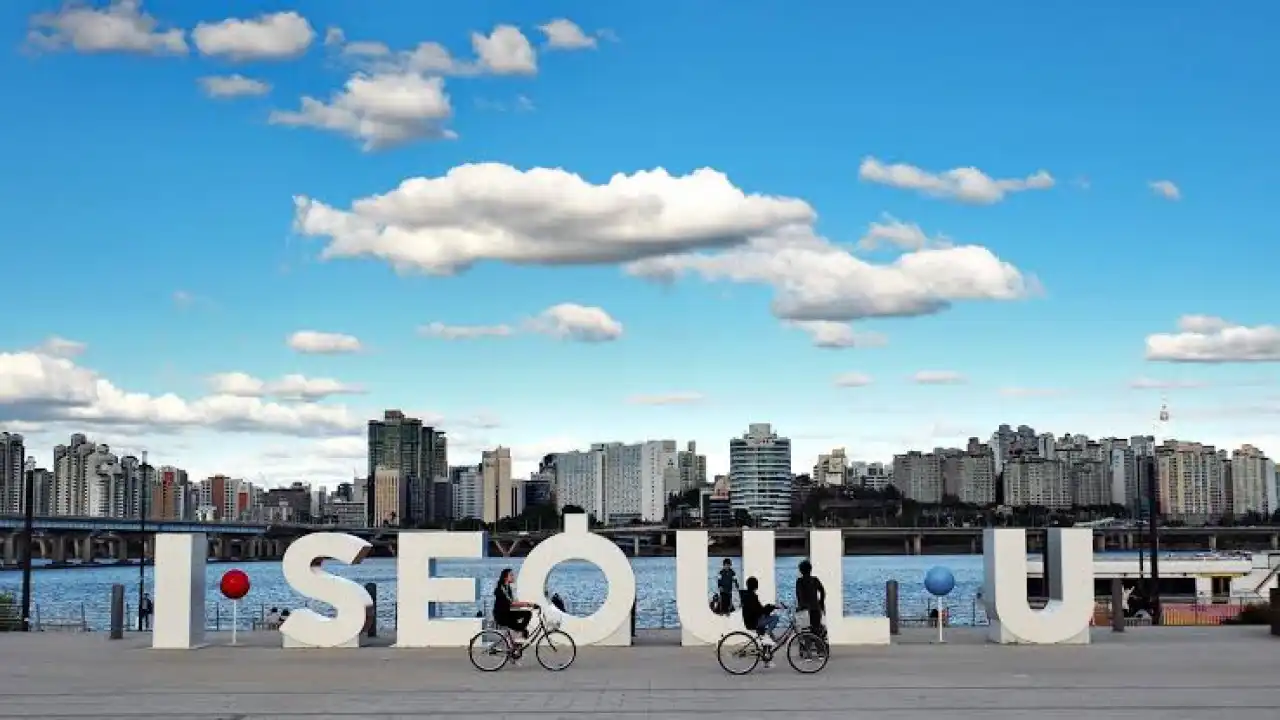
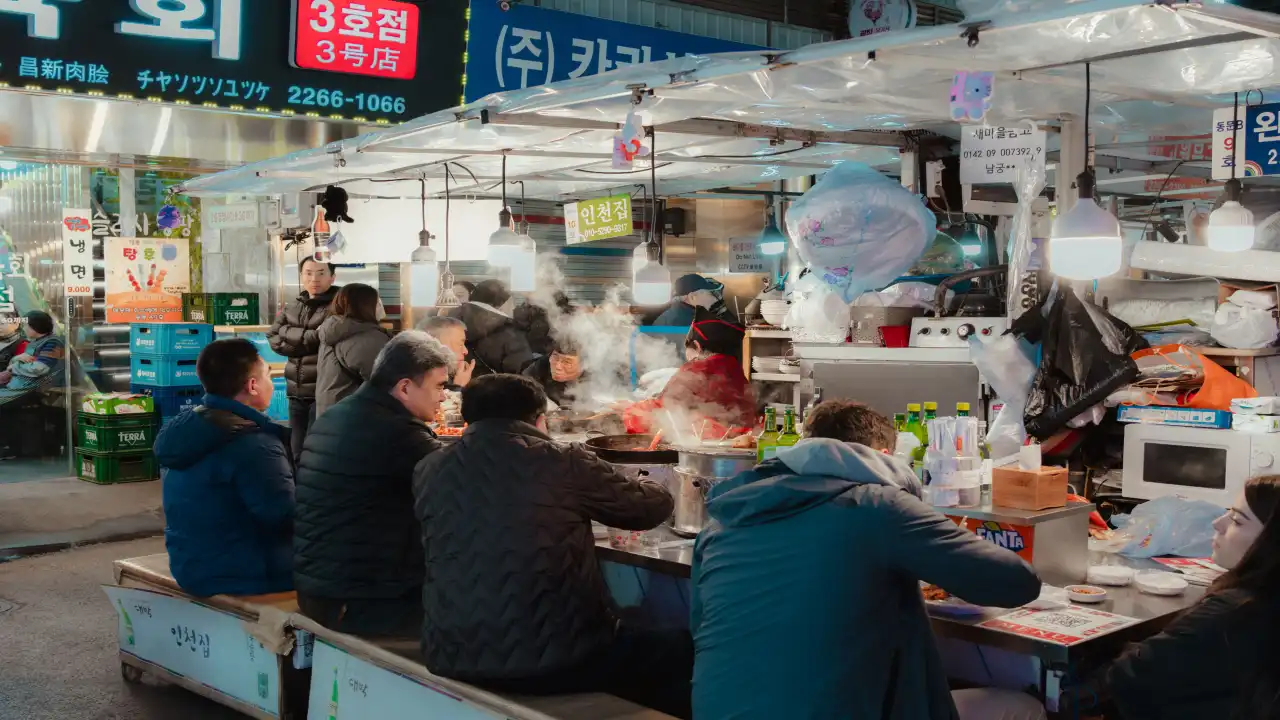
"Where do you go when you want something good to eat at 10 pm in Seoul?" There's no one answer. You could wander into a market alley, follow the smell of freshly fried pancakes, or join the line at a cart selling spicy rice cakes. Late-night hunger is never a problem in this city.
Eating in Seoul doesn't stop after dinner. As evening comes on, neighborhood markets, roadside stalls, and tiny eateries become hangout spots. Exploring the city's Korean food and café culture is also one of the best ways to see how locals meet friends and spend their evenings. If you're planning a South Korea tour package, add Seoul's food streets to the list, especially if you like trying something new at every stop.
Why Is Seoul Worth Exploring for Its Night Food Scene?
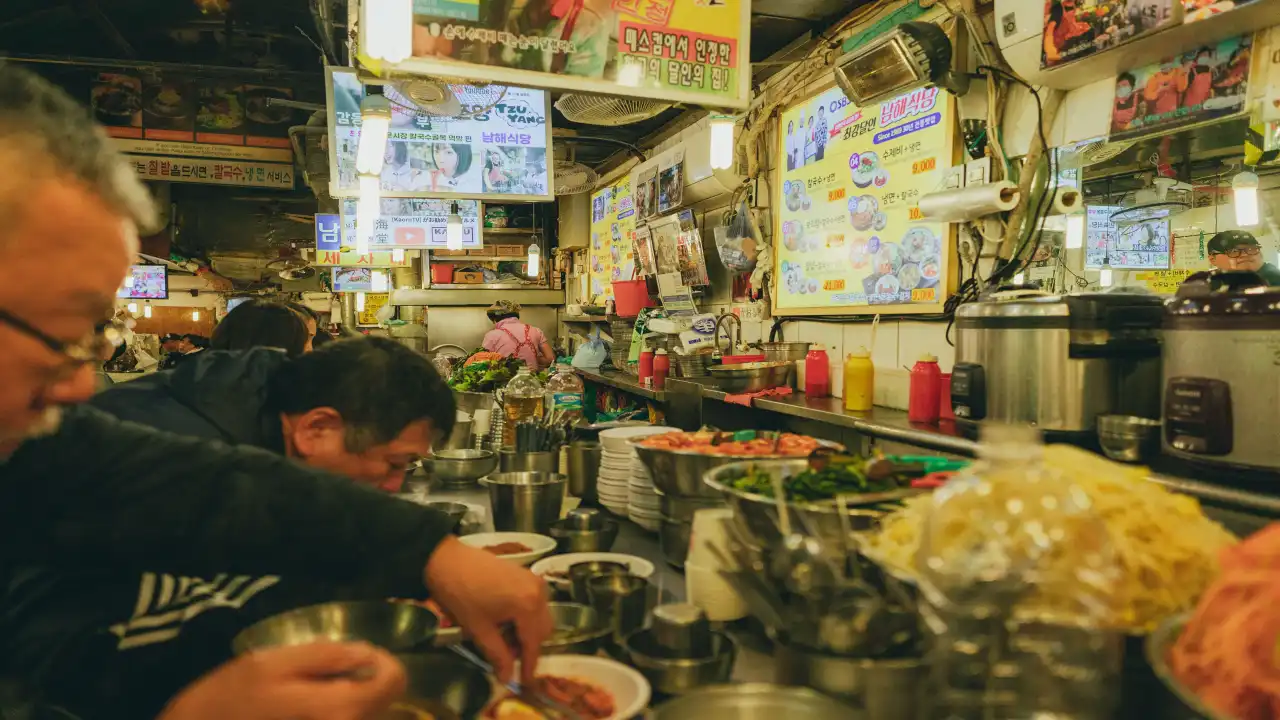
Seoul's food scene changes throughout the day. Afternoons suit traditional markets and quick bites, while evenings bring crowded food stalls, busy restaurants and neighborhoods that stay lively well past midnight. Away from the street food, the cafés are worth a visit too, with late-night coffee, desserts and relaxed spaces that show you a different side of Korean café culture.
Food matters a lot in Korean culture, and meals usually come with several small side dishes called banchan alongside the main course. Sesame oil, garlic, chili paste, and soy sauce give the cuisine its distinctive flavors. Shared meals, traditional recipes, and street-side snacking together offer visitors a closer look at Korean Dishes and Food Culture and everyday life in Seoul.
What Korean Street Foods Should You Try?
A food walk is easier when you know what to look for. Menus vary from market to market, but these are popular picks to keep an eye out for.
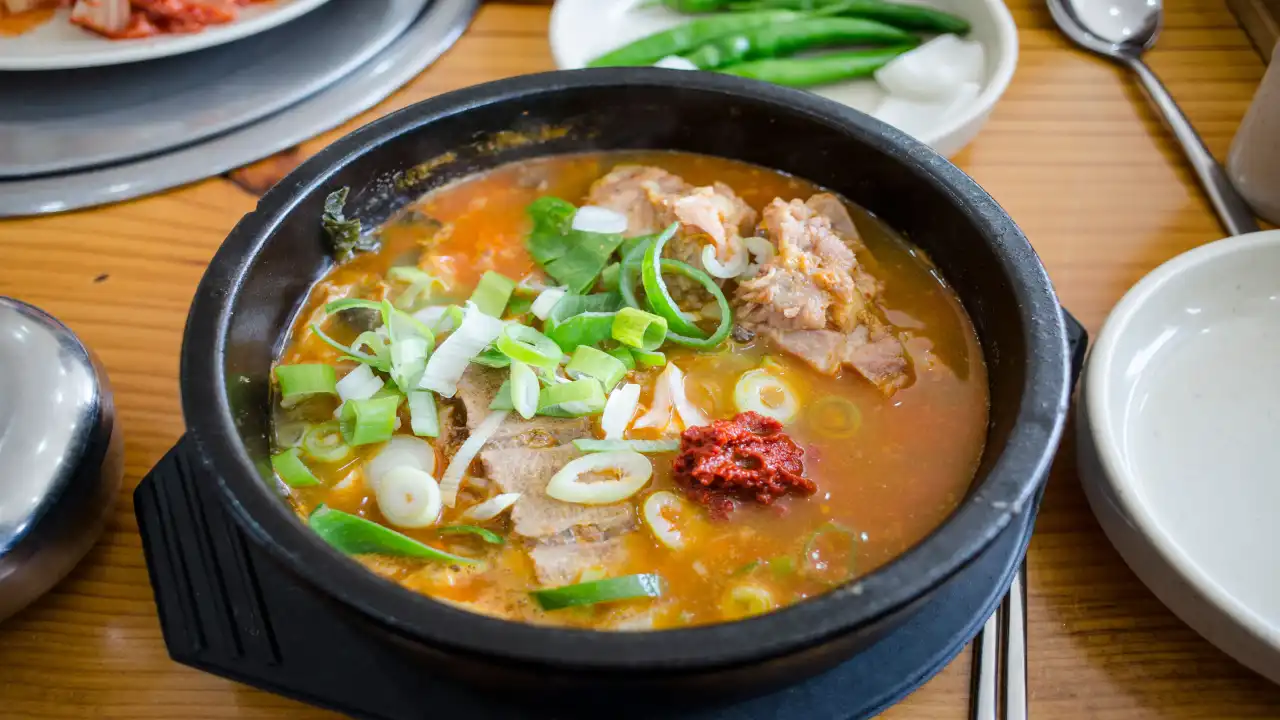
- Tteokbokki: Chewy rice cakes in a spicy gochujang-based sauce.
- Hotteok: A pan-fried pancake filled with brown sugar, cinnamon, and sometimes nuts.
- Eomuk: Fish cakes on skewers, served with warm broth.
- Gyeranppang: Small, soft breads baked with an egg inside, and an easy snack to grab.
- Twigim: Korean-style mixed fried foods, often vegetables and seafood.
- Sundae: Korean blood sausage, traditionally served with salt or dipping sauces.
Prefer milder flavours? Begin with egg bread, gimbap or fish cake broth, then build up to the spicier dishes.
Which Korean Night Markets and Food Streets Should You Visit?
Not every market in Seoul is a proper night market. Some are traditional daytime markets whose food sections stay open into the evening. Others are shopping districts where street food stalls appear as the day winds down.
Here are a few places worth adding to your evening plans:
1. Gwangjang Market: Where Traditional Korean Food Takes Centre Stage
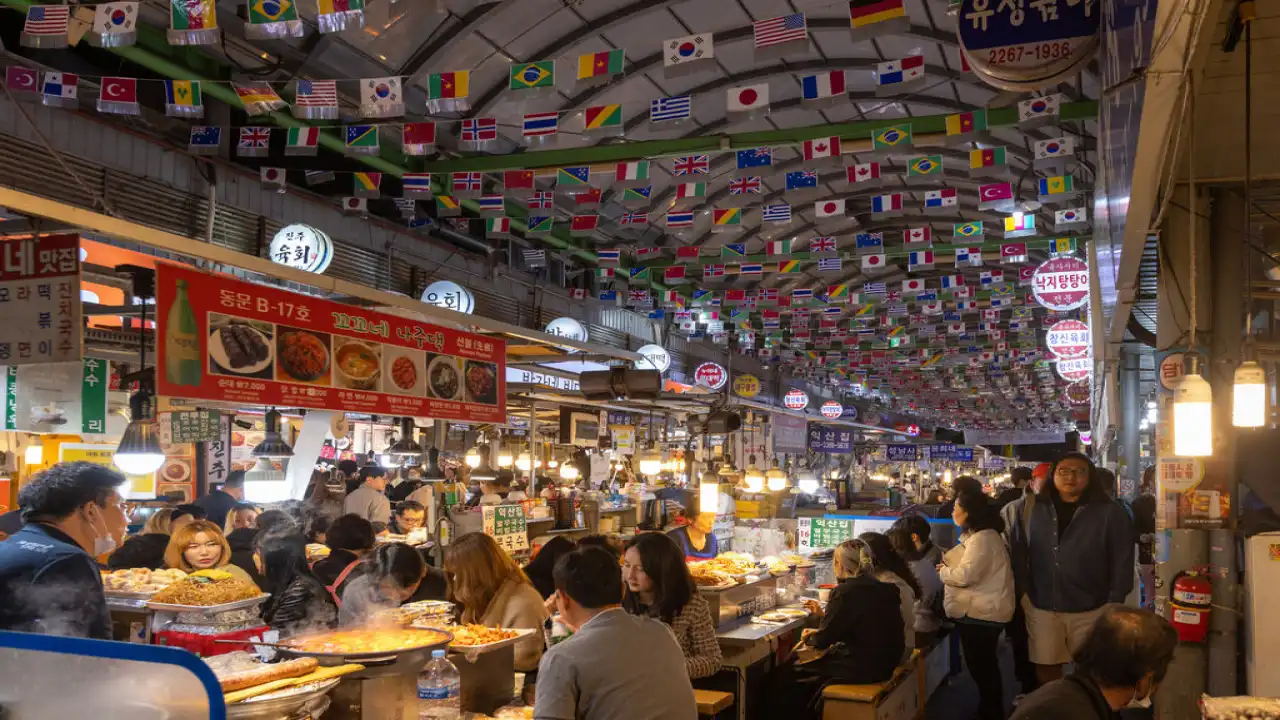
Gwangjang Market sits at 88 Changgyeonggung-ro in Jongno-gu. It's known for its crowded food alleys, where you can try freshly made Korean favourites like pancakes, rice rolls and spicy rice cakes.
- Best time to visit: Late afternoon or evening, when the food alley is at its liveliest.
- Timings: The food alley generally runs from 9 am to 11 pm. The wider market closes earlier, and many non-food sections shut on Sundays.
- Nearest metro: Jongno 5-ga Station, Exit 8.
- A handy tip: Come hungry, but don't over-order at the first stall. There's plenty more further down the alley.
2. Myeongdong Street Food Market: For Snacks While Shopping
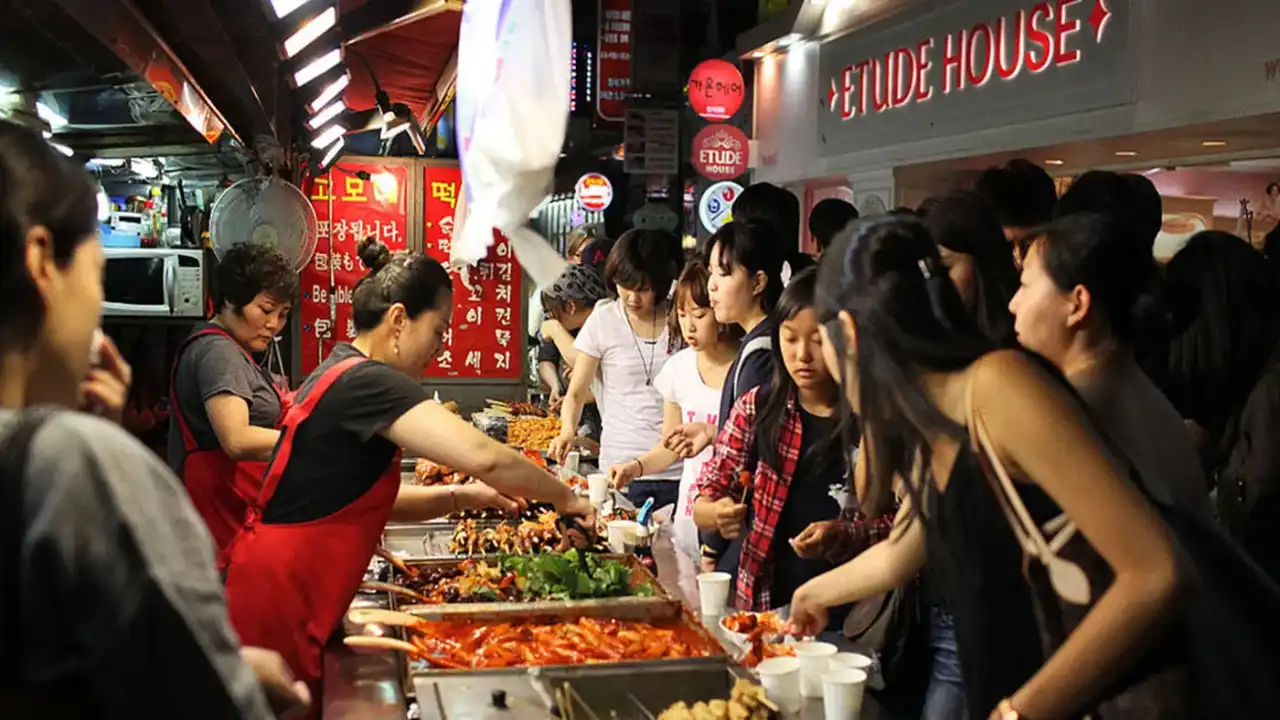
Myeongdong mixes shopping with street food. Along its busy evening streets, you'll find everything from Korean corn dogs and hotteok to grilled seafood, egg bread, and tanghulu.
- Best time to visit: From around 5 pm, though each stall keeps its own schedule.
- Timings: Stalls generally open in the late afternoon or early evening.
- Nearest metro: Myeongdong Station, Exit 6 or 7.
- Good to know: Not every stall opens daily, so what's on offer can change from one visit to the next.
3. Dongdaemun: For Late-Night Shopping and Food
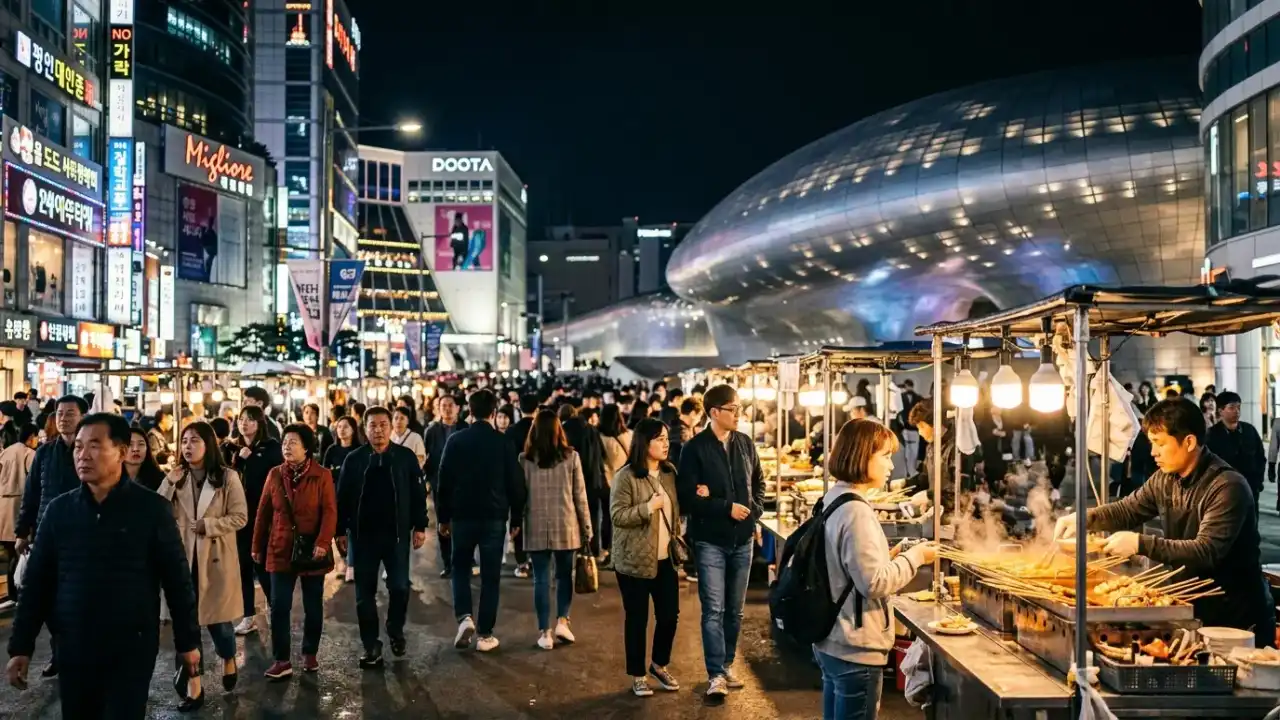
Dongdaemun is best known for late-night shopping, fashion markets, and lively streets. Food stalls and eateries nearby serve quick bites, especially after a visit to Dongdaemun Design Plaza.
- Best time to visit: After 8 pm.
- Nearest metro: Dongdaemun History & Culture Park Station, Lines 2, 4 and 5. Exits 2 and 3 lead to different sections of the Sebit Market.
- Timings: The Sebit Market generally runs from around 8 pm to 3 am, though some vendors close earlier.
- Keep in mind: Dongdaemun is mainly a shopping destination with food options nearby, not a dedicated street-food market.
4. Mangwon Market: A More Local Food Experience
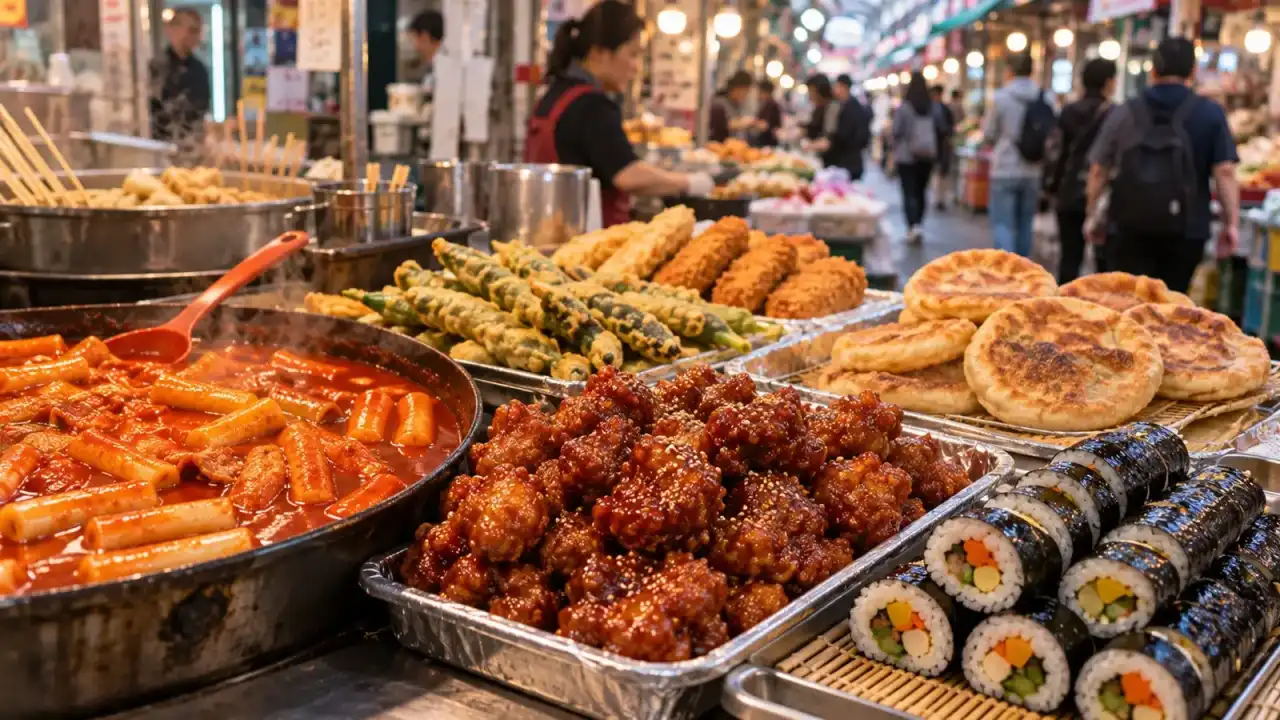
Mangwon Market in Mapo-gu has a relaxed, neighborhood feel, with covered food alleys, affordable snacks, fresh produce and local favourites like fried chicken, dumplings and noodles.
- Best time to visit: Late afternoon, before vendors begin packing up.
- Nearest metro: Mangwon Station, Line 6, Exit 2.
- What to try: Dakgangjeong (crispy, sweet and spicy fried chicken), dumplings, noodles and other Korean snacks.
- Good to know: Unlike Myeongdong, Mangwon isn't a late-night spot. It works better for an early evening food walk.
Where Can You Find Cafés Open Late in Seoul?
Whether you're planning a food-focused holiday or exploring international tour packages for your next vacation, Seoul's cafés are a great way to experience everyday city life beyond the popular tourist spots.
Here are three neighborhoods to explore.
- Seongsu: Once full of workshops and industrial spaces, Seongsu is now a hotspot for creative cafés, bakeries and concept stores. It's a good pick for unusual interiors and specialty coffee.
- Hongdae: Young, lively and known for music, shopping and nightlife, Hongdae is packed with cafés, dessert shops and casual eateries. It's handy if you want to keep the evening going after dinner.
- Euljiro: Old workshops and narrow streets sit next to independent bars, cafés and restaurants. The slightly rough-around-the-edges look is part of the charm.
Café culture in South Korea also means seasonal drinks, bingsu, croffles and eye-catching interiors, and every Seoul neighborhood has its own take. Check closing times before you go, as hours vary.
Planning a South Korea Holiday?
Seoul's food streets, traditional markets and neighborhood cafés have plenty to offer beyond the usual sightseeing stops. Travel Junky can help you plan the trip with the right stays, easy transport and well-planned itineraries, so you can spend more time trying new dishes and exploring Seoul at your own pace.
Ready to experience Seoul's food scene for yourself? Explore Travel Junky's South Korea tour packages and start planning your next Korean getaway today!
What Should Indian Travelers Know Before Exploring Seoul's Food Streets?
A little preparation makes the food trail much smoother. Keep these tips in mind before you head out:
- Carry some Korean won: Smaller street vendors often prefer cash, even if larger restaurants take cards.
- Check spice levels and ingredients: Korean food can be spicy, and meat, seafood, and fish sauce are used widely. Ask about ingredients if you have dietary restrictions.
- Use Naver Map or KakaoMap: These apps help you find markets, restaurants, and walking routes.
- Start with Gwangjang Market: Try traditional Korean snacks and look around the Jongno neighbourhood before moving on.
- Head to Dongdaemun after 8 pm: Take in Seoul's late-night atmosphere, shopping streets and nearby food spots.
- Save room for dessert: Pick up some local sweets or stop at a nearby café for a late coffee.
- Don't rush between markets: Share smaller portions, sample different dishes, and give each area enough time.
Korean meals are usually shared, so ordering several dishes is a good way to taste more of the menu. Travel Junky can help plan your Seoul itinerary, including food experiences and sightseeing.
Frequently Asked Questions
Gwangjang Market is one of the best picks for traditional Korean street food, especially bindaetteok, mayak gimbap, and tteokbokki.
Street food stalls generally run all week, but each vendor sets their own schedule. Most start setting up in the afternoon or early evening.
Between 5 pm and 9 pm works well for most food streets. For Dongdaemun's late-night shopping area, go after 8 pm.
Some things, like certain vegetable pancakes and plain rice-based snacks, may work. But broths, sauces, and fillings can contain meat, seafood, or fish-based ingredients, so always confirm before ordering.
Some cafés in Hongdae, Seongsu and other busy areas stay open late, but closing times vary. Check before you go.