Famous Forts of Rajasthan and the Legends Behind Them
Introduction
If you’ve ever stood somewhere in Rajasthan, tilted your head back, and felt oddly small in front of a huge stone wall, you’ll know this feeling. The forts of Rajasthan aren’t just old structures left behind by history. They feel aware. Almost watchful. Gates still carries scars from old battles. Courtyards feel heavy, like important conversations happened there and never really left. Even narrow passages have a strange silence, as if they’re holding onto something.
This isn’t a story built only on timelines and rulers’ names. It’s more about people. Kings who trusted walls more than promises. Queens who chose dignity when comfort was an option. Soldiers who stayed at their posts even when the odds were clearly gone. These forts were once built to guard kingdoms. Today, they guard memories. And honestly, that’s what makes them stay with you long after you leave.
Why Rajasthan Has So Many Forts
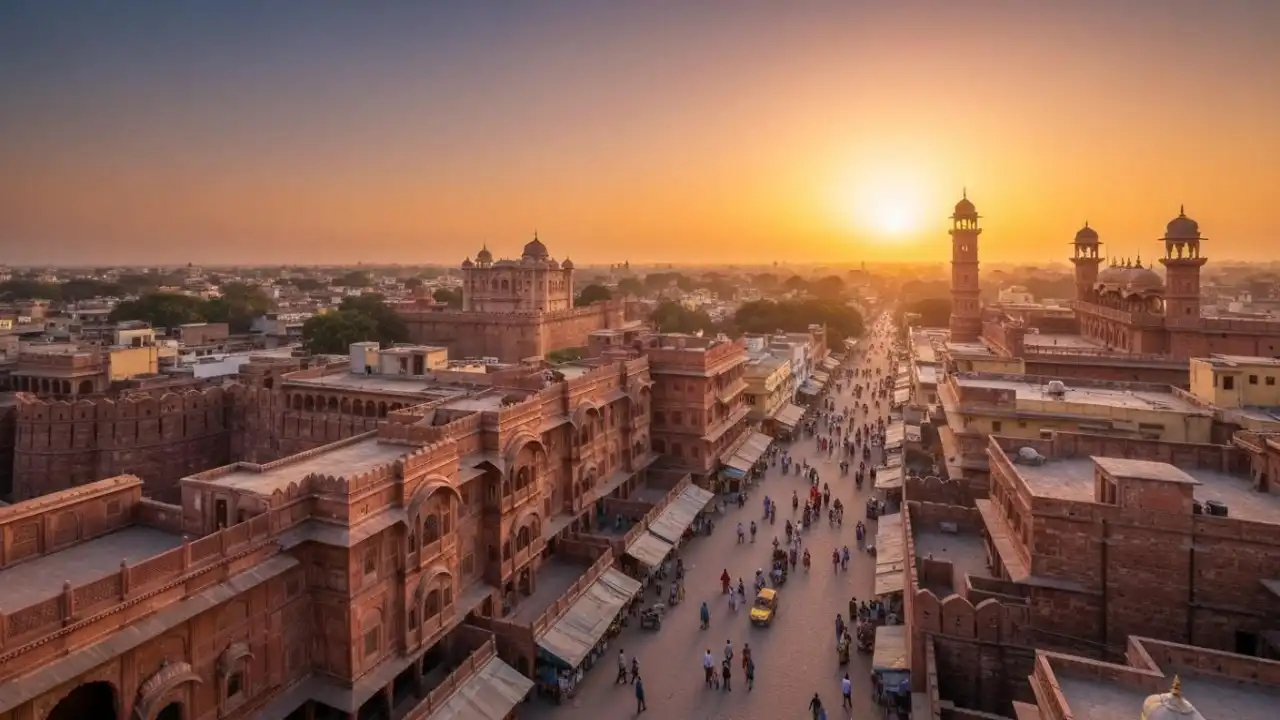
Rajasthan didn’t wake up one day and decide to fill the landscape with forts. It happened slowly, out of need. This region was open to attacks for centuries. Kingdoms rose close to each other, often uneasy neighbors. Trade routes crossed deserts, and whoever controlled them held power. The land itself is marked by rocky hills, sharp ridges, and natural high ground. Perfect places to build something that needed to last. Over time, forts stopped being just defensive shelters. They turned into full worlds inside walls. Palaces, temples, storage rooms, water systems, and even markets. Life happened there, not just warfare.
Pro Tip: When you visit, don’t only chase the famous halls. Wander into the quieter corners. Old kitchens, guard spaces, water tanks. Those places explain daily life better than grand balconies ever will.
Amer Fort: Where Strategy Met Style
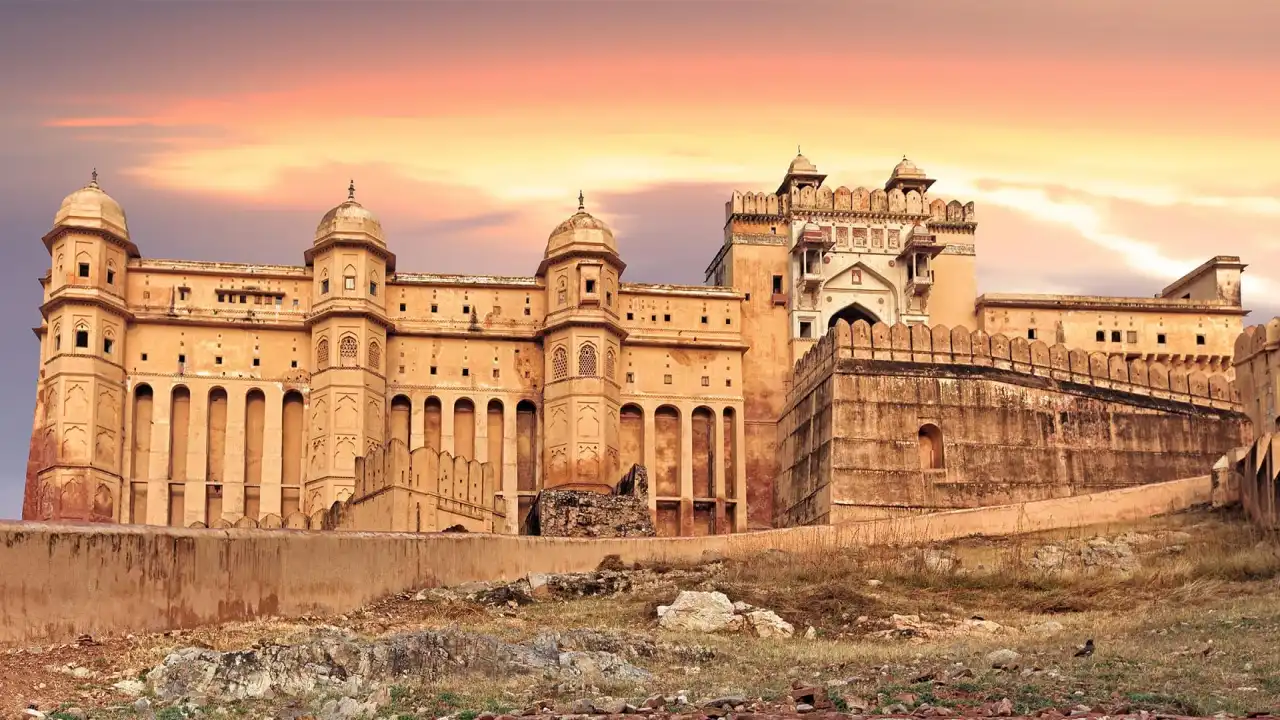
Amer Fort, just outside Jaipur, feels calm today. Almost gentle. But centuries ago, it was anything but relaxed. It was a place where plans were made carefully and power was protected fiercely. Built under Raja Man Singh, the fort balances strength with beauty. Outside, the walls are thick and serious. Inside, you’ll find mirrors, painted ceilings, and delicate details that feel almost surprising after the climb.
The Legend Behind Amer Fort
There’s a story locals still talk about, it's secret passages hidden behind walls. Designed so royal women could leave safely if things went wrong, without being seen. Soldiers would stay behind. The fort was planned with that reality in mind. Another detail people often miss is Maota Lake below. It wasn’t built just to look pretty. During sieges, it was survival. Water meant time. And time meant hope.
What Makes Amber Fort Stand Out
- Walls that follow the shape of the hill instead of fighting it
- The Sheesh Mahal, glowing softly even with a single flame
- Courtyards that quietly separated public life from private moments
Mehrangarh Fort: The Unbreakable Giant
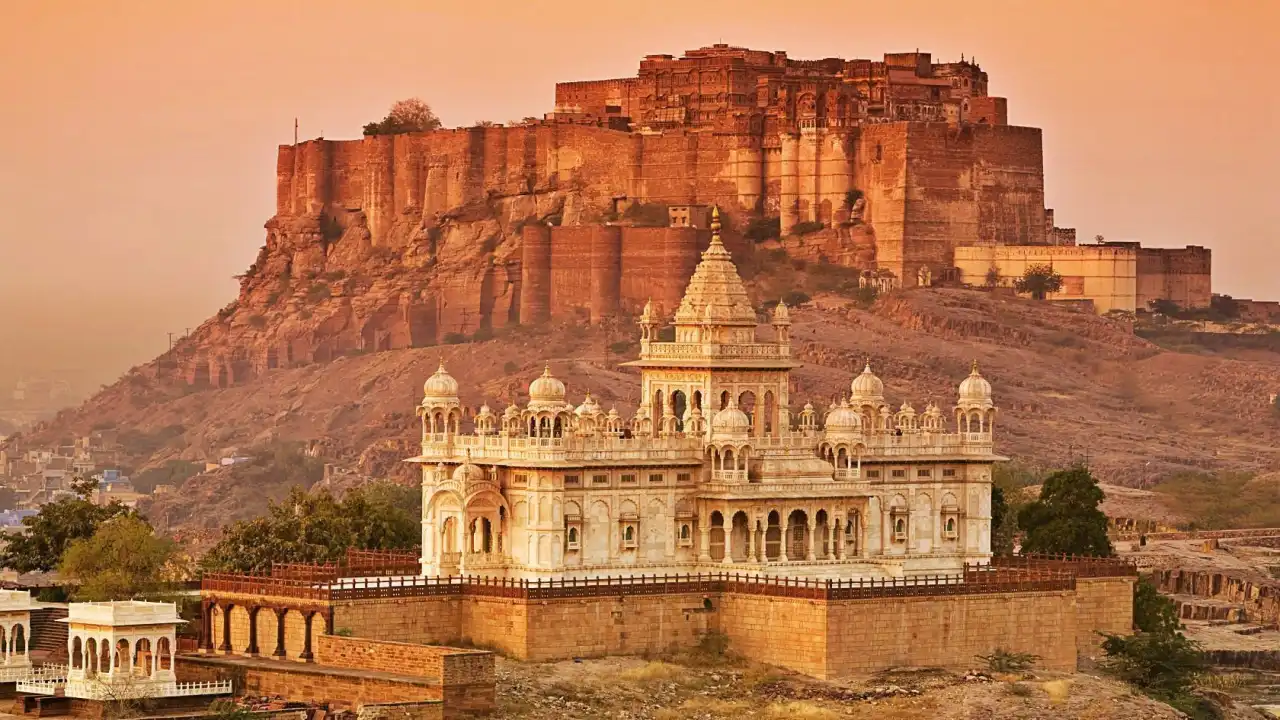
Mehrangarh Fort doesn’t ease into the landscape. It dominates it. Standing at its base, you feel it immediately. The height. The weight. The intention behind every stone. Rao Jodha chose elevation over convenience in the 15th century. It wasn’t comfortable, but it worked. The fort remained nearly impossible to defeat.
Stories Etched in Stone
Near one of the gates, you’ll notice deep marks. Cannonball damage. Instead of hiding it, rulers left it untouched. A reminder. Not of destruction, but survival. There’s also a darker story. One about a man buried alive in the foundation to ensure the fort’s strength. Whether legend or truth, it says a lot about how seriously protection was taken. Mehrangarh holds a major place in Rajasthan fort history, especially in how defense, elevation, and design came together.
Pro Tip: Visit in the late afternoon. As shadows stretch over Jodhpur, the fort explains itself without saying a word.
Jaisalmer Fort: The Living Fort
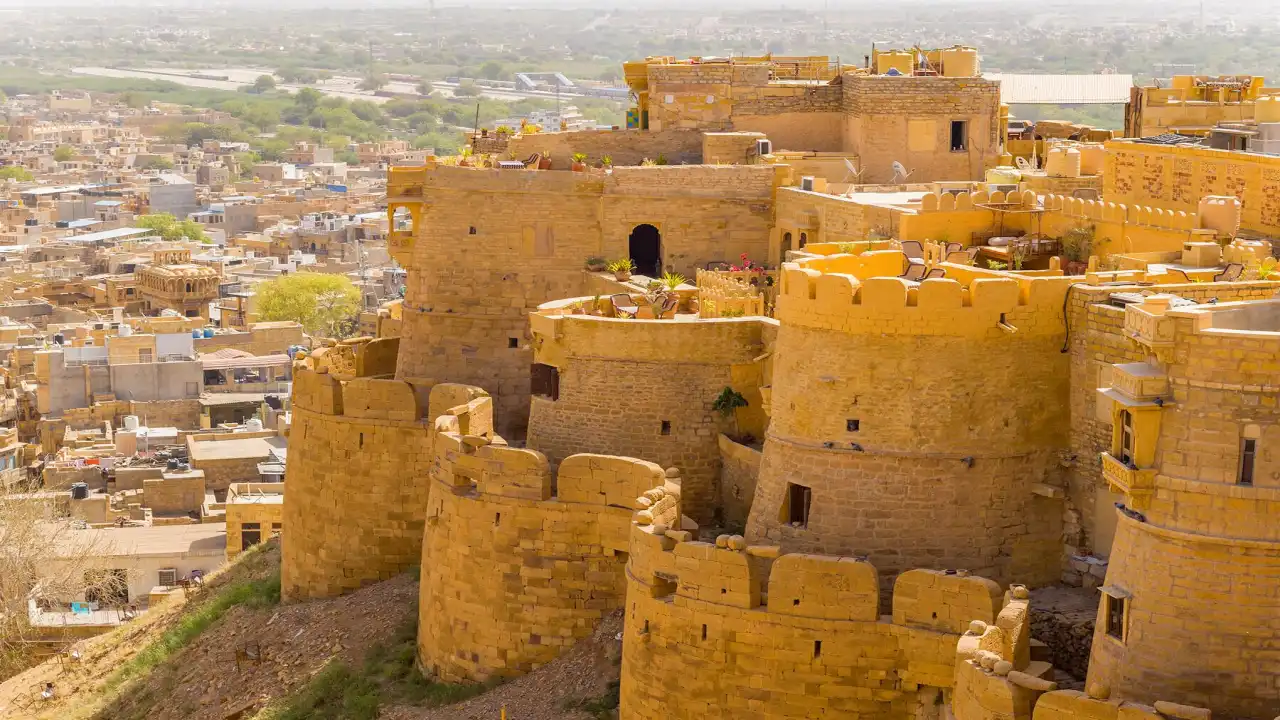
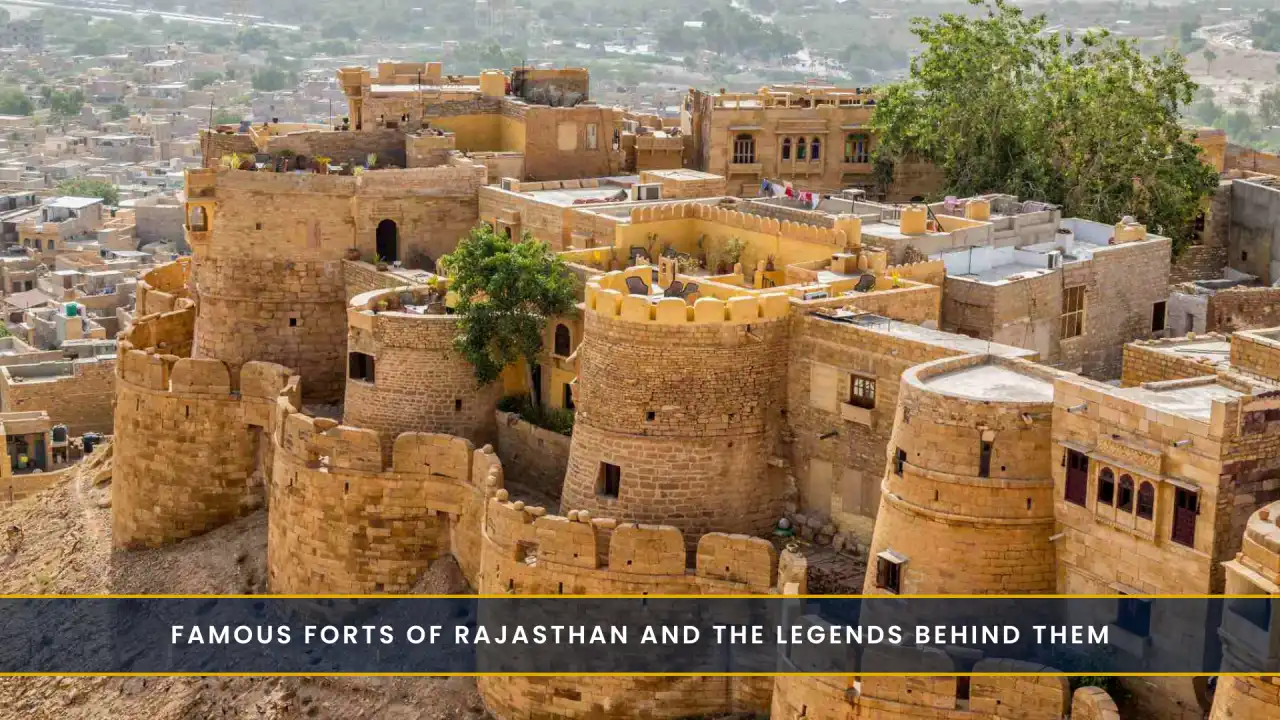
Most forts feel paused in time. Jaisalmer Fort doesn’t. It breathes. People still live there. Shops open. Bells ring. Life continues inside its walls. Built from yellow sandstone, the fort blends into the desert so well that from far away, it almost disappears into the sand.
Legends of the Golden Fort
Old stories talk about merchants hiding wealth underground during invasions. Some chambers were never reopened. Over time, these stories turned into quiet treasure myths whispered across generations. There are also tales of tunnels stretching far beyond the fort, meant for sudden escapes when enemies arrived without warning.
Why Jaisalmer Fort Feels Different
- Homes, temples, and shops are still in use
- Narrow lanes meant to confuse intruders
- A skyline that shifts color as the day moves
Among the famous Rajasthan forts, this one stands apart simply because people never left it.
Chittorgarh Fort: Courage Above Life
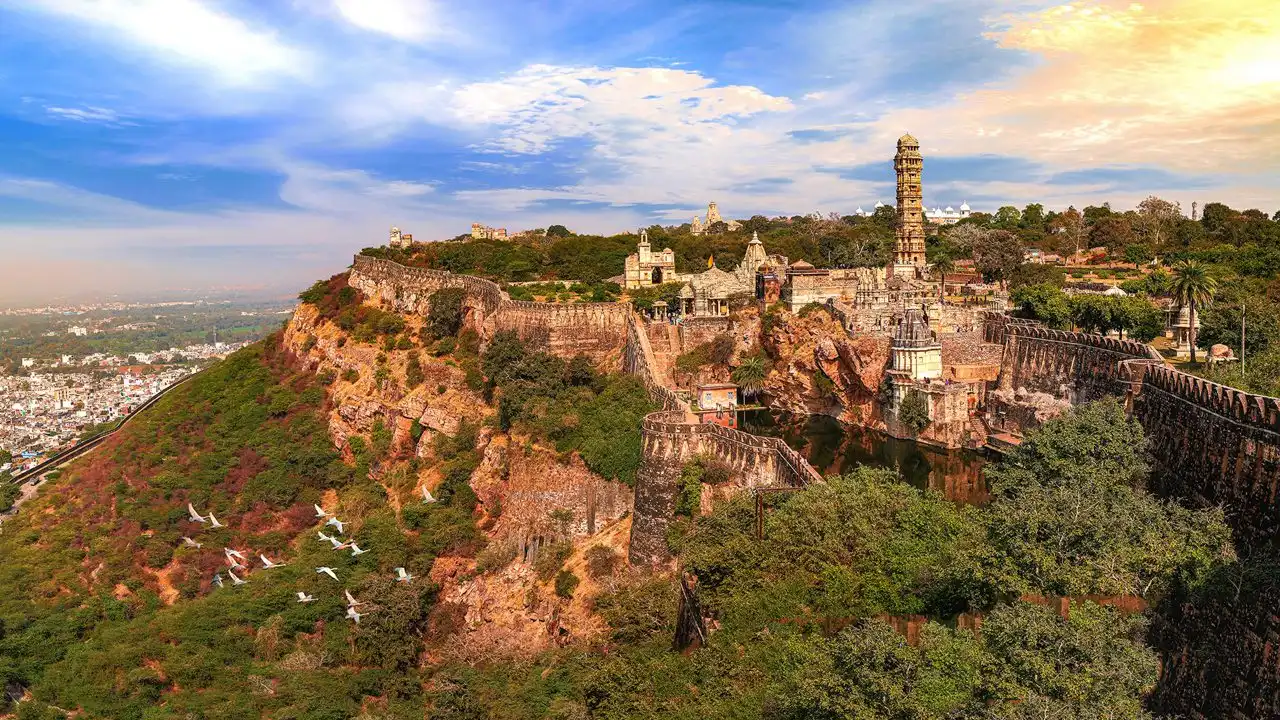
Chittorgarh Fort isn’t just large. It feels heavy. Spread across a massive plateau, it carries stories that aren’t easy to hear, but impossible to ignore.
The Stories of Jauhar
This fort is known for jauhar, when women chose fire over capture after defeat. These moments weren’t born from fear. They were rooted in belief, honor, and the harsh realities of that time. Rani Padmini’s story, told again and again in different ways, still circles back to resistance and dignity more than romance.
Key Highlights
- Vijay Stambh, standing tall in victory
- Kirti Stambh, built around devotion
- Large water reservoirs that kept the fort alive during sieges
Pro Tip: Don’t rush this place. Some spaces need silence more than explanation.
Kumbhalgarh Fort: The Great Wall of India
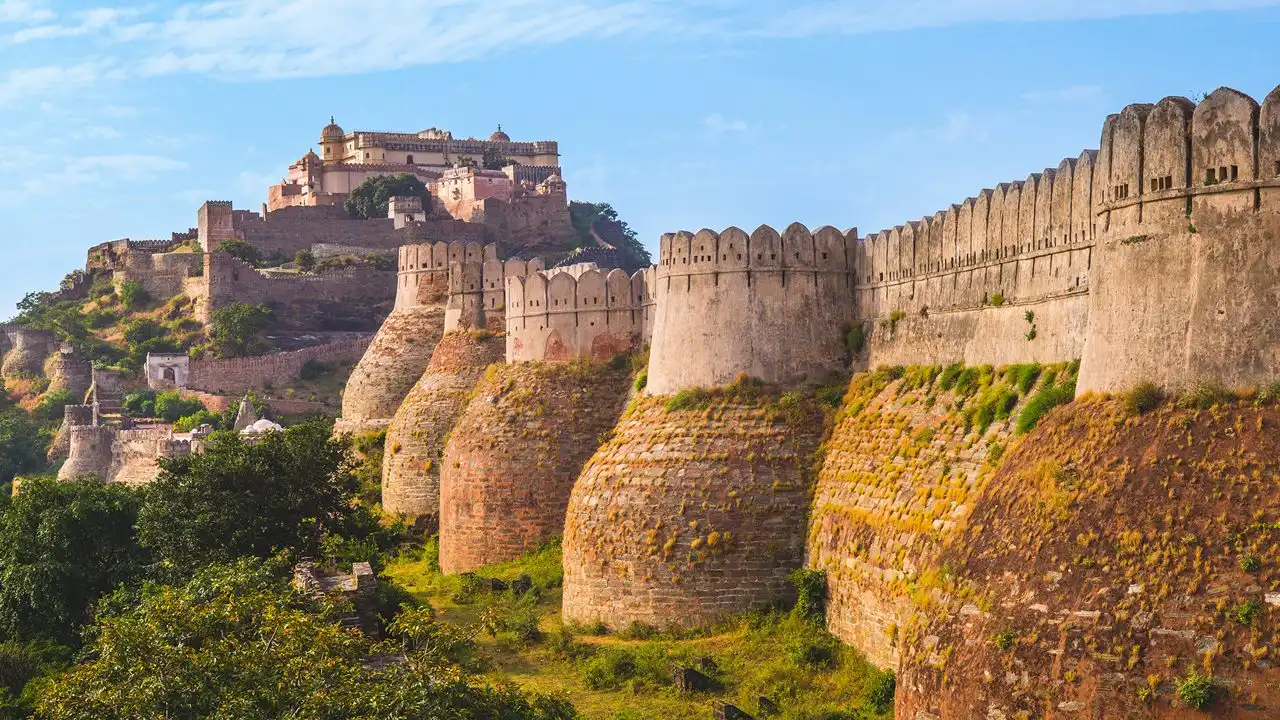
Kumbhalgarh Fort is known for one thing instantly, its wall. Stretching over 36 kilometers, it’s second only to the Great Wall of China. Hidden deep in the Aravalli hills, this fort wasn’t meant to be obvious. It was meant to protect when everything else failed.
A Fort of Mystery
Local stories say the walls kept collapsing until a sage suggested a human sacrifice. After that, the structure held. Myth or memory, it adds a strange weight to the place. It’s also the birthplace of Maharana Pratap, one of Rajasthan’s most respected warriors.
What Makes Kumbhalgarh Special
- Endless defensive walls
- Forests that hide it naturally
- A location meant to disappear rather than dominate
Ranthambore Fort: Power Meets Wilderness
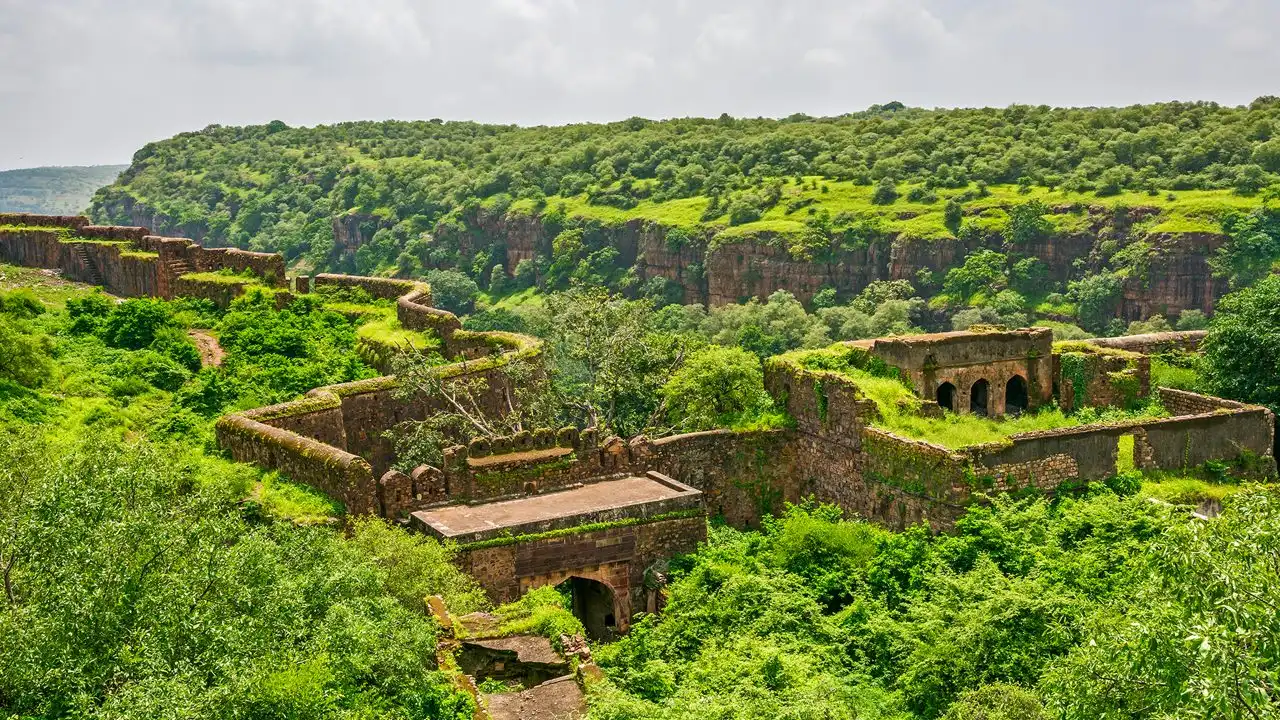
Today, Ranthambore Fort sits inside a wildlife reserve. Back then, it controlled movement, trade, and territory. Built high on a hill, it offered both protection and command over the surrounding land.
Legends Among the Ruins
Stories say that even during battles, rulers refused to abandon the temples inside the fort. Faith mattered as much as power here. Walking through Ranthambore now feels strange in a quiet way. Birds instead of soldiers. Trees instead of banners. But the walls remember.
Why These Forts Still Matter Today
These forts are more than stops on a map. They explain how Rajasthan survived wave after wave of change without losing itself.
They show:
- How design responded to danger
- How belief shaped decisions
- How stories last longer than weapons
For travelers considering a Rajasthan trip package, these forts offer something deeper than photographs. They offer context.
Conclusion
Rajasthan’s forts don’t demand attention. They wait. Calm. Unmoving. Letting time do the explaining. Their stories aren’t always heroic. They aren’t always comfortable. But they’re honest. These forts remind us that history wasn’t clean or simple. It was lived by real people making difficult choices behind stone walls. That’s also why many travelers now look beyond surface sightseeing and choose a domestic trip package that gives them time to slow down, listen, and actually understand these places. Long after the battles faded, the stories stayed and they still do.
Practical Travel Tips
- Start early. Heat and crowds build fast
- Local guides often know stories that books don’t
- Carry water. Distances inside forts are real
- Wear footwear you trust
- Read about one legend before entering a fort. It quietly changes how everything feels.