Kufri in Winter: Snow, Adventure & a Lot of Main Character Energy
Do you recall the iconic Bollywood songs that featured snow-covered hills with the actress in a chiffon saree and the actor in the thickest jacket possible? If you are a Bollywood fan, then Kufri is the place where you can create this main character moment with your loved one, friends, or even just you. Kufri hills make everyone feel like a main character with or without anyone.
Kufri in Winter looks straight out of a movie scene; it sees reliable snowfall from December through February, sitting at roughly 2,600 metres, about 15-16 km from Shimla. January is usually the most consistent month for snow on the ground, with daytime temperatures between -2°C and 5°C. It works best as a day trip or overnight add-on to a Shimla-based Himachal itinerary rather than a standalone destination. It's usually the last leg of a Himachal trip that people didn't realise would be their favourite part until they got there.
What Makes Kufri So Special in Winter?
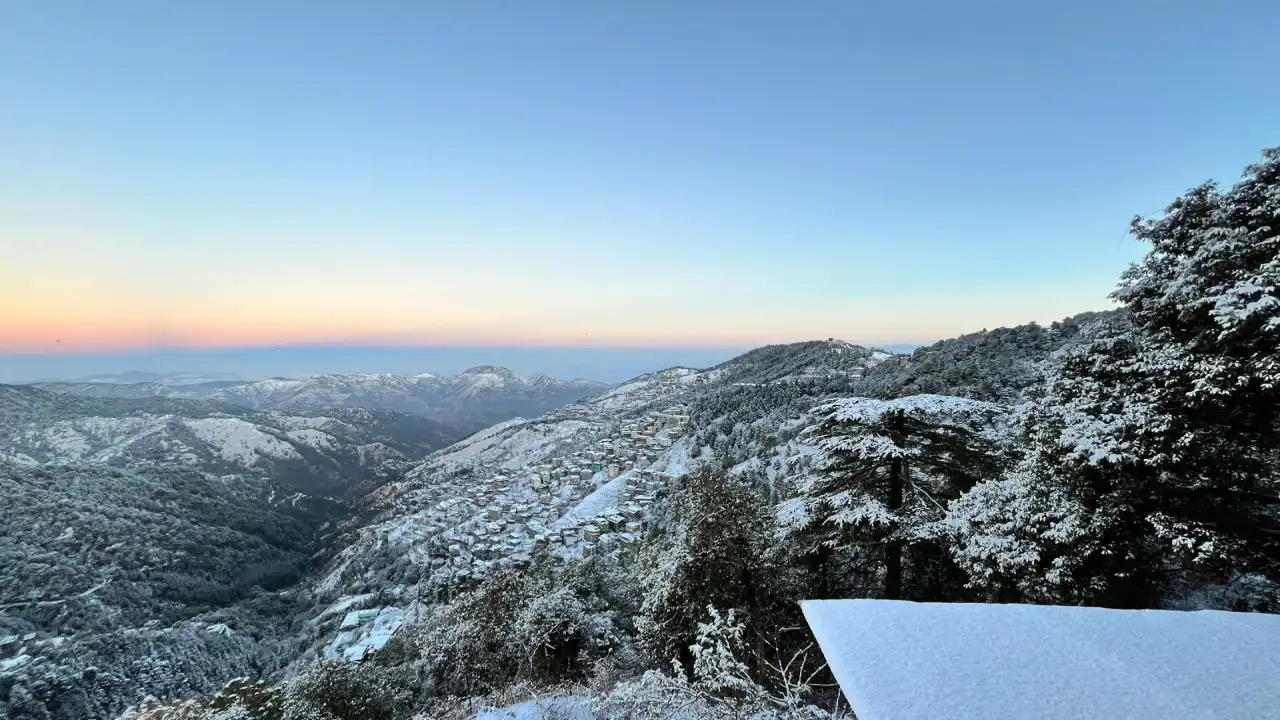
The short answer: snow you can actually reach without a serious trek, combined with views that don't require much effort to get to.
Kufri sits at roughly 2,600 metres, high enough that snowfall is reliable in peak winter but low enough that you're not dealing with altitude sickness or extreme cold gear. A few things make it stand out:
- Snow-covered forest stretches along the Kufri-Fagu road, visible from the vehicle itself
- Short, manageable winter activities that don't need prior experience
- Clear Himalayan views on the days the sky cooperates
- A 15-16 km distance from Shimla, meaning it fits easily into a day trip or overnight stay
- A mix that works for families with kids, couples wanting quieter viewpoints, and groups looking for snow activities
None of this happens in isolation, though. Kufri works best as one stop within a properly sequenced Himachal itinerary, not as a solo weekend destination. The road access, the timing, the weather windows, all of it fits better when it's planned alongside Shimla and one or two nearby towns.
Where to Go, What to Skip the Crowds For, and How to Get There
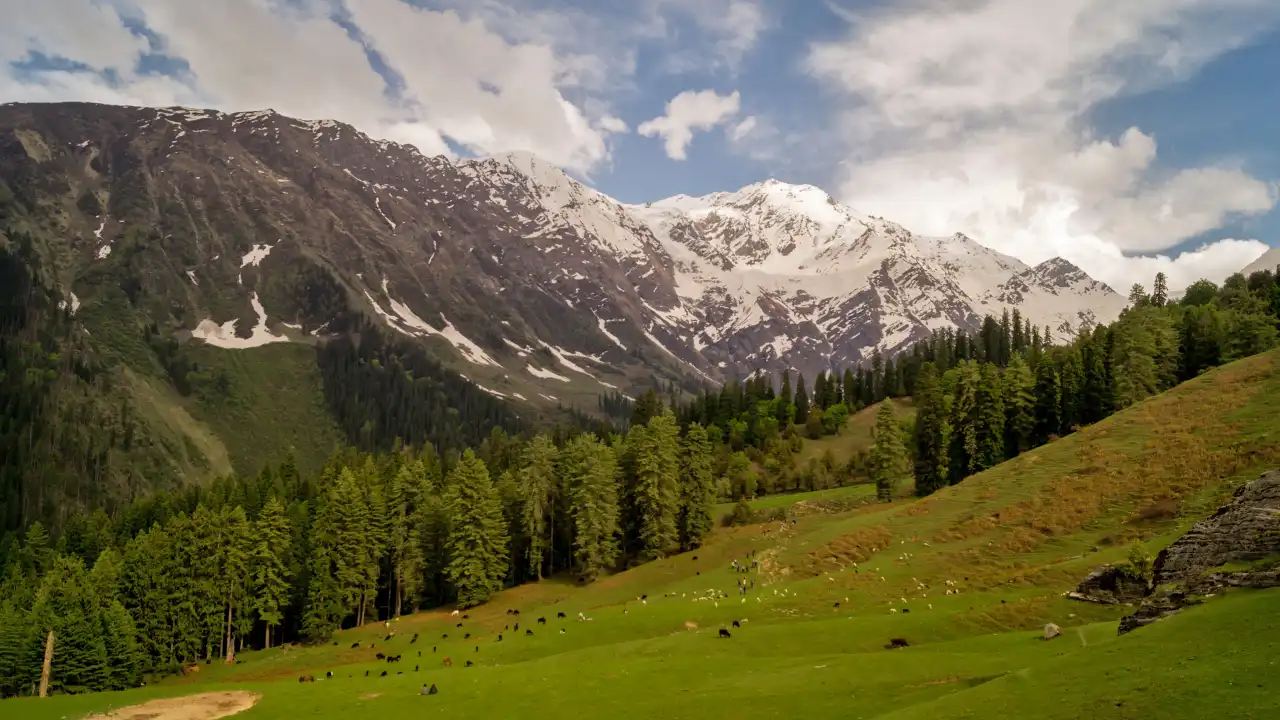
Specific spots worth building your visit around:
- Mahasu Peak — the highest point in the area, reached by pony or a 20-30 minute walk from the main market. The go-to for a clear-day Himalayan view.
- Himalayan Nature Park — a forest department-run enclosure about 20 minutes' walk from the market, home to snow leopards, Himalayan black bears, and pheasants in a semi-natural setting.
- The Kufri-Fagu stretch — the forested road connecting Kufri to Fagu, worth slowing down for even if you're not stopping.
- The main market and pony line — the commercial heart of Kufri, useful for gear rental, food, and the sledging and skiing operators.
Underrated experiences most itineraries skip:
- Fagu village, a short drive past Kufri, tends to get less crowded snow than Kufri itself on weekends, since most day-trippers stop at Kufri and turn back.
- Early-morning walks along the Kufri-Fagu road before 8 am, when the forest is still and the mist hasn't lifted. Most visitors only ever see this stretch from a moving car.
- Talking to the pony and sledge operators about which slope has the best snow that day. They know the terrain better than any map and will often point you to a quieter patch than the main crowd zone.
- The smaller tea stalls off the main market strip, away from the tourist-facing shops, are generally cheaper and a better spot to warm up between activities.
How to reach Kufri: Kufri is about 15-16 km from Shimla, a roughly 45-60 minute drive on the Hindustan-Tibet Highway (NH-5), depending on traffic and road conditions. Private taxis from Shimla's Mall Road or Cart Road taxi stand are the most reliable option in winter, when shared taxis run less frequently. There's no direct rail or air access, so Shimla remains the practical gateway, either by road from Chandigarh (roughly 115 km) or via the Kalka-Shimla toy train followed by a taxi onward.
None of this happens in isolation, though. Kufri works best as one stop within a properly sequenced domestic package, not as a solo weekend destination. The road access, the timing, the weather windows, all of it fits better when it's planned alongside Shimla and one or two nearby towns.
6 Experiences That Make Kufri Worth Visiting in Winter
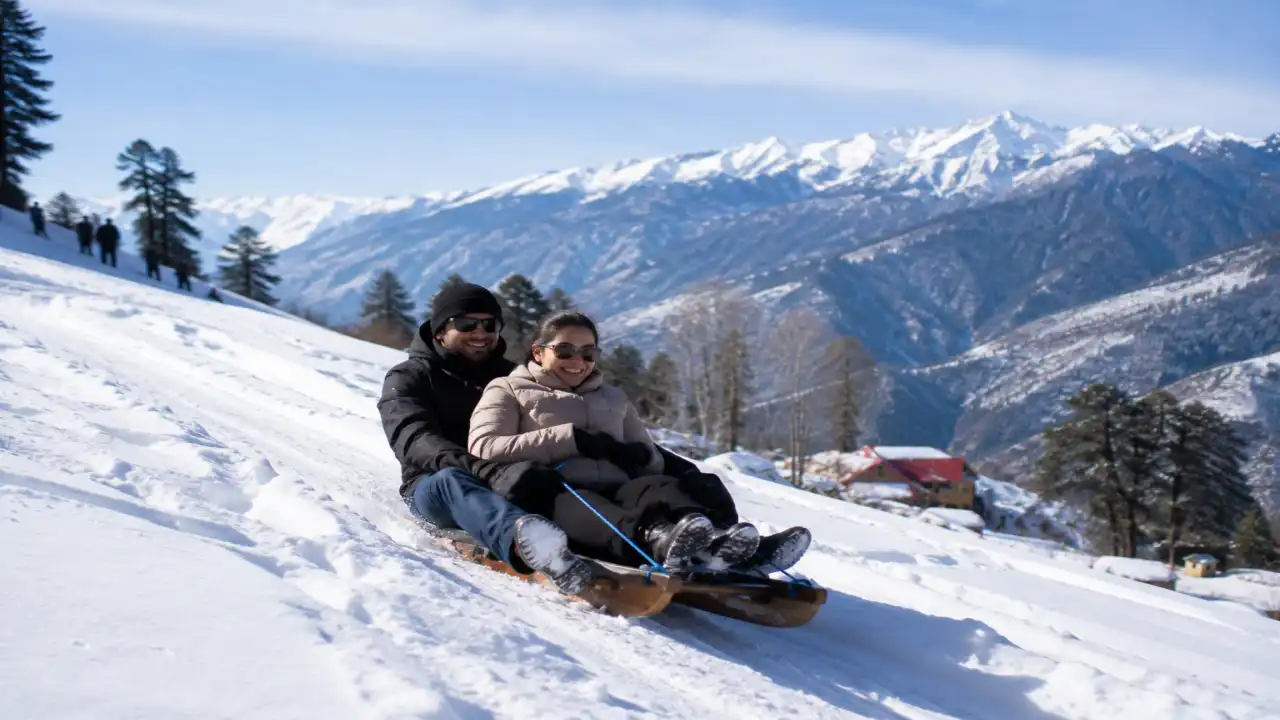
Play in the Snow
The open patches near the main road and around the base of Mahasu Peak are where most casual snow play happens; no equipment needed, just decent shoes and the willingness to get soaked
- Best time: Morning, before the snow gets churned up by footfall
- Duration: Flexible, most people spend 30-45 minutes
- Cost: Free, no booking needed
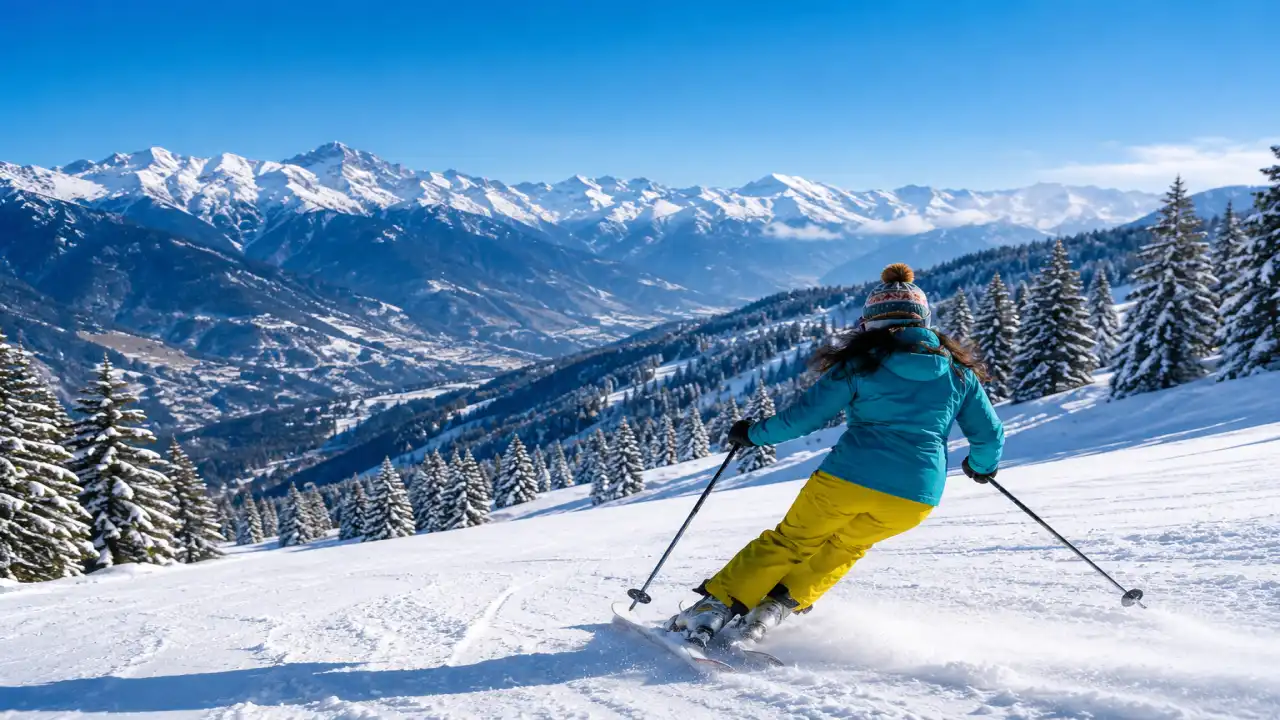
Try Skiing and Winter Activities
When conditions allow, basic skiing setups operate near the upper slopes, usually with instructors for beginners. This is weather-dependent and not guaranteed on every visit, so it helps to check locally rather than assume it'll be running.
- Best time: Late morning to early afternoon, once operators confirm snow conditions
- Duration: Sessions typically run 20-30 minutes per round
- Cost: Roughly ₹300-600 per session, negotiated on the spot with local operators
Take in the Views from Mahasu Peak
A short pony ride or a 20-30 minute walk from the main market gets you to Mahasu Peak, the highest point in the area at around 2,700 metres. On clear days, the view stretches toward the snow-capped ranges beyond Shimla district.
- Best time: Early morning for clear skies, late afternoon for golden-hour views
- Duration: 20-30 minute walk each way, or a 15-minute pony ride
- Cost: Pony rides typically ₹300-500 round trip, walking is free
Explore Himalayan Nature Park
Run by the Himachal Pradesh forest department, this park houses species like the snow leopard, Himalayan black bear, and various pheasants in a fairly natural, forested setting. It's roughly a 20-minute walk from the main Kufri market and takes about an hour to go through properly.
- Best time: Late morning, once the enclosures are active and staffed
- Duration: About an hour for a proper walk-through
- Cost: Nominal entry ticket, usually under ₹100 per person
Enjoy Sledging and Other Snow Experiences
Local operators set up basic sledging on the slopes when snow cover is sufficient. Prices are negotiated on the spot, and it's worth asking locals which patch has the best snow that particular day, since conditions shift quickly.
- Best time: Midday, once enough footfall has packed the snow for a smoother slide
- Duration: A few minutes per run; most people do several rounds
- Cost: Roughly ₹100-300 per run, cash negotiated directly with operators
Capture Kufri's Winter Landscapes
Whether it's the forest stretch on the drive up, the market with its snow-lined rooftops, or the open ridge near Mahasu Peak, there's no shortage of frame-worthy spots. Early morning and late afternoon light work best; midday sun tends to flatten everything out.
Most aesthetic spots in Kufri, if you're chasing the shot:
- The Kufri-Fagu forest stretch — deodar branches bowed under fresh snow, best caught right after an overnight fall before traffic disturbs the roadside drifts
- Mahasu Peak ridge at golden hour — prayer flags against a white slope, with the distant range catching orange light in the last 30 minutes before sunset
- The pony line near the main market — saddles in red, yellow and green against plain white snow, a colour contrast that photographs better than it sounds
- Himalayan Nature Park's entrance trail — snow-laced pine canopy forming a natural frame over the walking path, particularly good with morning mist still hanging low
- Steam rising off tea stalls in the market — a smaller, human detail shot that tends to outperform landscape photos on save-and-share platforms
- The open snowfield below Mahasu Peak — wide, untouched patches early morning before footprints and sledge tracks cut across them
Timing matters more than gear here. A phone shot at 7:30 am with clean snow and soft light will usually beat a proper camera shot taken at noon with the crowd already through.
These experiences work well combined with Shimla's Mall Road, Christ Church, and the Ridge, turning a single Kufri visit into a fuller day of sightseeing rather than a quick stop and turnaround.
When Is the Best Time to Visit Kufri for Snow?
December through February is the window most people aim for, though the reliability of snow varies more than travel blogs tend to admit.
December often brings the first significant snowfall, usually mid to late in the month, though this isn't fixed. January is generally considered the most consistent month for snow on the ground, with temperatures dropping to around -2°C to 5°C during the day and colder at night. February can go either way, sometimes carrying fresh snowfall, sometimes showing signs of early thaw depending on the year.
Planning a snow trip? If Kufri Snowfall is the main reason for your visit, keep your itinerary flexible and check weather conditions closer to your travel date. Snowfall patterns in the mid-Himalayas shift year to year, and a trip planned three weeks out can't reliably predict conditions on the ground.
Is Kufri Worth Visiting for Your Kind of Holiday?
For families: Easy sightseeing, manageable snow activities, and short walking distances. Kids generally enjoy the Nature Park and basic snow play without needing anything strenuous.
For couples: The quieter viewpoints, particularly early morning at Mahasu Peak, work better for couples than the more crowded midday market area. Combined with Shimla's evening walks, it rounds out a decent short trip.
For friends: Snow activities, sledging, and the general road-trip feel of driving up from Shimla make Kufri a solid group destination, especially if everyone's up for some walking and negotiating with local operators.
For first-time Himachal travellers: Kufri makes more sense as part of a combined route with Shimla, rather than a destination on its own. On its own, there's maybe half a day of genuine activity here.
Not sure how to fit Kufri into your Kufri Winter Trip plans? A planned itinerary can make it easier to combine the right destinations without spending your holiday figuring out logistics on the ground.
Kufri in Winter: What Instagram Doesn't Tell You
Crowds during heavy snowfall days can be significant, particularly on weekends when Shimla visitors make the drive up specifically to see snow. Parking near the main market fills up fast, and the walk from where you park to the activity zones can take longer than expected.
Road conditions change quickly. What's clear in the morning can ice over by evening, especially on the Shimla-Kufri stretch near Fagu. Drivers unfamiliar with hill roads in winter should factor in slower travel times.
Temperatures drop sharply after sunset, often 5-8 degrees colder than what you'd feel at midday. Snow isn't guaranteed on every trip either, some weeks pass with clear skies and no fresh fall, which catches people off guard when they've built their whole trip around seeing snow.
Footwear matters more than people plan for. Regular sneakers get soaked and cold fast; proper waterproof boots with grip make a real difference on the packed-ice patches near the market. And activity availability, whether it's skiing or sledging, depends entirely on snow conditions that particular week, not on the calendar month.
During peak winter, having transfers, accommodation, and sightseeing planned in advance can take some of the uncertainty out of the trip, particularly when road conditions are unpredictable and last-minute bookings get harder to find.
How to Plan a Kufri Winter Holiday
Where to stay: Kufri vs Shimla Shimla has far more accommodation options and better connectivity, making it the practical base for most visitors. Kufri itself has limited stay options, mostly smaller guesthouses, so a day trip from Shimla works better for most itineraries.
How long to stay: Day trip vs overnight A day trip covers the main experiences comfortably. An overnight stay only makes sense if you specifically want early morning access before the day-trip crowds arrive, or if you're combining it with Narkanda or Chail on a longer loop.
What to combine it with Shimla for the core stay, Narkanda for a quieter apple-orchard and snow experience further along the highway, or Chail for a slower, forested detour with its own cricket ground and palace.
How to get around Private transfers are the more comfortable option given the road conditions in winter. Shared taxis run from Shimla's Mall Road area but get crowded and less predictable during peak season.
What to pack Winter essentials matter more here than in Shimla town itself, since Kufri sits higher and colder.
When to book Peak winter weekends, particularly around Christmas and New Year, see accommodation and transfers booked out well in advance. Booking two to three weeks ahead is a reasonable minimum during this window.
What to Pack for Kufri in Winter
- Thermals, at least two sets
- A heavy, windproof jacket
- Gloves, waterproof if possible
- Woollen socks, extra pairs for wet days
- Waterproof footwear with good grip
- Cap or scarf covering the ears
- Sunglasses for the snow glare
- Personal essentials, including any regular medication, since pharmacy access in Kufri itself is limited
A Simple 3-4 Day Himachal Winter Plan
Day 1: Arrive in Shimla, settle in, evening walk on the Ridge and Mall Road.
Day 2: Kufri for snow activities, Mahasu Peak, and the Nature Park, back to Shimla by evening.
Day 3: Shimla sightseeing, or a day trip to Chail or Narkanda depending on preference.
Day 4: Departure.
Want to skip the itinerary juggling? Travel packages can combine accommodation, transfers, and sightseeing into one planned holiday, making it easier to focus on the experience rather than the logistics. A Himachal tour package by Travel Junky typically bundles these pieces together, so the back-and-forth of booking each leg separately isn't something you have to manage yourself. So, check out our packages, get onto that flight, and live your main character moment.
FAQs
Does Kufri get snowfall in winter? Yes, typically between December and February, though the timing and intensity vary year to year.
Which month is best for snowfall in Kufri? January is generally the most consistent month, though December and February can also bring good snow depending on the season.
Is Kufri worth visiting in winter? Yes, particularly if combined with Shimla. On its own it offers half a day to a full day of activity.
How cold is Kufri in January? Daytime temperatures usually range from -2°C to 5°C, with nights significantly colder.
What are the best things to do in Kufri in winter? Snow play, skiing when conditions allow, sledging, visiting Mahasu Peak, and exploring the Himalayan Nature Park.
Is Kufri suitable for families? Yes, most activities are low-effort and manageable for kids and older travellers alike.
Is Kufri better than Shimla for snowfall? Kufri sits higher than Shimla town, so it generally sees more reliable and heavier snowfall.
How many days are enough for a Shimla-Kufri trip? A single-day trip from Shimla covers Kufri well. Three to four days total works for a fuller Himachal loop including Chail or Narkanda.
What should I pack for Kufri in winter? Thermals, a heavy jacket, waterproof footwear, gloves, and basic winter accessories like a cap and scarf.
Kufri is best experienced as part of a well-planned Himachal escape. Find a Travel Junky package that fits your travel style and leave the logistics to us.
Suggested Read: Dussehra in Kullu: A Surreal Experience You Were Missing Out On