Must Try Mountain Food Dishes: 5 Local Specialties Worth Tasting
Introduction
Every mountain town greets you in its own way. Sometimes it's the cool breeze, sometimes it's the peaceful views, and quite often, but nine times out of ten, honestly, it's the food that sticks with you. Whether it's the snowy valleys of Himachal Pradesh, the green hills of Uttarakhand, or the beautiful landscapes of Sikkim, the food in each place is basically shaped by the weather and whatever's grown there for centuries. Siddu, Thukpa, Kafuli, smoky pork with bamboo shoot, that warm bowl of Chhurpi soup these aren't random dishes. They're kind of the region talking to you through a plate.
So besides your checklist of viewpoints and treks, add the must-try mountain food dishes too; locals will practically shove a plate at you if you let them. Real, hearty, filling stuff. Nothing like what you'd get back home. And skip the big restaurant chains if you can; some random family-run café down a side lane will usually feed you better anyway.
Why Mountain Food Feels Different
It's not just about filling up. This food is built for cold weather, made from whatever actually grows well up there, and way less complicated than city cooking. Herbs, grains, dairy, a handful of spices. That's most of it, really.
Things you'll notice again and again:
- Fresh seasonal ingredients
- Warm and hearty recipes that suit cooler weather
- Barely processed, mostly cooked at home
- Traditional recipes passed down through generations
- Simple flavours where the ingredient itself does the work
1. Siddu – Himachal Pradesh's Soft and Comforting Bread
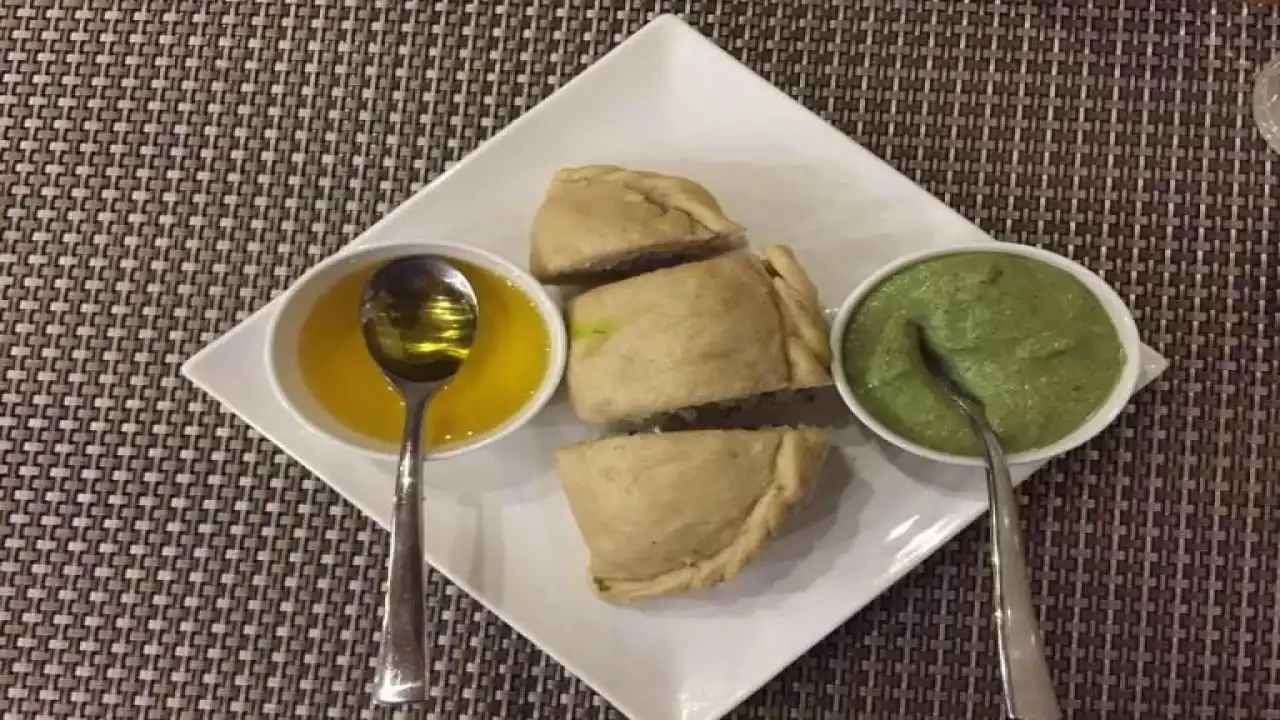
At first look, Siddu's just steamed bread. Nothing special. But there's actual patience behind it: the wheat dough ferments a while, then gets stuffed with walnuts, poppy seeds, or lentils depending on whoever's cooking. Usually served with melted ghee, a spicy chutney, or dal. After a full day exploring around Manali or Shimla in the cold, this thing just works. Warm, soft, a little chewy.
Why people love it:
- Soft, pillowy texture
- Filling, not heavy
- Old-school steamed cooking
- Made for cold evenings
Most families still cook it the way their grandmothers did. You can actually taste that.
2. Thukpa – A Warm Bowl from Sikkim
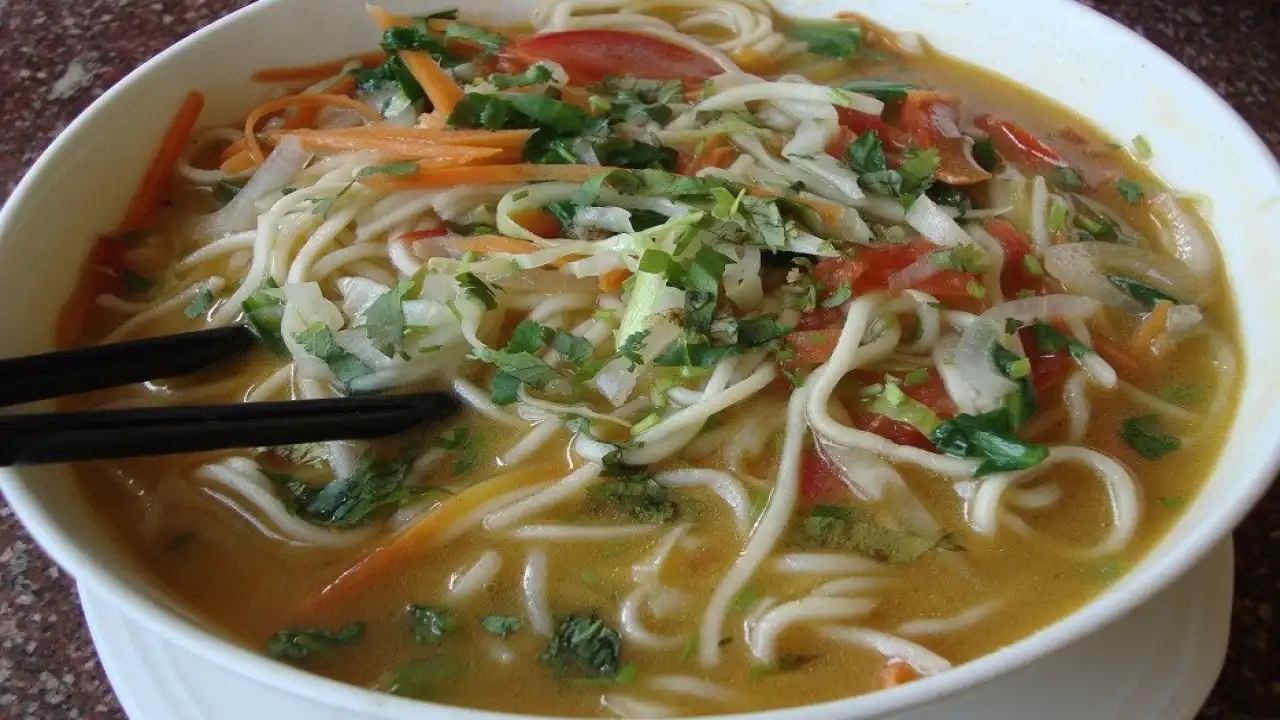
Walk around Gangtok for an hour and Thukpa's on every second menu. Locals eat it, tourists eat it, everyone's slurping the same bowl basically. It's a noodle soup: vegetables, herbs, broth, sometimes chicken or mutton into one satisfying bowl. Filling but not the kind that makes you want to lie down after. One of the best things about Thukpa is that every restaurant has its own version. One place goes heavy on broth, another one goes for extra spice or veggies. Giving travellers something new to taste each time.
Goes best with:
- Fresh momos
- Homemade chilli sauce
- Local pickles
- A cup of butter tea
After a while, it stops feeling like "just food" and starts feeling like part of the trip.
3. Kafuli – Uttarakhand's Healthy Green Delight
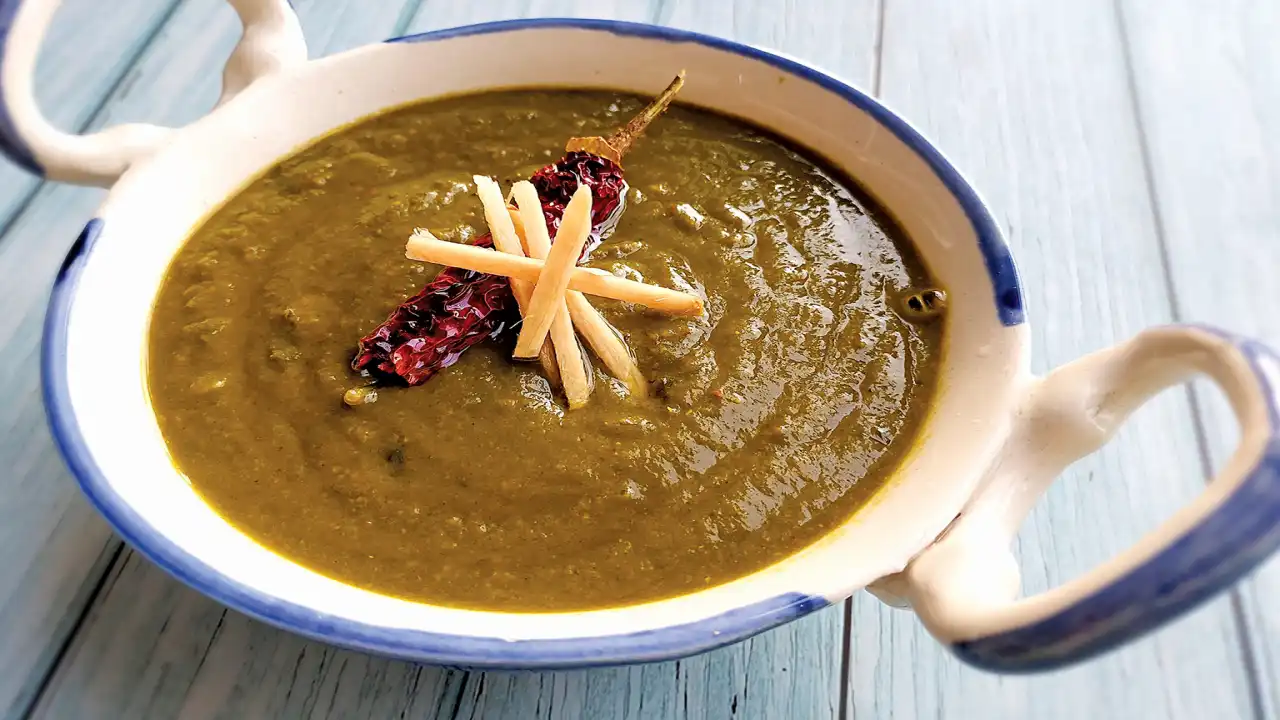
Not every hill dish needs to be loaded with spice to be memorable. Kafuli's a spinach-and-fenugreek curry, cooked slowly till it goes thick, almost creamy. Eaten with rice or flatbread usually. Good example of famous food in hill stations that catches people off guard: no heavy masalas, just greens cooked with patience.
Why it's worth trying:
- Loaded with nutrients
- Light, but still fills you up
- Made from seasonal greens
- Common homemade dish across Uttarakhand
You forget a lot of meals after a trip ends. Kafuli somehow sticks around longer than expected.
4. Smoked Pork with Bamboo Shoot – Nagaland's Signature Dish
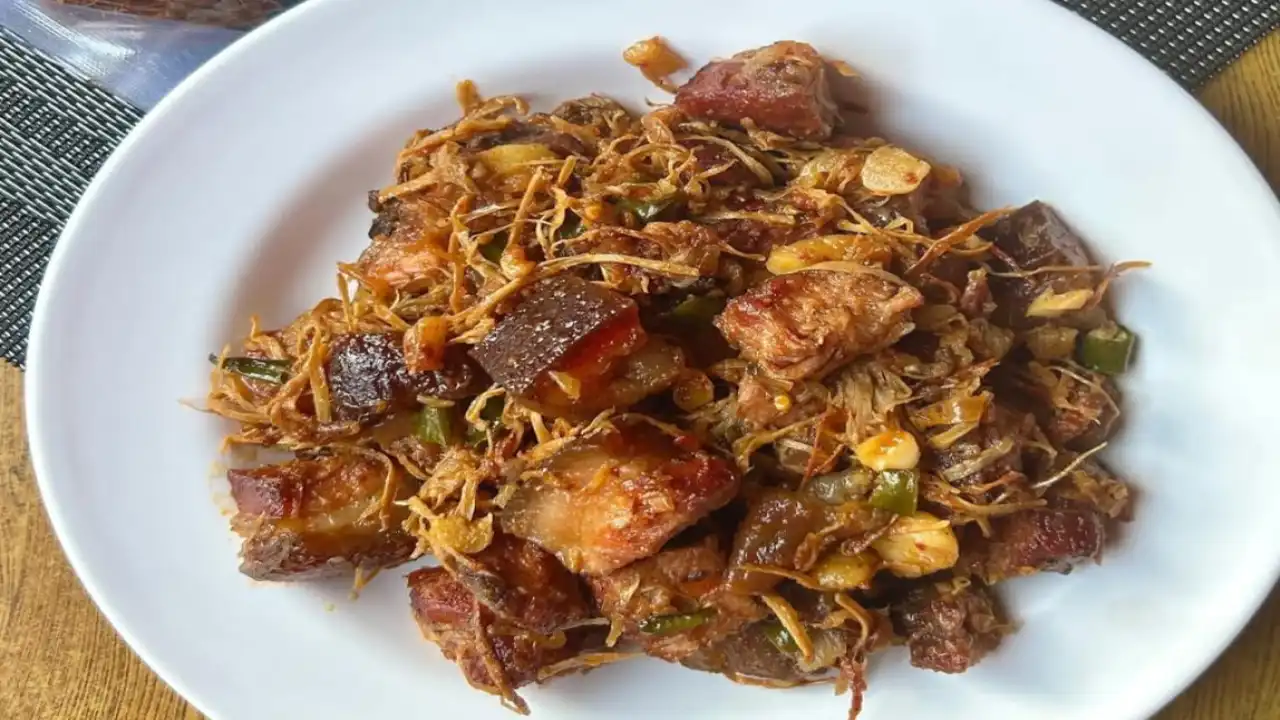
Nagaland's food is on a whole different level compared to most of India, honestly. This dish is slow-smoked pork mixed with fermented bamboo shoots to create bold, earthy flavours like smoky and tangy. Not something you'll casually run into anywhere else. Solid taste of local cuisine in mountain regions, shaped by cold weather, local ingredients, and cooking traditions that go back generations.
What makes it special:
- Deep smoky flavour
- Old preservation methods
- Bamboo shoots bring a sharp tang
- Genuinely one of a kind
If you're up for something bold, this dish alone makes the trip worth it.
5. Chhurpi Soup – A Traditional Taste of the Eastern Himalayas
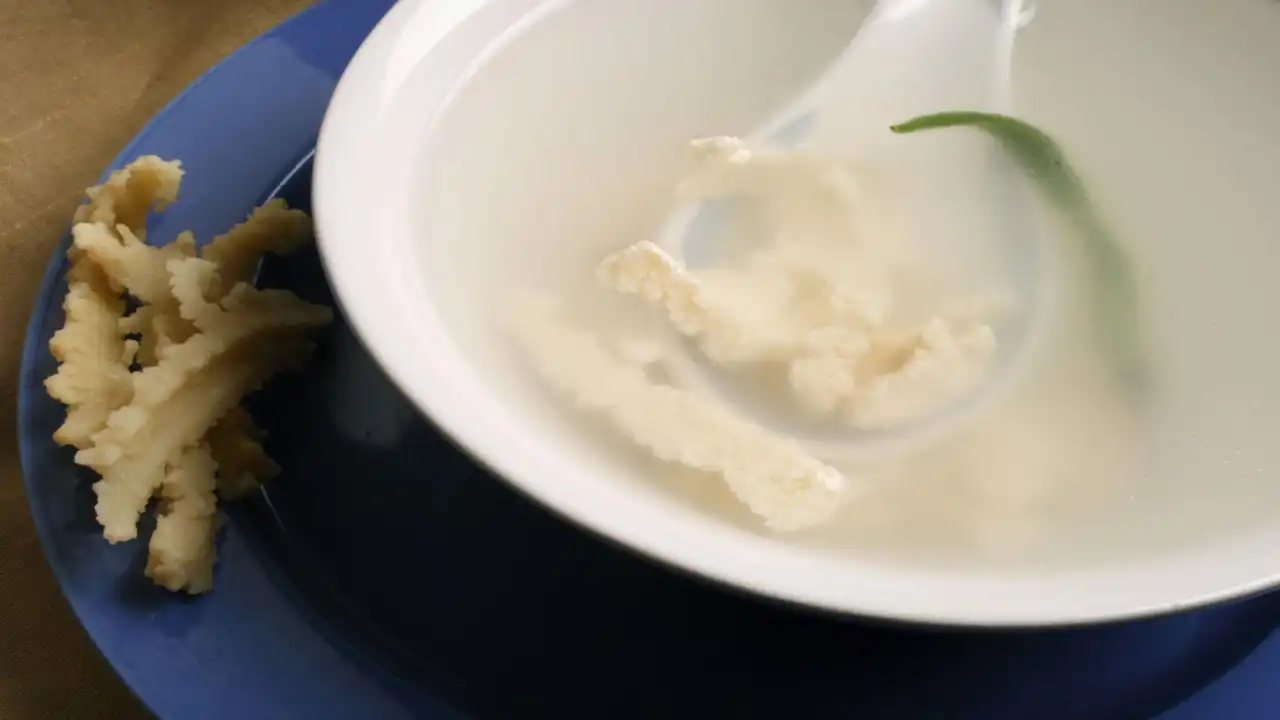
Chhurpi's been around forever across Sikkim and other Himalayan pockets one of the oldest dairy preparations out there. Made from yak or cow milk, turned into a warm soup that keeps you going through the cold. Some places add local herbs and veggies to make it a bit heartier. Mild, easy to like, decent starting point if you're new to traditional mountain dishes for travellers.
Why people enjoy it:
- High in protein
- Mild, comforting taste
- Great for winter
- Old Himalayan recipe, still made the same way
Sometimes the plainest meals stick the longest. Chhurpi soup's one of those.
Where to Find These Dishes
Most of these show up in local eateries, cafés, homestays, and small village kitchens across India's mountain belt.
Good places to start:
- Manali
- Shimla
- Gangtok
- Pelling
- Mukteshwar
- Almora
- Kohima
- Tawang
Every town adds its own twist. Even the "same" dish tastes a bit different depending on where you eat it. Planning your trip with one of Travel Junky's Domestic Packages makes it easier to hit these places while still leaving room to eat like a local, not just tick off sights.
Conclusion
Mountain travel isn't just about views and cool air; it's about what lands on your plate too. From Himachal's soft Siddu to Sikkim's comforting Thukpa, Uttarakhand's simple Kafuli, Nagaland's smoky pork, and that warm bowl of Chhurpi soup in the Himalayas, each dish says something about where it comes from. Honestly, food's probably the fastest way to actually understand a place. Take the time to eat like a local along the way. Those meals stay with you long after the photos fade.
Tips for Enjoying Local Mountain Food
A bit of planning helps here. For plenty of travellers, these meals end up being the actual highlight more than the views sometimes, believe it or not.
Pro Tips:
- Eat where locals eat, not just tourist spots
- Ask for the traditional version, skip the "tourist-friendly" one
- Start mild if you're not used to spice
- Go seasonal whenever you can
- Carry water while wandering food markets
- Small cafés and homestays usually beat big restaurants
- Respect how locals serve and eat their food