Norway vs Iceland for Northern Lights: Which Trip Should You Pick?
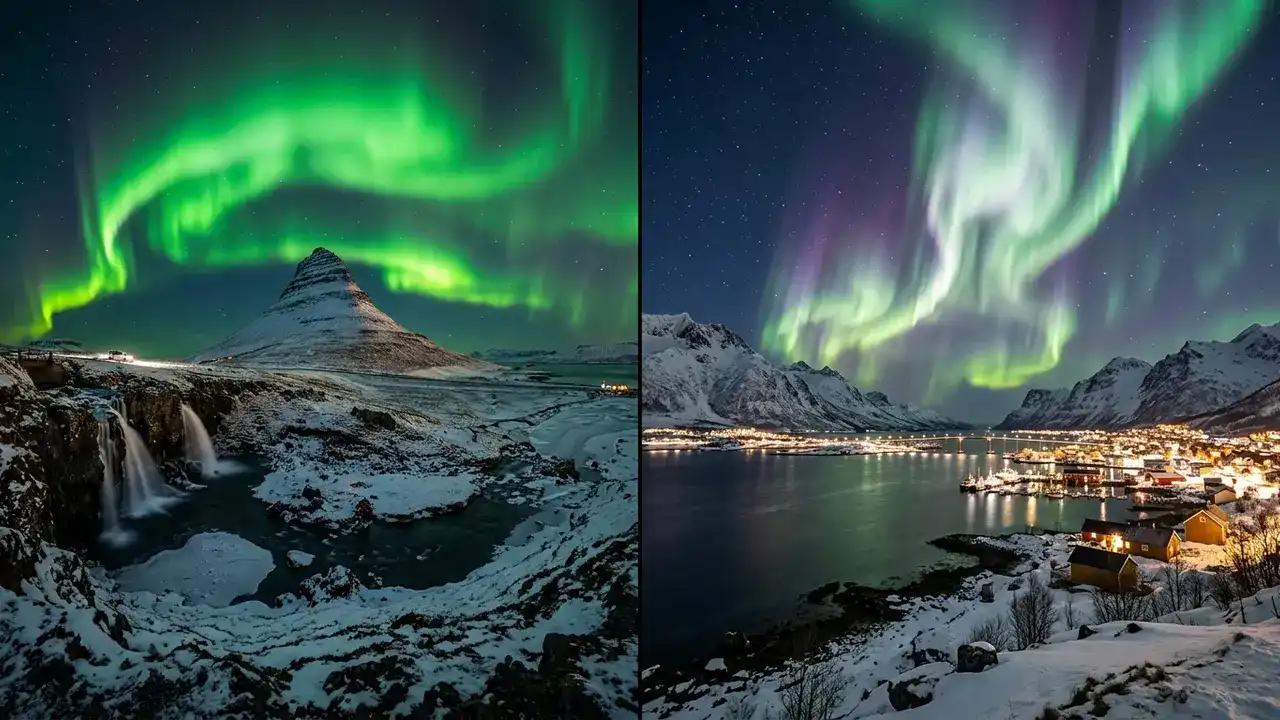
Everyone's got the Northern Lights on their bucket list, right? It's one of those things people bring up at dinner parties even if they've never actually seen it. Northern Lights in Norway are especially popular around Tromsø, Alta, and the Lofoten Islands; that's the go-to zone. Iceland does things differently, mixing aurora hunting with waterfalls, glaciers, volcanic landscapes, and those black-sand beaches that flood everyone's Instagram feed every winter.
So which one do you actually go with?
Depends on what you're really after, honestly. If it's a proper Arctic holiday, go to Norway. If you'd rather have the lights and a packed sightseeing schedule, Iceland wins. Below's a breakdown; it should help you pick.
Norway for Northern Lights
Norway is a strong choice when the main purpose of the trip is to experience the Arctic and see the aurora.
Tromsø
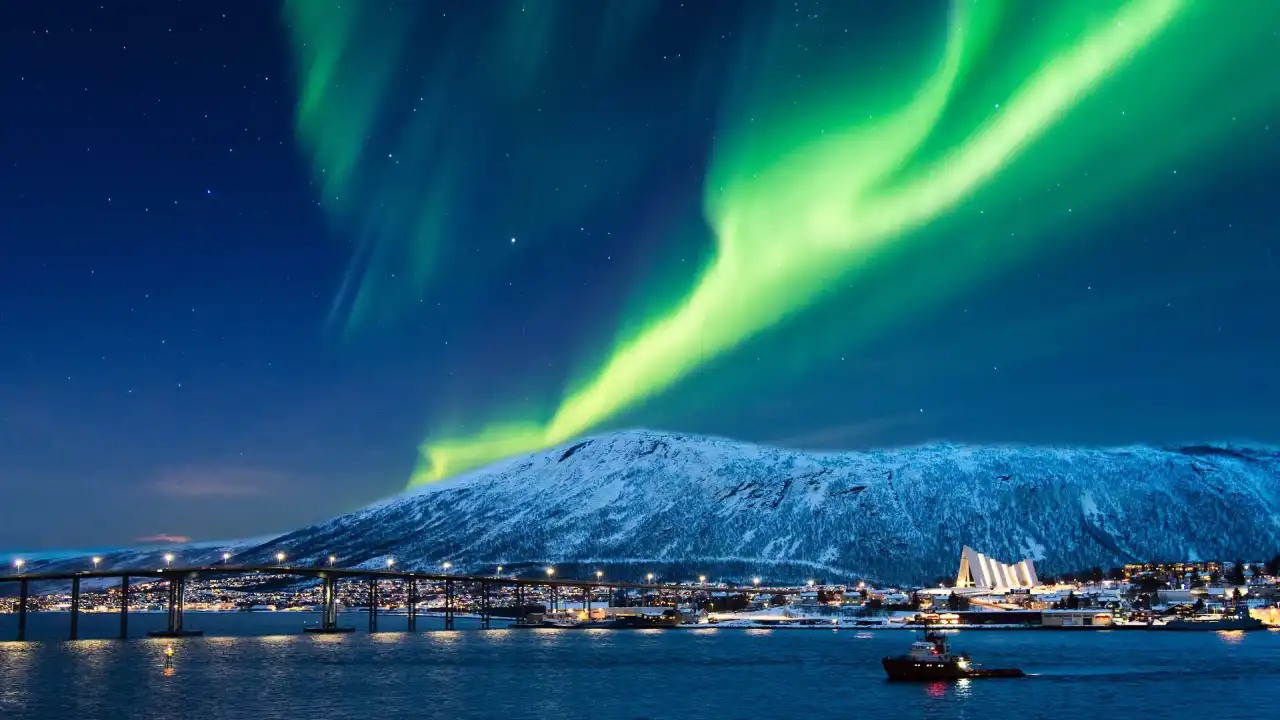
Tromsø's probably the busiest base for this kind of trip: hotels everywhere, restaurants, a dozen tour operators and easy access to darker areas outside the city. Dog sledding, snowmobiling, snowshoeing, and fjord tours can easily be added to the itinerary.
Alta
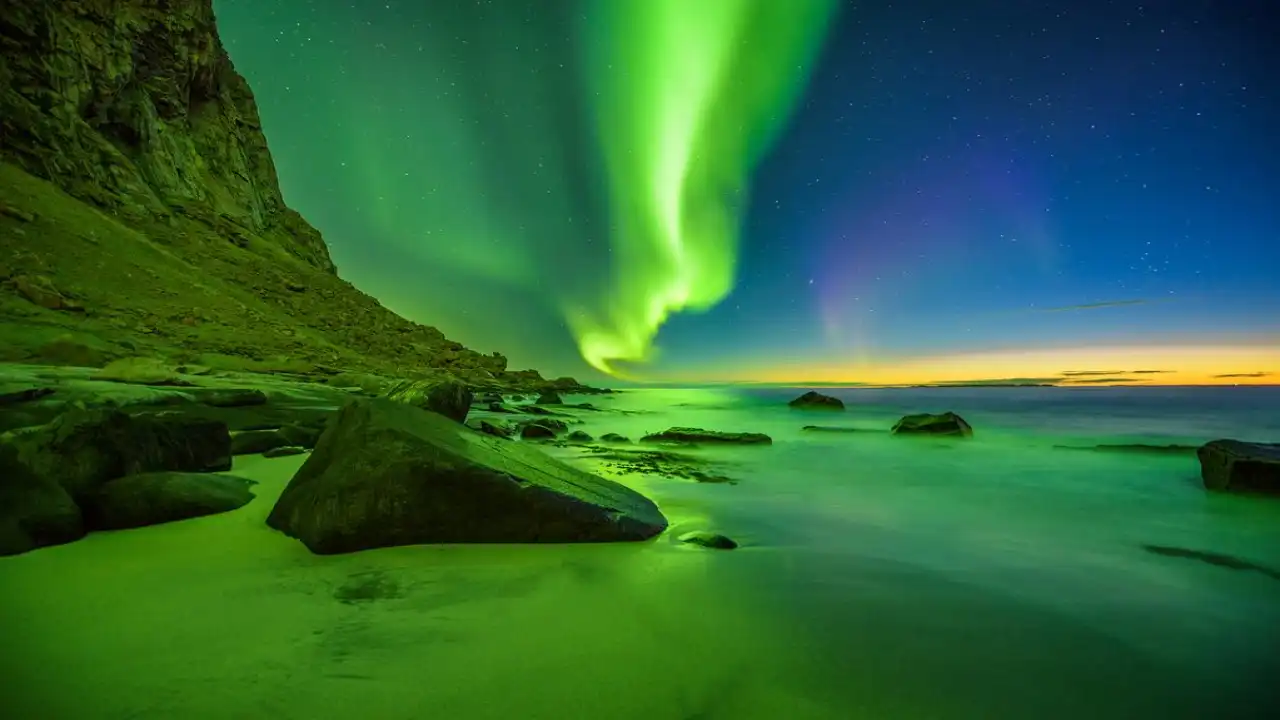
Quieter than Tromsø. Fewer people around, landscapes feel more remote, winter activities are the main draw. Making it suitable for travellers looking for a peaceful Northern Lights holiday.
Lofoten Islands
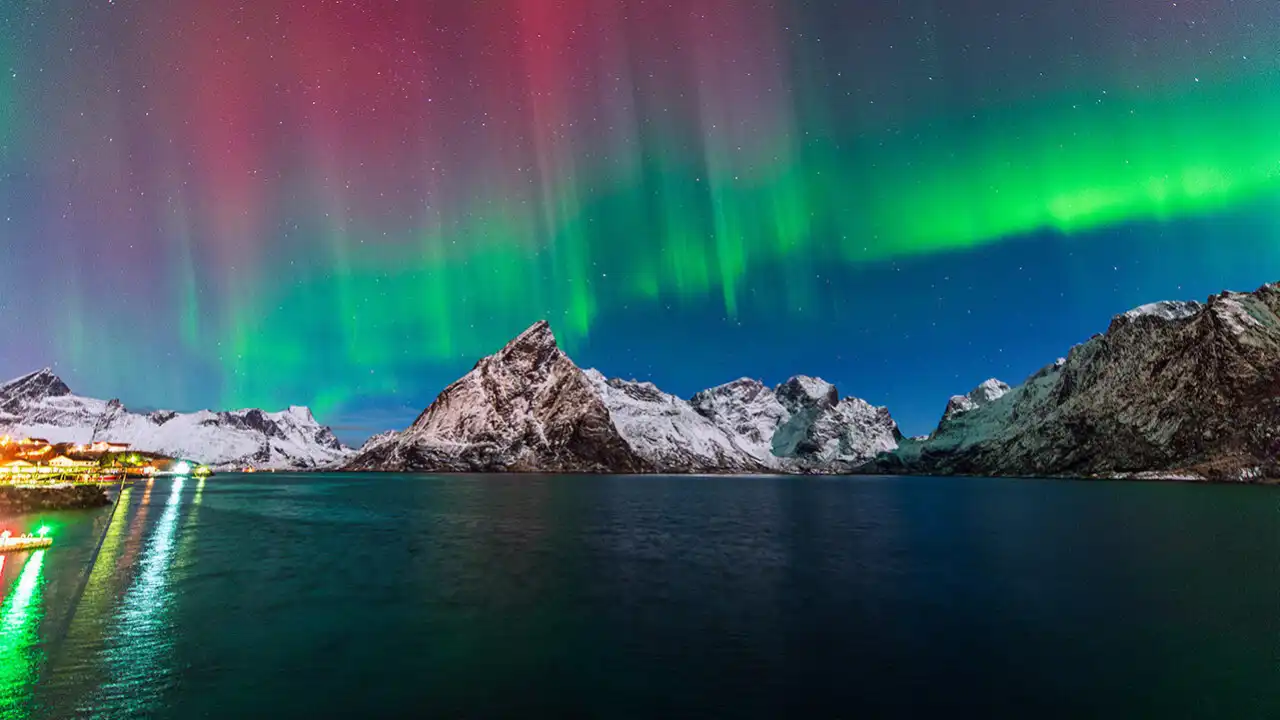
Mountains, tiny fishing villages, beaches, that winter scenery you see on postcards Lofoten's already stunning before the lights even show up. They just add one more layer on top of an already good view.
Why choose Norway?
- Strong Arctic atmosphere
- Great winter activities
- Great options for dog sledding
- Fjords and mountains that look almost unreal
- Tromsø's a convenient home base
- Good if the trip's mainly about chasing the aurora
Iceland for Northern Lights
Iceland's a whole different place. Lights are just one part of the deal; waterfalls, glaciers, volcanoes, beaches, geothermal spots fill up your days before the sky even goes dark.
Reykjavik
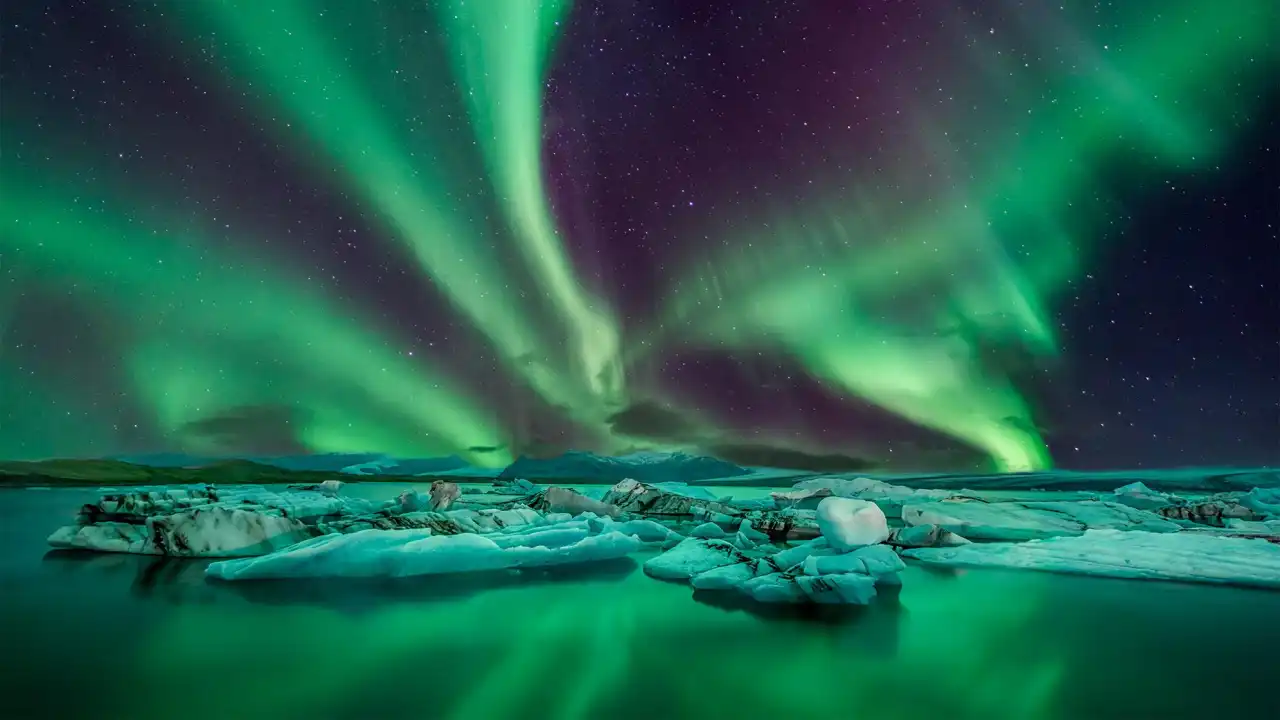
Reykjavik is the main base for many travellers. It offers plenty of accommodation, restaurants, and organised tours. Aurora tours usually travel outside the city to find darker skies.
Thingvellir National Park
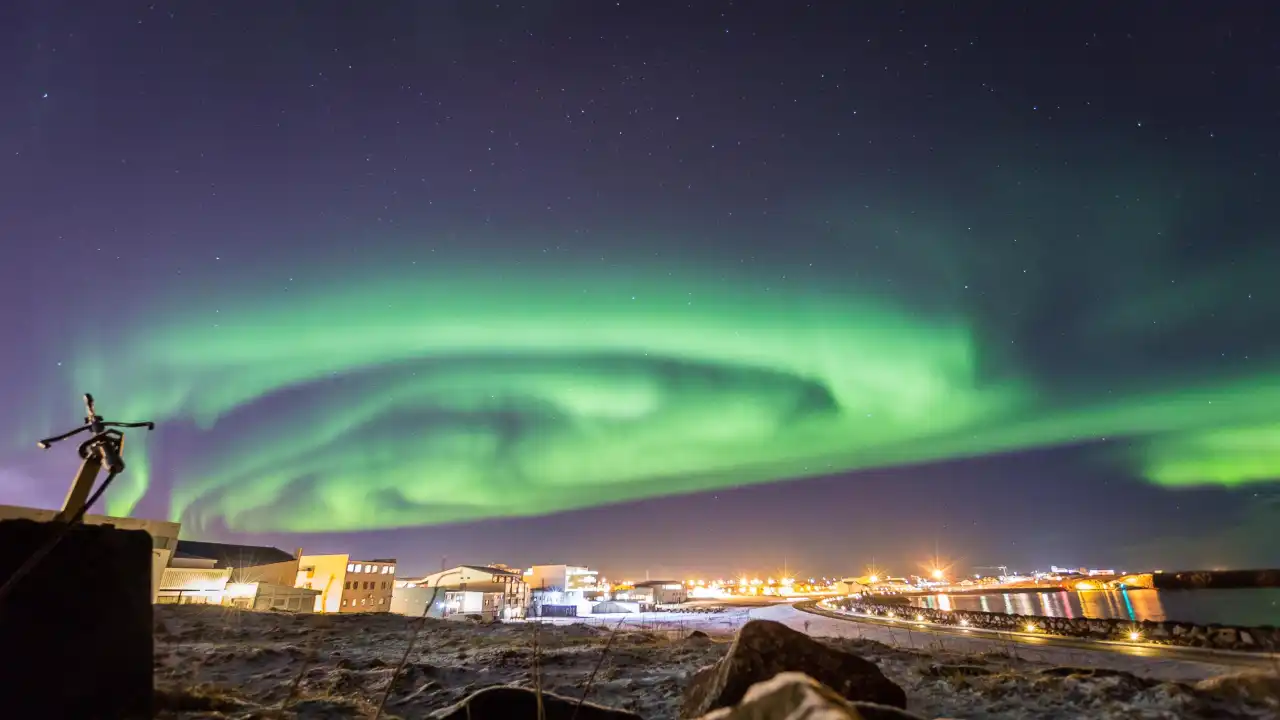
Part of the well-known Golden Circle route, easy to fold into other sightseeing stops. The wide-open land also makes it a favorite for evening aurora runs.
Vik
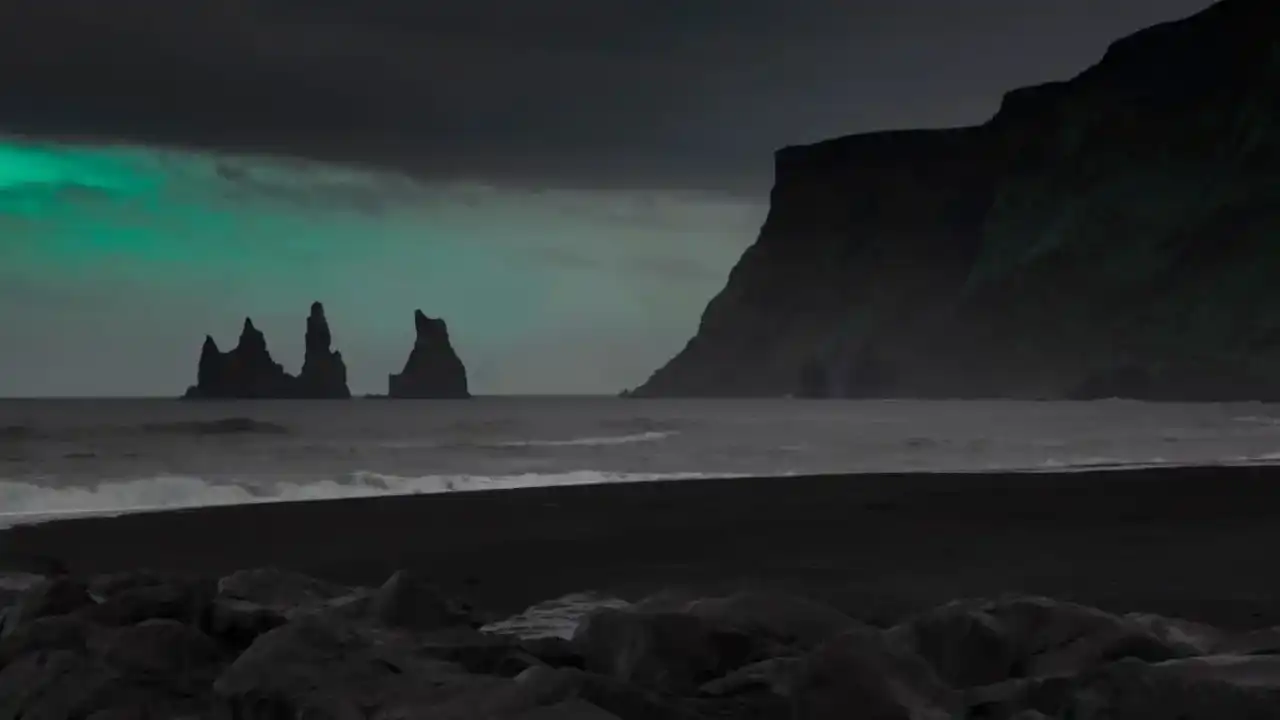
Small coastal village. Black-sand beaches, cliffs that look surreal, like a movie set, honestly. Worth stopping if you're driving through the south.
Akureyri
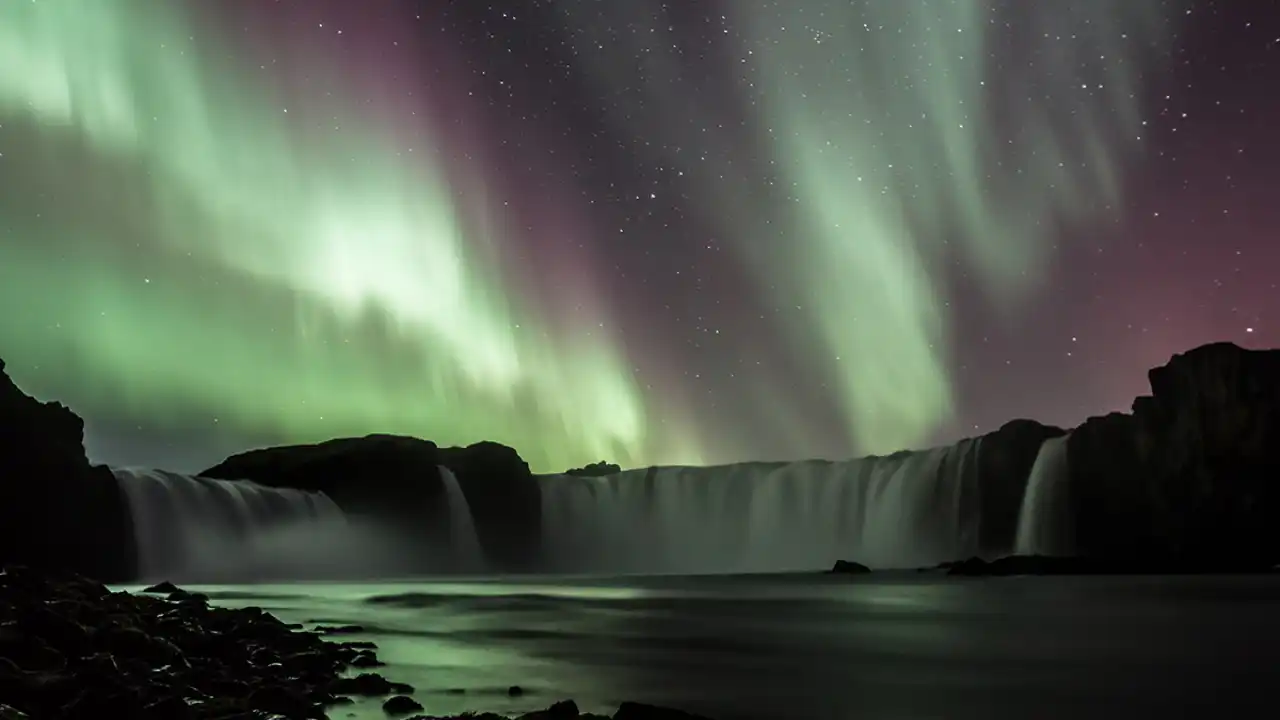
Akureyri provides access to northern Iceland and works well for travellers who want to explore beyond Reykjavik.
Why choose Iceland?
- Great blend of sightseeing and aurora chasing
- Waterfalls, glaciers, volcanic terrain everywhere you turn
- Great for road trips
- Good photography opportunities
- Easy to visit several attractions in one trip
Norway vs Iceland Northern Lights: Which Is Actually Better?
Both places give decent odds at seeing the aurora but the trips themselves feel nothing alike. Norway's all about Arctic adventure. Tromsø and Alta offer activities such as dog sledding, snowmobiling, reindeer experiences, and fjord tours. Iceland gives more landscape variety. In a single trip you've covered waterfalls, beaches, glaciers, volcanic zones, and geothermal areas a lot packed into a short window.
Worth remembering: nobody can guarantee the lights, no matter which country you pick. Clear skies, real darkness, solar activity- all of it has to line up just right.
Best Time to Visit
The Northern Lights are generally visible during the darker months, but sightings depend on weather and solar activity. Cloudy skies can bury even a strong aurora completely out of sight. So don't plan around just one evening; give yourself more nights if you can.
Pro tip: keep two or three nights open for aurora tours. If the weather is cloudy on one night, another evening may offer better conditions.
Norway vs Iceland: Which Costs More?
Comes down to flights, where you stay, how you're getting around, what activities you book, and when exactly you travel. Norway can become expensive when you add activities like dog sledding, snowmobiling, and private tours. Iceland can also be costly, especially for road trips involving car rental, fuel, and accommodation. When comparing an International trip package, always check what is included instead of comparing only the starting price.
Conclusion
Norway and Iceland are two different roads to the same goal: seeing those lights across the sky. Norway's the pick for an Arctic-heavy trip: snow activities, fjords, dedicated aurora tours, that whole vibe. Iceland mixes the lights in with road trips, waterfalls, glaciers, beaches, and volcanic landscapes instead.
And nobody can promise you'll actually see anything. Clouds roll in, solar activity does its own thing. So build in extra nights, stay loose with plans. Really it just comes down to Arctic adventure or a trip packed with varied sightseeing. Get the planning right and either place becomes a trip you don't forget. Travel Junky can help build an itinerary around your activities, budget, and travel style.
Practical Tips
- Stay at least 3–4 nights
- Look for accommodation away from heavy city lights.
- Dress in warmer clothes
- Check the weather before every single aurora tour
- Bring a tripod for night photography
- Keep your itinerary flexible
- Book popular winter activities early; they fill up fast