Which Are the Best Waterfalls in North East India?
Introduction
Anyone who’s travelled around India’s North East knows this already: the place doesn’t show off. It doesn’t try to impress you straight away. It kind of waits. You’re driving on a narrow hill road, trees leaning in, phone signal already gone, and then out of nowhere, you hear water. Loud. Closer than expected. And then you see it. Water falling from somewhere above, half-hidden by leaves and mist.
That’s usually how waterfalls work here. The Best waterfalls in North East India aren’t lined up with neon signs or fancy viewpoints. Most of them sit quietly, doing their thing. Mist hanging in the air. Wet branches dripping from the last rain. That steady sound of water that doesn’t really stop, even when everything else goes quiet. This guide isn’t just a list. It’s more like a walk-through. We’ll talk about waterfalls across Assam, Meghalaya, Arunachal Pradesh, Sikkim, and Nagaland, what they’re like, when they actually look good, and how not to rush through them like you’re ticking boxes on a map.
Why North East India Is a Waterfall Lover’s Dream
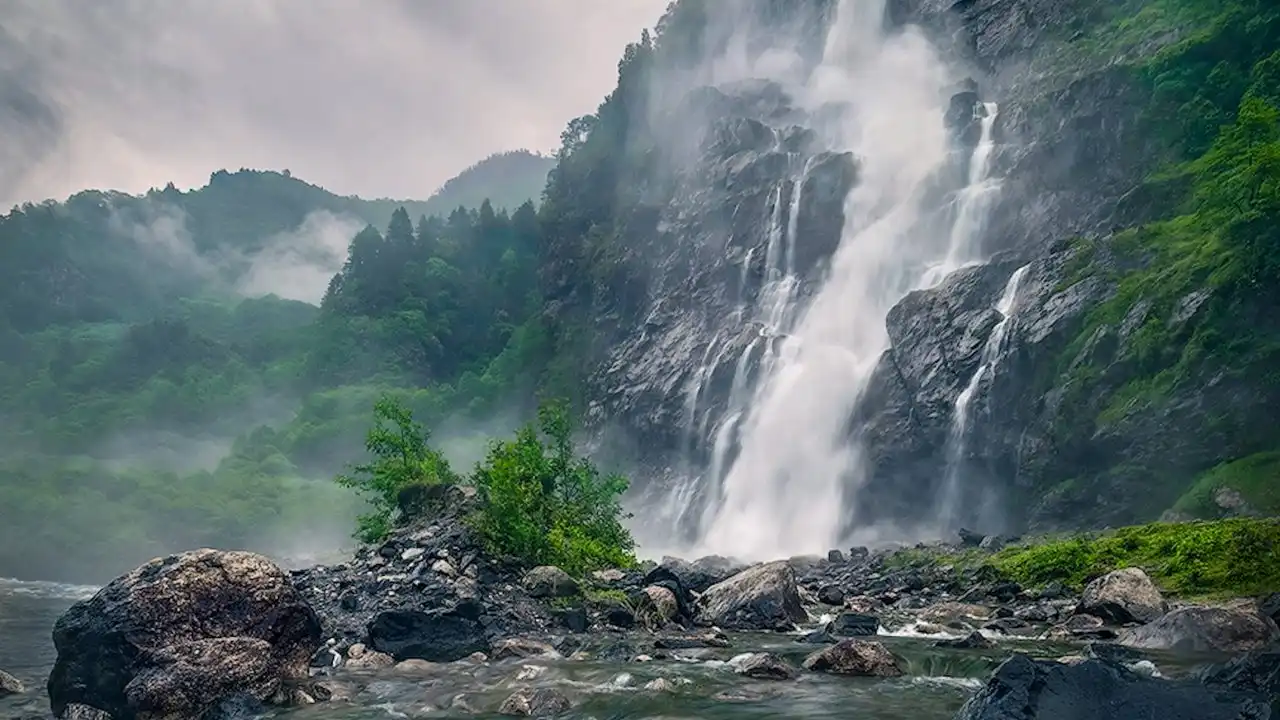
Before naming places, it helps to understand why there are so many waterfalls here. Geography does most of the work, honestly. The North East is full of hills, sharp drops, thick forests, and rivers that don’t behave the same way all year. When rain hits these slopes, water doesn’t politely flow downhill. It spills. It crashes. It finds shortcuts. That’s how waterfalls show up in places you didn’t even know were there. Another thing that helps is how lightly developed many areas still are. Fewer fences. Fewer platforms. Less noise. Sometimes you hear the waterfall first. Then you smell wet soil and moss. Then you see it. It doesn’t feel staged. It feels slightly messy. In a good way.
Nohkalikai Falls, Meghalaya
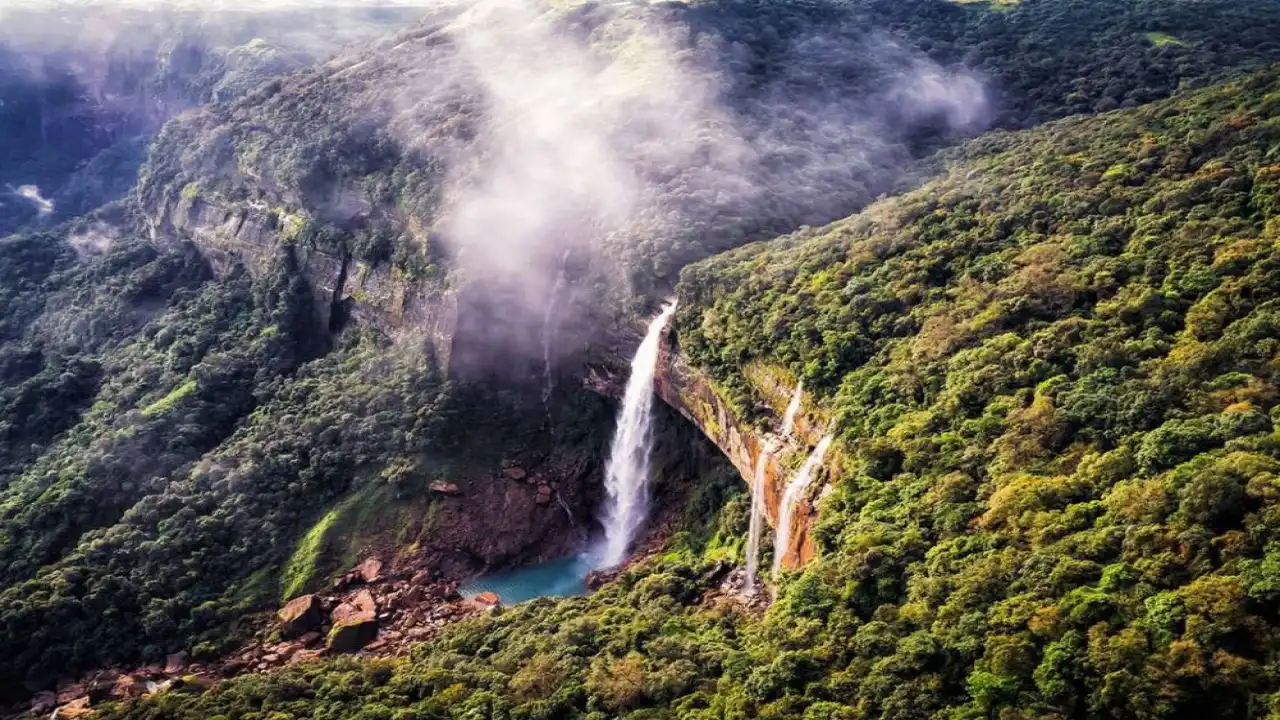
If you ask someone to name one waterfall from the North East, this is usually the answer. Nohkalikai Falls, near Cherrapunji, is one of the tallest plunge waterfalls in India and it knows it. From the viewpoint, it’s not just water falling. It drops straight down into a green pool that almost looks fake on clear days. Clouds move in and out constantly. One moment, the waterfall disappears completely. You wait. And then it comes back again, like someone pulled a curtain.
Why it stands out:
- Massive height, clean vertical drop
- Easy to reach from Cherrapunji
- A local legend that makes the place feel heavier, emotionally
Pro tip: Go early. Mornings are clearer. Fog usually takes over later.
Seven Sisters Falls, Meghalaya
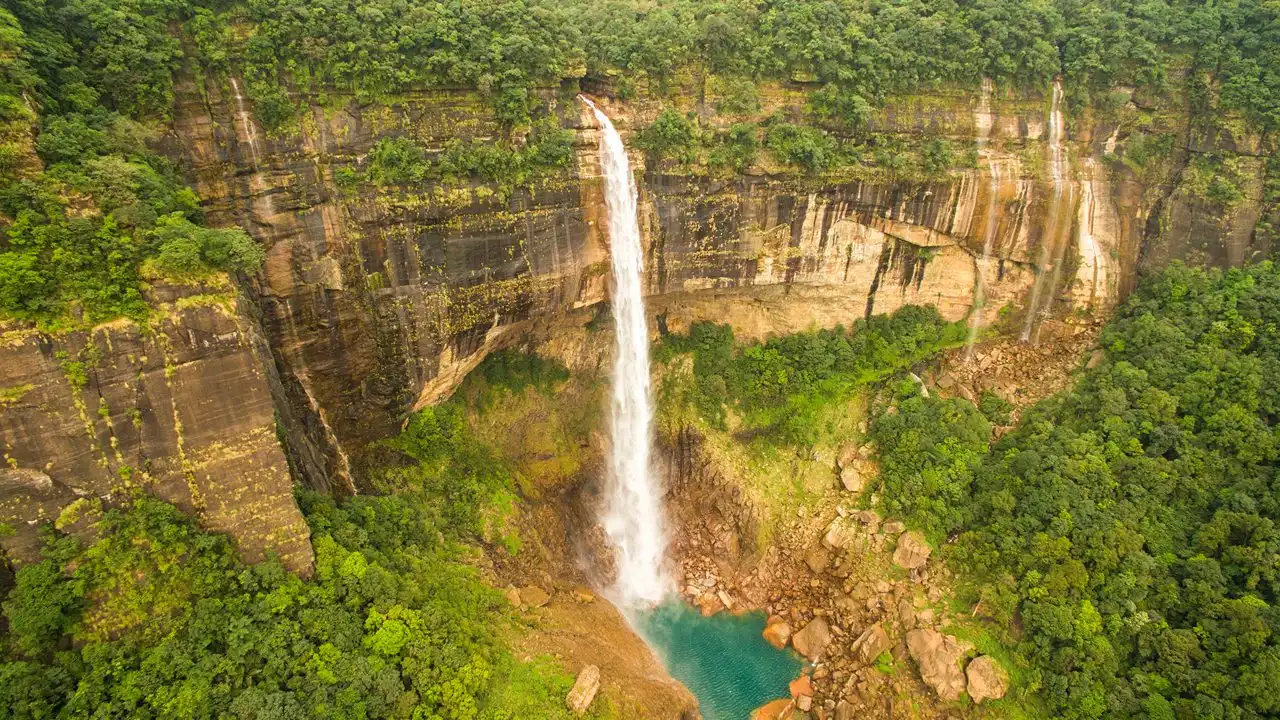
A short drive from Nohkalikai gets you to Seven Sisters Falls, also called Nohsngithiang Falls. During the monsoon, this place is loud and wide and impossible to miss. Multiple streams fall side by side, like loose ribbons slipping off a cliff. In winter, it calms down. Thinner streams. Softer sound. Still nice, just quieter. But in the rain, it’s at full power. This one often appears in lists of the Famous waterfalls in North East India, mostly because it’s easy to reach and fits neatly into standard sightseeing routes.
Why it stands out:
- Several streams flow together
- Looks best during the monsoon
- Big viewing area
Pro tip: Stand a little back during heavy rain. Mist travels fast here.
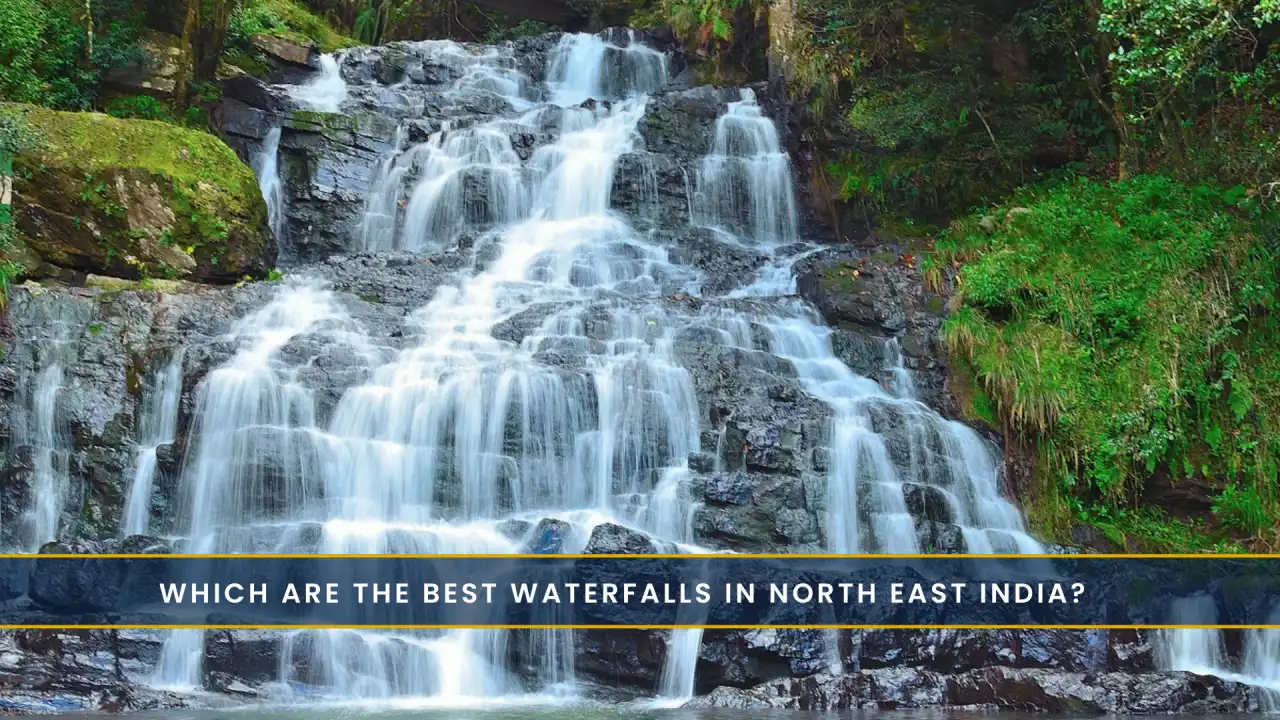
Elephant Falls, Shillong
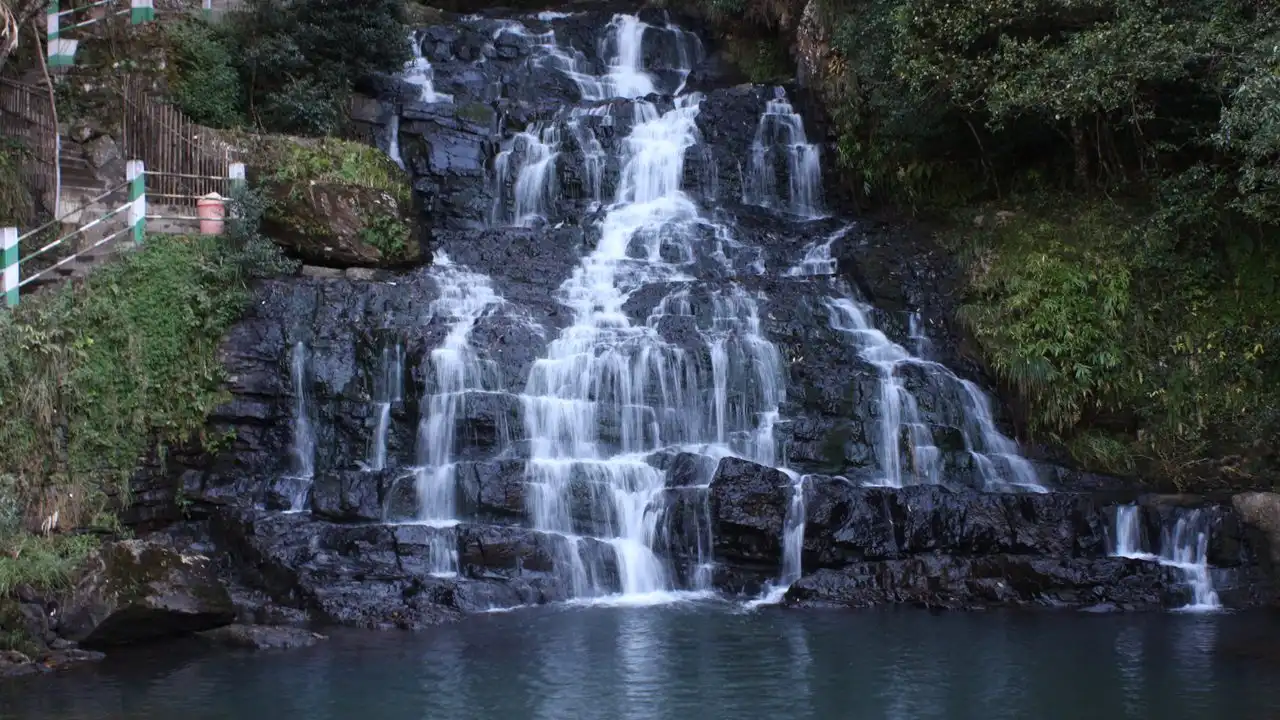
Elephant Falls is just outside Shillong and is probably one of the easiest waterfalls to visit in the region. It’s split into three sections, each with its own viewpoint and short walk. What makes it popular isn’t just the waterfall. It’s the access. Proper paths. Manageable steps. You don’t need to trek or plan much.
Why it stands out:
- Three levels to explore
- Decent facilities
- Works well for families
It often ends up in relaxed itineraries and sometimes in Family trip packages around Shillong.
Pro tip: Wear shoes with grip. Those steps get slippery fast.
Krang Suri Falls, Meghalaya
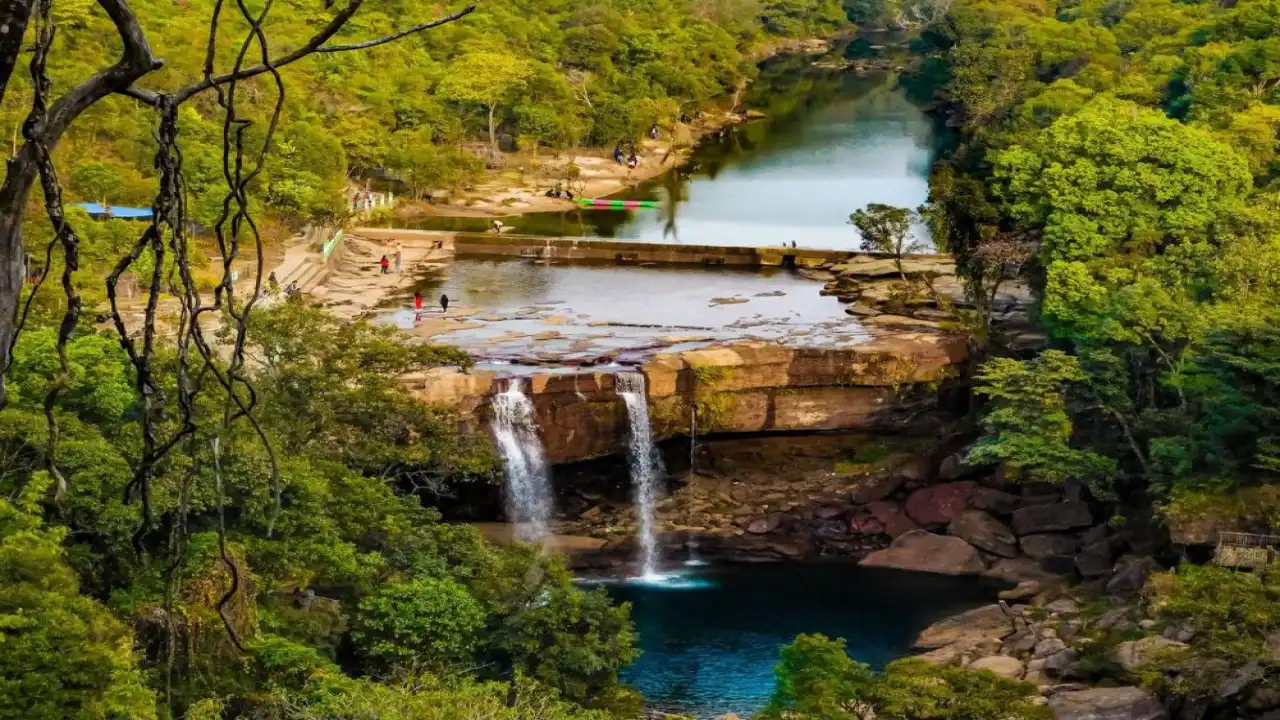
Krang Suri looks edited, even when it’s not. The water has this clear blue colour that makes people stop mid-sentence. You don’t just look at this waterfall from far away. You can walk right up to it. Some people step into the water near the base, though it’s best to watch conditions first.
Why it stands out:
- Distinct blue water
- Open area near the falls
- Photogenic from almost everywhere
Pro tip: Avoid weekends if you can. Quiet matters here.
Jogighopa Falls, Assam
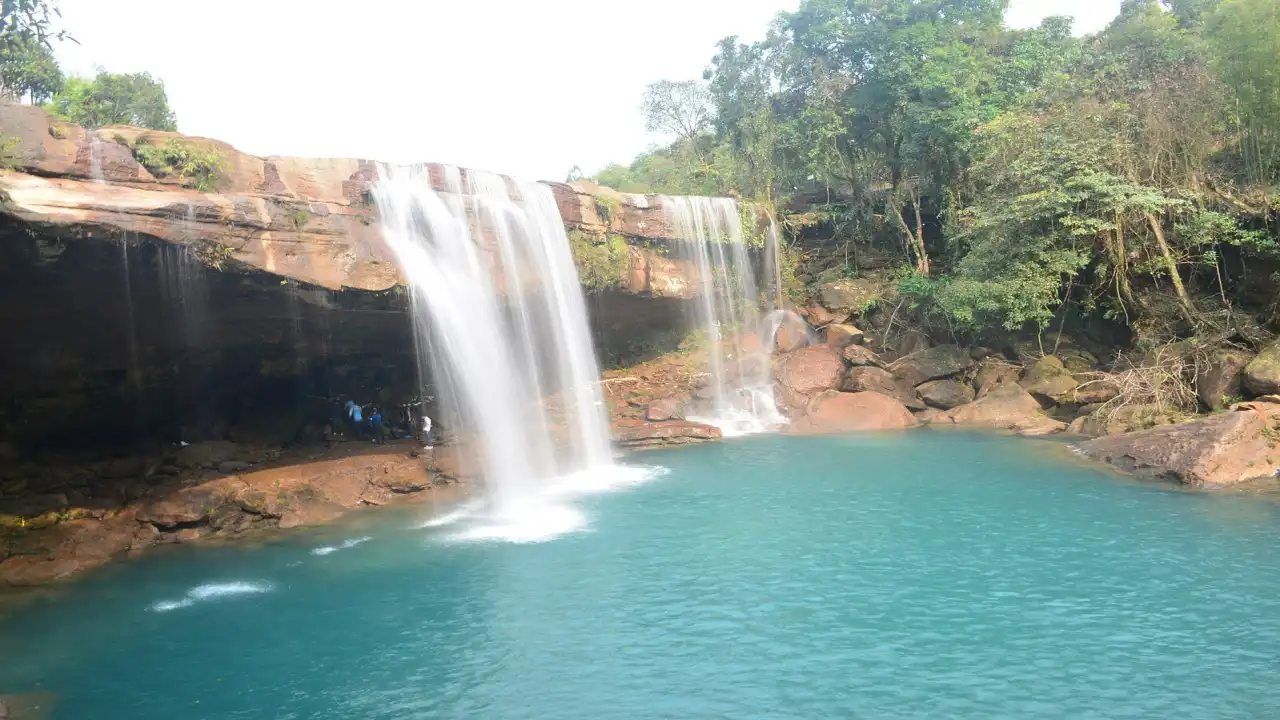
Jogighopa Falls feels different because it sits on the Brahmaputra River. That changes everything. This isn’t a narrow stream dropping off a cliff. It’s wide. Heavy. Powerful. During the monsoon, the volume of water is intense. You can feel it in your chest if you’re close enough. It’s not delicate, but it leaves an impression.
Why it stands out:
- On the Brahmaputra
- Wide and forceful
- Usually less crowded
Pro tip: Check water levels in monsoon. Don’t take chances.
Nuranang Falls, Arunachal Pradesh
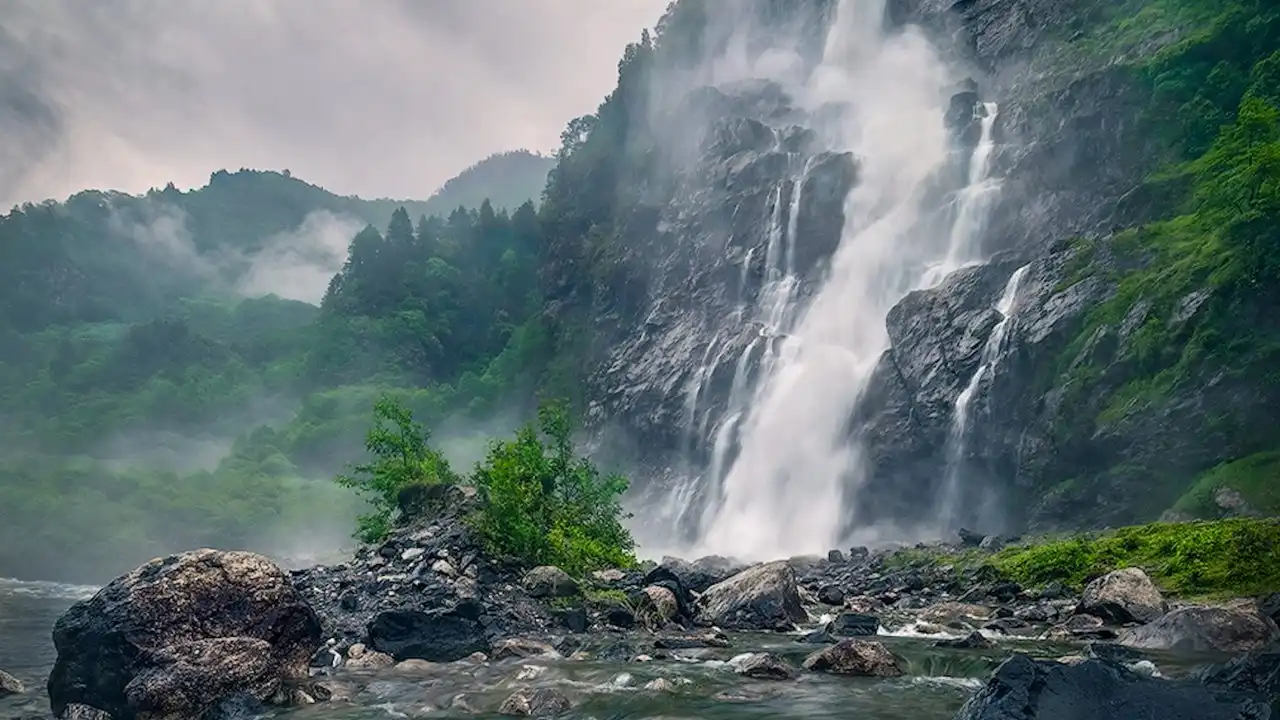
Also called Jang Falls, Nuranang Falls is near Tawang and feels like another world compared to Meghalaya or Assam. The air is colder. Roads are rougher. Pine trees line the way. The waterfall itself is steady and strong, even outside the peak monsoon.
Why it stands out:
- Alpine-style surroundings
- Reliable flow
- Close to historic monasteries
Pro tip: Carry something warm. Even in summer.
Bap Teng Kang Falls, Meghalaya
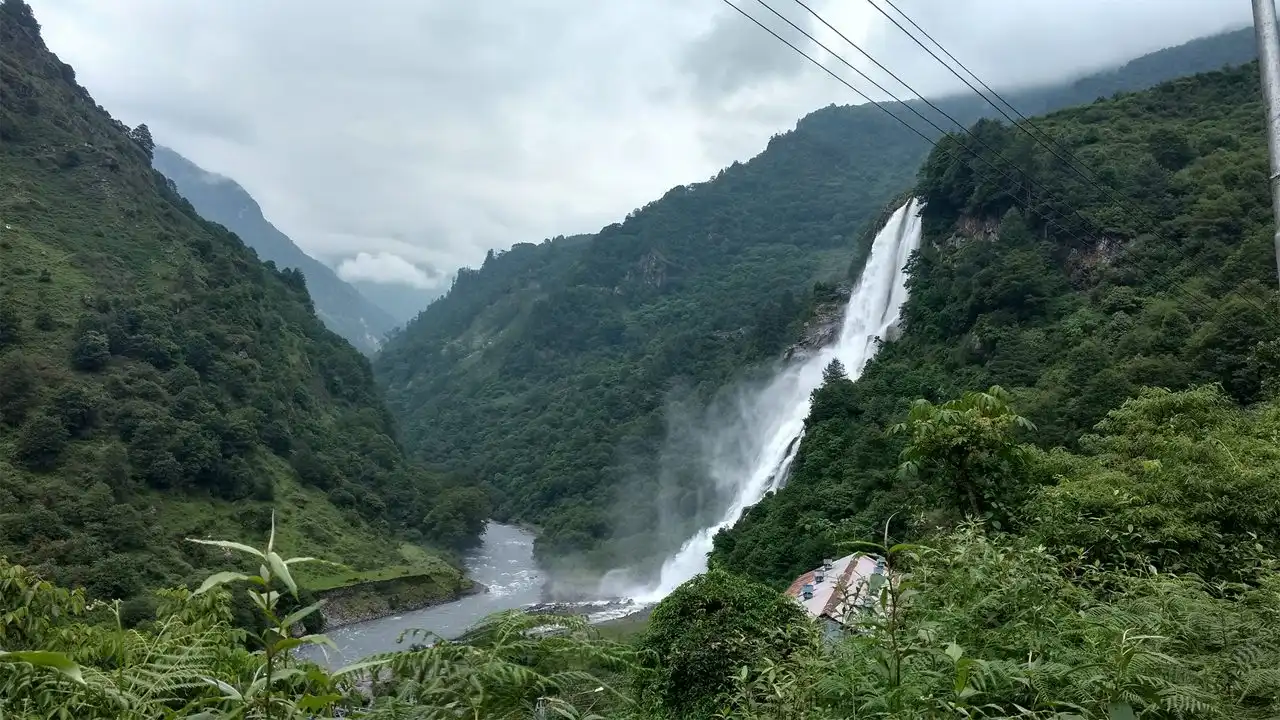
This one doesn’t appear on every list, but it stays with you if you visit. Bap Teng Kang isn’t very tall, but it spreads wide across rocks, creating a curtain of water. After rain, everything feels freshly washed. Even the air feels heavier.
Why it stands out:
- Wide water spread
- Quiet surroundings
- Less commercial
Pro tip: Walk through nearby villages if you have time.
Phawngpui (Blue Mountain) Waterfalls, Mizoram
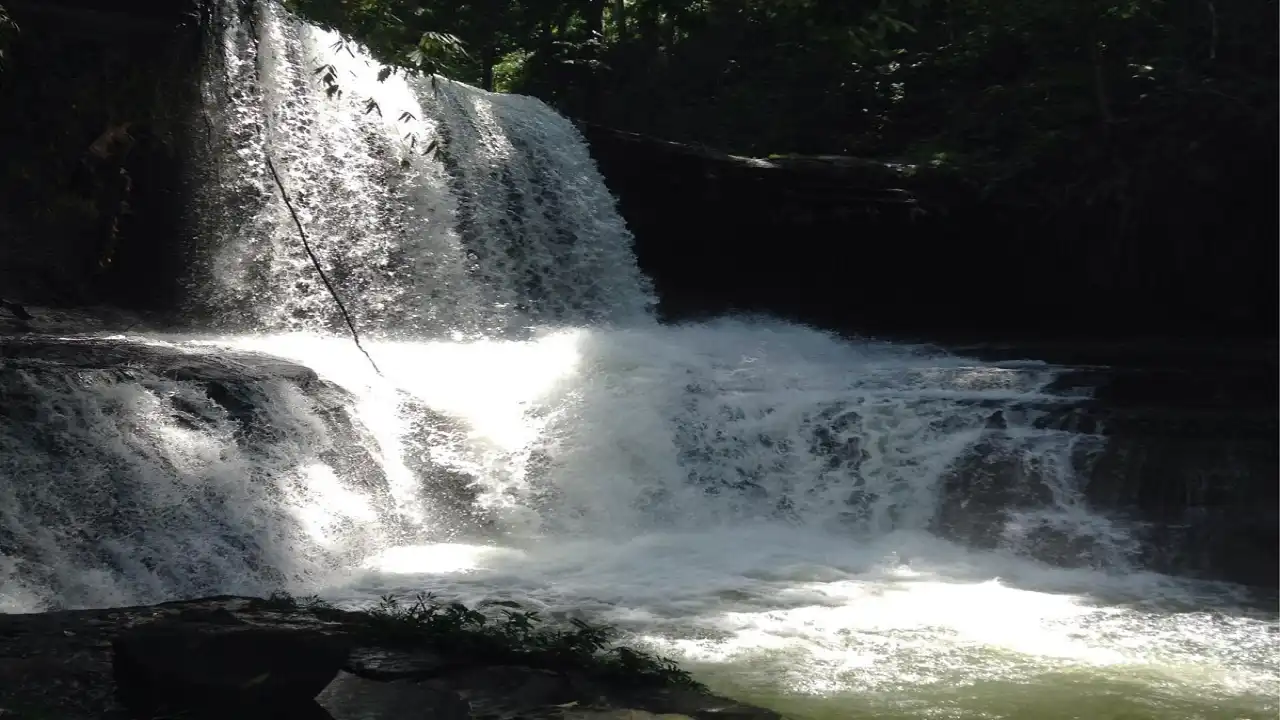
Mizoram doesn’t get talked about enough. Around Phawngpui National Park, you’ll find waterfalls that feel truly remote. Many waterfalls in Mizoram are seasonal and locally known, appearing strongest during the monsoon. Quite later. What makes them special isn’t size. It’s silence. These are some of the Scenic waterfalls of North East India, mainly because of how untouched they feel.
Why they stand out:
- Remote and peaceful
- Surrounded by forested hills
- Ideal for slow travellers
Pro tip: Go with a local guide. Trails aren’t always obvious.
How to Plan a Waterfall Trip in North East India
Waterfall trips work best when you slow down. Trying to cover everything fast gets exhausting.
A few things that help:
- Best time: July–October for flow, November–February for clarity
- Footwear: Sturdy shoes, always
- Weather: Plans change fast here
- Local advice: Take it seriously
Many people prefer slower routes under Domestic Trip Packages that mix nature and culture.
Are These Waterfalls Good for Honeymoon or Family Trips?
Yes but plan properly. Couples usually enjoy quieter spots like Krang Suri, Nohkalikai, and Nuranang, often added to honeymoon tour routes with nearby hill towns. Families do better with easy-access waterfalls like Elephant Falls, where paths and railings make things simpler. Some travellers bundle these visits into a North East India tour package to balance sightseeing and rest.
Conclusion
Waterfalls in the North East aren’t about numbers or records. They’re about feeling. One moment you’re driving through forest roads, the next you’re standing in front of falling water that feels alive and unpredictable. Nothing feels rushed here. No pressure to “do” everything. You stop. You listen. You get a little wet. And you leave calmer than you expected. If you travel slowly, these waterfalls stop being places on a map. They turn into moments you remember long after the trip ends.
Safety Tips You Shouldn’t Ignore
Waterfalls are beautiful, but they’re not playgrounds.
- Don’t stand too close to the edges
- Avoid swimming unless clearly allowed
- Be extra careful in the monsoon
- Respect warning signs
Pro tip: If locals stay back, you should too.