What Famous Food in Hyderabad Should Every Foodie Try?
If you are a foodie who is looking for a place that “has it all" then a Hyderabad trip is your answer. Hyderabad food carries centuries of Deccani, Mughlai, and Telugu influence stacked on top of each other, and unlike a lot of cities where "famous local food" basically means one dish and a dozen copies of it, Hyderabad actually has range. Meat-heavy Nizami cooking, tangy Andhra thalis, Irani cafes pouring tea that tastes like nothing else in the country, and a sweets tradition most visitors genuinely don't see coming.
Where to Go for the Best Food Experience in Hyderabad
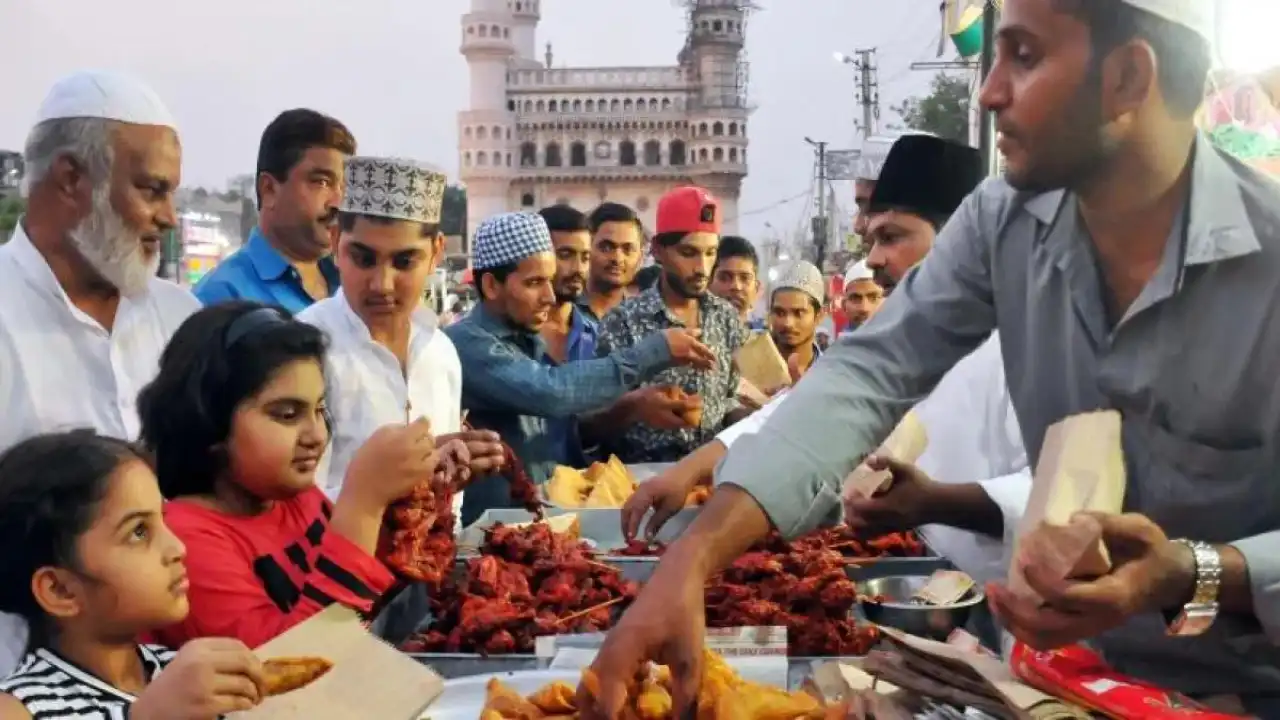
- Old City (around Charminar): the densest cluster of authentic eateries anywhere in the city, kebab stalls, Irani cafes, street food vendors, best explored on foot in the evening when it all comes alive
- Secunderabad: home to the original Paradise restaurant and a few other long-running biryani institutions
- Banjara Hills and Jubilee Hills: more upscale dining here, good spot for refined takes on Nizami cuisine like at Jewel of Nizam
- Abids: a cluster of Irani hotels for tea and biscuits, quieter than Charminar but just as authentic if you ask locals
- Malakpet: less touristy, worth the detour for dishes like marag that don't usually show up on the standard food trail
What Makes Hyderabadi Biryani Different From Every Other Biryani?
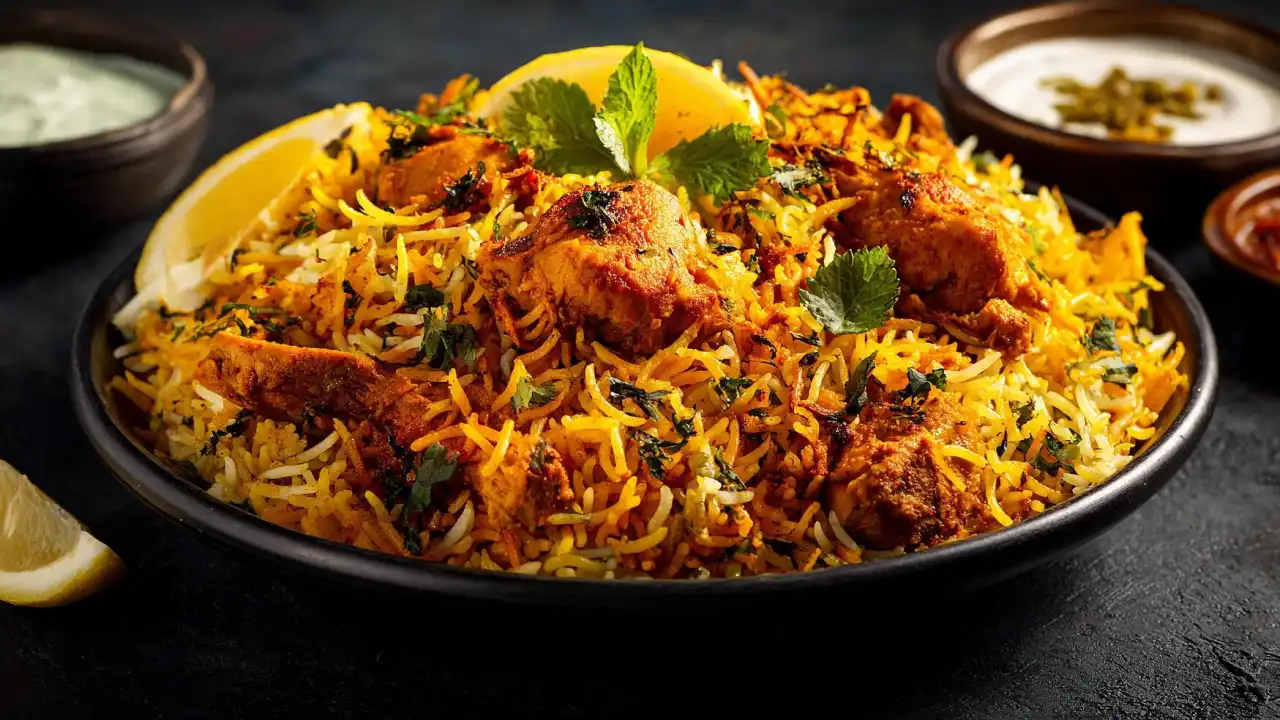
Start here, honestly, because everything else in the city gets measured against this one dish whether it wants to be or not. Hyderabadi biryani doesn't get cooked the way most Indian biryanis do. Most places cook the rice and meat separately, then combine them at the end. Here, in the kachchi style, raw marinated meat and partially cooked rice go into the same pot together, sealed shut with dough, and left to cook slowly over low heat, a method called dum. The rice pulls in the meat's juices as it finishes cooking rather than just sitting on top of meat that's already done, and that's the actual reason it tastes different, not some marketing line someone made up. Saffron, kewra water, fried onions, all go in too, and what comes out is drier and more fragrant than a Kolkata or Lucknow biryani, with meat that's closer to falling apart than most other regional versions manage.
- Where to eat: Paradise (several branches, original one's in Secunderabad), Bawarchi near RTC Cross Roads, Cafe Bahar in Basheerbagh, Hotel Shadab in the old city near Charminar
- Cost: somewhere around ₹250 to ₹450 a plate, depending on the meat and portion
- Best for: basically anyone who eats meat and hasn't had biryani cooked this particular way; it's non-negotiable on a first trip here
Why Does Haleem Disappear From Menus Most of the Year?
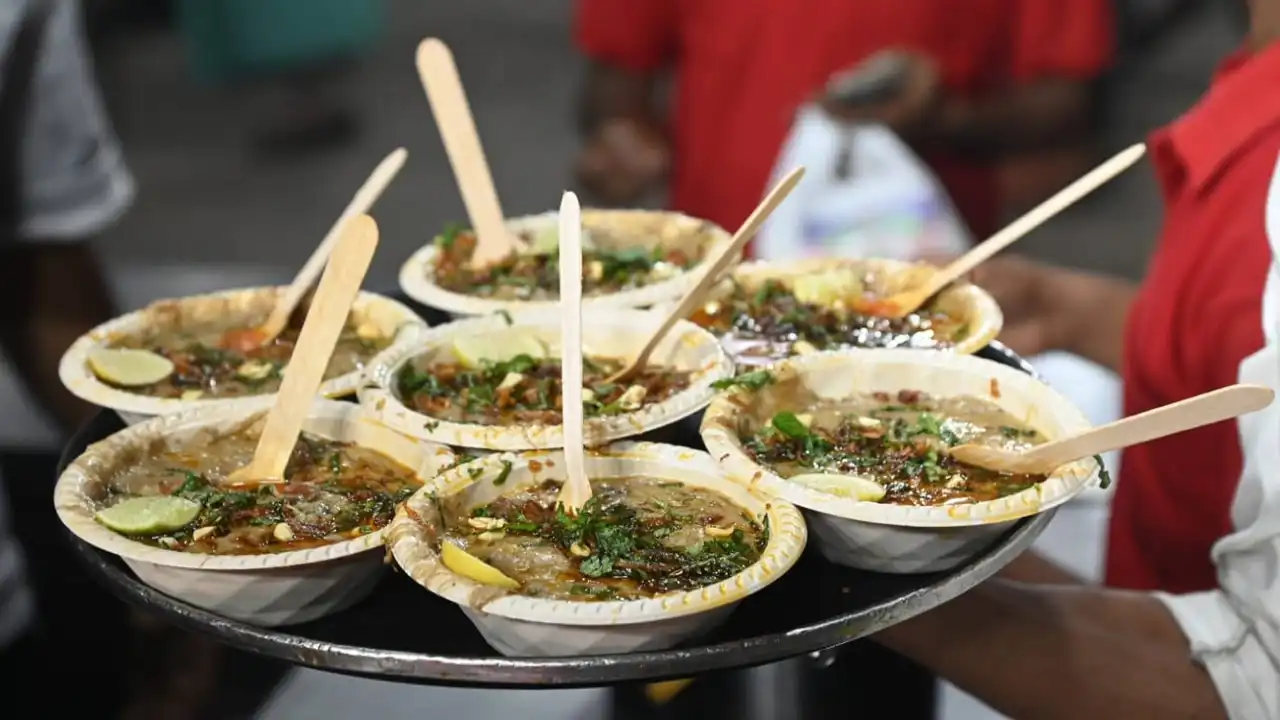
Haleem's seasonal in a way a lot of tourists don't expect going in. It's everywhere during Ramzan and then mostly vanishes the rest of the year, outside a handful of places that keep serving it regardless. It's a slow-cooked stew, pounded meat, lentils, wheat, all cooked for hours until it turns into something closer to a thick, smooth paste than an actual curry, then finished off with fried onions, mint, and a squeeze of lemon. The texture's the whole point here, it should come out almost creamy, with no distinct chunks floating around, which takes real patience to nail and is why the good versions cost more than the forgettable ones.
- Where to eat: Pista House (known specifically for their haleem, several branches around the city), Shah Ghouse Cafe & Restaurant, Paradise also has a decent version
- Cost: roughly ₹50 to ₹150 a bowl depending on where you go and how much you order
- Best for: comfort food people, and if you're visiting during Ramzan, treat this one as basically mandatory
What Is Irani Chai and Why Do Locals Drink It All Day?
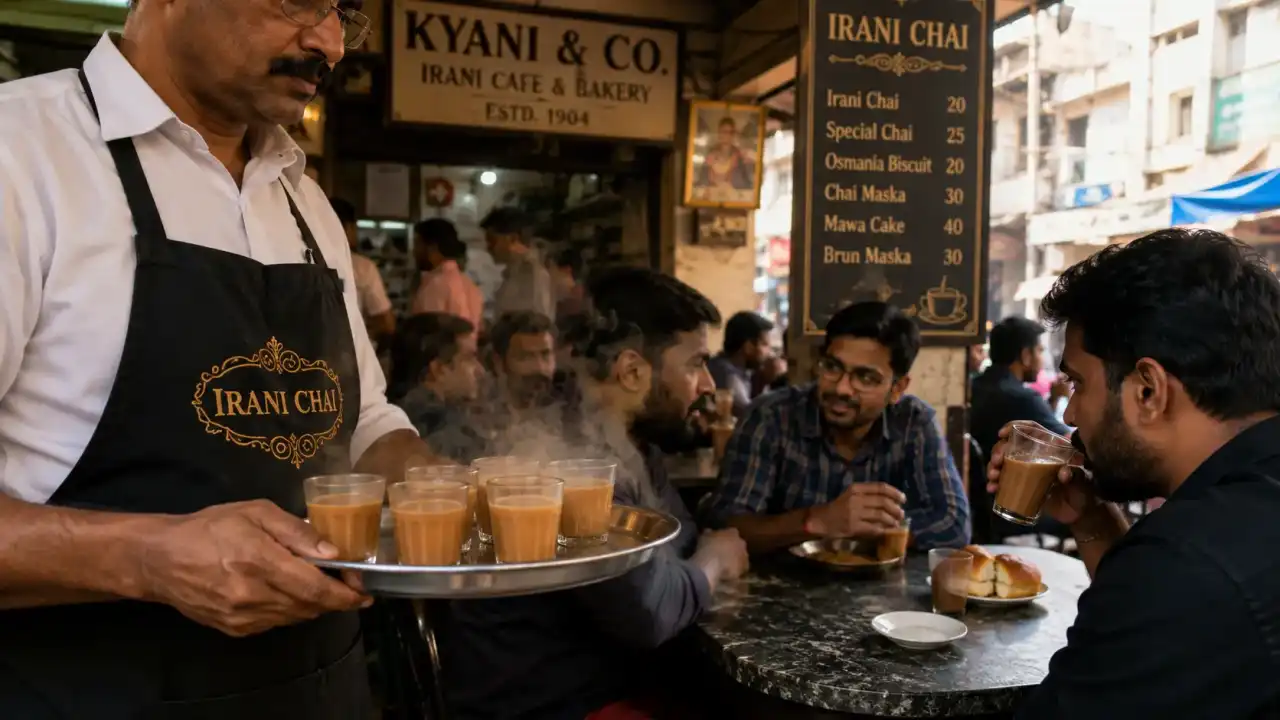
Not regular tea, not even close. Irani chai gets brewed strong, almost bitter if you drink it plain, then balanced out with a separate jug of thick, sweetened milk poured "maska" style, meaning you mix your own ratio right at the table. It arrived in Hyderabad through Persian immigrants who set up small cafes across the city, and those cafes, called Irani hotels locally, are still running the same way generations on, marble tables, slow ceiling fans, faded old photographs on the walls. Usually paired with Osmania biscuits, a slightly salty, slightly sweet biscuit that somehow pairs better with this tea than anything purely sweet would.
- Where to eat: Nimrah Café near Charminar, most Irani hotels scattered across the old city and Abids
- Cost: ₹15 to ₹40 a cup, biscuits usually under ₹100 for a small pack
- Best for: mornings, mostly, or anyone who just wants to sit somewhere and watch the city move for half an hour without a plan
How Spicy Is Mirchi Ka Salan, Actually?
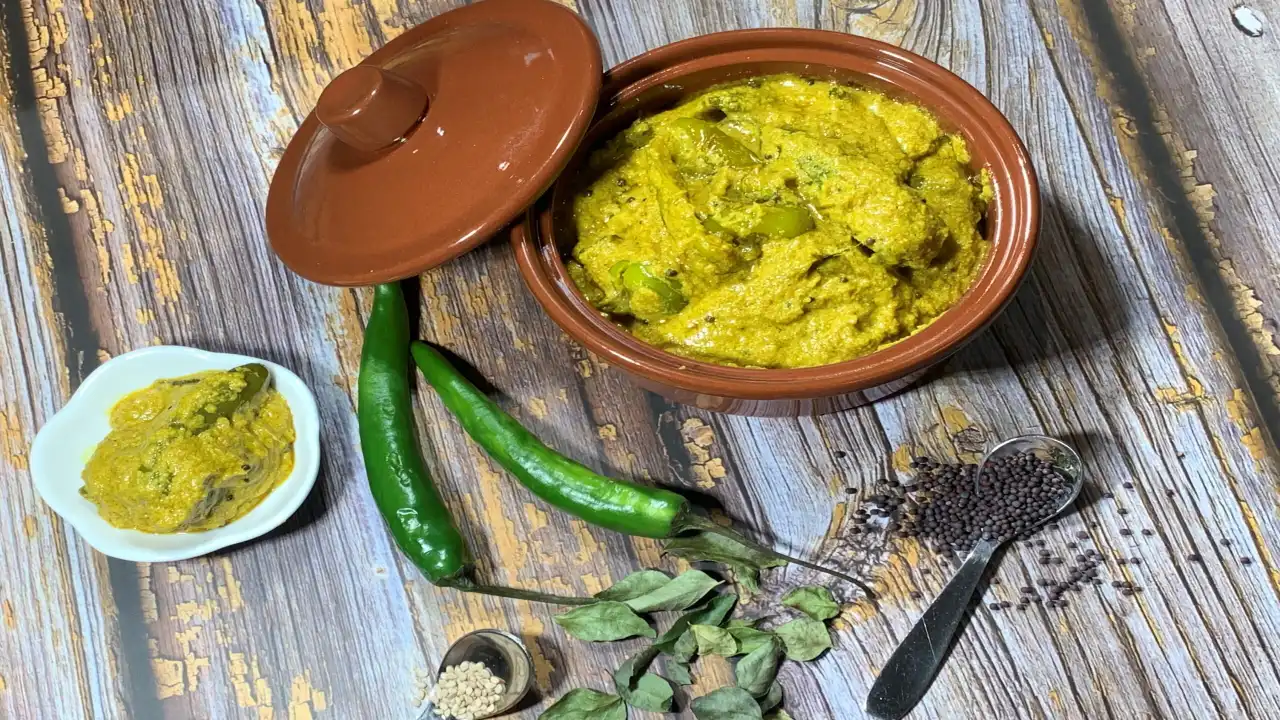
Deceptively so, and not in a way you can guess just by looking at it. Mirchi ka salan is a curry built around large green chilies, cooked in a peanut and sesame gravy with tamarind mixed in, traditionally served alongside biryani rather than on its own. Some of the chilies used are mild, some are genuinely hot, and there's really no reliable way to tell which is which until you've bitten into one, which is either half the fun or a minor hazard depending on how much heat you can handle. The gravy itself leans more tangy and nutty than fiery, so people who find the chilies too much can still just eat the sauce over rice and skip the actual chili.
- Where to eat: comes standard with biryani at most established biryani houses, Bawarchi and Paradise both do solid versions
- Cost: usually bundled into a biryani thali, standalone portions run ₹80 to ₹150
- Best for: spice lovers specifically; this is the dish that separates tourists from people who've actually built up a tolerance living here
What Exactly Is Qubani Ka Meetha and Why Does It Taste Familiar?
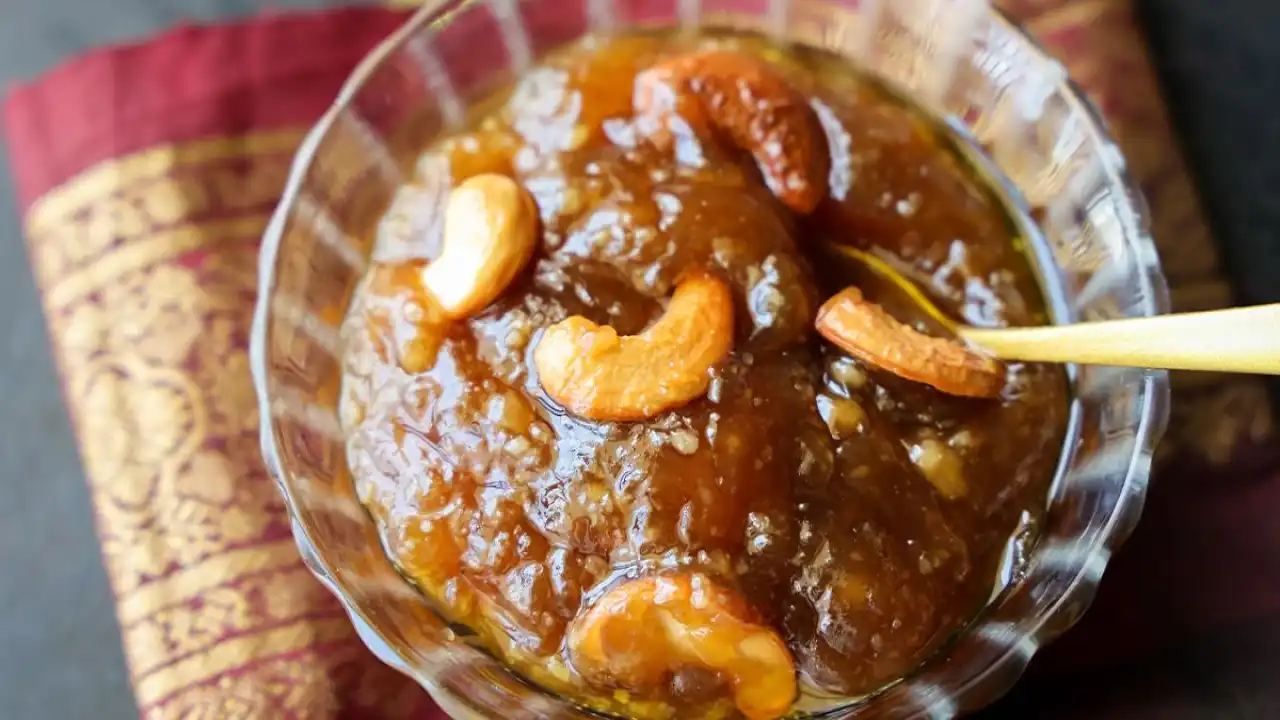
This is a dried apricot dessert, and the flavor genuinely catches first-timers off guard because it tastes closer to a fruit compote than to typical Indian sweets, which usually lean hard on milk and sugar. Dried apricots get soaked, then slow-cooked down with sugar until they break into a thick, tangy-sweet pulp, usually topped with a scoop of vanilla ice cream or a dollop of fresh cream to cut through the tartness. It's a Nizami-era dish, meaning it traces back to the royal kitchens of the Nizams who once ruled Hyderabad, and it's kept that slightly refined, not-too-sweet character even now, centuries later.
- Where to eat: most traditional Hyderabadi restaurants, including Jewel of Nizam, also fairly common on wedding catering menus
- Cost: roughly ₹100 to ₹200 a serving
- Best for: anyone who finds most Indian desserts too sweet; this one leans tart instead of saccharine
Where Does Keema Samosa Fit Into a Day of Eating in Hyderabad?
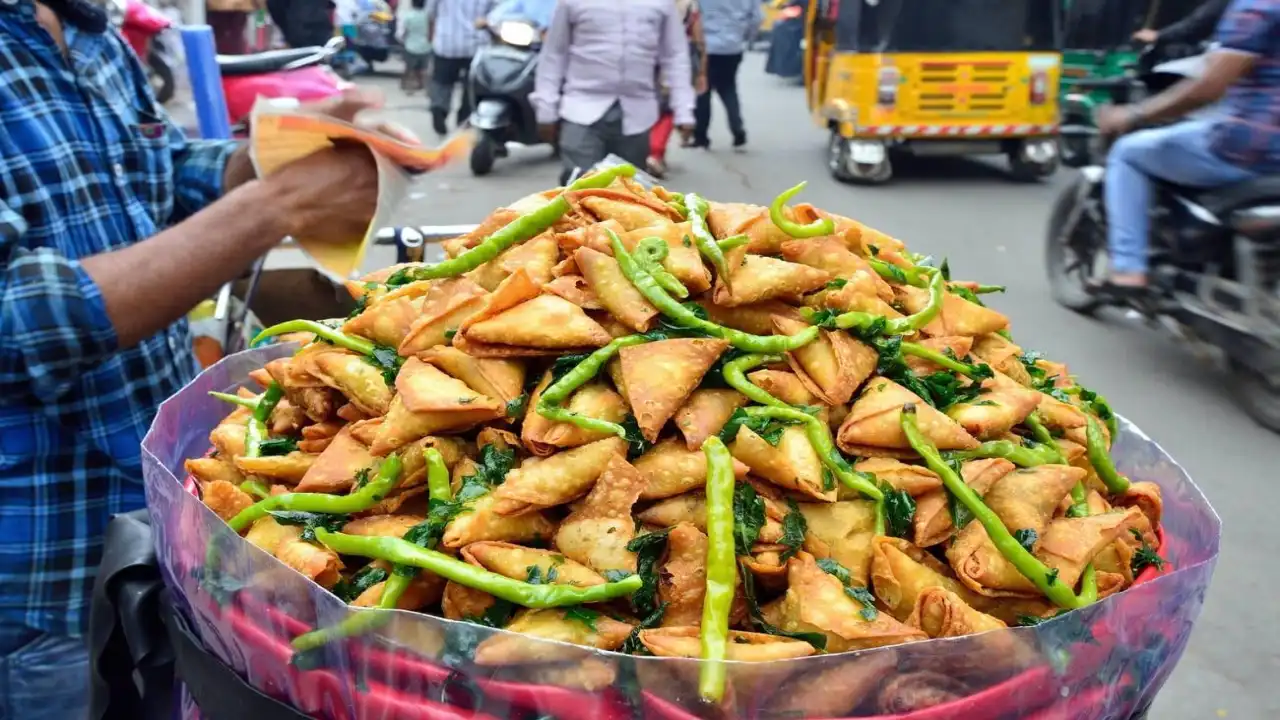
Evening snack territory, mostly, not something you'd build a meal around. A regular samosa gets filled with potatoes; keema samosas swap that out for spiced minced meat instead, fried until the outer shell turns properly crisp while the filling stays juicy underneath. Street vendors sell them by the piece rather than the plate, which makes them an easy grab-and-go while wandering the old city instead of committing to sitting down somewhere.
- Where to eat: street stalls around Charminar and through the old city, especially in the evening once things pick up
- Cost: ₹15 to ₹30 a piece
- Best for: snacking between meals, or anyone doing a walking food tour who doesn't want to sit down at every single stop
What's the Deal With Pesarattu Dosa in a Biryani City?
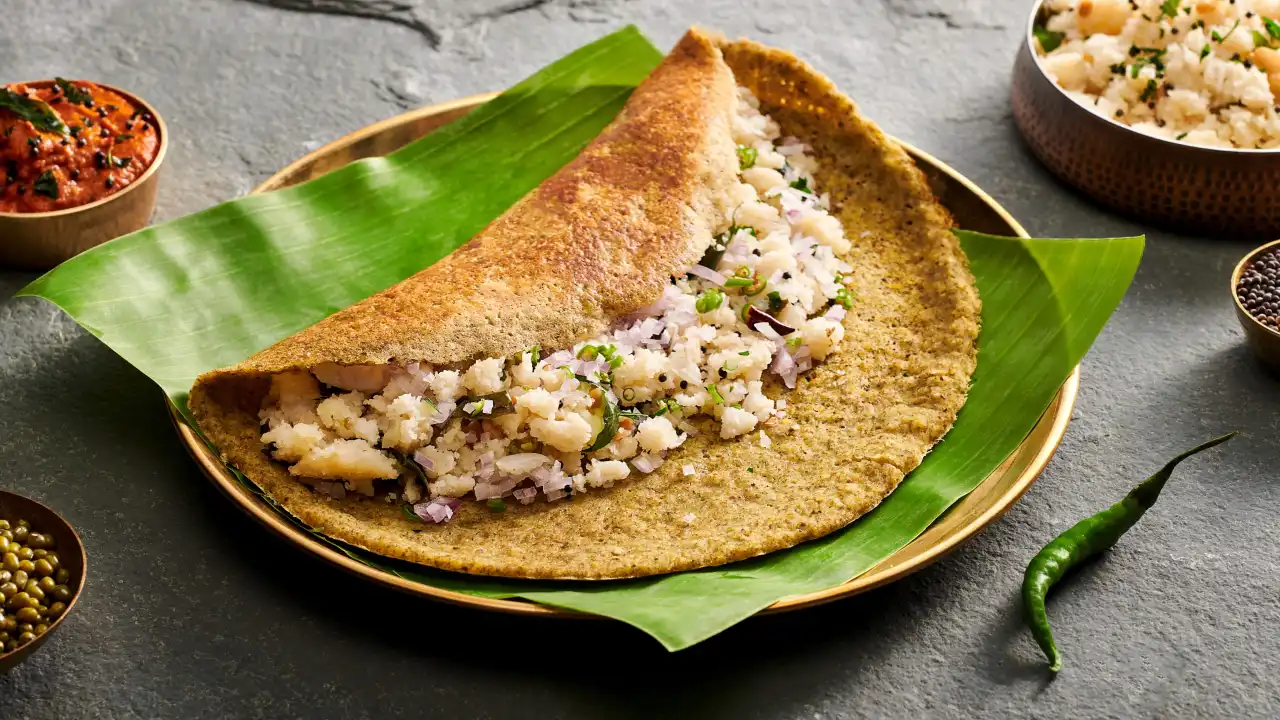
Not every meal here is Mughlai, and this is the reminder of that. Pesarattu is a green gram (moong dal) dosa, thinner and a bit denser than your usual rice dosa, with an earthy flavor from the lentils and often flecked with ginger, cumin, and green chili right in the batter. Typically served with upma stuffed inside, which sounds strange until you've actually had it, two starches in one dish, plus a side of ginger chutney to balance it all out. This Andhra influence shows up loud and clear, a good reminder that Hyderabad's food scene isn't only about the Nizami, meat-heavy side of things.
- Where to eat: Chutneys (several branches across the city), Ram Ki Bandi near the old city, Charminar Market area
- Cost: ₹80 to ₹150
- Best for: vegetarians, and anyone who wants something lighter after a heavy biryani dinner the night before
What Should Adventurous Eaters Try If They Want Something Off the Usual List?
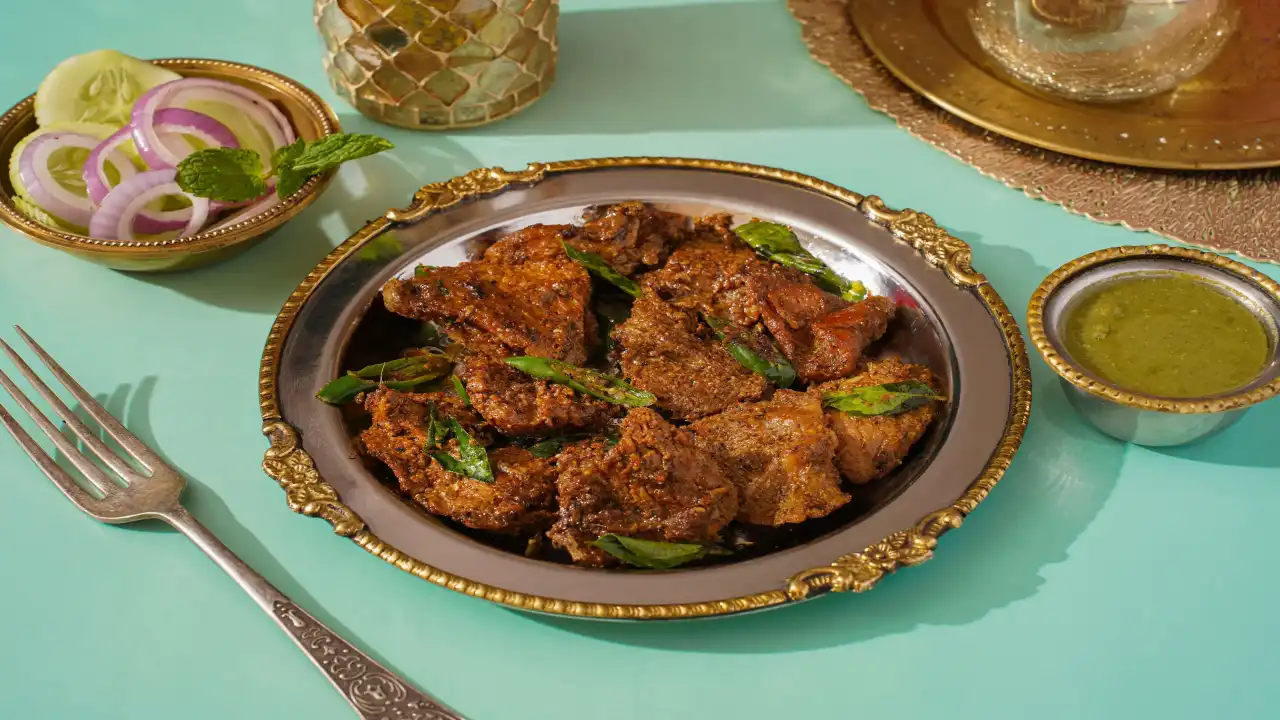
This is where Famous Food in Hyderabad starts branching into territory most visitors skip entirely, honestly without even realizing it exists. Maghaz, a spiced brain fry, is a genuine local delicacy, not something bolted onto menus for shock value, and it's traditionally eaten with hands, no cutlery involved. Patthar ka gosht takes marinated lamb and cooks it directly on a heated stone slab instead of a pot, giving it a smoky char a regular pan just can't replicate. Marag, a rich meat broth, is less known outside the city but worth tracking down if slow-cooked, deeply savory food is your kind of thing.
- Where to eat: Bade Miyan in Upper Tank Bund for patthar ka gosht, Sohail Hotel in Malakpet for marag, various old-city eateries for maghaz
- Cost: varies quite a bit, roughly ₹150 to ₹400 depending on dish and place
- Best for: travelers who've already done the standard biryani-haleem circuit and want to dig a bit deeper
Pro Tip
Eat your biryani at lunch, not dinner, if you want it at its actual best. Most established places cook fresh batches through the morning, and by evening, particularly at the busier spots, you're often eating rice that's been sitting since afternoon service, which is a noticeable difference once you know to look for it. Ordering early also means shorter lines at places like Paradise and Bawarchi, both of which get properly packed by 1 PM most days.
Final Word
Hyderabad rewards people who eat with some intention instead of just checking dishes off a list because a blog told them to. The food culture here is layered: Nizami richness on one side, Andhra sharpness on the other, Irani cafe culture running quietly underneath both, and honestly, a few days barely scratches the surface of it. Anyone planning a trip actually built around food, rather than treating food as an afterthought to sightseeing, should think of Hyderabad as a serious destination, not just a stopover between other cities.
For travelers wanting help structuring a trip around exactly this kind of experience, Travel Junky can put together an itinerary that balances the eating with the sightseeing, based on how much time you've actually got and what you're hoping to walk away having tried. So, stop scrolling on those Mukbang videos and hop on to the food destination of your dreams!
Popular Places to Visit in and Near Hyderabad
- Charminar: the city's defining monument, built way back in 1591, and the natural starting point for any food walk since it sits right at the edge of the old city's busiest eating zone
- Golconda Fort: a short drive out from the center, worth timing for late afternoon before the light and sound show kicks off in the evening
- Chowmahalla Palace: former seat of the Nizams, gives useful context for why Hyderabadi food leans so heavily on royal Mughlai influence in the first place
- Hussain Sagar Lake: home to the large Buddha statue out on Gibraltar Rock, a decent spot for an evening walk after a heavy lunch weighs you down
- Ramoji Film City: about an hour outside the city, really a full-day outing if you're traveling with family
- Salar Jung Museum: one of India's largest museums, close enough to the old city to pair easily with a food walk on the same day
Read next: Street Food in Kerala: What’s Worth Trying?