Why Lakshadweep should be your next beach vacation
Ask ten people to name a beach town in Goa, and they'll rattle off five without blinking. Ask them to name one island in Lakshadweep, and you'll get a confused stare. That's not a Lakshadweep problem. It's an off-the-algorithm problem. This cluster of coral islands off Kerala's coast has been quietly doing its own thing for decades, dodging influencers and holiday-package spam almost entirely, mostly because getting there used to mean permits, limited seats, and zero buzz.
That's changing now. Flights are still limited. Permits are still non-negotiable. But for anyone weighing a Lakshadweep beach vacation against the usual Goa-or-bust plan, this blog will give you all the answers you need. This piece from Travel Junky breaks down what the islands actually offer, which ones suit which kind of traveler, how to get there, and what it costs. No filler, just the practical stuff.
What makes this a beach destination worth the effort?
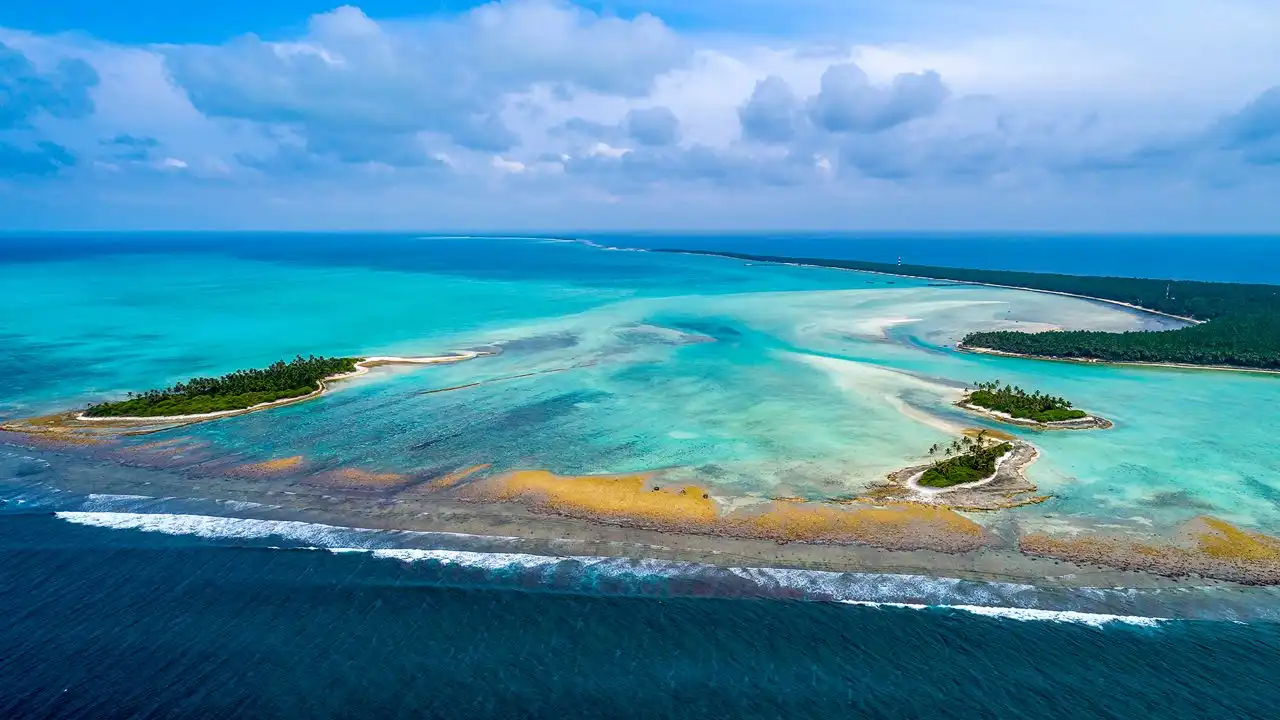
Why visit Lakshadweep instead of somewhere more familiar? Three reasons keep coming up when talking to people who have actually made the trip. First, the coral cover is still largely intact, particularly around Kadmat and Bangaram, which makes for genuinely good snorkeling without needing a dive certification. Second, the islands are small enough that a visitor can walk the entire coastline of some in under two hours. Third, because permits cap the number of visitors, nowhere feels overrun. It is the opposite of an overtourism story.
None of this makes it a destination for everyone. There is limited nightlife, alcohol is restricted, and mobile connectivity drops out fast once away from the main settlements. People looking for a party island should book Goa instead.
Which are the best beaches in Lakshadweep?
Beach quality here is fairly consistent, but the surrounding infrastructure and vibe differ sharply from island to island. Here is a working breakdown for the best beaches in Lakshadweep by island.
Agatti Island
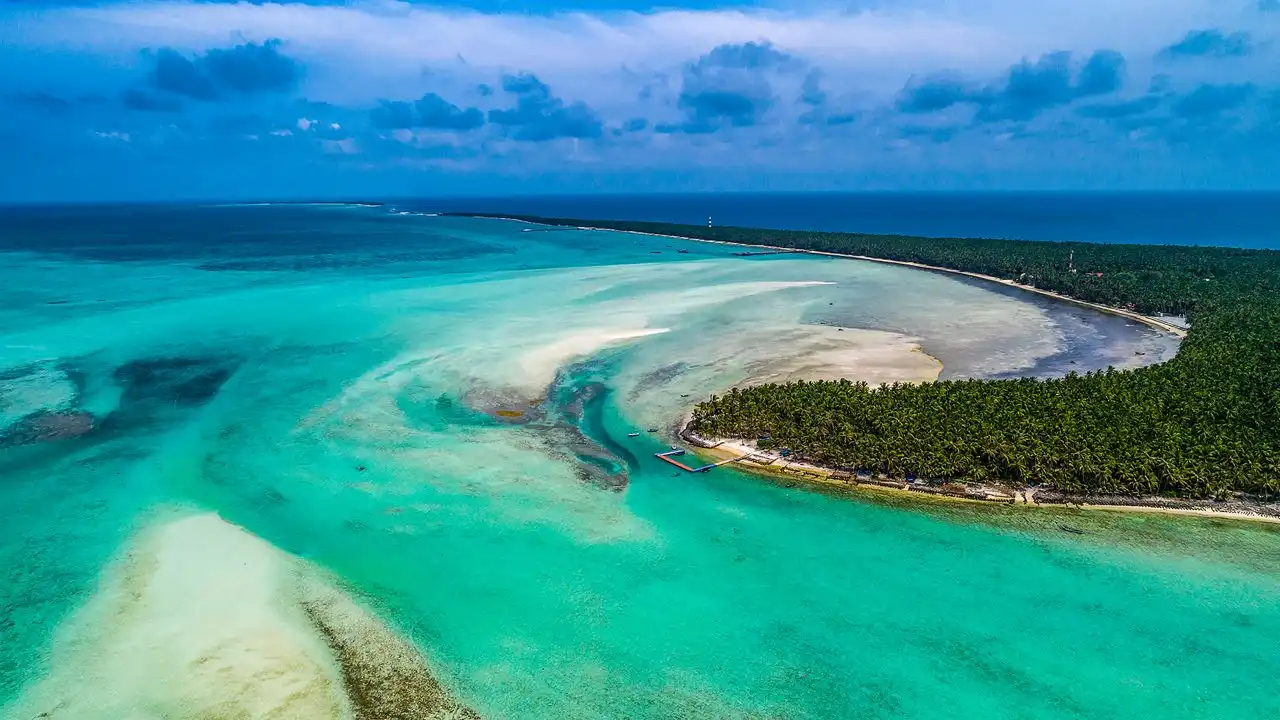
Agatti is the entry point for most tourists because it is the only island with an airport. The beach itself runs along a lagoon that stretches roughly 25 square kilometers, unusually large for an island this size, and the water stays shallow for a long walk out before it deepens.
- Best time to visit: October to March, when seas are calm and visibility for snorkeling is highest
- Who it suits: first-time visitors, families with older kids, anyone short on travel days since it requires no inter-island transfer
- Cost: budget to mid-range, with guesthouses and a couple of resort-style properties; expect flights from Kochi to be the bigger expense than the stay itself
Bangaram Island
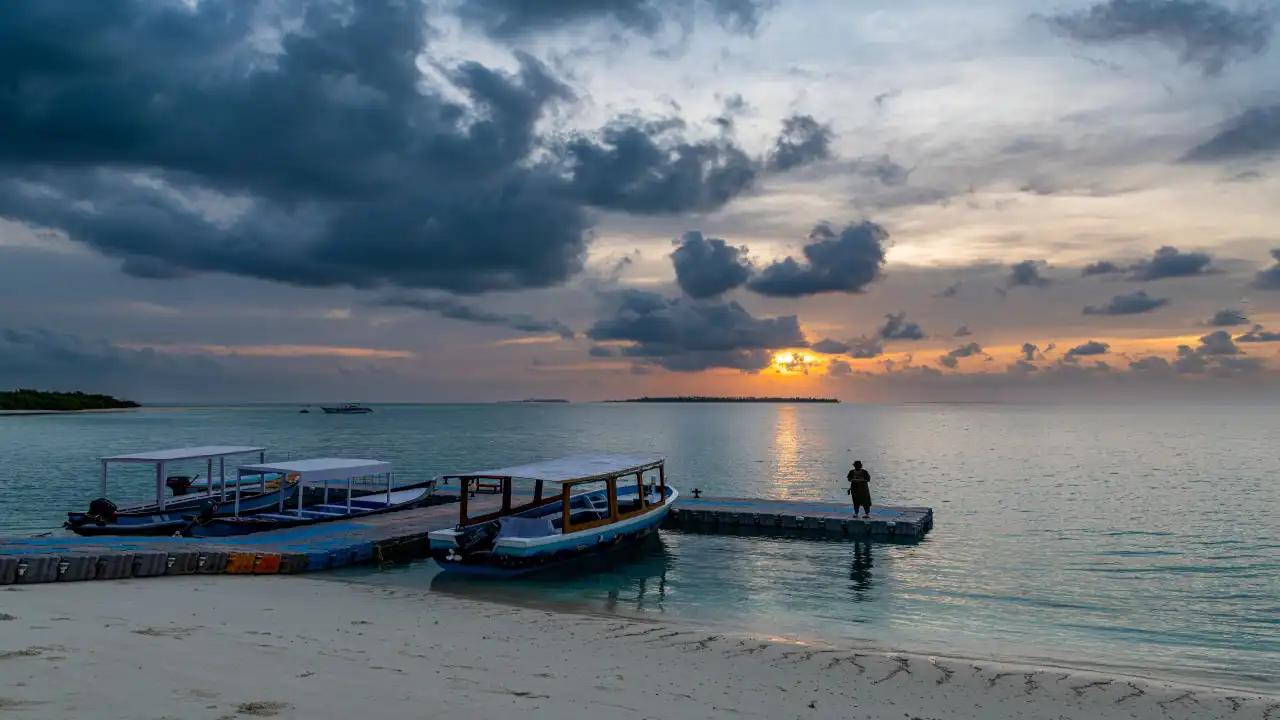
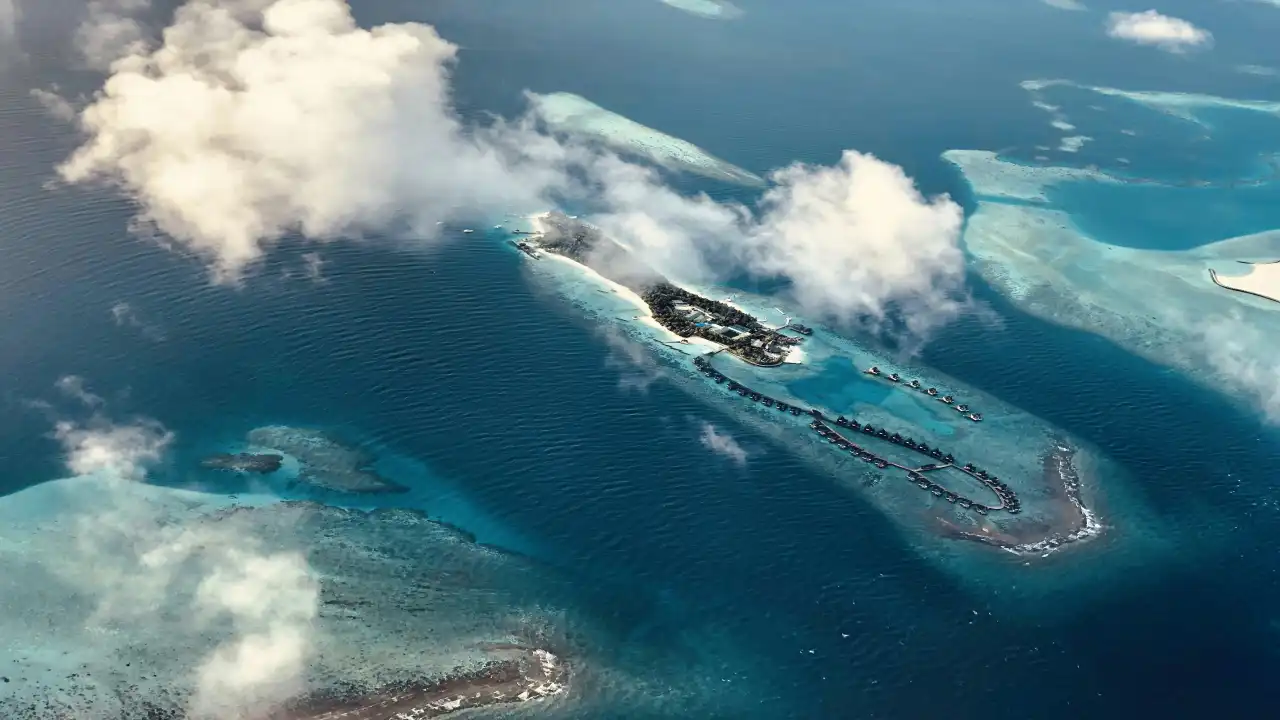
Bangaram has an oval lagoon and is often described as the honeymoon island, largely because of the newer Taj-run properties (Bangaram Island Resort and Coral Pearl) that opened in August 2025. It is uninhabited apart from resort staff, which keeps things quiet.
- Best time to visit: November to February for the calmest water and clearest skies
- Who it suits: couples, honeymooners, and travelers who want isolation over convenience; less ideal for very young kids given limited medical access
- Cost: on the higher end, closer to a boutique island resort in pricing than a typical Indian beach holiday
Kadmat Island
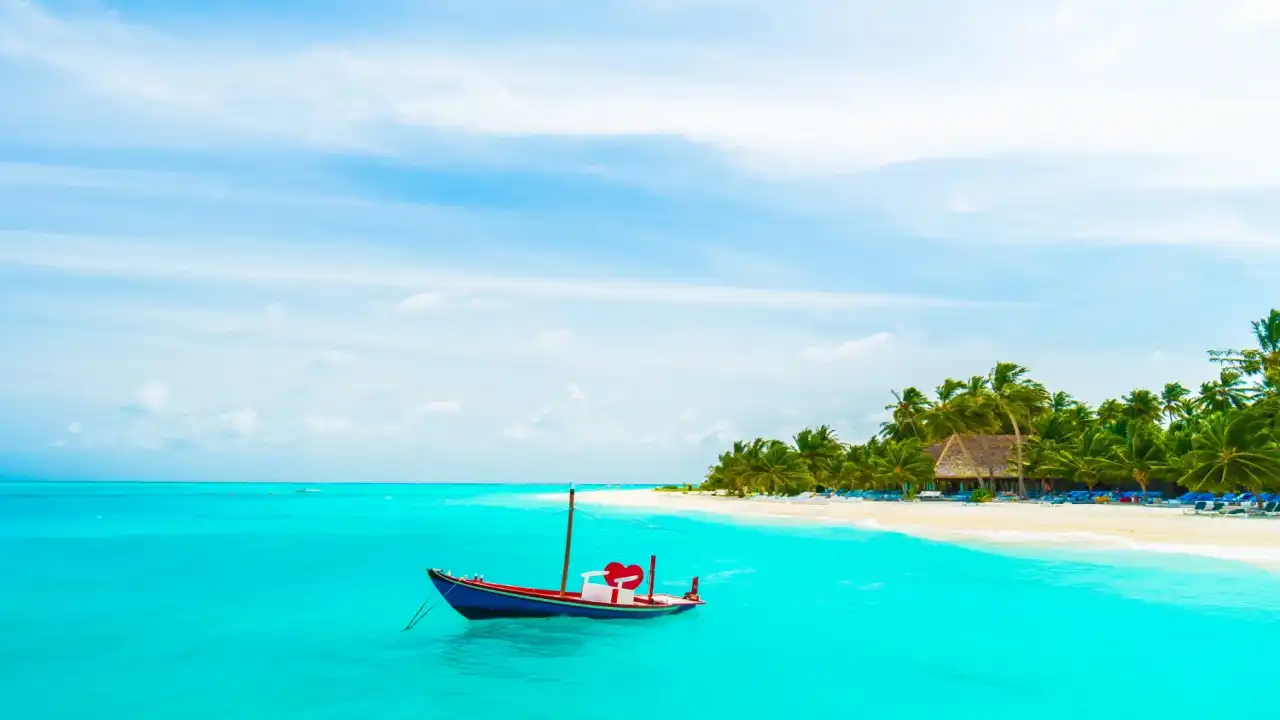
Kadmat is the diving island. Dive sites here have names locals actually use in conversation, not just marketing copy: Potato Patch, The Wall, North Cave, and Double Reef. There is a functioning water sports institute on the island offering kayaking, windsurfing, and lagoon boat rides alongside scuba.
- Best time to visit: December to March for underwater visibility; avoid the pre-monsoon months of April to May when the sea gets choppier
- Who it suits: divers, snorkelers, adventure-focused travelers, and anyone who wants a proper water sports base rather than just a beach to sit on
- Cost: mid-range for stays, but diving courses and equipment rentals add up, so budget separately for that
Kavaratti Island
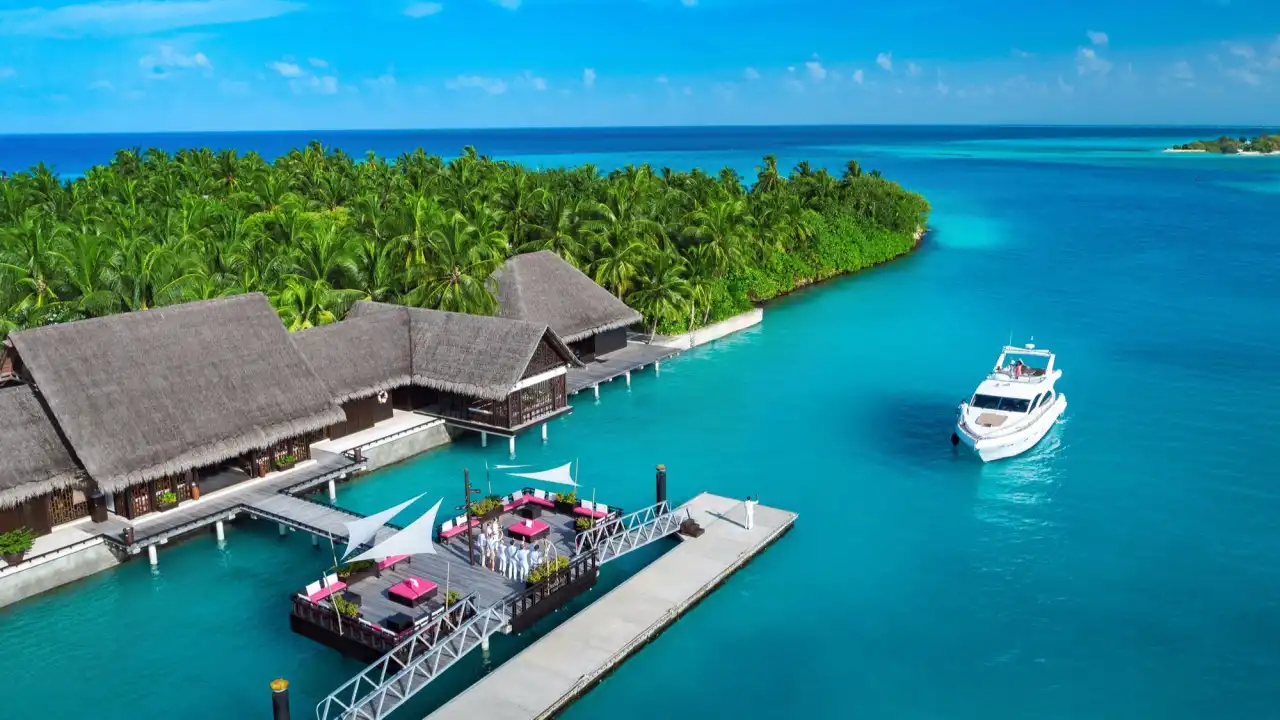
Kavaratti is the administrative capital, which makes it the most developed of the group. It has markets, a mosque with detailed woodwork worth a look, and enough infrastructure that it does not feel remote in the way some other islands do.
- Best time to visit: year-round is workable, though October to March remains most comfortable
- Who it suits: senior citizens and travelers who want beach time without giving up basic conveniences like reliable food options and better connectivity
- Cost: budget-friendly relative to the resort islands, with government guesthouses available
Kalpeni Island
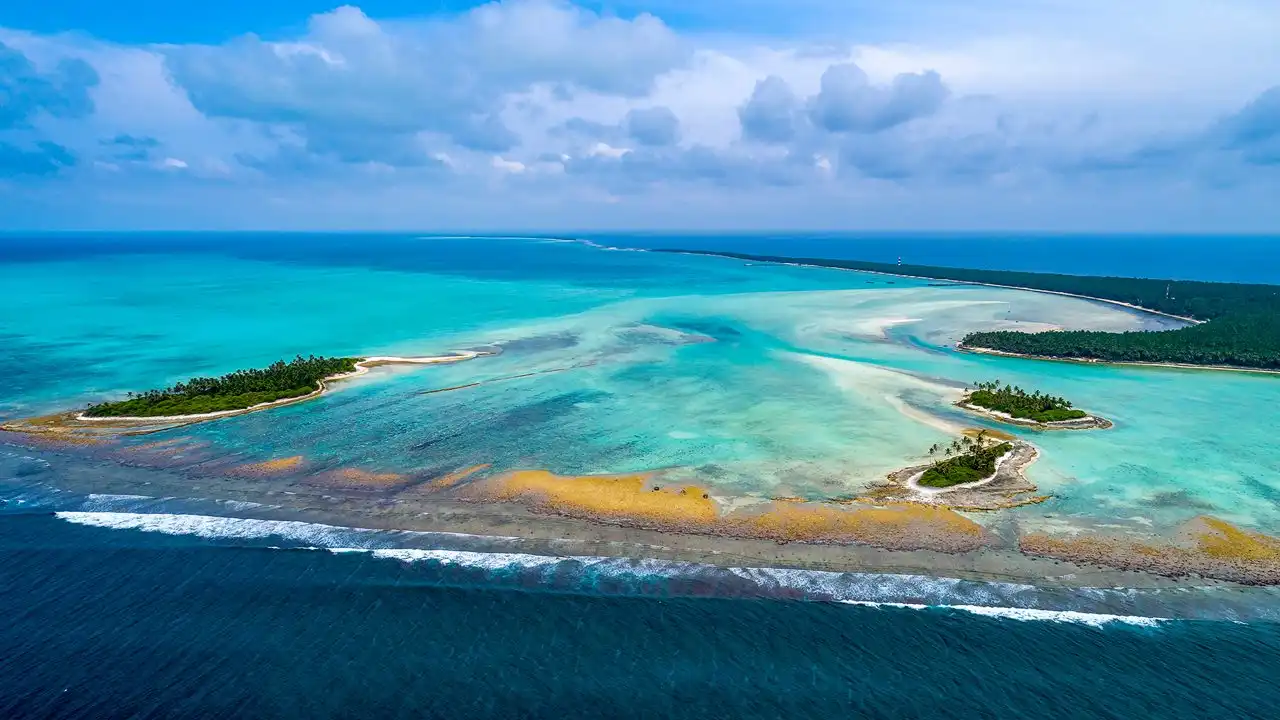
Kalpeni is quieter still, known locally for Koomel Beach on its eastern side. Fewer tourists make it out here, which is either the appeal or the drawback depending on what someone wants from the trip.
- Best time to visit: November to February
- Who it suits: travelers looking for something closer to an untouched island experience, not families needing amenities nearby
- Cost: low, largely because there is less commercial infrastructure to charge for
What activities are worth doing, and where?
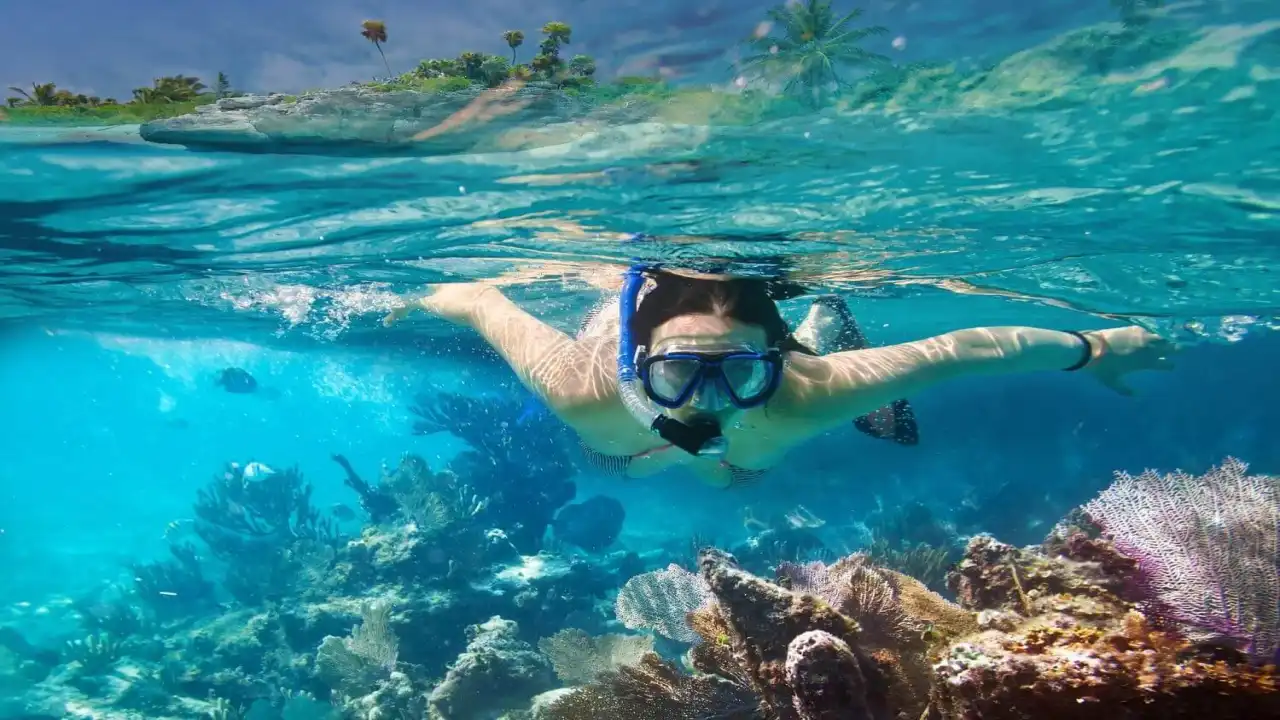
Snorkeling and diving. Kadmat's dive sites are the standout, though Bangaram's lagoon works well for beginners who want to snorkel without a boat. Agatti's shallow lagoon is the gentlest option, good for kids or nervous first-timers.
Kayaking and lagoon boat rides. Available on most inhabited islands, these are low-effort and work for almost any age group. Kavaratti and Kadmat run the most organized versions.
Glass-bottom boat tours. A reliable way to see coral without getting in the water, useful for senior travelers or anyone unable to swim. These run from Kavaratti and Agatti.
Deep-sea fishing. Offered on a few islands with local operators, usually half-day trips. Better suited to adults than families with small kids, given the boat time involved.
Island walking. Underrated but genuinely worthwhile. Many of these islands can be circled on foot at low tide, when sandbars appear and connect stretches of coastline that are submerged at high tide.
Pro tip: book water sports slots a day in advance where possible. Boat and instructor availability is limited on smaller islands, and last-minute requests sometimes get bumped in favor of resort guests with pre-arranged packages.
What should someone pack and expect logistically?
Power cuts happen, especially on the smaller islands, so a power bank is more useful here than in most Indian beach towns. Network coverage is patchy beyond the main settlement areas, and 4G is inconsistent, which makes this an accidental digital detox for most visitors. Food options lean heavily on seafood, particularly tuna, along with coconut-based dishes that reflect the islands' produce. Vegetarian options exist but are more limited than on the mainland, something worth checking with the accommodation in advance.
How does a tourist actually get to Lakshadweep?
This is where the planning gets slightly more involved than a typical beach trip, and it is worth reading closely if this is someone's first attempt at putting together a Lakshadweep travel guide for tourists.
By flight: Kochi to Agatti is the only air route into the islands, and it takes roughly 90 minutes. Agatti currently has the sole functioning airstrip, so every flight-based itinerary starts here.
- From Agatti, onward travel to islands like Bangaram or Kavaratti happens by boat
- During peak season, these connections can be tight, so building in a buffer day is sensible rather than optional
- Two new airports have been approved for Minicoy and Agatti to improve connectivity, and there has long been a proposal to extend Agatti's runway for larger aircraft, but neither is operational yet, so travelers should plan around the current single-airport setup
By ship: Ships run from Kochi directly to several islands, taking anywhere from 14 to 20 hours depending on the route.
- Cheaper than flying by a wide margin, which suits travelers with more time than budget
- Cabin availability during peak months, December and January especially, sells out fast, so early booking matters more here than for the flight
Permits: Every Indian traveler needs one, and it is mandatory, not optional paperwork.
- Issued by the Lakshadweep Administration, typically processed through the tour operator or the official portal before arrival
- Foreign nationals are currently restricted to a smaller set of islands, primarily Bangaram, and need additional clearance
- This is not a walk-up destination; planning at least a few weeks ahead, longer during peak season, avoids last-minute scrambling
How does Lakshadweep compare to other beach destinations?
Lakshadweep sits in an interesting middle ground here. It has water clarity closer to the Maldives without the price tag, and far fewer crowds than either Goa or the Andamans, but it demands more planning than any of them.
Planning the trip
Lakshadweep is not a spontaneous weekend booking. It requires permits, advance flight bookings, and a bit of patience with limited connectivity. For travelers willing to work around that, it delivers something increasingly rare on India's coastline: clear water, low crowds, and beaches that have not been flattened into sameness by mass tourism.
Travel Junky puts together Lakshadweep itineraries that handle the permit process, island transfers, and stay bookings, so anyone considering the trip can focus on picking which island suits them rather than untangling the logistics alone. So, what are you waiting for? Catch that flight and make your summer full of beach aesthetics!
Frequently asked questions
Is Lakshadweep good for a family vacation with young kids? Agatti and Kavaratti work reasonably well given their shallow lagoons and slightly better infrastructure. Islands like Bangaram or Kalpeni, with less medical access and fewer amenities, are better suited to adults.
Do senior citizens find Lakshadweep manageable? Kavaratti is the most comfortable option due to its markets, better connectivity, and glass-bottom boat tours that do not require swimming. Boat transfers between islands can be tiring, so limiting the itinerary to one or two islands is advisable.
Is alcohol available in Lakshadweep? No, apart from a couple of exceptions on Bangaram Island for resort guests. The islands otherwise maintain a dry policy, which is worth knowing before planning the trip.
What is the ideal trip length? Five to seven days works well for covering two or three islands without rushing the boat transfers, which can eat up more time than expected.
Do foreign tourists need special permission? Yes. Access for foreign nationals is currently limited to select islands, mainly Bangaram, and requires additional clearance beyond the standard permit process.