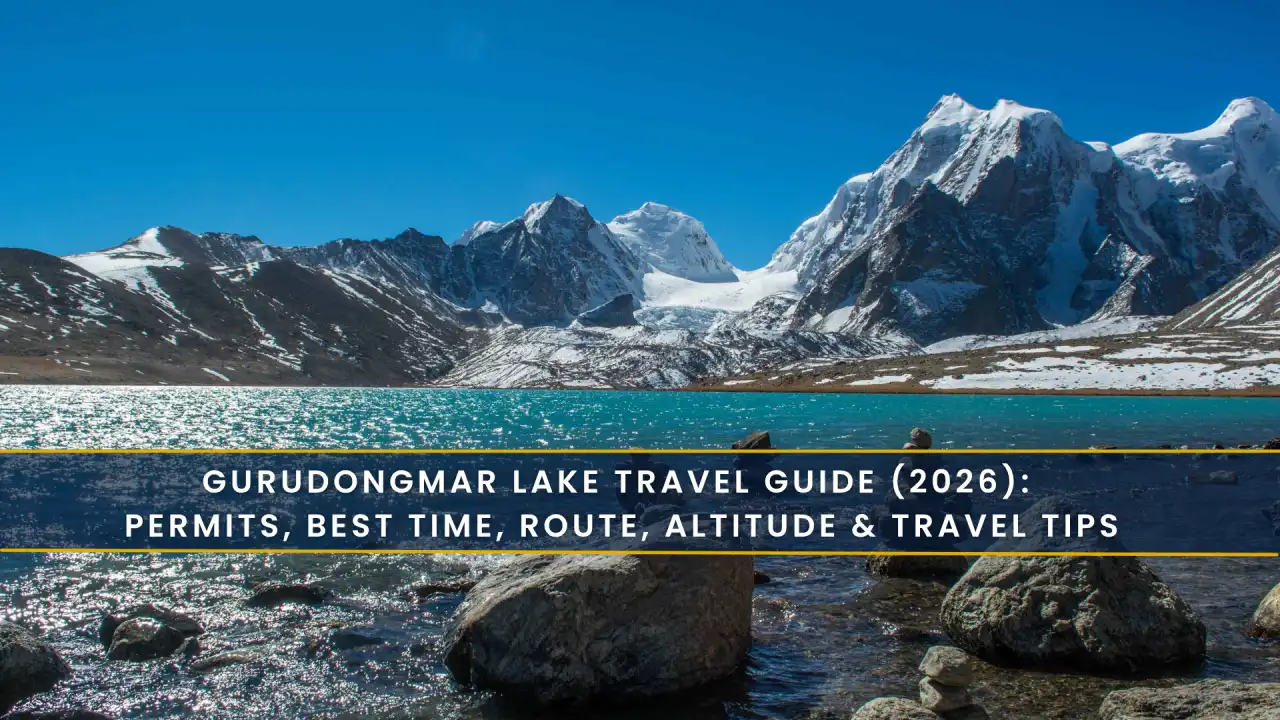
Gurudongmar Lake Travel Guide (2026): Permits, Best Time, Route, Altitude & Travel Tips
Gurudongmar sits at 5,430 metres in the far north of Sikkim, close enough to the Indo-China border that army checkpoints outnumber tea stalls on the final stretch of road. It's famous for being one of the highest lakes in the world, for water that stays a shocking shade of turquoise even in thin winter light, and for a small monastery where a lone caretaker deals with wind that never really stops. None of that makes it a casual day out, though. Getting to Gurudongmar Lake involves permits, altitude that genuinely knocks people sideways, and roads that have a habit of closing without much warning. This guide covers the practical side of all that: permits, timing, the drive itself, altitude sickness, and what to expect once you arrive.
Quick Facts About Gurudongmar Lake
Where is Gurudongmar Lake?
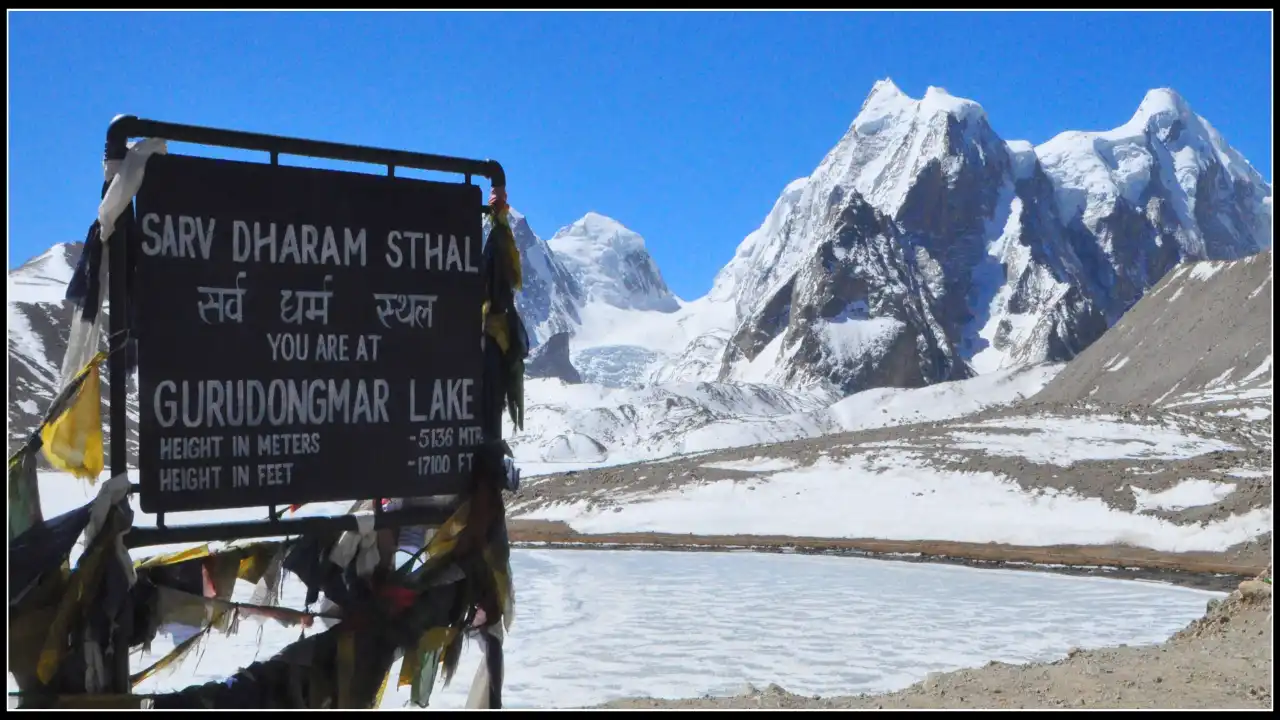
The lake sits in the Mangan district of North Sikkim, roughly 5 km from the Indo-China border, close enough that the final approach runs through military-controlled territory. On a map, it's northeast of Gangtok, past Chungthang and Lachen, tucked into a high plateau ringed by barren peaks including Kangchengyao. Nearby towns are limited to Lachen, which functions as the last real settlement before the lake, and Thangu, a smaller high-altitude hamlet used mostly as a waypoint. The border proximity is exactly why the whole route is classified as a protected area. This isn't scenic paranoia; it's a genuine strategic zone, and that shapes almost everything about how the trip is organized.
Why is Gurudongmar Lake Famous?
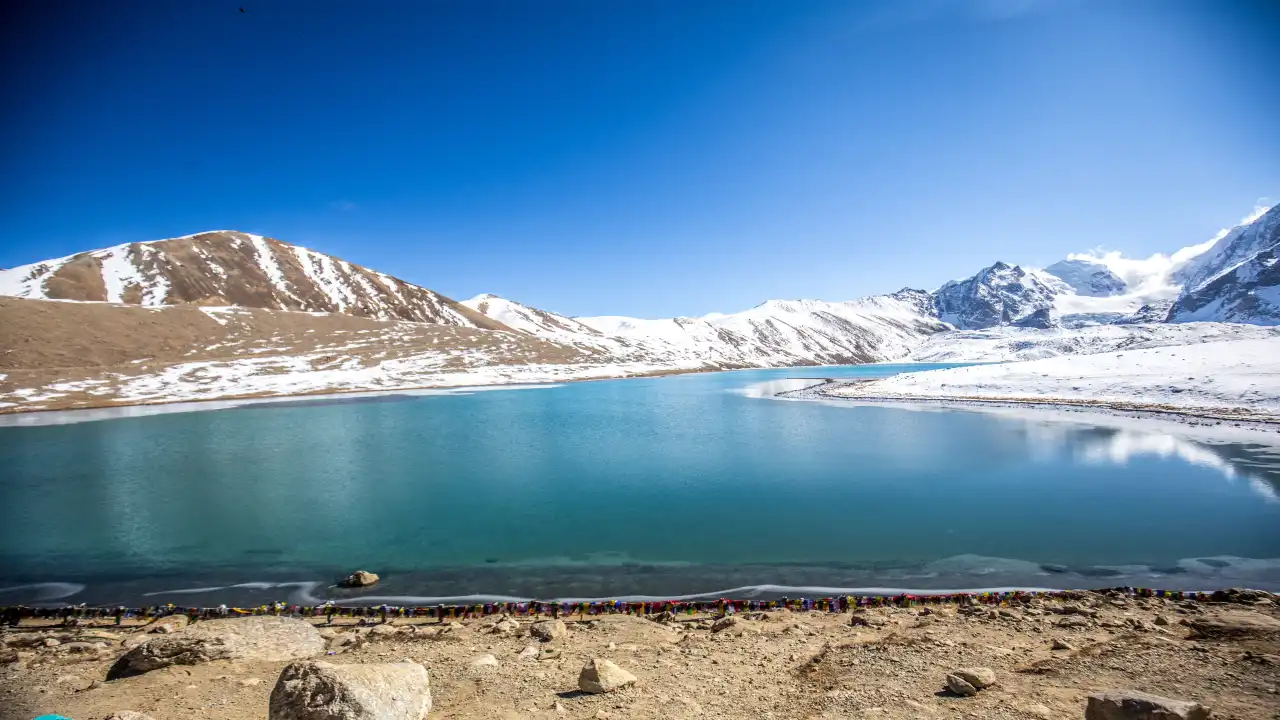
A few things overlap here. It's frequently listed among the highest lakes on earth, though rankings vary depending on which glacial lakes get counted. Religious significance matters too; Buddhists, Hindus, and Sikhs all consider it sacred, tied to a legend involving Guru Padmasambhava blessing the waters so a portion never fully freezes. The army maintains a visible presence throughout, partly for border security and partly because of how remote and unpredictable the area is. Then there's the water itself, glacial, startlingly clear, shifting between deep blue and pale green depending on the light. Surrounding all of it are snow-dusted ridgelines with essentially no vegetation, which makes the whole scene feel closer to a lunar landscape than anything typically associated with India.
How to Reach Gurudongmar Lake
From Gangtok
Distance runs about 175 km, though travel time (8-10 hours total across two days) matters more than raw distance given the terrain. The route goes from Gangtok to Mangan to Chungthang to Lachen, following the Teesta River for a good stretch before climbing steeply. Most of this road is paved but narrow, with switchbacks that slow things down considerably past Chungthang.
From Lachen
Distance to the lake is roughly 66 km, but this leg has to start early, typically between 6 and 7 am. Army rules require vehicles to clear the checkpoint before 10 am, no exceptions, so a late departure from Lachen can mean turning back regardless of permits. Road conditions past Thangu are rougher, sometimes unpaved, and can shift day to day depending on recent weather.
Nearest Airport
Bagdogra is roughly 4 to 5 hours from Gangtok by road.
Nearest Railway Station
New Jalpaiguri (NJP), well connected to major Indian cities, is typically the starting point for travelers arriving by train before continuing to Gangtok.
Gurudongmar Lake Permit Guide
Only Indian nationals are currently permitted to visit the lake itself; foreign passport holders are generally restricted to Chopta or Yumthang Valley instead. A Protected Area Permit is mandatory, issued through registered tour operators in Gangtok rather than independently, since agencies take on responsibility for the group. Documents needed typically include a government photo ID (voter ID, driving license, or passport), two passport-size photographs, and a completed application form. The permit itself is generally free, though operators often charge a processing or service fee. Most Gurudongmar Lake Permit applications are cleared within a day, so arranging it at least 24 hours before departure from Gangtok is standard advice. It's almost always bundled into tour packages already, so independent travelers rarely need to chase this separately.
One important note for 2026: North Sikkim access has faced periodic closures since the 2023 glacial lake outburst flood damaged roads and infrastructure in the region, and permit issuance has occasionally been paused and resumed depending on road repair status. Always confirm current permit and road status with a Gangtok-based operator before locking in dates.
Best Time to Visit Gurudongmar Lake
Spring (March-April)
Pros: fewer crowds, decent visibility. Cons: still cold; occasional late-season snow can close the road unexpectedly.
Summer (May-June)
The weather is the most stable of the year. Roads are generally in their best condition. Crowds pick up considerably; this is peak season.
Monsoon (July-September)
Landslides are common, roads get unreliable, and visibility often drops due to fog. Most operators discourage visiting during this window unless dates are flexible enough to absorb delays.
Autumn (October-November)
Visibility tends to be excellent, skies are clear, and this is considered prime photography season since the lake's color contrasts sharply against snow-capped peaks.
Winter (December-February)
Heavy snowfall is common; the lake largely freezes over, and road closures are frequent. Only attempt this window with serious cold-weather experience and flexible plans.
Gurudongmar Lake Weather & Temperature Guide
Gurudongmar Lake Altitude & AMS (Altitude Sickness)
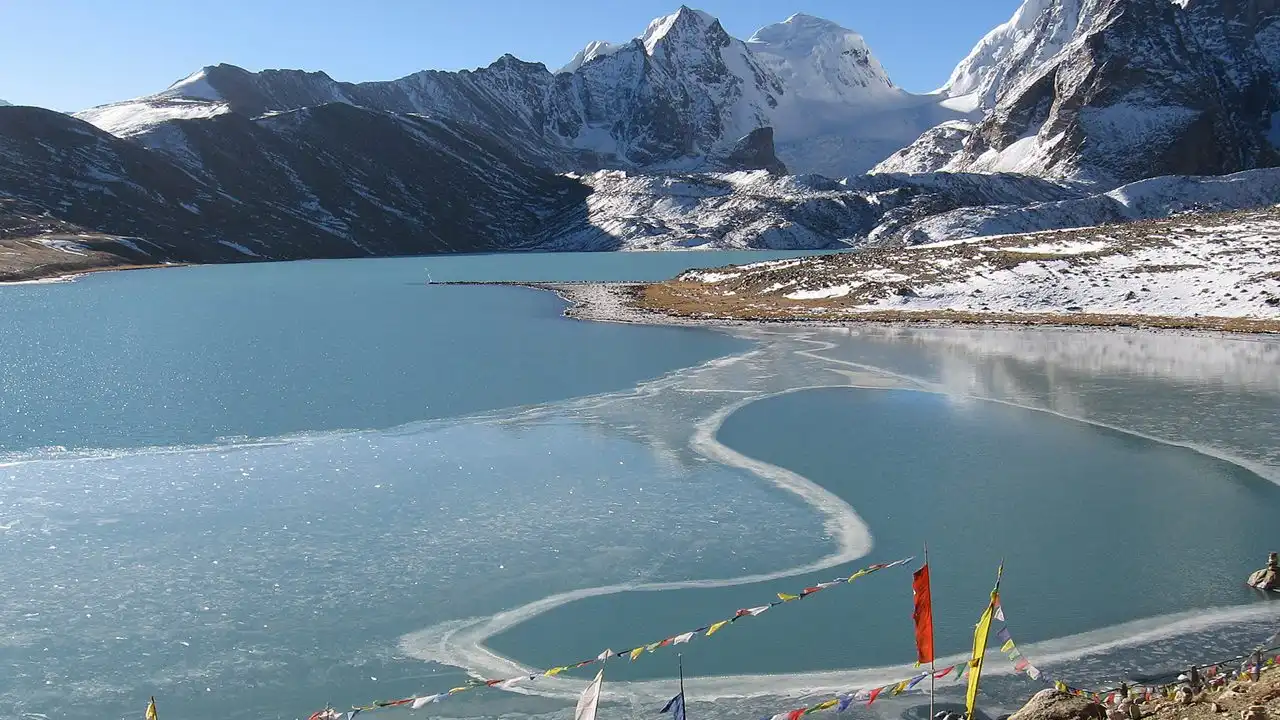
At 5,430 metres, this is genuinely higher than Everest Base Camp, and you reach it by vehicle within hours rather than trekking gradually over days. That speed is exactly what makes altitude sickness a real risk here. Symptoms include headache, nausea, dizziness, and shortness of breath, usually within the first hour at elevation. Prevention starts with spending at least one night in Lachen (around 2,750 m) to partially acclimatize before pushing higher. Avoid alcohol, smoking, and heavy exertion the night before. Anyone with heart conditions, respiratory issues, or a history of severe AMS should reconsider the trip, and children under five are generally restricted by the army regardless. Oxygen cylinders are typically carried by tour vehicles as a precaution, though not guaranteed at the lake itself. If symptoms feel serious, descending immediately is the only real remedy, not waiting it out.
Road Conditions & Driving Tips
Mountain roads past Chungthang narrow considerably and can be affected by landslides, particularly outside the dry season. Early departures aren't optional; they're a direct response to weather patterns that worsen through the day, plus the hard 10 am army cutoff. Multiple checkpoints require permit verification, so carrying photocopies helps move things along faster than digging for originals each time.
Things to See on the Way
Chungthang marks the confluence of two rivers and is a natural stopping point. Thangu Valley offers a high-altitude meadow feel with a much slower pace than the lake itself. Lachen serves as the overnight base and has basic guesthouses. Army viewpoints along the route offer photo stops, and seasonal snow-covered passes past Thangu add another layer depending on when you're traveling.
What to Expect at Gurudongmar Lake
Parking sits a short walking distance from the lakeshore itself, generally under ten minutes on foot. Prayer flags line the approach, fluttering hard given the near-constant wind. Facilities are minimal; expect no proper restaurants and limited toilet access, so plan accordingly. Most visitors spend just 30 to 40 minutes at the lake itself, partly due to the cold and partly due to the army's own timing restrictions.
Things to Carry
- Warm layered clothing, including thermals
- Gloves and a wind-resistant jacket
- Sunglasses (glare off snow and water is intense)
- Cash (no ATMs past Lachen)
- Basic medicines, including something for altitude symptoms
- Snacks and packaged food
- A refillable water bottle
Essential Travel Tips
- Leave Lachen before sunrise, ideally by 6 am
- Skip alcohol the night before
- Stay hydrated throughout the drive
- Limit time at the lake given the altitude
- Follow army instructions at checkpoints without argument
Gurudongmar Lake Tour Itinerary
Shared tours from Gangtok, typically bundled with Lachen and sometimes Lachung, run cheaper per person since costs are split across the group. Private tours cost more but offer flexibility on timing and stops. Most packages include permits, transport, and basic accommodation, though meals may or may not be included depending on the operator. Budget travelers should expect this leg to be one of the pricier parts of a Sikkim trip, given the specialized permits and vehicle requirements involved.
Suggested Itinerary
2 Days: Gangtok → Lachen → Gurudongmar → Gangtok
3 Days: Gangtok → Lachen → Gurudongmar → Lachung → Gangtok
Gurudongmar Lake Trip Cost (Travel Junky, 2026)
Costs shift with season, group size, and how the trip is packaged, so treat the numbers below as planning ranges; always confirm the current quote with your Travel Junky travel consultant before booking.
What's typically included: permit processing, vehicle and driver, fuel, accommodation on twin/triple-sharing, and daily breakfast and dinner.
What's usually excluded: lunch on travel days, personal expenses like heaters, laundry, and tips, optional add-ons such as Nathu La Pass or Zero Point (often an extra vehicle charge), and travel insurance.
Pro tip: shared basis tours from Gangtok cost less per person but run on a fixed group schedule; private tours cost more but let you shift the early-morning Gurudongmar departure if weather looks marginal, which matters more than it sounds given the 10 am checkpoint cutoff.
Places to Visit Near Gurudongmar Lake
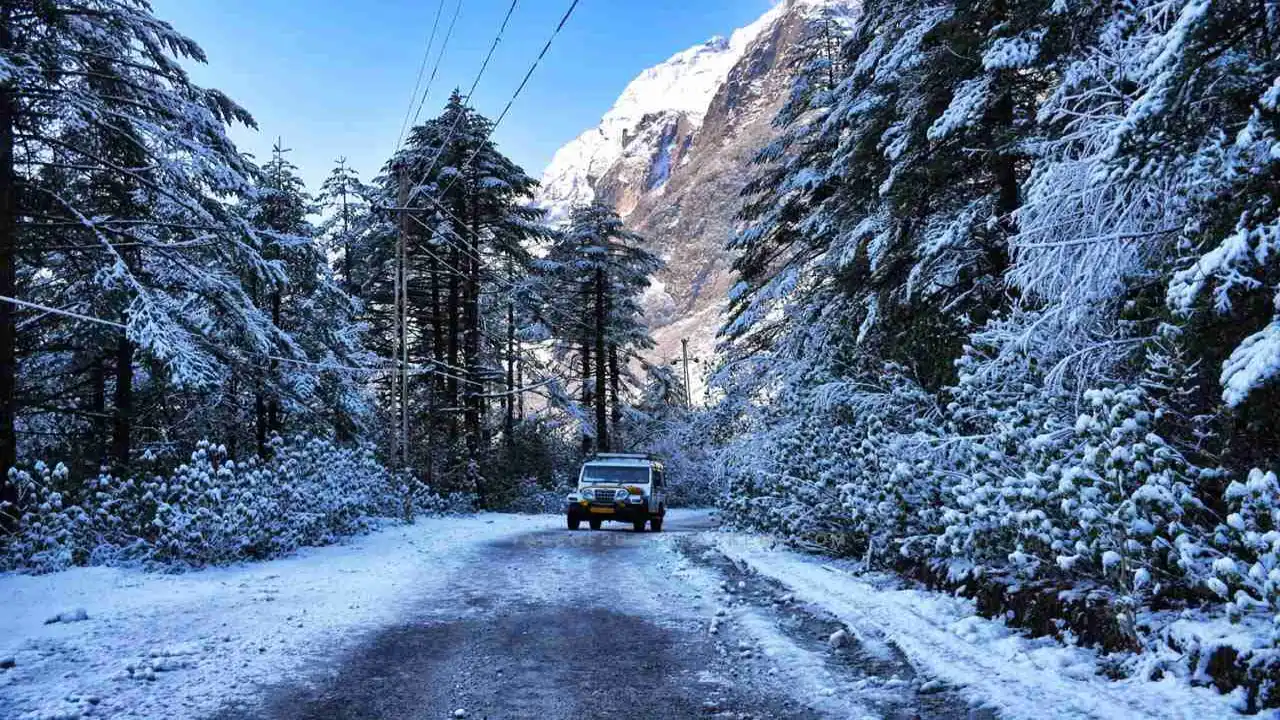
Chopta Valley, sometimes called Sikkim's version of a valley of flowers, sits nearby and is more accessible for foreign travelers restricted from the lake itself. Thangu Valley offers alpine scenery and a good acclimatization stop. Lachen itself is worth a slow evening, with a small monastery and mountain views. Kala Patthar, when open, adds another high-altitude viewpoint to the route. For those extending the trip, Yumthang Valley is typically paired with Lachung as part of a broader North Sikkim itinerary and works well combined with Northeast tour packages covering multiple high-altitude sites in one trip.
Before finalizing any Gurudongmar plan, it's worth checking the current permit and road status directly with a Sikkim-based operator, since access here has shifted more than once in recent years due to weather and infrastructure repairs. A properly built Gurudongmar Lake Travel Guide only goes so far without that final, current-status confirmation.
Plan Your Gurudongmar Lake Trip With Travel Junky
A trip like this comes down to timing more than willpower: the right season, a realistic acclimatization night in Lachen, and an operator who tells you the truth about road status before you book, not after. Travel Junky has been curating Northeast India itineraries for close to a decade, and our Sikkim packages already fold in the permit paperwork, the Lachen overnight, and a same-day Chopta or Yumthang substitute plan in case Gurudongmar itself is closed on your dates. If you'd rather not track checkpoint cutoffs and permit renewals yourself, take a look at our Sikkim packages, and we'll handle the logistics end to end. Happy Journey!
Frequently Asked Questions
Can foreigners visit Gurudongmar Lake?
No. Only Indian nationals are currently permitted to visit the lake itself. Foreign passport holders are generally restricted to Chopta Valley, Thangu Valley, or Yumthang Valley on the same route.
Do I need a permit for Gurudongmar Lake?
Yes, a Protected Area Permit (PAP) is mandatory, arranged through a registered tour operator in Gangtok. It's usually bundled into the tour package, so independent travelers rarely apply for it separately.
Is Gurudongmar Lake open right now? Status has changed more than once through 2026 due to lingering road damage from the 2023 glacial lake outburst flood. Always confirm current, written status with a Gangtok-based operator before booking, since online guides (including this one) can lag behind week-to-week changes on the ground.
How much does a trip to Gurudongmar Lake cost?
Budget shared tours run roughly ₹4,000-8,000 per person for a 2-3 day loop from Gangtok. Mid-range private packages covering Lachen, Gurudongmar, and Lachung typically fall in the ₹20,000-25,000 per person range, with luxury small-group options running higher.
Is there a mobile network at Gurudongmar Lake?
Not reliably. Connectivity is reasonable in Gangtok and Mangan, patchy in Lachen, and effectively absent at Thangu and the lake itself. Plan to be unreachable for several hours on the day you visit.
Can I drive to Gurudongmar Lake myself?
No. Self-drive is not permitted on this stretch. Every vehicle must travel with a registered tour operator and driver, since the route runs through a protected border zone.
How long can I stay at Gurudongmar Lake?
Most visitors spend 30 to 40 minutes at the lake, driven by both the cold and the army's own timing restrictions around the checkpoint schedule.
Is Gurudongmar Lake safe for solo or women travelers?
The mandatory operator-and-driver structure means no one travels the route entirely alone, which many solo and women travelers find reassuring. Choosing an operator with specific North Sikkim experience and verified reviews is worth the extra check.
What happens if I get altitude sickness at the lake?
Descend immediately rather than waiting it out. Tour vehicles typically carry oxygen as a precaution, but the only reliable fix for worsening symptoms at this altitude is dropping elevation, so tell your driver the moment something feels off.
Can children visit Gurudongmar Lake?
Children under five are generally restricted by the army regardless of permit status, largely due to the altitude risk. Older children should be evaluated for cold and altitude tolerance before committing to the trip.