Best Places in Goa in Monsoon: Discover the Side of Goa Most Tourists Miss
Most people picture Goa as beach shacks, loud music, and endless sunshine. Fair enough. That's the version everyone sells, and it's not wrong, just... incomplete. There's another Goa that only turns up for about four months a year, and it might be the better one. Waterfalls go from a trickle to full roar. Hills turn this green you don't really see in the brochures, almost too green, like someone cranked the saturation. The crowds thin out enough that you can hear actual waves instead of someone's Bluetooth speaker. So if you're on the fence, the best places in Goa in the monsoon genuinely reward anyone willing to trade sunbathing for something a bit wilder. Below's where to go, and more importantly, how to plan around the rain instead of fighting it the whole trip.
Is Goa Worth Visiting During Monsoon?
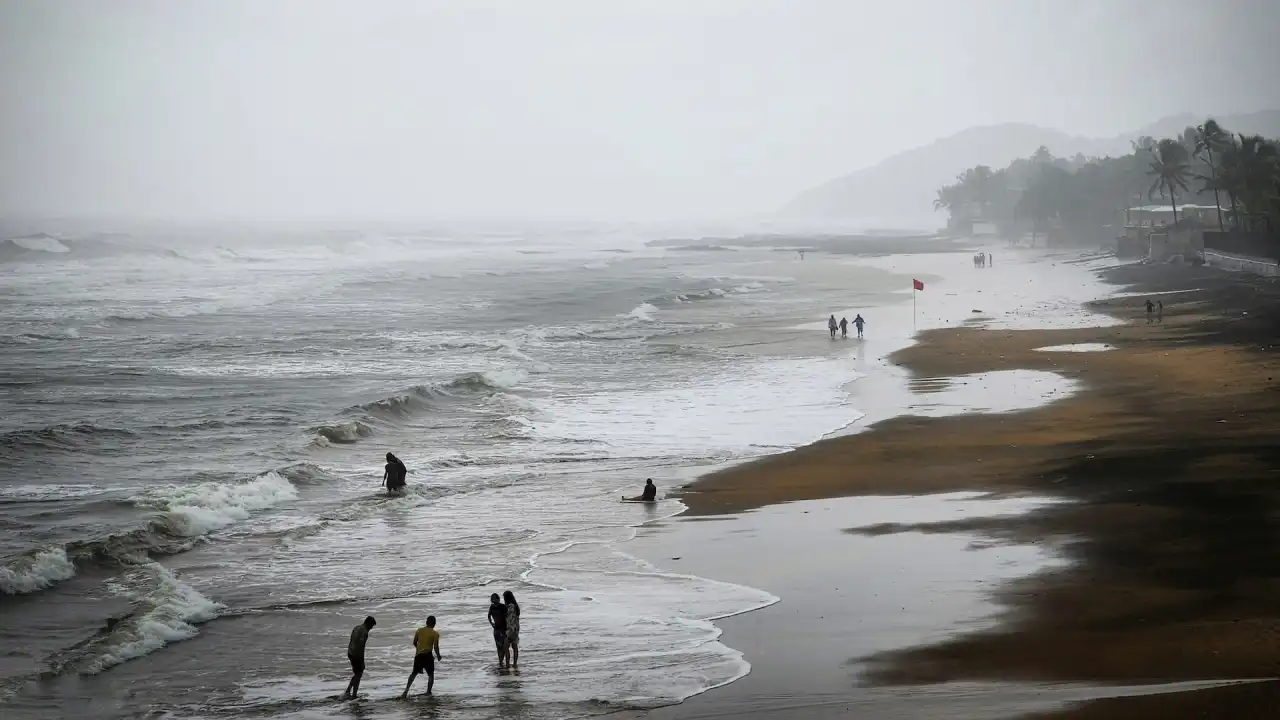
Depends what you want out of it. Waterfalls, quiet beaches, cheaper rooms, all that green everywhere? Go, don't overthink it. Beach parties, jet skis, parasailing? Wrong season, sorry. Water sports operators mostly pack up between June and September anyway, and the sea gets rough enough that swimming is a bad idea in most places regardless of what anyone tells you at the shack.
Goa in Monsoon at a Glance
Why Visit Goa During the Monsoon?
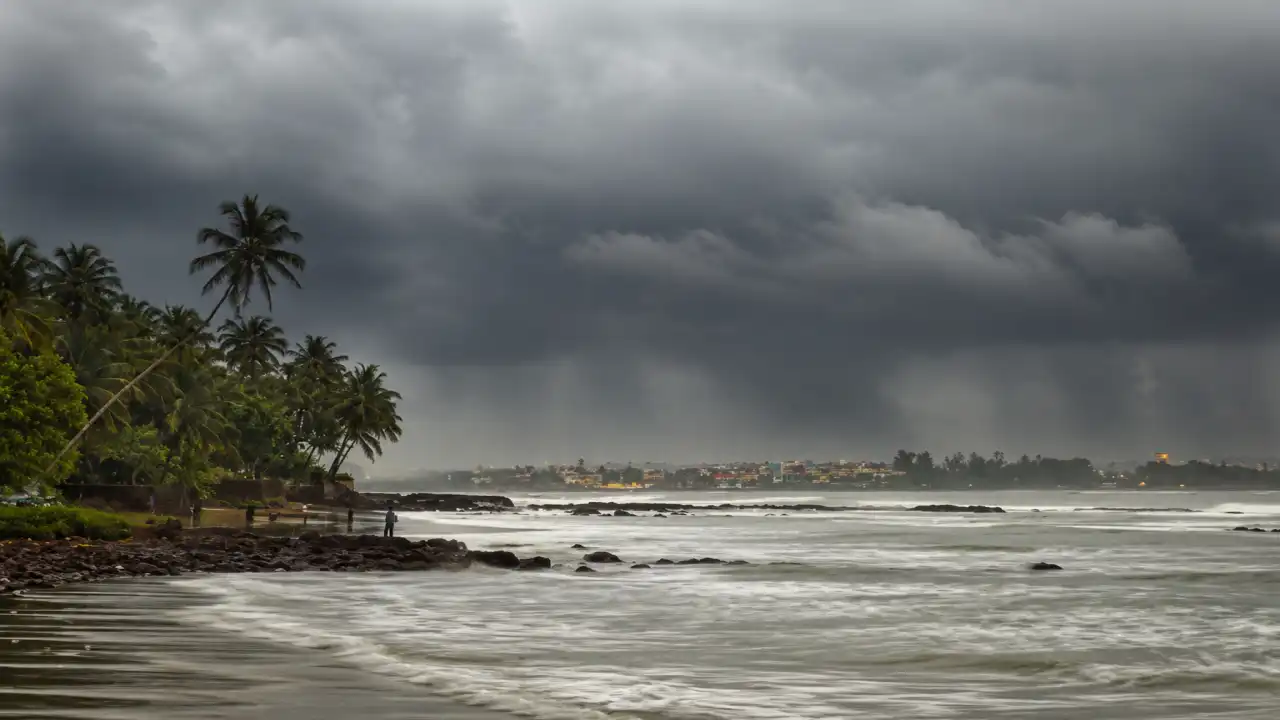
The landscape just... changes. Laterite hills that look scrubby and half-dead in December go this deep unreal green by July, no in-between phase really. Waterfalls that barely trickle the rest of the year turn into full roaring cascades; you can hear some of them before you see them, which is a weird kind of good. Coastline gets moody too. Grey skies, waves slamming the rocks, and it photographs well even when you're not trying to make it look good, that's the thing.
Practical side too, not just pretty pictures. Hotel rates drop noticeably. Restaurants aren't rammed. You're not elbowing past fifty tourists at a heritage site for one photo. Throw in a couple of festivals that only happen this time of year, and the monsoon stops feeling like a compromise and starts feeling like the actual smart choice.
Best Places to Visit in Goa During Monsoon
1. Dudhsagar Falls
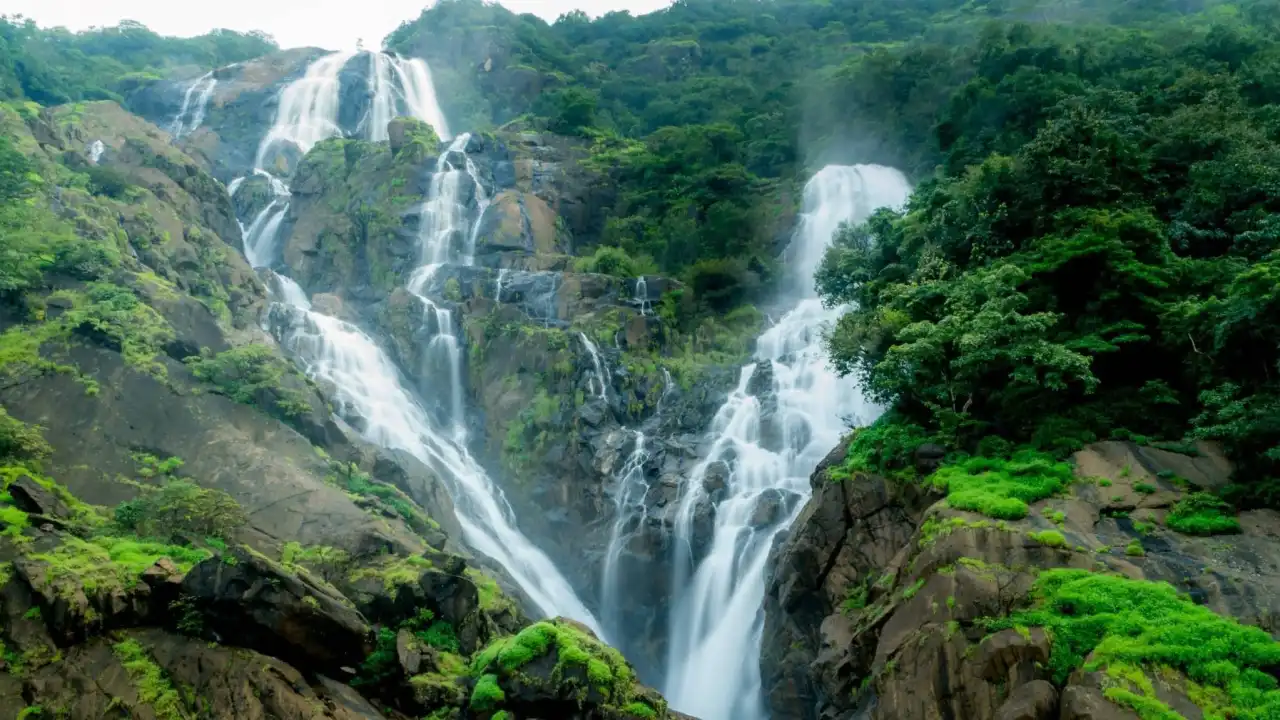
Dudhsagar Waterfall, Goa, is the headline act here, monsoon or not. Four-tiered waterfall right on the Goa-Karnataka border swells to its most powerful once the rains properly set in. Photos really don't do it justice, and I say that knowing everyone says that about everything.
Fun fact: the name translates to "sea of milk" because the water looks almost white crashing against the dark rock.
Here's the catch, though, worth knowing before you build a whole trip around this one thing. Jeep safaris and forest treks into the sanctuary usually get suspended during peak monsoon, due to swollen streams and landslide risk, the usual reasons. Walking the railway tracks has been illegal for years anyway, season or no season, so don't. Good news, you can still get a genuinely stunning view from the train passing through the Dudhsagar section, and honestly, a lot of travelers prefer this now since it skips the mud and the risk entirely. Just check the current access status before you plan a jeep safari or trek around it, rules shift week to week with the rain.
- Things to do: train-view sightseeing, photography, nature trails near the base, where permitted
- Best for: couples, families, friend groups, photographers
- How to reach: The nearest station is Kulem (Collem), roughly 60 km from Panaji by road
2. Chorla Ghat
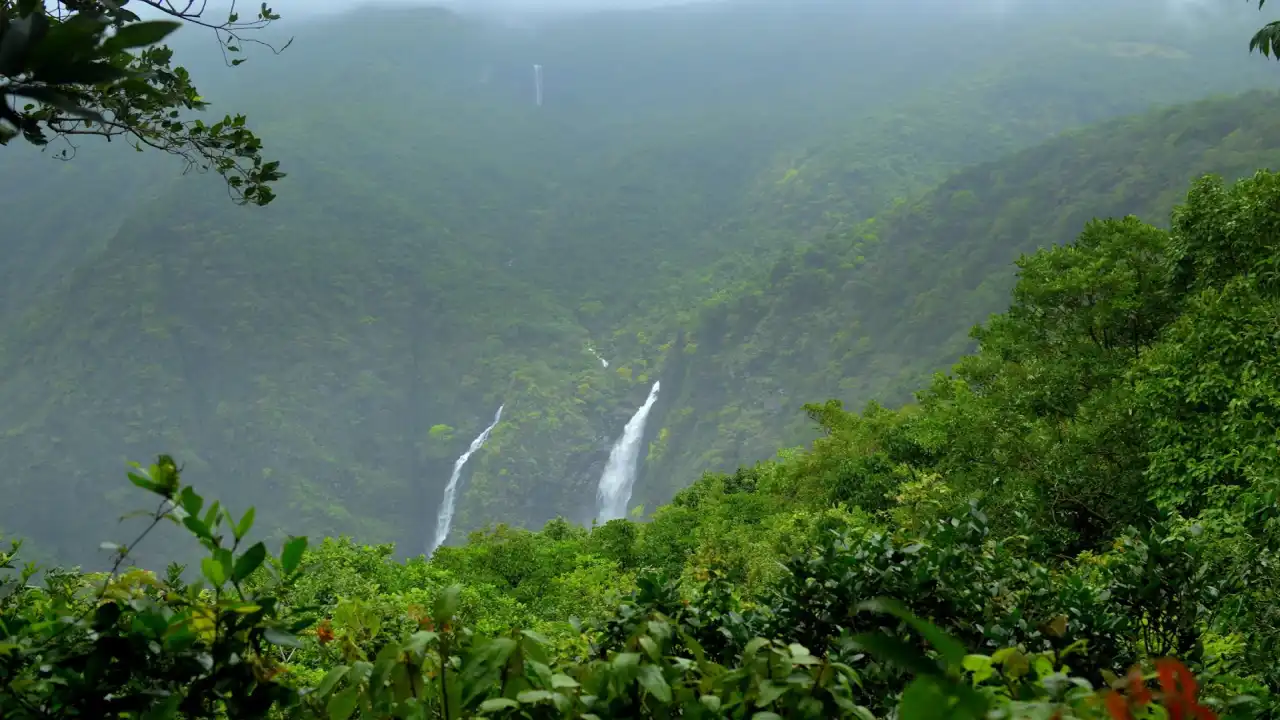
Tucked into the Western Ghats near the Karnataka border, Chorla Ghat, Goa, barely makes it onto standard itineraries, which is exactly why it's worth the detour, honestly, less competition for the good views. Sits right on the tri-junction of Goa, Karnataka, and Maharashtra, and the mist rolls through the valleys in a way that just feels unreal. Like the hills are breathing or something, hard to describe until you've seen it.
- Things to do: birdwatching, small waterfall visits, quiet nature walks
- Best for: solo travelers, nature photographers, anyone tired of crowds
- How to reach: Best by road from Panaji or Mapusa, roughly 60-70 km, depending on where you start
- Pro tip: Go early, before 8 am ideally, before the mist burns off and the magic's gone.
3. Netravali Wildlife Sanctuary
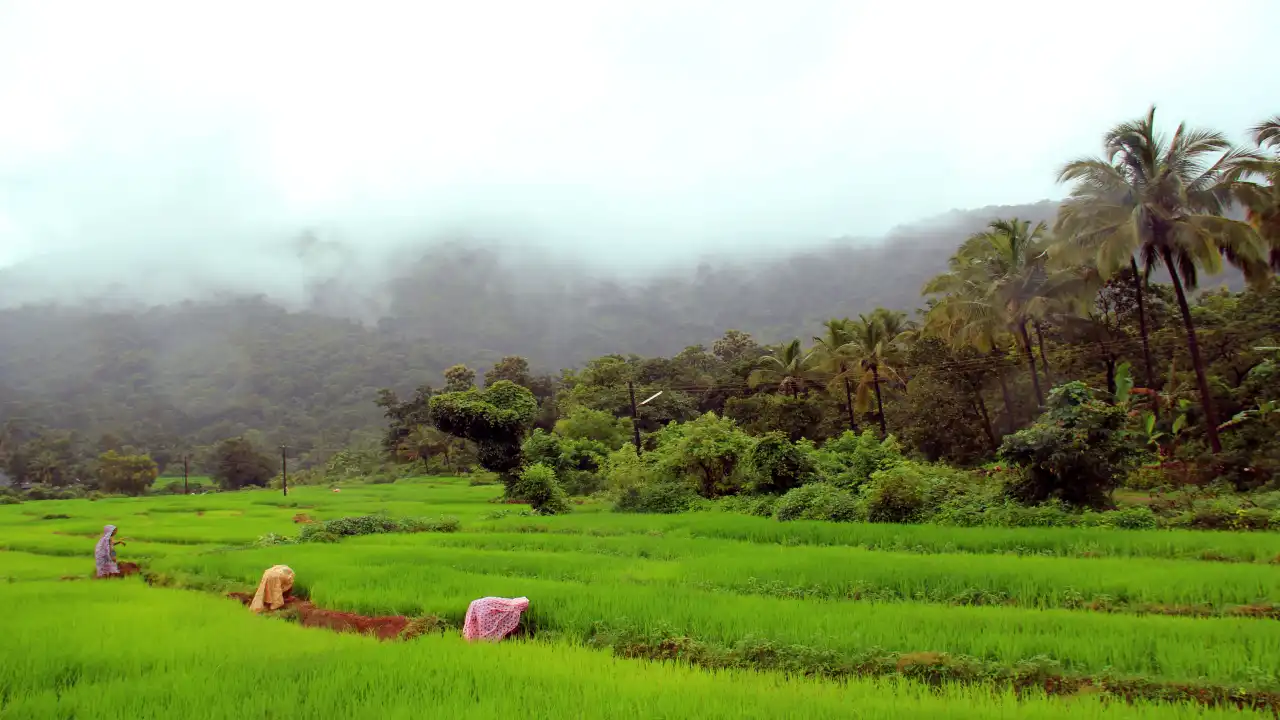
This one's for the slightly more adventurous crowd, fair warning. The sanctuary's home to the genuinely odd Bubbling Lake, gas bubbles rising steadily from the lake bed, giving the water this fizzy, almost carbonated look. Nobody's fully agreed on the geological explanation, as far as I can tell, which somehow makes it more fun to stand there and stare at. Beyond the lake, it's dense sholas forest, leopards, gaurs, and a long list of birds that get properly active once the rain kicks in. Streams that are barely a trickle in winter turn into real cascades cutting through the reserve, and there's a handful of small, lesser-known waterfalls tucked along the interior trails. Not signposted, so ask your guide; they'll know.
- Things to do: forest drives, waterfall visits, eco-tourism activities, birdwatching along interior trails
- Best for: wildlife enthusiasts, families okay with rough terrain
- How to reach: roughly 60 km south of Panaji, near Sanguem
- Pro tip: Carry cash. Options thin out fast once you're deep in the sanctuary, and forget about network coverage.
4. Divar Island
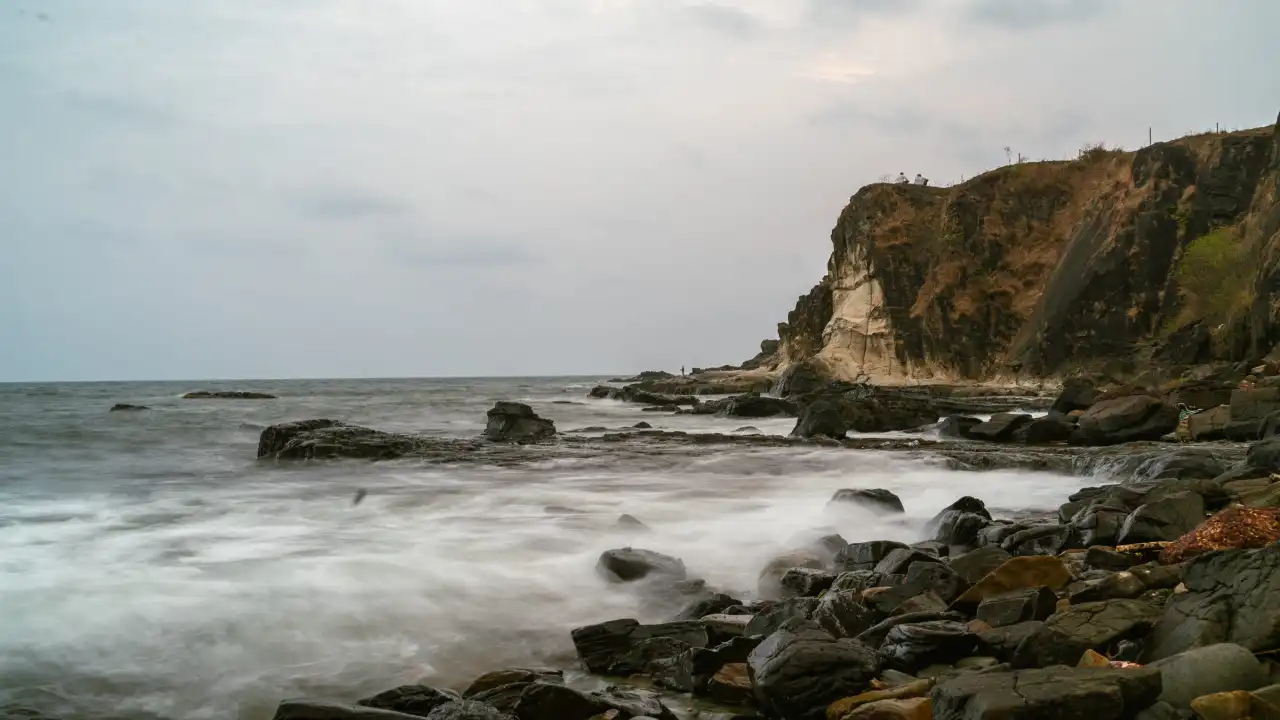
Short ferry ride from Old Goa and you're somewhere else entirely, pace-wise. Portuguese-style villages, quiet lanes, church bells going off at odd hours, and next to zero tourist infrastructure, which is exactly the point for a lot of people who come here.
The island floods in patches during heavy rain, which sounds bad on paper, but it makes for some of the best photography of the whole season, paddy fields turning into these shallow mirrors reflecting the sky at you. Locals still mostly get around by bicycle, and that pace rubs off on visitors fast, whether you want it to or not. Not much in the way of formal restaurants either, so the food experience here is basically whatever the one small café's cooking that day. Take it or leave it.
- Things to do: cycling, ferry rides, heritage walks, café hopping, photographing the flooded paddy fields
- Best for: couples, photographers, slow-travel fans
- How to reach: ferry from Old Goa or Ribandar, free and frequent
- Pro tip: Rent a bicycle right at the ferry point instead of hauling a car across. Lanes are narrow, nicer to cycle anyway.
5. Fontainhas, the Latin Quarter
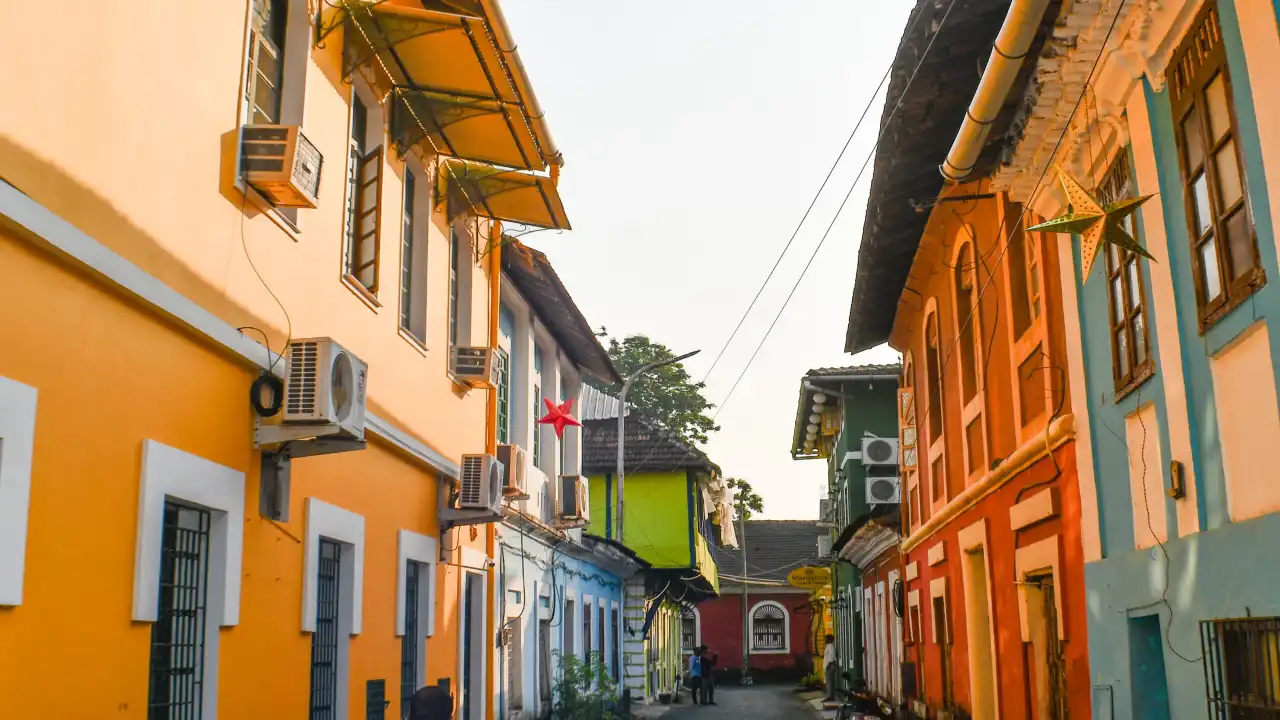
Panaji's old quarter's arguably at its best right after a downpour, when the colorful facades look freshly washed, and the narrow lanes practically glow. Sounds like a cliché, it's still true. Wander a bit deeper, and there are small art galleries and studios tucked into converted heritage homes, several still run by the same families that have owned the buildings for generations. Monsoon's also when the quarter feels least touristy, foot traffic drops off, and a lot of the small eateries here run more on regulars than walk-ins at this point. Balconies dripping rain, laundry strung between buildings, a cat asleep under some awning like it owns the place, it's the kind of spot that rewards slow, aimless walking over any fixed itinerary you might've planned.
- Things to do: photography walks, art gallery visits, café stops, wandering with no real plan
- Best for: solo travelers, photographers, culture-focused visitors
- How to reach: centrally located in Panaji, easy on foot or by cab
- Pro tip: Late afternoon, right after a typical shower, best light and the least crowded lanes you'll get.
6. Spice Plantations
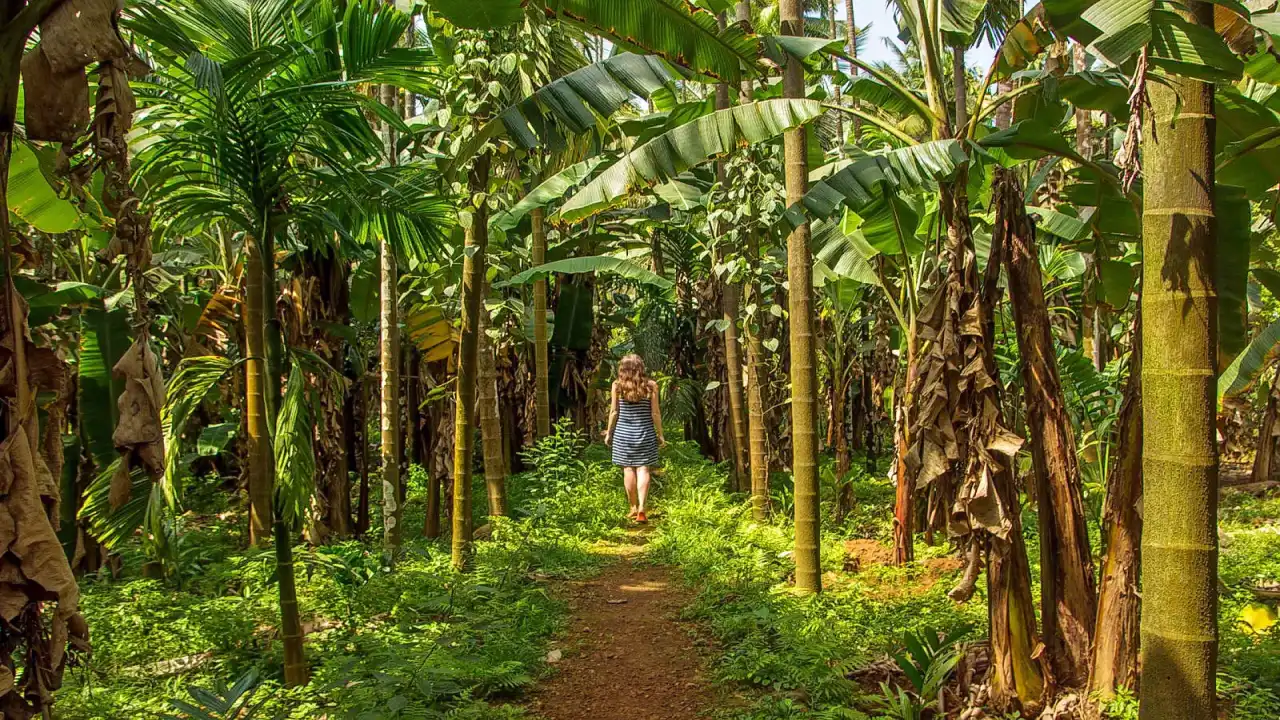
Rainy-day activity that actually works with the weather instead of against it, for once. Most plantations run guided walks under natural canopy cover, so the rain barely touches you once you're under the trees, and then a traditional Goan lunch is served on a banana leaf to finish it off.
Guides usually walk you past pepper vines climbing up areca trunks, cardamom and turmeric growing low, and vanilla, which, honestly, most visitors don't expect to see growing at all. Monsoon's peak growing season for a lot of these spices too, so everything smells stronger, plants look healthier than in the dry months. Some plantations run small elephant interaction spots as well, though it's worth asking beforehand how the animals are actually treated before you book that add-on; not every place is equal here.
- Things to do: plantation walks, birdwatching, sit-down banana-leaf lunch, spice tasting
- Best for: families, food lovers, first-timers
- How to reach: several plantations near Ponda, about 30 km from Panaji
7. Cabo de Rama Fort
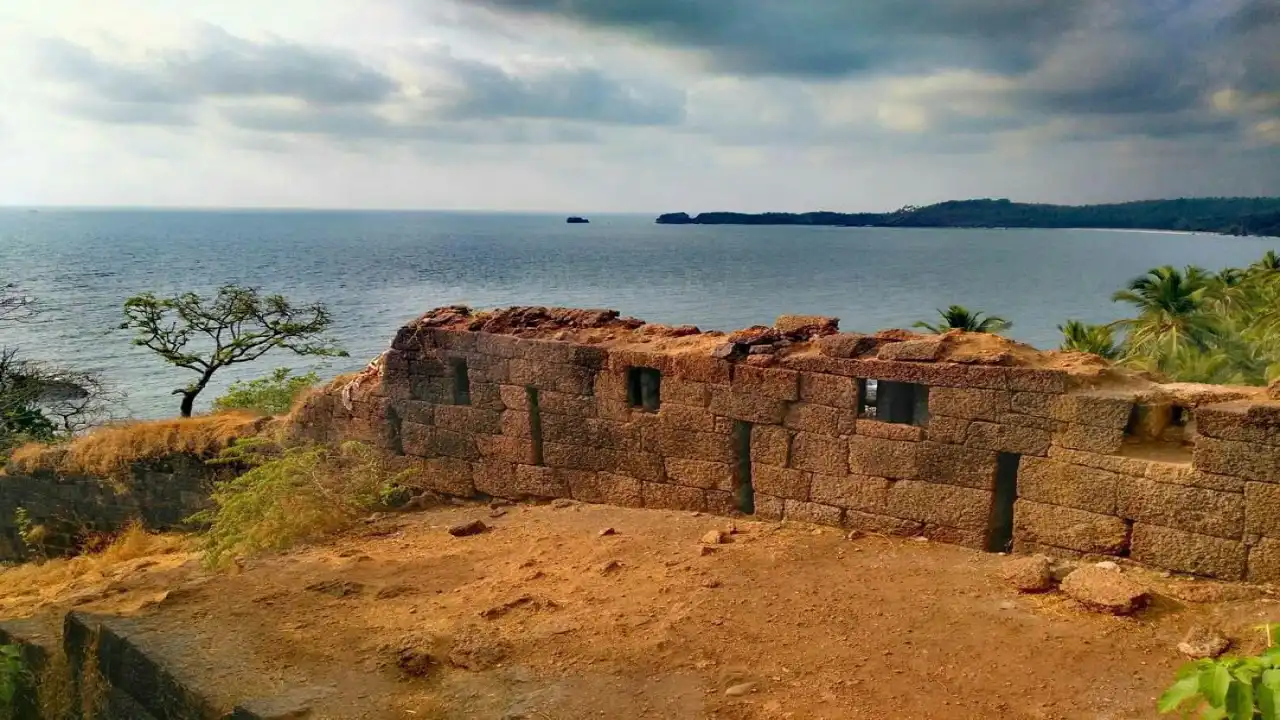
A crumbling Portuguese-era fort perched over the coast and monsoon skies give it a backdrop dry-season visits just can't touch. Fort's fairly ruined at this point, don't go in expecting an intact structure, that's kind of the whole appeal though. Walk the old ramparts and the cliff drop into the Arabian Sea hits different when the water's churning grey and the wind's picking up around you. The small chapel within the fort's premises still sees occasional use. Barely any vendors are operating here during the monsoon, so bring water and snacks, and go a little before sunset if the clouds are cooperating at all.
- Things to do: photography, coastal walks, weather-permitting sunset views, exploring ramparts and the old chapel
- Best for: history buffs, photographers, couples
- How to reach: roughly 40 km south of Margao
8. Bhagwan Mahavir Wildlife Sanctuary
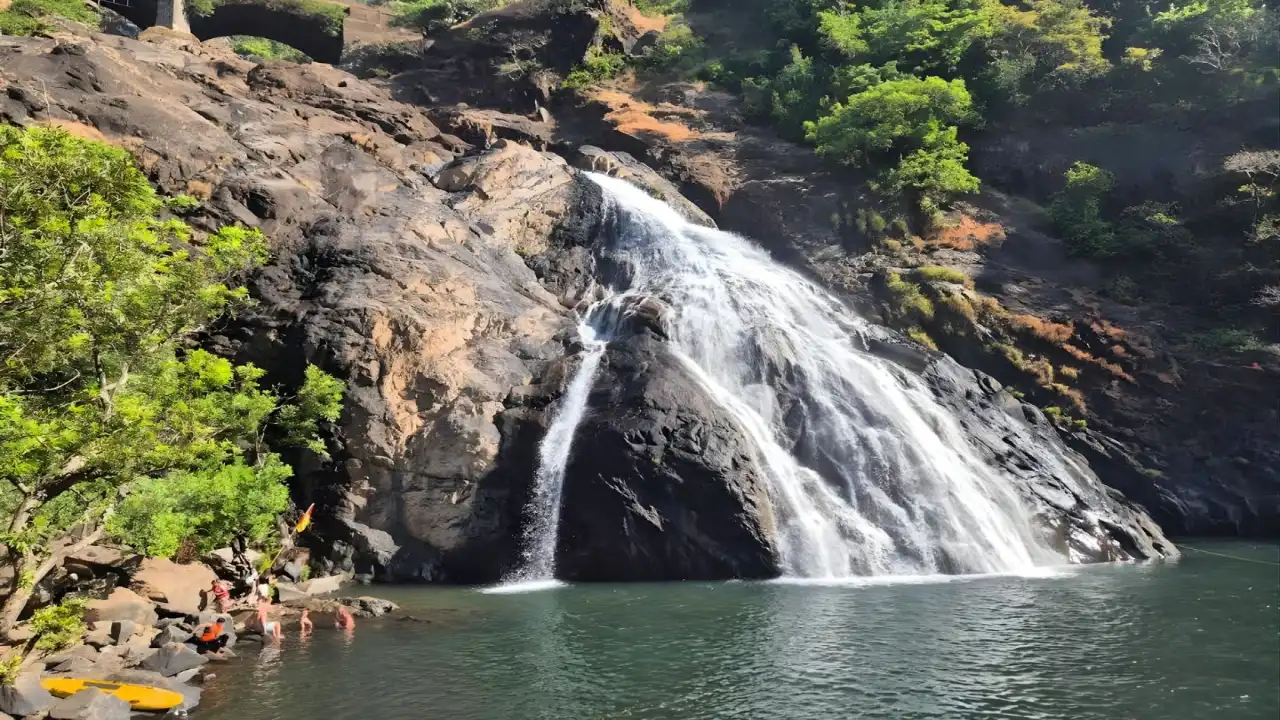
The sanctuary surrounding Dudhsagar has plenty going on beyond just the waterfall, easy to miss if you're only there for the falls and leave. Dense jungle trails cut through some genuinely old-growth forest, hornbills, giant squirrels, and if you're lucky and quiet enough, maybe a gaur sighting. Bird activity spikes hard during monsoon, insect populations boom with the rain, and that pulls in way more species than you'd catch in peak winter. A few short guided nature trails near the entrance stay open even when the deeper forest routes get restricted, so check with the forest office when you arrive rather than assuming the whole place is shut.
- Things to do: guided jungle trails, birdwatching, wildlife photography, short entrance-area nature walks
- Best for: nature lovers, serious birders
9. Arambol and Ashwem

Quieter beaches without the party scene, these two North Goa beaches deliver that, and they feel like a completely different state compared to their peak-season selves, crowds and all. Rainy walks down mostly empty sand, past cafés that stay open more for regulars and long-stay travelers than actual tourists. A handful of yoga and wellness retreats keep running right through the season, some even market monsoon specifically, cooler air, quieter beaches, better for longer practice sessions than the summer heat allows. Arambol's sweet lake gets lush and green this time of year, too, worth the short detour if you're already out that way.
- Things to do: beach walks, café hopping, yoga sessions, visiting Arambol's sweet lake
- Best for: solo travelers, wellness-focused visitors
10. Old Goa Churches
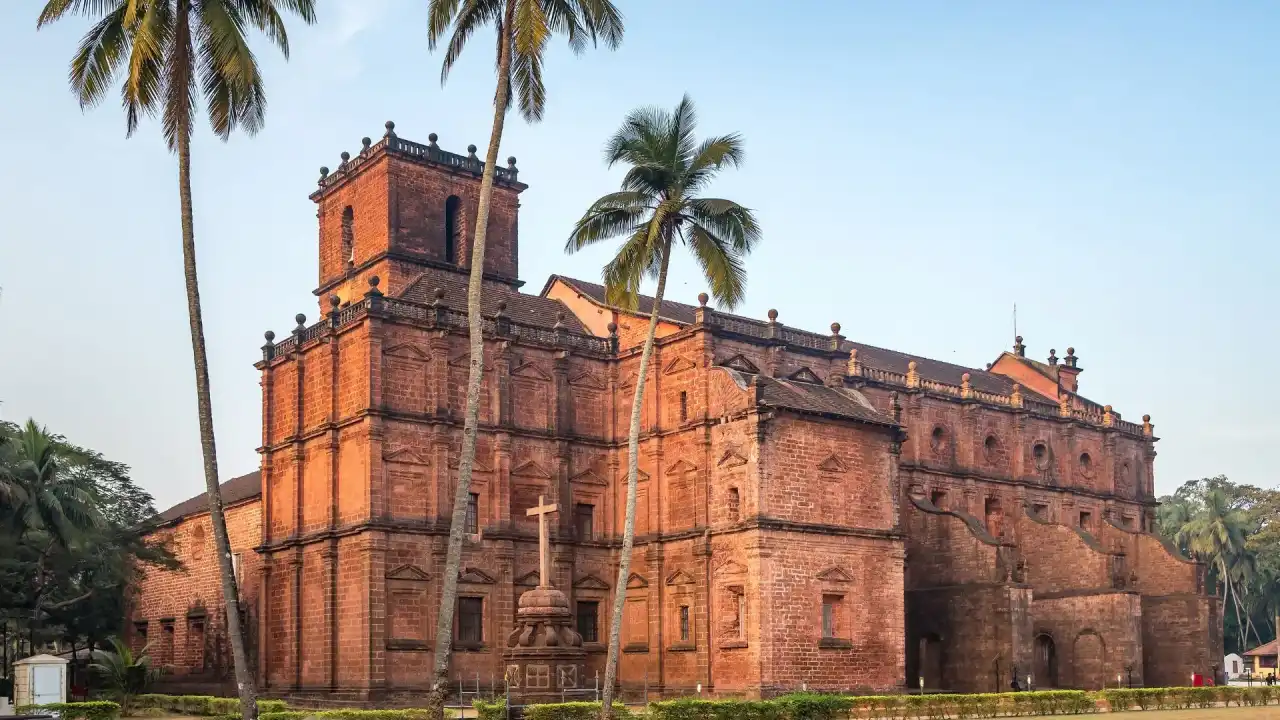
When the rain just won't quit, the heritage churches of Old Goa, Basilica of Bom Jesus included, make for genuinely solid indoor sightseeing. Decent backup plan for any monsoon day, really. The Basilica holds the remains of St. Francis Xavier and remains one of the most visited Christian pilgrimage sites in Asia, monsoon crowds included, though nowhere close to the numbers during the winter feast season. Se Cathedral, right next door, pairs well with the same visit; it's one of the largest churches in Asia, and the architecture alone justifies going. Both sit close enough that you can cover them on foot in one rainy afternoon, not much walking needed between the two.
Things to do: heritage exploration, museum visits, architecture appreciation, covering the Basilica and the Se Cathedral together
Best for: families, history lovers, anyone dodging a downpour
Hidden Gems to Explore During Goa's Monsoon
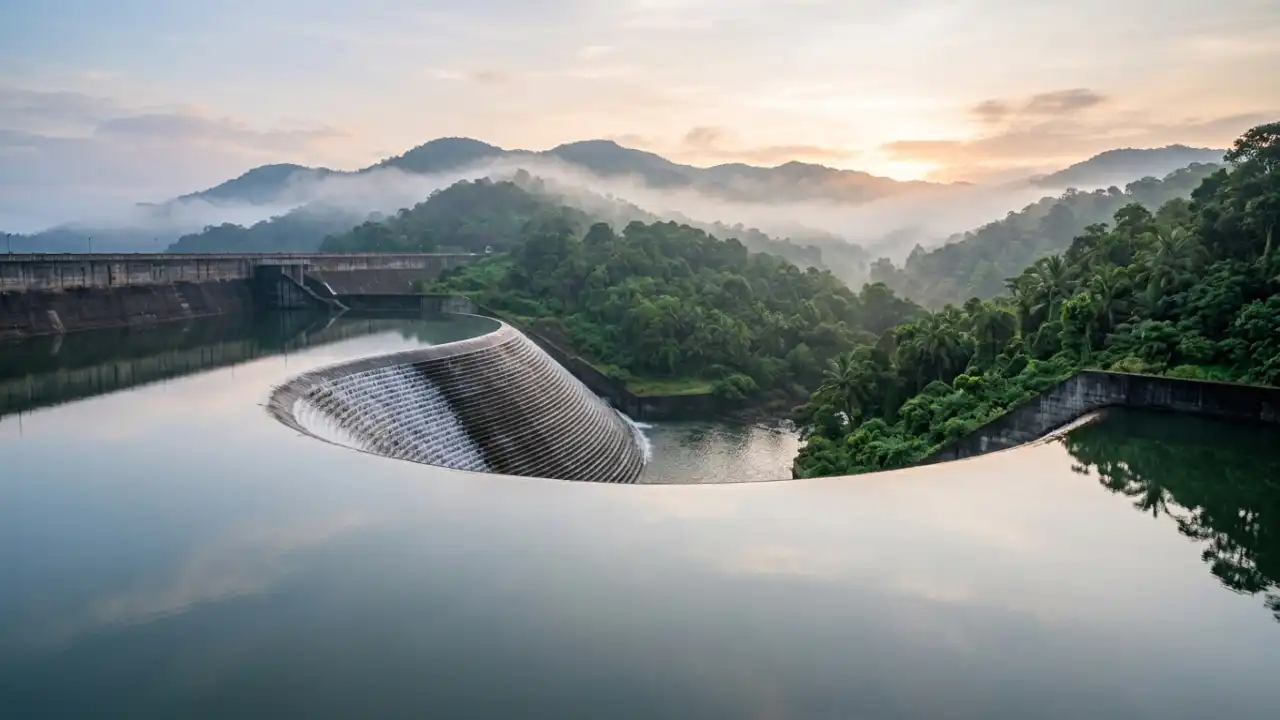
A few spots that rarely make the standard lists are worth a mention anyway. Harvalem Waterfall's a quieter, less crowded alternative to Dudhsagar, and honestly, a lot easier to get to. Tambdi Surla Temple, a 12th-century Shaivite shrine buried in dense forest, feels genuinely untouched, like nobody got around to modernizing it, and that's a good thing here. Rivona Caves and Salaulim Dam round things out if you're driving through the interior anyway, and Butterfly Beach viewpoints, weather permitting, add a dramatic coastal payoff worth the detour. If you want the best places in Goa in the monsoon that skip the crowds entirely, this is the list.
Best Monsoon Activities in Goa
Nature: waterfall visits, wildlife safaris, forest hikes, birdwatching
Culture: heritage walks, museum visits, architecture trails, local markets
Food: Goan seafood, monsoon delicacies, plantation lunches, café hopping
Wellness: yoga retreats, Ayurvedic treatments, quieter spa stays
Best Places Based on Traveler Type
How to Reach Goa During Monsoon
- By air: Dabolim Airport and Manohar International Airport both run more or less normal schedules through the monsoon; delays are a bit more common in the heavier spells.
- By train: Regular services connect to Madgaon and Vasco da Gama, and the Konkan Railway route throws in some scenic monsoon views on its own, worth it for the ride alone.
- By road: Ghat roads from Karnataka and Maharashtra get slippery; some stretches see temporary closures during the worst downpours. Whichever way you come through, most of the best places in Goa in the monsoon sit within an hour or two of Panaji anyway.
Getting Around Goa During the Rainy Season
Rental scooters are still popular, but they need real caution on wet roads; there are no shortcuts there, don't kid yourself. Self-drive cars are the safer call if you're not fully confident on two wheels in the rain. Local taxis, app-cabs, public buses, the Divar ferry, all of it keeps running regardless of the season. Whatever you pick, drive slower than you think you need to. Goan roads get slick fast, more than most people expect, until it's too late.
What to Pack for Goa in the Monsoon
- Waterproof footwear
- A proper rain jacket, not just an umbrella
- Dry bag for phone and documents
- Quick-dry clothing
- Insect repellent
- Power bank
- Basic medicines
Monsoon Festivals and Seasonal Experiences in Goa
June brings São João, a genuinely fun local celebration, well-jumping, boat races, and general monsoon chaos in the best way. Bonderam Festival on Divar Island brings colorful float parades and this playful mock-battle tradition rooted in old land disputes, worth catching if your dates happen to line up. Smaller village celebrations pop up all over, too, usually paired with seasonal Goan cuisine built around whatever the day's catch happens to be.
Check out: 5-Day Goa Itinerary: A Perfect Romantic and Adventure Getaway
Conclusion
Goa's rainy season isn't a lesser version of the destination; it's just a different one, and the best places in Goa in the monsoon prove that pretty easily once you've been. Quieter, greener, built more around scenic drives and nature than beach parties ever were. Travel Junky always recommends planning loosely around the weather instead of fighting it, keeping a backup plan ready for waterfall visits, and picking destinations that actually match what you want out of the trip, not what the brochure wants you to want. Whether that's chasing waterfalls, wandering colonial lanes in the rain, or just sitting on a quiet beach doing nothing much at all, monsoon Goa's got its own version of the trip worth taking.
Frequently Asked Questions
Is Goa worth visiting during the monsoon?
Yes, if greenery, waterfalls, and quieter beaches appeal more than beach parties and water sports do.
Which part of Goa is best in the monsoon?
South Goa's calmer and greener generally, North Goa's got more nightlife options for the rainy evenings.
Can you swim at Goa beaches during the rainy season?
Not really advisable. Currents get strong and unpredictable, and lifeguard cover thins out too.
Is Dudhsagar open during the monsoon?
Waterfall's visible and at its most powerful, but jeep safaris and forest treks typically get suspended for safety. Train views are the most reliable way to actually see it.
What are the best waterfalls in Goa during the monsoon?
Dudhsagar, Harvalem, and the ones scattered around Netravali Wildlife Sanctuary are standout picks all around.
Is Goa safe to drive in the rainy season?
Generally, yes, with caution. Ghat roads and forest routes need extra care, though.
How many days are enough for Goa in the monsoon?
Four to five days cover waterfalls, heritage sites, and quieter beaches without rushing through them.
What should I avoid during the monsoon in Goa?
Swimming in rough seas, unauthorized waterfall trekking routes, and rigid itineraries with zero room for weather to mess things up.